
Are you sure your home or workspace is as clean as it should be? Bacterial contamination on surfaces can happen faster than you think, putting your health at risk.
But don’t worry—keeping harmful germs away is easier than it seems. You’ll discover simple, effective tips that anyone can use to prevent bacteria from spreading on surfaces you touch every day. By the end, you’ll have the tools to protect yourself and your loved ones from unseen dangers lurking right under your fingertips.
Keep reading to learn how to make your environment safer and healthier starting now.
Credit: www.manipalhospitals.com
Common Sources Of Bacterial Contamination
Bacteria can easily spread on surfaces if not cleaned properly. Knowing where bacteria thrive helps in preventing contamination.
Some surfaces are more prone to bacterial contamination than others. Regular cleaning is essential to keep these areas safe.
High-touch Areas
High-touch areas are surfaces that people frequently touch. These include door handles, light switches, and remote controls.
Regular cleaning of these areas reduces the risk of spreading germs. Use disinfectant wipes for a quick clean.
- Door handles
- Light switches
- Remote controls
- Phones
Food Preparation Surfaces
Food preparation areas can harbor harmful bacteria. Cutting boards, countertops, and utensils are common sources.
Clean these surfaces with hot soapy water. Use separate cutting boards for meat and vegetables to prevent cross-contamination.
- Cutting boards
- Countertops
- Utensils
- Sink areas
Shared Equipment
Shared equipment in offices and gyms can spread bacteria. Items like keyboards, gym mats, and weights need frequent cleaning.
Wipe shared equipment before and after use. Ensure cleaning supplies are available for everyone to use.
- Keyboards
- Gym mats
- Weights
- Shared tools
Effective Cleaning Techniques
Keeping surfaces clean helps stop bacteria from spreading. Good cleaning removes germs and dirt.
Using the right methods keeps areas safe and healthy for everyone.
Choosing The Right Cleaning Agents
Pick cleaning agents that kill bacteria well. Look for disinfectants approved for surface use.
Avoid cleaners that leave sticky residue. Residue can hold bacteria and cause contamination.
- Use bleach solutions for strong disinfection
- Alcohol-based cleaners work fast on small surfaces
- Soap and water help remove dirt before disinfecting
- Follow product instructions for safety and effectiveness
Proper Cleaning Tools
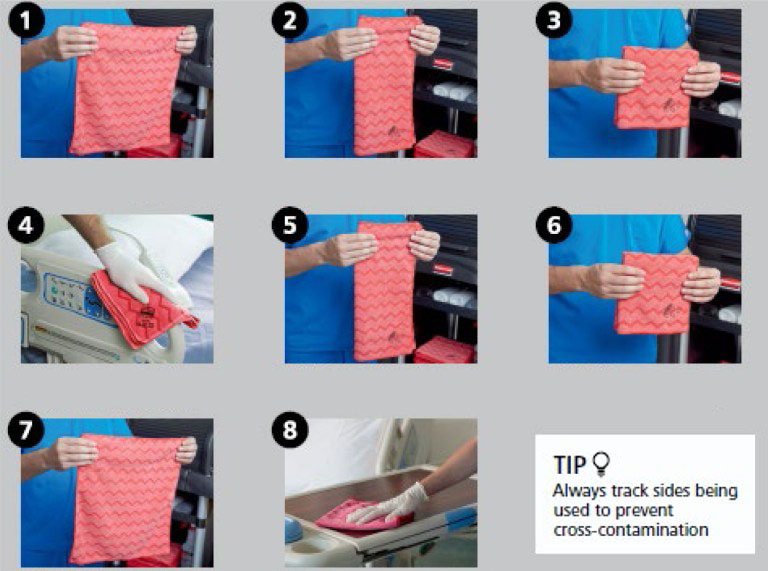
Use tools that help clean surfaces without spreading germs. Clean tools often to keep them safe.
Choose tools based on the surface type and cleaning agent used.
- Microfiber cloths pick up dirt and bacteria well
- Disposable wipes reduce cross-contamination
- Soft brushes clean textured surfaces
- Buckets and spray bottles help apply cleaners evenly
Step-by-step Cleaning Process
Follow these steps to clean surfaces safely and fully. Each step removes more germs.
- Remove visible dirt or debris with a dry cloth
- Apply soap and water to wash the surface
- Rinse off the soap with clean water
- Use a disinfectant and let it sit for the time on the label
- Wipe the surface dry with a clean cloth
- Clean your tools after use to avoid spreading germs
Disinfection Methods That Work
Keeping surfaces clean helps stop bacteria from spreading. Using the right disinfection methods is key to safe spaces.
Some ways work better than others to kill bacteria on surfaces. This guide shows effective options.
Chemical Disinfectants
Chemical disinfectants kill bacteria by breaking down their cells. They work fast and are easy to use.
Common chemicals include bleach, alcohol, and hydrogen peroxide. Each works well on different surfaces.
- Bleach is strong and kills many germs quickly.
- Alcohol works well on smooth surfaces like glass.
- Hydrogen peroxide is gentle and safe for many materials.
Uv Light Applications
UV light kills bacteria by damaging their DNA. It is used in hospitals and some homes.
UV light works best on clean surfaces and in direct exposure. It does not leave chemicals behind.
- UV-C light is the most effective type.
- It can disinfect air, water, and surfaces.
- Safety precautions are important to avoid skin or eye harm.
Steam Cleaning Benefits
Steam cleaning uses hot steam to kill bacteria. It cleans without chemicals and is eco-friendly.
Steam can reach small cracks and hard-to-clean areas. It also removes dirt and grime easily.
- Steam kills bacteria and viruses on contact.
- It dries quickly, reducing mold growth.
- Safe for many surfaces like tile and fabric.

Credit: teknomek.co.uk
Preventive Practices For Everyday Settings
Bacterial contamination on surfaces can cause illnesses. Keeping surfaces clean helps stop germs from spreading.
Simple habits in daily life can reduce bacteria on surfaces. These practices keep you and others healthier.
Hand Hygiene Importance
Washing hands removes bacteria that you pick up from surfaces. Clean hands prevent spreading germs to other places.
Use soap and water for at least 20 seconds. If soap is not available, use hand sanitizer with 60% alcohol.
- Wash hands before eating or touching your face
- Clean hands after using the restroom
- Sanitize hands after touching public surfaces
Regular Surface Maintenance
Clean surfaces often to remove dirt and bacteria. Use disinfectants on high-touch areas like doorknobs and switches.
Wipe surfaces with a clean cloth and proper cleaning agents. Regular cleaning lowers the risk of bacterial growth.
- Clean kitchen counters after food preparation
- Disinfect bathroom surfaces daily
- Wipe down electronic devices regularly
Avoiding Cross-contamination
Keep raw and cooked foods separate to stop bacteria from spreading. Use different utensils and cutting boards for each.
Do not touch clean surfaces with dirty hands or gloves. Change cleaning cloths often to avoid moving germs.
- Store raw meat below other foods in the fridge
- Use separate towels for hands and dishes
- Wash utensils between uses
Monitoring And Maintaining Cleanliness
Keeping surfaces clean helps stop bacteria from spreading. Regular checks ensure that cleaning is done well.
Monitoring cleanliness helps catch problems early. It supports a healthy space for everyone.
Routine Inspections
Routine inspections check if surfaces are clean and safe. They find dirt and germs that may hide.
Inspections can be daily or weekly. Use a checklist to review all important areas.
- Look for visible dirt or stains
- Check high-touch areas like door handles
- Note any damaged or hard-to-clean spots
- Record inspection results for follow-up
Using Test Kits
Test kits help find bacteria that you cannot see. They show if cleaning is effective.
Swab test kits are common. They collect samples from surfaces to check for germs.
- Follow instructions to collect samples
- Use kits regularly for best results
- Compare results over time to track cleanliness
- Replace or clean areas with high bacteria levels
Training Staff And Household Members
Training teaches proper cleaning and hygiene habits. Everyone should know how to prevent bacteria.
Clear instructions help avoid mistakes. Regular refreshers keep skills sharp.
- Explain why cleaning is important
- Show how to use cleaning tools and products
- Teach how to spot dirty areas
- Encourage reporting problems quickly

Credit: us.cleadeep.com
Frequently Asked Questions
What Are The Best Methods To Clean Surfaces Effectively?
Use disinfectants containing alcohol or bleach to clean surfaces. Regularly wipe high-touch areas like doorknobs and countertops. Always follow product instructions for safe and effective use. Cleaning removes dirt, while disinfecting kills bacteria to prevent contamination.
How Often Should Surfaces Be Disinfected To Prevent Bacteria?
Disinfect high-touch surfaces at least once daily in homes. In public or high-traffic areas, disinfect multiple times a day. Frequency depends on usage and risk level. Regular disinfection reduces bacterial buildup and lowers infection risk.
Which Household Products Are Safe For Surface Disinfection?
Use EPA-approved disinfectants or solutions with at least 70% alcohol. Diluted bleach solutions are also effective but must be handled carefully. Avoid mixing cleaning products to prevent harmful fumes. Always ensure proper ventilation during use for safety.
Can Antibacterial Wipes Replace Thorough Surface Cleaning?
Antibacterial wipes are convenient but should not replace cleaning. Wipes remove some bacteria but may leave residues or miss dirt. For best results, clean surfaces first, then disinfect with wipes. This two-step process ensures better bacteria removal.
Conclusion
Clean surfaces help stop bacteria from spreading. Regular wiping removes dirt and germs fast. Use safe cleaners to kill harmful bacteria. Always wash hands after touching shared items. Keep cleaning tools clean to avoid cross-contamination. Small steps make a big difference in health.
Stay consistent to keep your space safe. Healthy habits protect you and your family. Clean surfaces, healthy life. Easy to do, worth the effort.