
When you’re in the kitchen, the last thing you want is to worry about food safety. But did you know that simple mistakes while handling food can lead to serious health risks?
You might think you already know how to keep your meals safe, but there are easy tips that can make a big difference. Imagine enjoying every bite without the fear of foodborne illness. Keep reading to discover practical, straightforward tips that will help you protect yourself and your loved ones every time you cook.
Your health depends on it!

Credit: www.freepik.com
Keep Kitchen Clean
Keeping the kitchen clean is important for safe food handling. It helps prevent bacteria from spreading. A clean kitchen protects your family from foodborne illnesses.
Cleaning your kitchen involves more than just wiping counters. It includes proper handwashing and avoiding contamination. Follow these tips to keep your kitchen safe.
Sanitize Surfaces Regularly
Sanitizing surfaces kills harmful germs. Clean all surfaces after cooking, especially those that touch raw food. Use hot, soapy water and a disinfectant to sanitize.
Pay attention to counters, cutting boards, and utensils. These areas often harbor bacteria. Keep them sanitized to avoid spreading germs.
- Use separate cutting boards for meat and vegetables
- Disinfect kitchen sponges regularly
- Replace dish towels frequently
Wash Hands Properly
Washing hands is crucial in food safety. Use soap and warm water to wash for 20 seconds. Clean hands before cooking and after handling raw foods.
Dry hands with a clean towel. Avoid using the same towel for different tasks. This prevents spreading bacteria and keeps your kitchen safe.
- Wash hands after touching garbage
- Wash hands after using the restroom
- Wash hands after sneezing or coughing
Avoid Cross Contamination
Cross contamination happens when bacteria transfer from one surface to another. Keep raw meat away from other foods to prevent this. Use separate utensils and cutting boards for different food types.
Store raw meat on the bottom shelf of the fridge. This prevents juices from dripping onto other foods. Proper storage helps avoid contamination.
- Use separate plates for raw and cooked foods
- Keep raw food away from ready-to-eat food
- Clean knives after cutting raw meat
Store Food Correctly
Storing food correctly keeps it fresh and safe to eat. It helps stop germs from growing.
Good food storage lowers the chance of food poisoning. It also reduces waste.
Use Proper Containers
Choose containers that seal tightly to keep air out. This stops food from spoiling.
Use containers made for food. Avoid using damaged or cracked ones.
- Glass or plastic containers with lids work well
- Wrap foods tightly with plastic wrap or foil if needed
- Label containers with the date you stored the food
Maintain Safe Temperatures
Keep cold foods at or below 40°F (4°C) to stop bacteria growth. Use a fridge thermometer.
Hot foods should stay above 140°F (60°C) if not cooled yet. Cool leftovers quickly before storing.
- Do not leave perishable foods out for more than two hours
- Freeze foods if you will not use them soon
- Check your fridge and freezer temperatures regularly
Separate Raw And Cooked Foods
Keep raw meats and seafood away from cooked foods. This stops germs from spreading.
Store raw foods in sealed containers on lower shelves. This prevents drips onto other foods.
- Use different containers for raw and cooked items
- Clean hands and surfaces after handling raw food
- Never place cooked food on plates that held raw food
Cook Food Safely
Cooking food safely is important to avoid foodborne illnesses. It keeps you and your family healthy.
Follow simple tips to make sure your food is safe to eat every time you cook.
Check Internal Temperatures
Always check the internal temperature of cooked food. This ensures harmful bacteria are killed.
Use a food thermometer to measure the temperature inside the thickest part of the food.
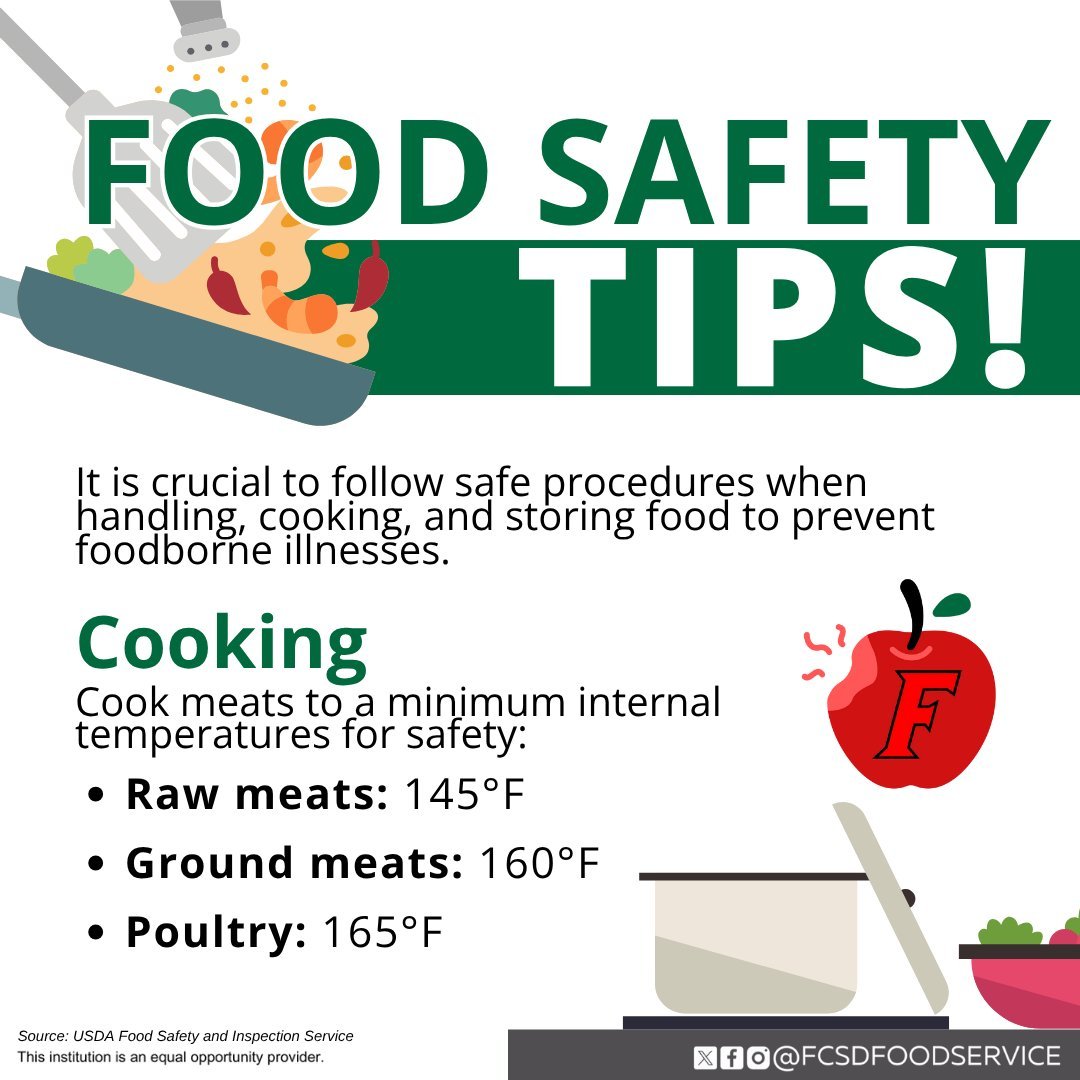
- Chicken and turkey should reach 165°F (74°C)
- Ground meats should reach 160°F (71°C)
- Beef, pork, lamb steaks should reach 145°F (63°C) plus rest time
- Fish should reach 145°F (63°C)
Follow Cooking Times
Cook food for the right amount of time. Undercooked food can cause illness.
Follow recipes or cooking guides for safe cooking times. Use timers to avoid mistakes.
- Thinner foods cook faster than thick ones
- Use a timer to track cooking duration
- Check food near the end of the cooking time
Use Safe Thawing Methods
Thaw frozen food safely to stop bacteria from growing. Unsafe thawing can cause sickness.
Use one of these safe thawing methods to keep your food safe before cooking.
- Thaw in the refrigerator overnight
- Use the microwave’s defrost setting
- Thaw in cold water, changing water every 30 minutes

Credit: nutritioneducationstore.com
Handle Leftovers Wisely
Leftovers can be safe to eat if handled the right way. Proper care stops germs from growing and keeps food tasty.
Follow simple rules for cooling, storing, and reheating leftovers. This keeps your food safe and fresh.
Cool Quickly
Cool leftovers fast to stop bacteria growth. Leaving food out too long can cause germs to multiply.
Divide large portions into small containers. This helps food cool faster and safer in the fridge.
- Use shallow containers for better air flow
- Do not stack containers until cool
- Place containers in the fridge within two hours
Store Promptly
Put leftovers in the fridge or freezer quickly. Keep the temperature below 40°F (4°C) to stop bacteria.
Label containers with the date. Eat refrigerated leftovers within 3-4 days and frozen within 2-6 months.
- Keep the fridge clean and organized
- Store raw and cooked foods separately
- Seal containers tightly to avoid spills and smells
Reheat Thoroughly
Heat leftovers until they are steaming hot. This kills any germs that may have grown.
Use a food thermometer to check the temperature. Reheat food to at least 165°F (74°C) before eating.
- Stir food while reheating for even heat
- Do not reheat leftovers more than once
- Use microwave-safe covers to keep moisture
Use Safe Kitchen Tools
Using safe kitchen tools helps keep food clean and free from germs. It also stops accidents and food poisoning.
Choosing the right tools and keeping them in good shape makes cooking safer for everyone.
Keep Utensils Clean
Always wash utensils with hot, soapy water before and after use. Clean tools stop bacteria from spreading.
Dry utensils well and store them in a clean place. Dirty tools can contaminate food and cause illness.
Replace Damaged Equipment
Throw away kitchen tools that are cracked or broken. Damaged equipment can hold germs and hurt your hands.
Sharp knives with chips or dull blades are unsafe. Replace them to cut food safely and easily.
Use Separate Cutting Boards
Use different cutting boards for raw meat, vegetables, and cooked foods. This stops cross-contamination.
- Red board for raw meat
- Green board for vegetables
- Blue board for cooked foods
Clean cutting boards after each use with hot water and soap. This keeps your food safe to eat.
Practice Personal Safety
Keeping yourself safe is very important while cooking. Personal safety helps prevent accidents and food contamination.
Simple habits can protect you and make cooking safer for everyone around you.
Avoid Jewelry While Cooking
Remove rings, bracelets, and watches before cooking. Jewelry can carry germs and dirt.
Jewelry may also fall into food or catch on kitchen tools. This can cause injuries or spoil food.
Tie Back Long Hair
Keep long hair tied back or covered when cooking. Hair can fall into food and cause contamination.
Tying hair back also stops it from catching fire or getting caught in kitchen equipment.
Wear Protective Gear
Use aprons, oven mitts, and gloves to protect your body. Protective gear helps prevent burns and cuts.
Gloves also keep your hands clean and stop germs from spreading to food.

Credit: www.koat.com
Frequently Asked Questions
How Can I Prevent Cross-contamination In The Kitchen?
To prevent cross-contamination, use separate cutting boards for raw meat and vegetables. Always wash hands, utensils, and surfaces thoroughly after handling raw food. Keep raw and cooked foods separate to avoid bacteria transfer.
What Is The Safe Internal Cooking Temperature For Meat?
Cook meat to the recommended internal temperature: 165°F for poultry, 160°F for ground beef, and 145°F for whole cuts. Use a food thermometer to ensure safety and kill harmful bacteria.
How Long Can Cooked Food Stay At Room Temperature?
Cooked food should not stay at room temperature for more than 2 hours. Bacteria grow rapidly between 40°F and 140°F. Refrigerate leftovers promptly to prevent foodborne illness.
Why Is Handwashing Important In Food Handling?
Handwashing removes harmful bacteria and viruses from your hands. Wash with soap and warm water for at least 20 seconds before cooking and after handling raw food. It reduces the risk of food contamination.
Conclusion
Safe food handling protects your health and family. Always wash hands and surfaces before cooking. Keep raw and cooked foods separate. Cook food to the right temperature. Store leftovers quickly in the fridge. Clean utensils and cutting boards well. Small steps make a big difference in safety.
Enjoy meals without worry by staying careful. Remember, safe habits help prevent foodborne illness. Keep these tips in mind every time you cook. Simple actions keep your food fresh and safe. Stay safe and enjoy your cooking!