
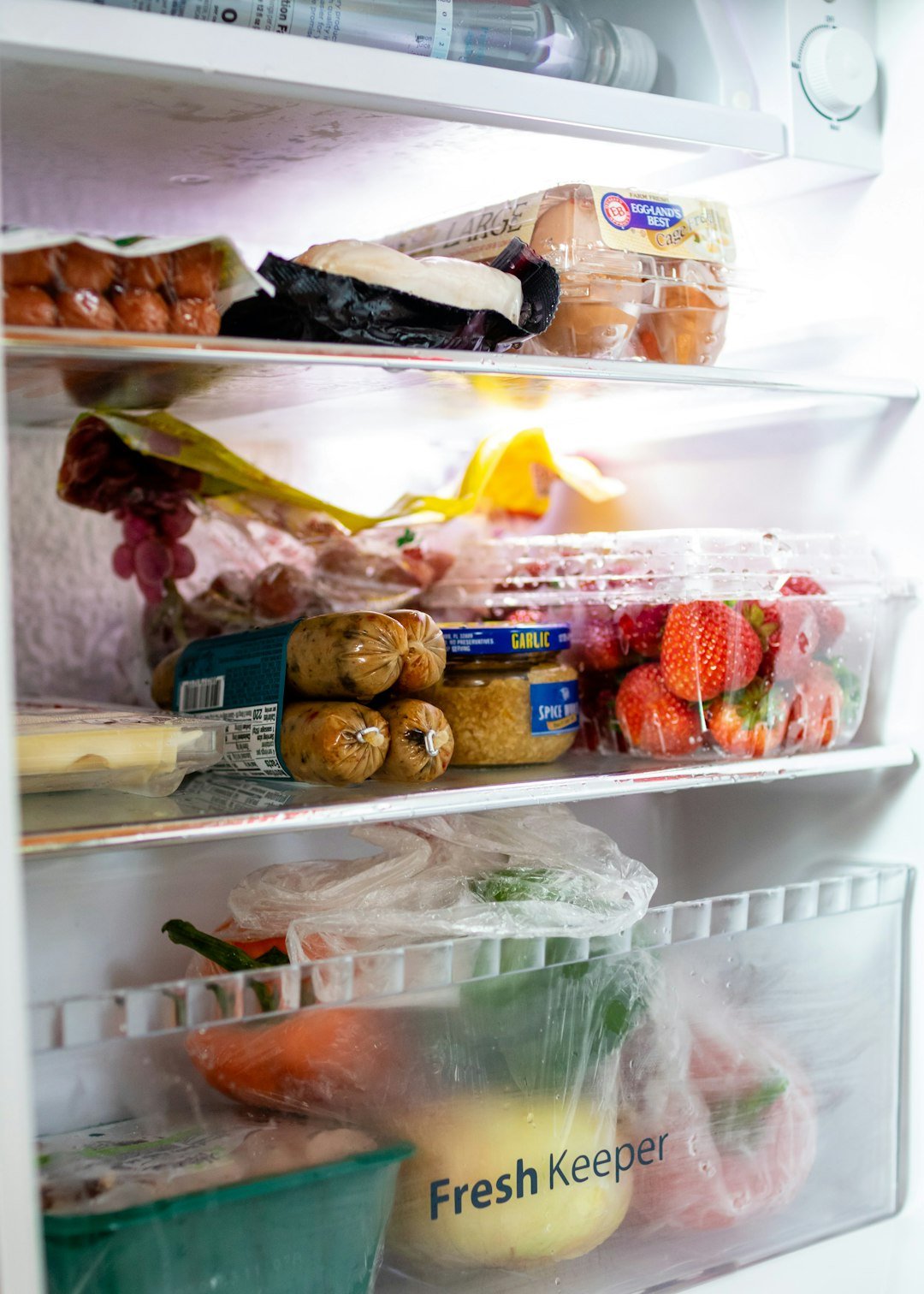
Your fridge is meant to keep your food fresh and safe, but did you know it can also be a hidden source of harmful germs? Cross-contamination in the fridge can turn your meals into a health risk without you even realizing it.
Imagine opening your fridge and knowing exactly how to protect your family from bacteria and spoilage. You’ll discover simple, effective steps you can take right now to stop cross-contamination before it starts. Keep reading to learn how to keep your fridge—and your food—safe every single day.
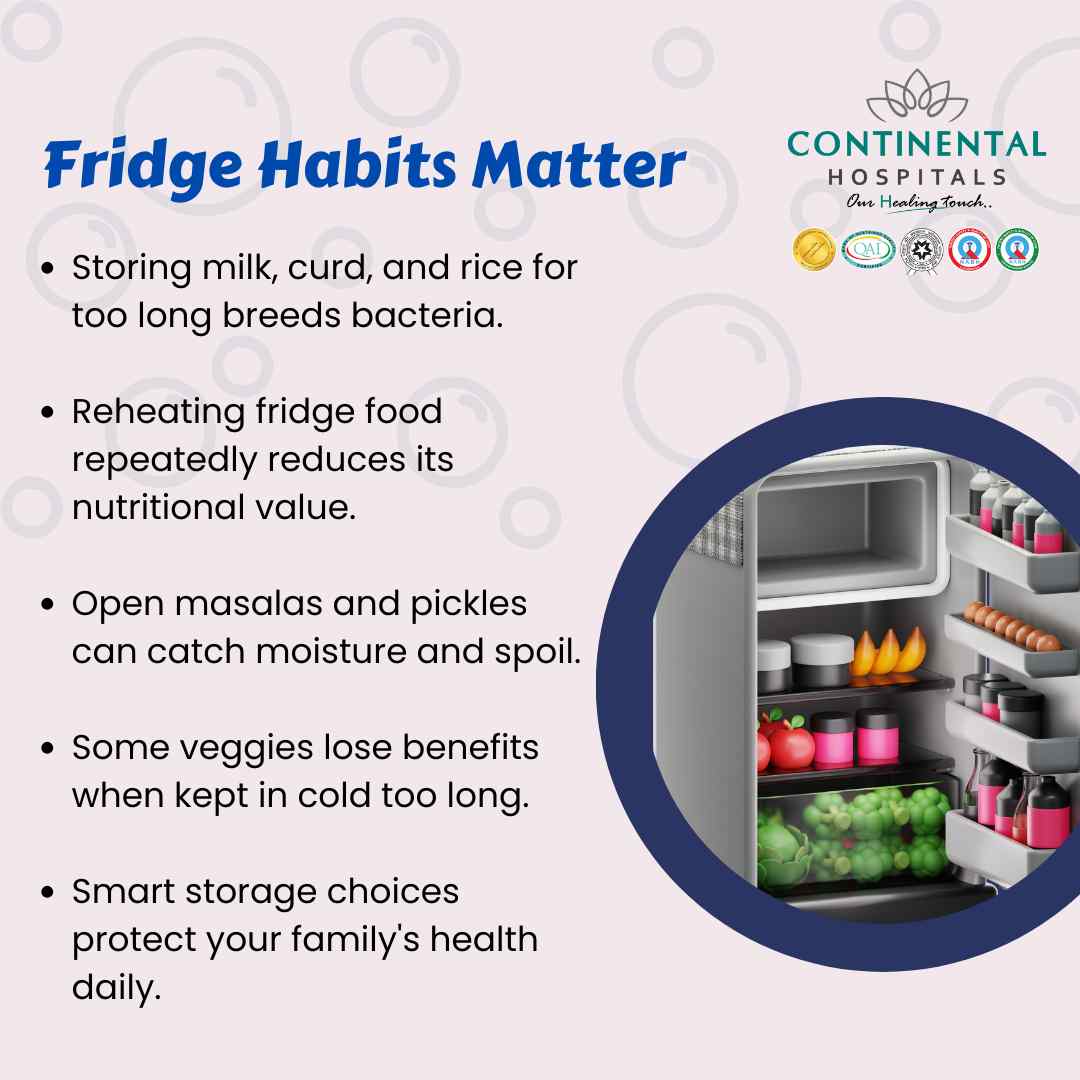
Credit: continentalhospitals.com
Organize Your Fridge Properly
Keeping your fridge organized is important for food safety. It helps prevent cross-contamination and keeps your food fresh longer.
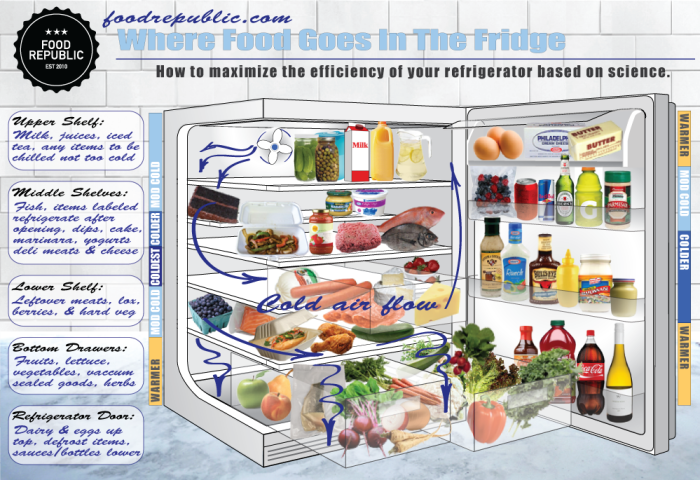
Proper fridge organization involves more than just placing items where they fit. It means knowing where to store each type of food.
Separate Raw And Cooked Foods
Raw foods like meat and seafood can carry harmful bacteria. These bacteria can easily spread to cooked foods if they are stored together.
Always keep raw foods on the bottom shelves. This prevents juices from dripping onto other foods.
- Store raw meat in sealed containers
- Place cooked foods above raw foods
- Use separate shelves if possible
Use Clear Containers
Clear containers help you see what is inside without opening them. This reduces the time your fridge door stays open.
Using clear containers also helps prevent forgetting about leftovers. You can quickly identify foods that need to be eaten soon.
- Choose BPA-free containers
- Ensure lids fit tightly
- Select stackable containers for better use of space
Label And Date Items
Labeling and dating items in your fridge is a simple step. It helps you keep track of how long food has been stored.
Use waterproof labels and a permanent marker. This ensures the labels stay readable even in cold and moist conditions.
- Include the name of the food
- Write the date it was stored
- Check labels weekly to manage freshness
Maintain Optimal Temperature
Keeping the fridge at the right temperature helps stop germs from spreading. Cold air slows down bacteria growth on food.
Proper temperature also keeps food fresh longer. This is important to avoid cross-contamination in your fridge.
Set Correct Fridge Temperature
Set your fridge temperature between 35°F and 38°F (1.7°C and 3.3°C). This range keeps food safe and fresh.
If the temperature is too high, bacteria can grow fast. If it is too low, some foods may freeze and lose quality.
Use A Thermometer
Use a fridge thermometer to check the real temperature inside. The fridge dial can be inaccurate.
Place the thermometer in the middle shelf. Check it often to make sure the temperature stays safe.
- Choose a digital or analog fridge thermometer
- Check temperature daily or weekly
- Adjust fridge settings if needed
Avoid Overpacking
Do not fill the fridge too full. Air needs space to move and keep food cold.
Overpacking stops cold air from reaching all foods. This can cause some items to spoil faster.
- Leave space between items for air flow
- Organize food so cold air circulates well
- Remove old or unused items regularly
Clean Your Fridge Regularly
Keeping your fridge clean helps stop cross-contamination. Dirt and old food can spread bacteria to fresh items.
Regular cleaning keeps food safe and your fridge smelling fresh. It also helps find expired items to throw out.
Remove Expired Items
Expired food can grow harmful germs. Throw away anything past its use-by date or that looks or smells bad.
Check all shelves and drawers often to keep your fridge safe and clean.
Sanitize Shelves And Drawers
Cleaning shelves and drawers removes germs and sticky spills. Use warm soapy water or a mild cleaner.
- Take out shelves and drawers if possible
- Wash with warm water and soap
- Dry completely before putting back
Clean Spills Immediately
Spills can spread bacteria quickly. Wipe them up right away to stop germs from spreading.
Use a clean cloth and a safe cleaner to remove all traces of spills.
Handle Food Safely Before Storage
Keeping your fridge clean and safe stops germs from spreading. Handling food carefully before storing helps keep it fresh and safe to eat.
Simple habits in the kitchen reduce the risk of cross-contamination. These habits include washing hands and utensils, cooling hot foods properly, and careful food preparation.
Wash Hands And Utensils
Always wash your hands with soap before touching food. Clean hands stop germs from spreading to food and surfaces.
Use clean utensils and dishes for each type of food. Washing knives, cutting boards, and spoons after use prevents germs from moving between foods.
- Wash hands for at least 20 seconds with soap and water
- Clean utensils with hot, soapy water after each use
- Use separate cutting boards for raw meat and vegetables
Cool Hot Foods Before Refrigerating
Let hot food cool down before placing it in the fridge. Putting hot food in the fridge can raise the temperature inside, causing other foods to spoil.
Divide large portions into smaller containers to help food cool faster. This keeps food safe and stops bacteria growth.
- Cool food at room temperature for no more than 2 hours
- Use shallow containers for quicker cooling
- Cover food loosely until fully cooled
Avoid Cross-contamination During Prep
Keep raw foods separate from ready-to-eat foods when preparing meals. This stops germs from raw food touching other foods.
Use different utensils and cutting boards for raw meat, poultry, and vegetables. Clean all surfaces well after each use to keep food safe.
- Store raw meat on the bottom shelf of the fridge
- Use separate tools for raw and cooked foods
- Clean kitchen surfaces with disinfectant after prep
Use Proper Storage Techniques
Cross-contamination in the fridge can cause foodborne illness. Proper storage helps keep food safe and fresh.
Using the right storage methods stops germs from spreading between foods. This protects your family’s health.
Store Meat On Lowest Shelf
Place raw meat on the lowest shelf of the fridge. This prevents juices from dripping onto other foods.
Keep meat in a container or tray to catch any leaks. This stops bacteria from spreading to ready-to-eat items.
Keep Fruits And Vegetables Separate
Store fruits and vegetables in different drawers or shelves. This avoids germs moving between them.
Some fruits produce gases that spoil vegetables faster. Keeping them apart keeps both fresh longer.
Seal Foods Tightly
Use airtight containers or wrap food tightly before storing. This stops odors and bacteria from spreading.
Sealing food keeps moisture in and prevents spills. It also helps food stay fresh for a longer time.
Credit: medium.com
:max_bytes(150000):strip_icc()/The-Food-Storage-Mistake-Youre-Probably-Making-Right-Now-be9c55747b09481490ea6338d6fca4fb.jpg)
Credit: www.eatingwell.com
Frequently Asked Questions
How Can I Organize My Fridge To Prevent Cross-contamination?
Store raw meat on the bottom shelf to avoid drips. Use sealed containers for all foods. Keep fruits and vegetables separate from raw proteins. Regularly clean shelves and drawers to reduce bacteria buildup.
What Cleaning Methods Stop Fridge Cross-contamination Effectively?
Use warm, soapy water or a vinegar solution for cleaning. Wipe spills immediately to prevent bacterial growth. Sanitize handles and seals weekly. Avoid harsh chemicals that can damage surfaces or leave residues.
Why Is Temperature Control Important In Preventing Cross-contamination?
Proper fridge temperature slows bacterial growth. Keep your fridge below 40°F (4°C). Use a thermometer to monitor regularly. Consistent cold temperatures reduce the risk of foodborne illnesses.
Which Storage Containers Best Prevent Cross-contamination?
Choose airtight, leak-proof containers made of glass or BPA-free plastic. Label and date all containers for better organization. Avoid using damaged or cracked containers that can harbor bacteria.
Conclusion
Preventing cross-contamination in your fridge keeps food safe and fresh. Always separate raw and cooked items to avoid germs spreading. Clean spills quickly and use sealed containers for storage. Regularly check and organize your fridge to spot potential risks. A little care goes a long way in protecting your health.
Simple steps make your kitchen safer every day. Keep your fridge clean, organized, and healthy for your family.