
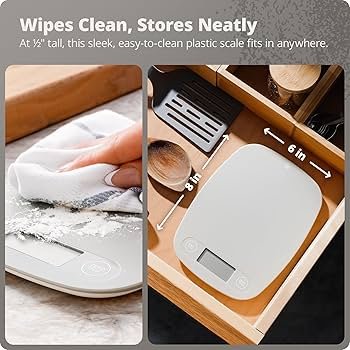
Are you struggling to keep your smart kitchen scale clean without damaging it? Your scale is an important tool that helps you measure ingredients accurately, but dirt and spills can affect its performance.
Knowing the right way to clean your smart kitchen scale will save you time and keep it working perfectly. You’ll discover simple, effective steps to clean your scale safely and maintain its accuracy for every meal you prepare. Keep reading to learn how to make your kitchen scale look and work like new again!

Credit: www.cnn.com
Preparing Your Scale
Smart kitchen scales need regular cleaning. This keeps them accurate and looking new.
Before cleaning, make sure your scale is ready. Follow these steps to prepare it properly.
Gather Cleaning Supplies
Collect all the supplies needed for cleaning. This makes the process smooth and efficient.
- Soft cloth or microfiber towel
- Mild dish soap
- Warm water
- Soft brush or toothbrush
- Q-tips for tight spots
Power Off And Unplug
Always turn off the scale before cleaning. Unplug it if it uses an adapter.
This ensures your safety and prevents damage to the scale. Be cautious around water and electronics.
:max_bytes(150000):strip_icc()/faw-kitchen-scales-primary-nsimpson-1-1-4e80d8cc755a48029ac3ac5709583fec.jpeg)
Credit: www.foodandwine.com
Cleaning The Surface
Smart kitchen scales help with precise cooking and baking. Keeping their surface clean is important for accurate readings.
Cleaning the surface carefully protects the scale and keeps it working well.
Use A Soft Cloth
Use a soft cloth to clean the scale surface. A microfiber or cotton cloth works best.
Gently wipe the surface to remove dust, spills, and fingerprints without scratching.
- Choose a clean, dry cloth
- Wipe in gentle, circular motions
- Use a damp cloth for sticky spots
- Dry the surface after cleaning
Avoid Harsh Chemicals
Do not use harsh chemicals or abrasive cleaners on the scale. They can damage the surface and sensors.
Stick to mild soap and water or special electronic-safe cleaners for best results.
- Avoid bleach, ammonia, and alcohol-based cleaners
- Do not spray liquid directly on the scale
- Use a small amount of cleaner on the cloth
- Clean regularly to prevent buildup
Cleaning The Sensors
Smart kitchen scales use sensors to measure weight accurately. Keeping these sensors clean helps maintain their precision.
Cleaning the sensors needs care to avoid damage. Use gentle methods to keep your scale working well.
Gentle Wiping Techniques
Use a soft cloth to wipe the sensors lightly. Avoid hard rubbing that might scratch or damage them.
Microfiber cloths work best because they trap dust without scratching. Dampen the cloth slightly if needed.
- Turn off the scale before cleaning
- Use a dry or slightly damp microfiber cloth
- Wipe sensors gently in a circular motion
- Do not use abrasive materials or strong chemicals
Preventing Moisture Damage
Moisture can harm the sensors and electronics inside the scale. Keep liquids away from the sensor area.
If you use a damp cloth, make sure it is not too wet. Dry the sensors quickly after cleaning to avoid water damage.
- Do not pour water directly on the scale
- Use minimal moisture when wiping
- Dry the sensor area with a dry cloth after cleaning
- Store the scale in a dry place
Dealing With Stubborn Stains
Smart kitchen scales can get dirty after frequent use. Stubborn stains may not come off easily with water alone.
Cleaning these stains carefully keeps your scale working well and looking nice. Use safe cleaning methods to avoid damage.
Mild Cleaning Solutions
Use mild cleaning solutions to remove tough stains without harming the scale. Avoid harsh chemicals that can damage the surface.
Mix a small amount of dish soap with warm water for an easy cleaning liquid. This solution is gentle and effective on stains.
- Dampen a soft cloth with the soap solution
- Wipe the stained area gently
- Rinse the cloth with clean water and wipe again
- Dry the scale with a soft towel
Using Toothbrush For Crevices
Stains can hide in small gaps and crevices of the scale. A soft toothbrush helps clean these hard-to-reach spots.
Dip the toothbrush in the mild cleaning solution. Brush gently to lift dirt and stains from crevices.
- Use a soft-bristled toothbrush only
- Brush lightly to avoid scratching
- Wipe off loosened dirt with a damp cloth
- Dry the area well after cleaning
Drying And Maintenance
Keeping your smart kitchen scale clean helps it work well. Drying and maintenance are key parts of care.
Proper drying stops water damage. Regular upkeep extends your scale’s life and accuracy.
Air Drying Tips
After cleaning, let your scale dry in a safe place. Avoid direct sunlight or heat sources.
Keep the scale flat and open to air. This stops moisture from building inside the device.
- Place the scale on a dry towel
- Leave it in a warm room, not near heaters
- Do not use hair dryers or fans
- Wait until completely dry before storing or using
Regular Cleaning Schedule
Clean your smart scale regularly to keep it accurate. A set schedule helps avoid dirt buildup.
Wipe the surface after every use and do a deeper clean weekly or biweekly.
- Use a soft, damp cloth for daily cleaning
- Remove batteries before deeper cleaning
- Check for stuck food or liquids on sensors
- Dry fully before reassembling and using again
:max_bytes(150000):strip_icc()/faw-oxo-good-grips-11lb-stainless-steel-food-scale-pull-out-display-nsimpson-47-fddd2161f20f4bfe982395c1f4676b34.jpeg)
Credit: www.foodandwine.com
Troubleshooting Common Issues
Smart kitchen scales need regular cleaning to work well. Dirt or spills can cause errors. Knowing how to clean them helps avoid problems.
Some common problems include wrong weights or the scale not turning on. Cleaning and simple fixes often solve these issues.
Calibration After Cleaning
After cleaning your smart kitchen scale, it may need recalibration. This keeps the measurements accurate. Cleaning can reset the scale’s settings.
To calibrate, place the scale on a flat surface. Use the calibration weight if your scale includes one. Follow the instructions in the user manual carefully.
- Turn on the scale and wait for zero
- Place the calibration weight gently
- Wait for the scale to adjust and show the correct weight
- Remove the weight and check if zero returns
Battery Care
Cleaning your smart kitchen scale can affect the battery if done carelessly. Moisture or cleaning fluids may cause battery problems. It is important to protect the battery area during cleaning.
Check the battery regularly. Replace weak batteries to keep the scale working well. Remove batteries if you will not use the scale for a long time to avoid leaks.
- Use a dry cloth around the battery compartment
- Do not use water or sprays near batteries
- Replace batteries when the display dims or the scale turns off
- Remove batteries if storing the scale for months
Frequently Asked Questions
How Do I Safely Clean A Smart Kitchen Scale?
Use a damp cloth with mild soap to wipe the surface. Avoid submerging the scale in water. Dry it immediately with a soft towel to prevent damage.
Can I Use Alcohol Wipes On My Smart Scale?
Yes, alcohol wipes are safe for cleaning the surface. They help disinfect without damaging electronics. Avoid excessive moisture near buttons and display areas.
How Often Should I Clean My Smart Kitchen Scale?
Clean your scale after every use to remove food residue. Regular cleaning maintains accuracy and hygiene. Wipe it gently to protect sensitive sensors.
What Should I Avoid When Cleaning A Smart Kitchen Scale?
Avoid using abrasive cleaners or harsh chemicals. Do not immerse the scale in water. Steer clear of spraying cleaners directly onto the device.
Conclusion
Keeping your smart kitchen scale clean helps it work well every day. Wipe it gently with a soft cloth and mild soap. Avoid water getting inside the device. Regular cleaning stops dirt and food from building up. This way, your scale stays accurate and lasts longer.
Small care steps save you time and money later. Clean scales make cooking and baking easier and more fun. Try these tips to keep your kitchen tool in great shape. Simple habits lead to better results in your kitchen.