
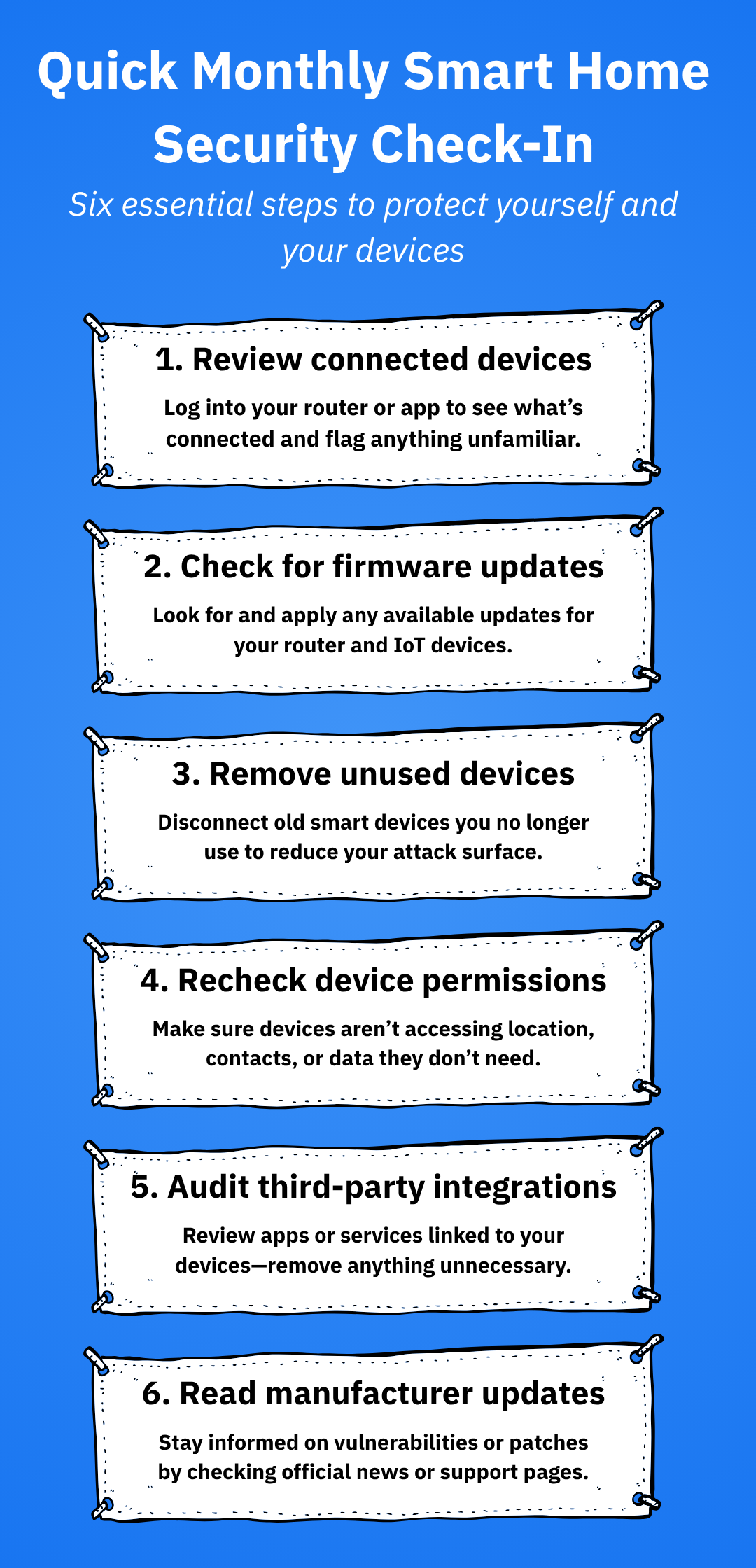
Are you struggling to get your smart devices to work smoothly with their apps? You’re not alone.
Connecting your devices shouldn’t be frustrating or confusing. Imagine controlling your home, gadgets, and routines with just a few taps—effortlessly and quickly. This guide will give you simple, practical tips to make the setup process easy and stress-free. Stick with me, and you’ll be mastering your smart devices in no time.
Ready to unlock their full potential? Let’s dive in.

Credit: www.reddit.com
Choosing Compatible Devices
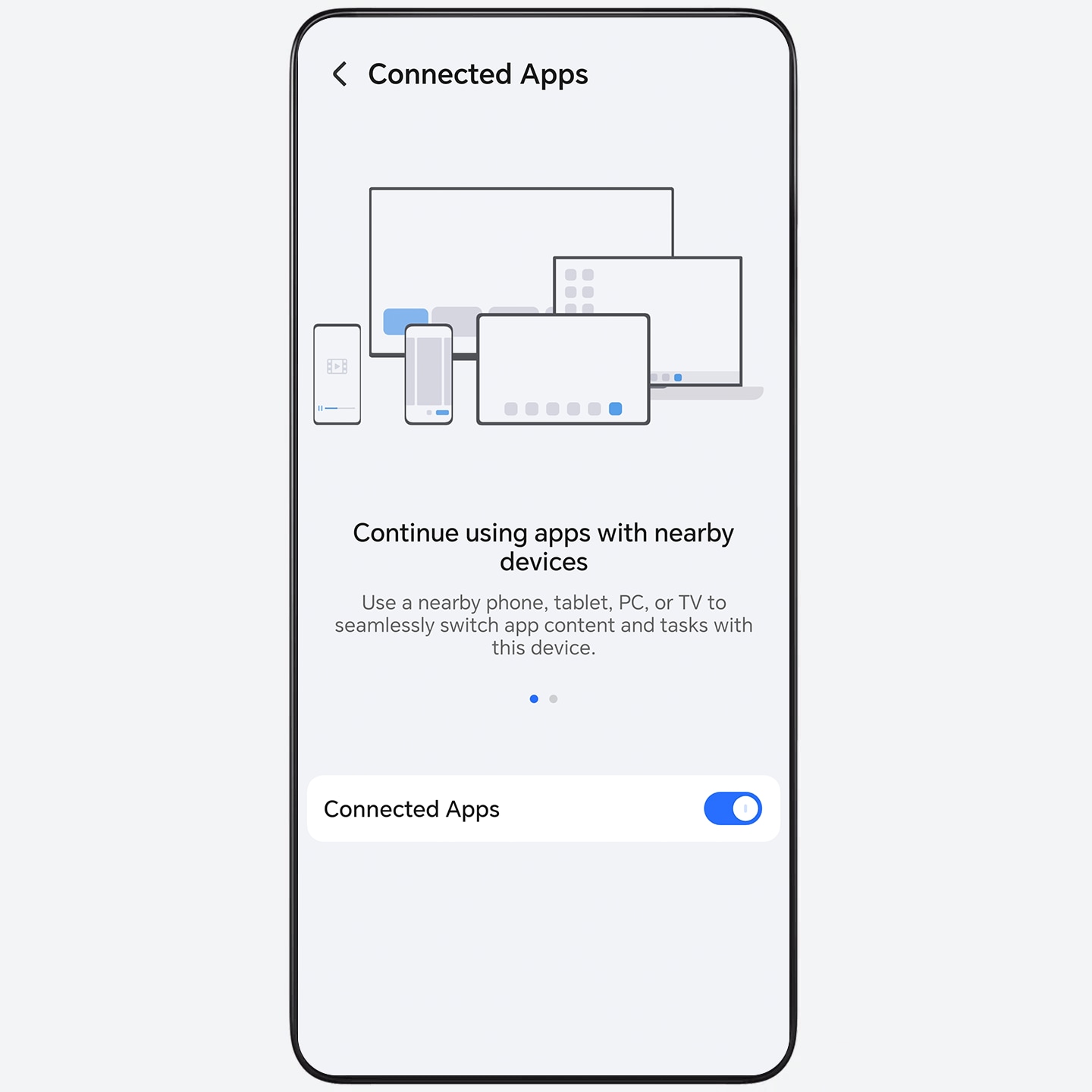
Smart devices make life easier and more efficient. To get the most out of them, ensure they are compatible with your apps.
Choosing compatible devices is crucial for seamless integration. It saves time and prevents frustration.
Checking Device Specifications
Before buying, check the device specifications. Make sure they meet your needs and work with your apps.
Look for details like processor speed and memory size. These factors affect performance and compatibility.
- Check for Bluetooth and Wi-Fi capabilities
- Ensure the device supports the latest software updates
- Verify battery life and charging requirements
Identifying Supported Apps
Not all devices support every app. Check which apps are compatible before buying your smart device.
Some apps have specific device requirements. Knowing these helps avoid app and device mismatch.
- Review the app’s compatibility list
- Look for app reviews mentioning device support
- Check the app’s website for device recommendations
Considering Network Requirements
Smart devices often rely on networks. Understanding the network needs helps ensure smooth operation.
Devices may require specific network types. Knowing these ensures your network can support the device.
- Ensure your Wi-Fi supports the device’s needs
- Check for cellular data requirements if applicable
- Confirm network security settings are compatible
Credit: www.honor.com
Preparing Your Smart Device
Before connecting your smart device to an app, it is important to prepare it properly. This helps avoid connection problems and ensures smooth setup.
Preparing includes charging the device, resetting it if needed, and turning on wireless features like Bluetooth or Wi-Fi.
Charging And Powering On
Make sure your smart device has enough battery before connecting it to an app. A low battery can cause interruptions.
Fully charge the device using the original charger or a compatible power source. After charging, power on the device by pressing the power button.
- Use the charger that came with your device
- Charge until the battery indicator shows full
- Press and hold the power button to turn on
- Wait for the device to start completely
Resetting To Factory Settings
If your smart device was used before, reset it to factory settings. This removes old data and settings that may block connection.
Resetting clears previous app links and prepares the device to pair with a new app smoothly.
- Find the reset option in the device settings menu
- Follow the on-screen instructions to confirm
- Wait for the device to restart after reset
- Do not interrupt the reset process
Enabling Bluetooth Or Wi-fi
Most smart devices connect through Bluetooth or Wi-Fi. Turn on these features before linking your device to an app.
Check your device’s settings menu to enable Bluetooth or Wi-Fi. Keep the device close to your phone or router during connection.
- Open the settings app on your smart device
- Turn on Bluetooth or Wi-Fi toggle switch
- Make sure the device is discoverable or connected to the network
- Keep the device within range of your phone or router
Downloading The Right Apps
Smart devices need the right apps to work well. Downloading the correct app helps your device connect easily.
Choosing the right app keeps your device safe and running smoothly. Use trusted sources to find apps.
Finding Official App Sources
Always download apps from official stores like Google Play or Apple App Store. These stores check apps for safety.
Search for the app made by the device maker. This ensures you get the right app for your device.
- Use Google Play for Android devices
- Use Apple App Store for iPhones and iPads
- Check the developer name to confirm authenticity
- Avoid third-party app stores to reduce risks
Updating Apps For Compatibility
Keep your apps updated to avoid connection problems. Updates fix bugs and add new features.
Set apps to update automatically if possible. This saves time and keeps your device working well.
- Check for app updates regularly
- Enable automatic updates in app store settings
- Restart your device after updates for best results
Managing App Permissions
Apps need permissions to access device features like camera or location. Review permissions carefully before allowing them.
Grant only the permissions needed for the app to work. Too many permissions can risk your privacy and security.
- Review app permissions in your device settings
- Revoke permissions that seem unnecessary
- Be cautious with apps requesting full access

Credit: www.youtube.com
Connecting Devices To Apps
Smart devices need apps to work well with your phone or tablet. Connecting them can be easy if you follow some simple tips.
This guide helps you connect your smart devices to apps smoothly and fix common problems.
Following In-app Setup Instructions
Most smart devices come with apps that guide you through setup. Follow these instructions step-by-step for the best results.
Read each screen carefully and do not skip steps. This ensures the device connects properly and works as expected.
- Open the app and create an account if needed
- Allow app permissions for location or Bluetooth
- Follow prompts to add the new device
- Complete any calibration or testing steps
Pairing Via Bluetooth Or Wi-fi
Smart devices often use Bluetooth or Wi-Fi to connect to apps. Choose the right connection type based on your device.
Bluetooth works for close-range devices. Wi-Fi is better for devices that need internet access or longer range.
- Turn on Bluetooth or Wi-Fi on your phone
- Put the device in pairing mode
- Find the device in the app or phone settings
- Select the device to connect
- Wait for confirmation of a successful connection
Troubleshooting Connection Issues
Sometimes devices do not connect as expected. Try simple fixes before seeking help.
Check your phone’s settings and the device’s status to find common problems quickly.
- Make sure Bluetooth or Wi-Fi is on
- Restart your phone and the smart device
- Move closer to the device during pairing
- Check if the device’s battery is charged
- Update the app and device firmware if available
- Reset the device and try pairing again
Optimizing Device Performance
Connecting smart devices to apps can improve how they work. Good setup helps devices run smoothly.
Optimizing performance keeps devices fast and reliable. Simple actions can make a big difference.
Regular Firmware Updates
Firmware is the software inside your smart device. It controls how the device works.
Keep firmware updated to fix bugs and add features. Updates improve security and speed.
- Check for updates often in the device app
- Install updates as soon as they are available
- Restart devices after updates to apply changes
Configuring Device Settings
Adjust device settings to match your needs. Proper settings help devices use less power and work better.
Explore options like notifications, schedules, and permissions. Set them to avoid unnecessary tasks.
- Turn off unused features to save battery
- Set schedules for automatic on/off times
- Limit app permissions for privacy and speed
Monitoring Device Status
Check your device’s status regularly in the app. Look for alerts or warnings that need attention.
Monitoring helps find problems early. Fixing them keeps devices running without interruptions.
- Review battery level and charge often
- Watch for error messages or connection issues
- Test device functions to ensure they work well
Enhancing Security And Privacy
Smart devices connect to apps to make life easier. Protecting your security and privacy is very important.
Follow simple tips to keep your information safe and control what apps can access.
Using Strong Passwords
Always use strong passwords for your smart device accounts. Avoid easy words or numbers like “1234”.
Use a mix of letters, numbers, and symbols. Change passwords regularly to stay secure.
- Make passwords at least 8 characters long
- Use uppercase and lowercase letters
- Add numbers and special characters
- Do not reuse passwords across devices or apps
Enabling Two-factor Authentication
Two-factor authentication adds an extra security step when signing in. It helps stop hackers.
You usually enter a code sent to your phone or email after your password. Turn it on for all smart apps.
- Check app settings for two-factor options
- Use an authenticator app for better security
- Keep your phone number and email updated
Managing Data Sharing Preferences
Control what information your smart devices and apps share. Only allow data needed for the app to work.
Review app permissions and turn off access to features you do not want to share.
- Open app settings to see data permissions
- Disable location or microphone access if not required
- Regularly check privacy policies of your apps
- Delete app data you no longer need
Integrating Multiple Smart Devices
Connecting many smart devices to apps can make your home smarter. It lets devices work together easily.
You can control lights, locks, and cameras from one place. This saves time and adds convenience.
Using Smart Home Hubs
A smart home hub connects many devices in one app. It acts as a central control point for your gadgets.
Hubs support different brands and types of devices. This makes managing your smart home easier and faster.
- Centralize control for lights, locks, and sensors
- Use voice assistants for hands-free commands
- Monitor all devices from one dashboard
Creating Automation Routines
Automation routines let devices work together automatically. You set rules that trigger actions at certain times.
For example, lights can turn on when you arrive home. Or the thermostat can adjust when you leave.
- Set schedules for lights and appliances
- Trigger actions based on motion or location
- Combine multiple devices in one routine
Ensuring Cross-device Compatibility
Choose devices that work with your apps and hub. Not all devices support every platform or protocol.
Check if devices use Wi-Fi, Bluetooth, or Zigbee. Matching protocols help devices connect and communicate well.
- Verify device compatibility before buying
- Use apps that support multiple brands
- Keep devices updated for better connection
Frequently Asked Questions
How Do I Connect Smart Devices To Apps Easily?
To connect smart devices, ensure both device and app support the same protocol. Use stable Wi-Fi, follow app instructions, and update firmware regularly.
Why Won’t My Smart Device Connect To The App?
Connection issues often arise from weak Wi-Fi, outdated firmware, or incorrect app setup. Restart devices and ensure they are on the same network.
What App Permissions Are Needed For Smart Device Control?
Smart device apps usually need access to Wi-Fi, location, and notifications. Granting these ensures smooth device communication and timely alerts.
Can I Connect Multiple Smart Devices To One App?
Yes, most apps support multiple devices. Add devices individually within the app, ensuring compatibility and stable network connections for each.
Conclusion
Connecting smart devices to apps is easier with clear steps. Always check your device’s compatibility before starting. Keep your app and device updated for smooth use. Strong Wi-Fi helps avoid connection problems. Take time to follow the instructions carefully. This way, your devices work well together.
Enjoy the convenience smart technology brings to your home. Small efforts lead to big benefits. Ready to connect? It’s simpler than you think.