
Choosing the right whisk can make a huge difference in your baking. If you’ve ever struggled with lumpy batter or missed the perfect fluffy texture, the problem might be your whisk.
You want a tool that feels comfortable in your hand and works well with the ingredients you use most. You’ll discover exactly how to pick the best whisk for your baking needs. By the end, you’ll know what to look for and how to avoid common mistakes—making your baking easier and more enjoyable.
Keep reading, and get ready to whisk your way to better results!
Credit: www.surlatable.com
Types Of Whisks
Choosing the right whisk helps make baking easier. Different whisks suit different tasks.
Here are the main types of whisks to know for baking.
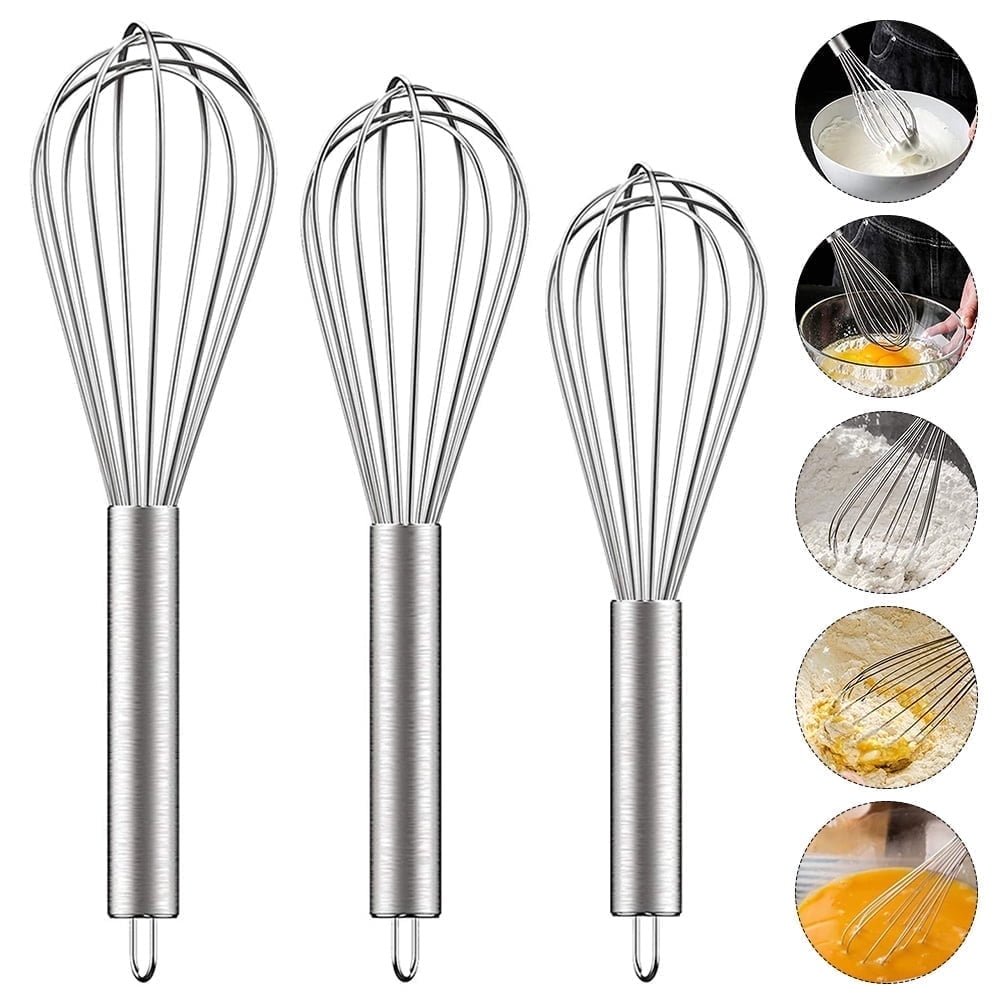
Balloon Whisk
The balloon whisk has a wide, rounded shape. It is good for whipping air into ingredients.
This whisk works well for beating eggs, cream, and light batters.
- Wide loops for more air
- Makes mixtures light and fluffy
- Good for whipping and stirring
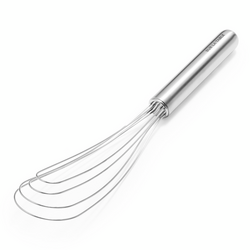
Flat Whisk
The flat whisk has a flat shape with loops close to the handle. It fits well in shallow pans.
Use it for stirring sauces and gravies to prevent lumps.
- Thin and flat design
- Great for sauces and custards
- Reaches corners of pans easily
French Whisk
The French whisk has long, thin wires that taper at the end. It is lighter than a balloon whisk.
This whisk is good for mixing batters and sauces that need gentle stirring.
- Slender, tapered wires
- Ideal for mixing and stirring
- Gives control with gentle movements
Ball Whisk
The ball whisk has wires ending in small balls. These balls help mix ingredients well.
This whisk works for thick batters and sauces that need strong stirring.
- Wires with small balls at ends
- Good for thick mixtures
- Easy to clean
Material Matters
Choosing the right whisk can make baking easier. The material of a whisk affects its durability and use.
Different materials suit different baking tasks. Learn about stainless steel, silicone, and plastic whisks.
Stainless Steel
Stainless steel whisks are strong and long-lasting. They work well with thick batters and dough.
They resist rust and can handle heat. This makes them good for hot mixtures and sauces.
Silicone
Silicone whisks are gentle on non-stick pans. They do not scratch cookware surfaces.
They are heat resistant and flexible. Silicone whisks are easy to clean and safe for dishwasher use.
Plastic
Plastic whisks are lightweight and affordable. They work best for light mixing tasks.
Plastic whisks can melt if used on hot surfaces. They are not as durable as metal or silicone options.
Handle Considerations
Choosing the right whisk handle is important for baking comfort. The handle affects how easy it is to use the whisk for long times.
A good handle can reduce hand strain and make mixing smoother. Focus on grip comfort, length, and weight to pick the best whisk.
Grip Comfort
A comfortable grip helps you hold the whisk firmly without slipping. Look for handles with soft or textured surfaces.
Materials like silicone or rubber provide better grip than smooth plastic or metal. Check if the handle feels good in your hand before buying.
- Soft or textured handles prevent slipping
- Silicone and rubber feel comfortable
- Test the handle size for your hand
Length And Weight
Handle length affects how much control you have over the whisk. Choose a length that fits your hand size and mixing style.
Weight is also important. A heavy handle can tire your hand quickly. A light handle helps you whisk longer without fatigue.
- Long handles give more reach and control
- Short handles are easier to store and hold
- Lighter handles reduce hand tiredness

Credit: www.amazon.com
Size And Shape
Choosing the right whisk size and shape helps you mix ingredients well. Different sizes work best for different tasks.
Shape affects how the whisk moves through the batter or dough. Pick one that fits your baking needs.
Wire Thickness
Thicker wires are strong and good for heavy dough or thick mixtures. Thin wires work well for light, airy batters.
Choose wire thickness based on what you usually bake. Thin wires whisk faster but may bend with thick dough.
- Thick wires: sturdy, good for heavy mixing
- Thin wires: flexible, ideal for light mixtures
- Medium wires: versatile for many tasks
Loop Configuration
The number of loops in a whisk changes how it mixes ingredients. More loops trap air and mix faster.
Fewer loops create less resistance, good for stirring without breaking ingredients.
- Balloon whisk: many loops, great for whipping air
- French whisk: fewer loops, good for sauces and batters
- Flat whisk: loops in one plane, good for pan sauces
Whisking Techniques
Whisking is an important skill in baking. It helps mix ingredients well and adds air to batter.
Using the right technique makes whisking easier and more effective. It improves your baking results.
Proper Grip
Hold the whisk handle firmly but not too tight. A relaxed grip allows smooth movement.
Place your fingers around the handle with your thumb on top. This gives good control.
- Use your dominant hand for better strength
- Keep your wrist loose to avoid strain
- Hold near the top for fast whisking
- Hold near the bottom for gentle mixing
Whipping Motion
Move the whisk in a quick circular or side-to-side motion. This traps air and blends ingredients.
Keep the whisk moving without pressing too hard. Let the wires do the work.
- Use small circles for thicker mixtures
- Use wide strokes for light batters
- Lift the whisk occasionally to add air
- Keep a steady speed to avoid splashing

Credit: millyskitchen.co.nz
Maintenance Tips
Taking care of your whisk helps it last longer and work better. Good maintenance keeps it clean and safe to use.
Simple cleaning and storage habits make a big difference. These tips help you keep your whisk in top shape.
Cleaning Methods
Wash your whisk right after use to stop batter from drying on it. Use warm, soapy water and a soft sponge to clean.
For whisks with tight wires, use a brush or toothpick to remove stuck bits. Avoid harsh scrubbers that can bend wires.
- Rinse with warm water immediately after use
- Wash with mild dish soap and a soft sponge
- Use a small brush to clean between wires
- Dry thoroughly to stop rust or damage
Storage Advice
Store your whisk in a dry place to avoid rust. Hang it or place it upright in a utensil holder to keep its shape.
Avoid storing your whisk under heavy items. This can bend the wires and reduce its effectiveness.
- Keep whisk dry before storing
- Hang whisk on a hook if possible
- Use an upright container for storage
- Do not place heavy items on top
Whisk Alternatives
Sometimes you need something different from a traditional whisk for baking. There are tools that can mix and beat ingredients well.
These tools save time and effort. They work best for larger tasks or when a whisk is not handy.
Electric Mixers
Electric mixers are powerful tools for mixing dough, batter, and cream. They come with various speed settings to control mixing strength.
You can use electric mixers for heavy or large batches. They reduce the effort and give smooth results quickly.
- Good for thick dough and heavy mixtures
- Multiple speed controls for different tasks
- Attachments like beaters and dough hooks
- Can handle large quantities
Hand Mixers
Hand mixers are smaller and easy to handle. They are perfect for light mixing tasks like whipping cream or eggs.
They are portable and simple to use. Hand mixers save space and are good for quick jobs.
- Lightweight and easy to clean
- Good for small batches
- Ideal for whipping and light mixing
- More control over mixing speed
Expert Recommendations
Choosing the right whisk is important for baking success. A good whisk helps mix ingredients well and adds air to batters.
Experts suggest looking at whisk type, size, and material before buying. These factors affect how easy and effective your whisk is.
Top Brands
Many brands make quality whisks for baking. Look for brands known for durability and good design.
- OXO: Known for comfortable handles and strong wires
- KitchenAid: Offers a variety of whisk types and sizes
- All-Clad: High-quality stainless steel whisks
- Le Creuset: Durable and colorful options
- Cuisinart: Affordable and reliable choices
User Reviews
Users often share their experiences to help others choose. Many praise whisks that feel balanced and easy to clean.
Some users prefer balloon whisks for whipping cream and egg whites. Others like flat whisks for sauces and gravies.
- Comfortable grip is a top user priority
- Stainless steel wires hold up well over time
- Whisks that fit well in bowls get better reviews
- Easy cleaning helps users avoid rust and buildup
Frequently Asked Questions
What Types Of Whisks Are Best For Baking?
Ball whisks, balloon whisks, and flat whisks are ideal for baking. Balloon whisks are great for whipping air into batters. Ball whisks work well for mixing thick doughs. Flat whisks are perfect for scraping bowls and blending ingredients smoothly.
How Do I Choose The Right Whisk Size?
Choose a whisk size based on your bowl and recipe. Small whisks suit single eggs or small bowls. Medium whisks handle typical baking tasks. Large whisks are best for big mixing bowls and heavy batters.
Why Is Whisk Material Important In Baking?
Stainless steel whisks are durable and rust-resistant, ideal for most baking. Silicone-coated whisks protect non-stick pans and are heat resistant. Choose a material that suits your cookware and baking style for best results.
Can A Whisk Affect Baking Results?
Yes, the right whisk improves mixing, aeration, and texture. It helps incorporate air for fluffy cakes and smooth batters. Using the wrong whisk can lead to uneven mixing or dense textures.
Conclusion
Choosing the right whisk makes baking easier and more fun. Think about the type of mixing you do most. A balloon whisk suits whipping cream or eggs. A flat whisk works well for sauces and batters. Also, consider the whisk’s size and handle comfort.
A good whisk lasts long and cleans easily. Try different whisks to find your favorite. Happy baking starts with the right tools!