

Are you tired of struggling with your rolling cutter, only to end up with uneven cuts and wasted material? Using a rolling cutter efficiently can save you time, reduce frustration, and make your projects look professional.
Whether you’re a beginner or have some experience, mastering a few simple tips can transform how you work. Keep reading to discover easy, practical advice that will help you get the most out of your rolling cutter every time. Your next project deserves precision and ease—let’s make that happen.
Choosing The Right Rolling Cutter
Using a rolling cutter can make cutting fabric or paper much easier. Picking the right one helps you work faster and get better results.
There are many types of rolling cutters. Each type fits different needs and materials. Knowing these can help you choose the best cutter for your work.
Types Of Rolling Cutters
Rolling cutters come in various shapes and sizes. Some are small for detail work, while others are large for cutting big pieces.
- Standard rotary cutters: Good for most fabrics and paper
- Mini rotary cutters: Perfect for small, precise cuts
- Specialty cutters: Designed for leather or thick materials
- Ergonomic cutters: Made to reduce hand strain
Material Considerations
Choose a rolling cutter based on the material you will cut. Different blades work best on certain fabrics and surfaces.
- Sharp blades cut fabric cleanly without fraying
- Stronger blades handle thick materials like leather
- Replace blades often to keep cuts smooth
- Use cutting mats to protect your blade and surface
Preparing Your Workspace
Using a rolling cutter works best in a well-prepared space. A neat workspace helps you cut fabrics with ease and safety.
Setting up your area before cutting saves time. It also prevents mistakes and accidents.
Ensuring A Clean Surface
Start by clearing the table or cutting mat. Remove dust, scraps, and any small objects.
A clean surface keeps the fabric flat and stops the cutter from snagging. It also protects your rolling cutter blade.
- Wipe the table with a damp cloth
- Use a cutting mat for better grip
- Keep the area free of pins and needles
- Clear away scraps after each cut
Proper Lighting And Positioning
Good lighting helps you see cut lines clearly. It lowers the chance of mistakes and eye strain.
Place your work where light shines evenly. Position your body so you cut comfortably without stretching.
- Use natural light or bright lamps
- Arrange light to avoid shadows on fabric
- Sit or stand in a relaxed posture
- Keep the cutter close for easy reach
Maintaining Blade Sharpness
Keeping your rolling cutter blade sharp helps you cut smoothly. A sharp blade gives cleaner cuts and saves effort.
Regular care of the blade makes your work safer and more accurate. It also extends the blade’s life.
Sharpening Techniques
You can sharpen a rolling cutter blade with special tools made for small blades. Use gentle strokes to keep the edge even.
Sharpen the blade on a flat sharpening stone or diamond plate. Move the blade across the stone at a consistent angle.
- Clean the blade before sharpening to remove dirt
- Use light pressure to avoid damaging the edge
- Sharpen both sides evenly if the blade has two edges
- Wipe the blade clean after sharpening
When To Replace The Blade
Replace the blade if it no longer cuts well after sharpening. Dull blades can cause rough cuts and accidents.
Also, change the blade if it has chips, bends, or rust. A damaged blade lowers the quality of your work.
- Blade slips or drags on the material
- Repeated sharpening does not improve cutting
- Blade has visible cracks or chips
- Rust or corrosion affects blade smoothness

Credit: www.findbuytool.com
Correct Cutting Techniques
Using a rolling cutter correctly helps you make clean and accurate cuts. It also keeps your work safe and easy.
Learning the right techniques improves your cutting speed and the quality of your projects.
Applying The Right Pressure
Press the rolling cutter firmly but not too hard. Too much pressure can damage the blade or the material.
Use enough force to cut through the fabric or paper in one smooth motion.
- Hold the cutter firmly in your hand
- Apply steady pressure along the cutting line
- Avoid pressing too hard to prevent blade damage
Angle And Speed Control
Keep the cutter at a low angle to the cutting surface. This helps the blade roll smoothly without skipping.
Cut at a slow and steady speed to maintain control and accuracy. Fast cuts can cause mistakes or jagged edges.
- Hold the cutter at about a 15 to 30 degree angle
- Move the cutter slowly along your marked line
- Keep your hand steady to avoid wobbly cuts
Safety Measures
Using a rolling cutter needs care to avoid injuries. Follow safety rules to work without accidents.
Keep your focus and use safety tools to protect your hands and fingers.
Using Safety Guards
Always use the safety guard that comes with your rolling cutter. It covers the blade when not cutting.
Safety guards stop your fingers from touching the sharp blade by mistake.
- Check that the guard is in place before cutting
- Do not remove or modify the guard
- Keep the guard clean and free of dust
- Replace the guard if it is broken or loose
Storing The Cutter Safely
Store the rolling cutter in a safe spot when not in use. This prevents accidents and keeps the blade sharp.
Keep the cutter out of reach of children and pets to avoid injuries.
- Use a blade cover or safety guard before storing
- Place the cutter in a closed box or drawer
- Store it separately from other tools
- Keep the storage area dry to prevent rust

Credit: www.grindtech.com
Efficient Fabric Cutting
Using a rolling cutter can save time and improve fabric cutting accuracy. Cutting fabric well helps your sewing projects look neat.
Learn how to cut fabric efficiently by using the right techniques. This helps reduce waste and makes cutting easier.
Layering Techniques
Cutting multiple layers of fabric at once saves time. Make sure the layers are smooth and aligned before cutting.
Use weights or pins to keep fabric layers from shifting. This keeps your cuts accurate across all layers.
- Fold fabric evenly for consistent layers
- Press fabric flat to remove wrinkles
- Secure layers with weights or pins
- Cut slowly to keep edges neat
Marking And Measuring
Mark fabric clearly before cutting. Use fabric chalk or washable markers for easy removal.
Measure twice to avoid mistakes. Use a clear ruler or measuring tape for exact lines.
- Mark all cutting lines before starting
- Check measurements for each piece
- Use straight edges for marking
- Keep tools clean for clear marks
Troubleshooting Common Issues
Using a rolling cutter can speed up your cutting tasks. Sometimes, small problems may slow you down.
Knowing how to fix these common issues helps you work better and save time.
Dealing With Jagged Edges
Jagged edges happen when the cutter blade is dull or the material slips. This makes cuts uneven and rough.
To fix jagged edges, check the blade sharpness and hold the material steady while cutting.
- Replace or sharpen the blade if it feels dull
- Use a firm, flat surface to cut on
- Hold the material tightly to stop it from moving
- Cut slowly and steadily for cleaner edges
Avoiding Skipped Cuts
Skipped cuts happen when the cutter does not cut through all layers. This forces you to cut again, wasting time.
To avoid skipped cuts, use the right blade and apply even pressure while cutting.
- Check blade type and replace if worn out
- Apply steady, firm pressure without pushing too hard
- Make multiple passes on thick materials
- Keep the cutting mat clean and flat
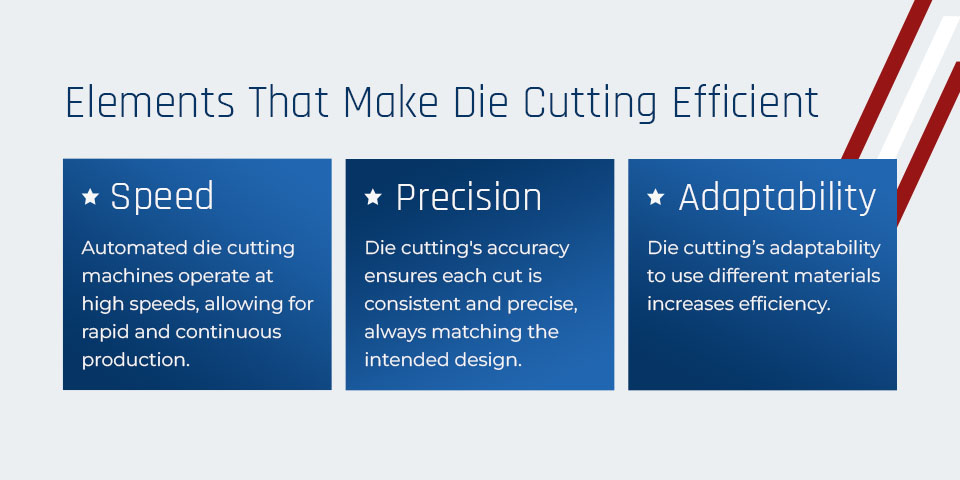
Credit: www.americanmicroinc.com
Cleaning And Care Tips
Keeping your rolling cutter clean helps it work well for a long time. Dirt and residue can dull the blade and make cutting harder.
Regular care keeps the handle smooth and safe to hold. Follow simple tips to clean and maintain your rolling cutter.
Cleaning The Blade And Handle
Remove fabric bits and threads from the blade after each use. Use a soft brush or cloth to wipe the blade carefully.
Clean the handle with a damp cloth to remove dust and dirt. Avoid using harsh chemicals that can damage the handle.
- Use rubbing alcohol on a cloth to clean sticky residue on the blade
- Dry the blade completely to prevent rust
- Keep the blade covered when not in use to avoid damage
- Wipe the handle regularly to keep it free from grime
Regular Maintenance Schedule
Check your rolling cutter every week if you use it often. Look for dull blades or loose parts.
Sharpen or replace the blade as needed. Tighten screws on the handle to keep it secure and safe.
- Clean the blade after each use
- Inspect blade sharpness weekly
- Sharpen or replace blade monthly if used daily
- Tighten handle screws every month
- Store the cutter in a dry place
Frequently Asked Questions
How Do I Maintain A Rolling Cutter Blade Sharp?
Regularly clean the blade after use and apply light oil to prevent rust. Replace the blade when it feels dull for precise cuts.
What Safety Tips Improve Rolling Cutter Use?
Always cut on a stable surface, keep fingers away from the blade, and use a ruler for straight cuts. Wear protective gloves if needed.
How To Choose The Best Rolling Cutter For Fabric?
Select a cutter with an ergonomic handle and sharp, durable blades. Consider blade size based on your project for better control.
Can I Use A Rolling Cutter On Multiple Materials?
Yes, but ensure the blade type suits the material. Replace blades if cutting thick or abrasive materials to maintain efficiency.
Conclusion
Using a rolling cutter well saves time and effort. Keep the blade sharp for clean cuts. Hold the cutter firmly and cut on a flat surface. Replace blades when they get dull to avoid mistakes. Always measure twice before cutting.
These small steps help your work look neat. Practice makes your cutting smoother and faster. Enjoy your projects with less frustration and better results.