
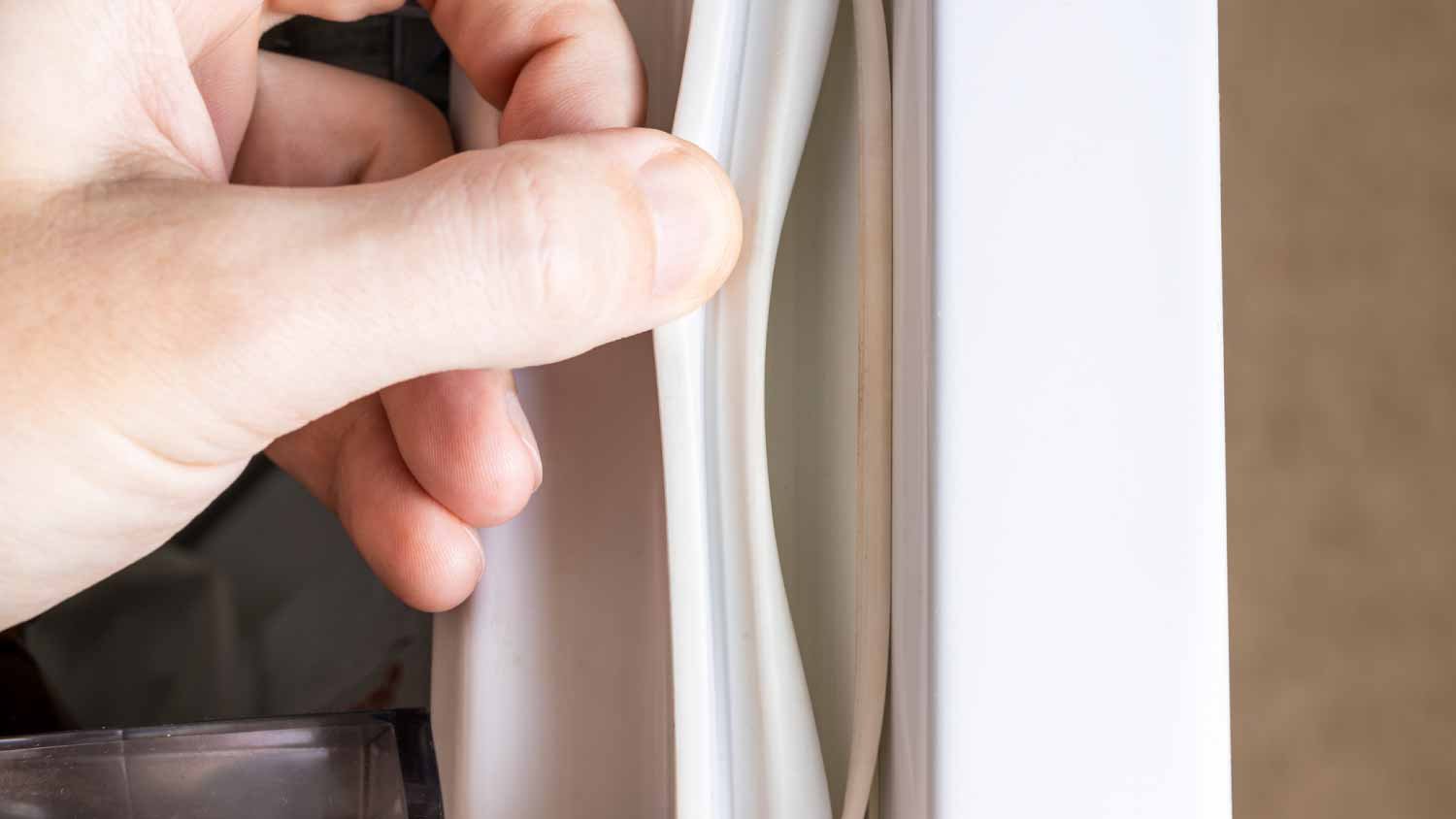
Your fridge handles and seals are touched hundreds of times every day. Yet, they often get overlooked when it comes to cleaning.
This can lead to sticky grime, unpleasant smells, and even harmful bacteria build-up. But don’t worry—keeping these areas clean is easier than you think. You’ll discover simple, effective methods to make your fridge handles and seals spotless and fresh. Ready to improve your kitchen’s hygiene and protect your family’s health?
Let’s get started.
Importance Of Cleaning Fridge Handles And Seals
Fridge handles and seals are touched many times each day. They can gather dirt, germs, and bacteria quickly.
Cleaning these areas keeps your kitchen safe and helps your fridge work well for longer.
Preventing Germ Build-up
Fridge handles are touched often, making them a hotspot for germs. Regular cleaning stops bacteria from spreading.
Wiping handles with disinfectant reduces the risk of illness for you and your family.
Maintaining Seal Effectiveness
Fridge seals keep cold air inside. Dirt and grime can damage these seals and cause leaks.
Cleaning seals prevents cracks and keeps your fridge energy efficient.
Improving Kitchen Hygiene
Dirty handles and seals can make your whole kitchen less clean. Regular cleaning stops bad smells and sticky spots.
Keeping these parts clean helps create a fresh and healthy cooking space.
Extending Fridge Lifespan
Dirt and damage on seals can make your fridge work harder. This may shorten its life.
Cleaning handles and seals keeps your fridge in good condition for many years.
Materials Needed For Cleaning
Cleaning fridge handles and seals keeps your kitchen fresh and safe. Using the right materials makes the job easy and effective.
Gather these items before you start cleaning. They help remove dirt, germs, and sticky residues.
Mild Dish Soap
Mild dish soap cleans without damaging surfaces. It removes grease and dirt from handles and seals gently.
Use a few drops mixed with warm water. This solution is safe for most fridge materials.
Soft Cloth Or Sponge
A soft cloth or sponge helps wipe surfaces without scratching. Choose one that holds water well and is easy to rinse.
Microfiber cloths are good options. They clean dirt and germs effectively.
Old Toothbrush
An old toothbrush reaches small gaps in seals and around handles. It scrubs away grime from hard-to-reach spots.
Use soft bristles to avoid damage. Dip it in soap water before scrubbing.
Baking Soda
Baking soda removes stains and odors from fridge seals. It acts as a mild abrasive without scratching.
Make a paste with water and apply gently. It freshens seals and cleans dirt.
White Vinegar
White vinegar kills bacteria and removes mold on seals. It also helps get rid of sticky residues on handles.
Dilute with water before use. Vinegar’s smell fades quickly after cleaning.
Spray Bottle
A spray bottle helps apply cleaning solutions evenly. It makes cleaning easier and less messy.
Fill it with soapy water or vinegar mix for quick spraying on handles and seals.
Paper Towels Or Dry Cloth
Use paper towels or a dry cloth to wipe off moisture after cleaning. This prevents mold and keeps surfaces dry.
Drying handles and seals well helps maintain fridge cleanliness longer.
Preparing Your Fridge For Cleaning
Cleaning fridge handles and seals is important for hygiene. Proper preparation makes the cleaning easier and safer.
This guide helps you get your fridge ready before you start cleaning its handles and seals.
Empty The Fridge Door
Remove all items from the fridge door shelves. This stops spills during cleaning and gives you space to work.
Take out magnets, notes, or decorations on the handles too. This makes cleaning easier and thorough.
Unplug The Fridge
Unplug the fridge to avoid electric shocks. It also helps the fridge warm up slightly, which loosens dirt on seals.
Wait a few minutes after unplugging before cleaning the handles and seals.
Gather Cleaning Supplies
Get all cleaning materials ready before you start. This saves time and keeps the process smooth.
- Mild dish soap
- Warm water
- Soft cloths or sponges
- Old toothbrush for tight spots
- Spray bottle (optional)
- Dry towels
Protect The Floor Area
Place a towel or mat under the fridge door. This catches drips and protects your floor from water damage.
Cleaning can cause water or cleaning solution to drip. A protective layer keeps the area clean and dry.
Step-by-step Cleaning Of Fridge Handles
Fridge handles and seals collect dirt and germs quickly. Cleaning them keeps your kitchen hygienic and fresh. It also helps your fridge last longer.
Follow these steps to clean your fridge handles and seals safely and well. Use simple tools and cleaning solutions you can find at home.
Choosing The Right Cleaning Solution
Pick a cleaning solution that removes dirt but does not damage surfaces. Avoid harsh chemicals on fridge seals and handles. Gentle cleaners work best.
Here are some safe cleaning options you can use:
- Warm water with mild dish soap
- White vinegar diluted with water
- Baking soda paste made with water
- Commercial cleaners labeled safe for kitchen appliances
Techniques For Effective Cleaning
Use soft cloths or sponges to avoid scratching. Clean handles and seals regularly to stop dirt buildup. Pay attention to corners and crevices.
Follow these cleaning tips for good results:
- Dip a cloth in your cleaning solution and wring it out well
- Wipe all handle surfaces carefully
- Use a soft brush or old toothbrush for seal grooves
- Rinse with a damp cloth to remove residue
- Dry the handles and seals with a clean towel
Cleaning Fridge Seals For Maximum Hygiene
Fridge seals can hold dirt and germs that affect food safety. Regular cleaning keeps your fridge fresh and healthy.
Cleaning fridge handles and seals helps stop mold and bacteria from growing. This keeps your kitchen safe.
Identifying Dirt And Mold
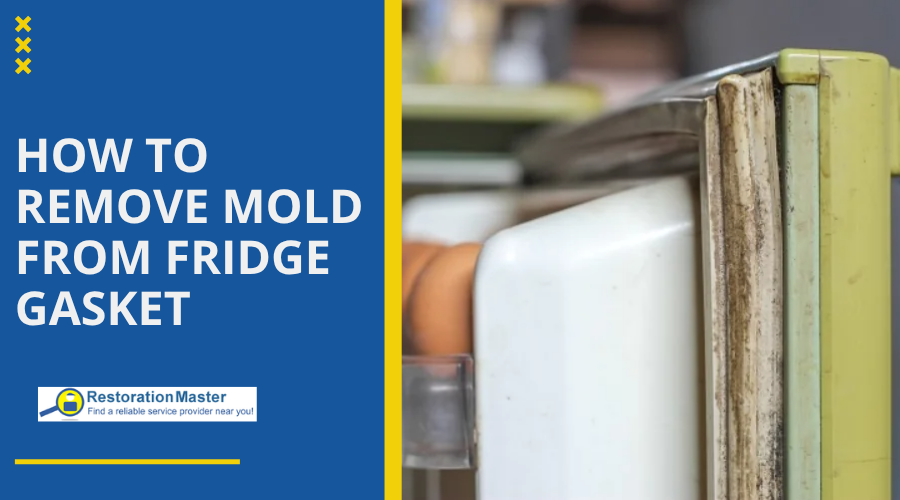
Check fridge seals for dark spots or sticky areas. These signs show dirt or mold build-up. Mold often looks fuzzy or slimy.
Look inside the creases and corners of the seals. Dirt hides in these hard-to-see places. Clean seals work better and keep cold air in.
- Dark spots or discoloration
- Sticky or slimy texture
- Musty or unusual smell
- Cracks or damage in the seal
Using Safe Cleaning Methods
Use mild soap and warm water to clean fridge seals. Avoid harsh chemicals that can damage the rubber. A soft cloth or toothbrush helps reach tight spots.
After cleaning, dry the seals well to stop mold from growing again. Clean handles often because many hands touch them daily.
- Mix mild dish soap with warm water
- Use a soft cloth or toothbrush
- Wipe all seal surfaces carefully
- Rinse with clean water
- Dry with a clean towel

Credit: sustainlifejournal.com
Tips For Maintaining Clean Fridge Handles And Seals
Fridge handles and seals can collect dirt and germs fast. Keeping them clean helps your fridge stay fresh and safe.
Regular cleaning stops bad smells and keeps the fridge door working well. Use simple steps to maintain these parts.
Use Mild Cleaning Solutions
Strong chemicals can damage fridge seals and handles. Use mild soap and warm water instead.
Mix a few drops of dish soap with warm water. This solution cleans well without harm.
Clean Handles Daily
Fridge handles touch many hands every day. Wipe them daily to reduce germs and dirt.
- Use a soft cloth with soap water
- Dry with a clean towel
- Pay attention to corners and edges
Check And Clean Seals Weekly
Seals keep cold air inside. Dirt or mold on seals can cause leaks.
Clean seals with a cloth dipped in vinegar and water. This removes mold and dirt safely.
- Mix equal parts white vinegar and water
- Use a soft cloth or toothbrush
- Wipe all seal folds carefully
- Dry seals completely to prevent mold
Avoid Harsh Scrubbing Tools
Harsh sponges or brushes can damage seals and handles. Use soft cloths or sponges only.
Soft tools clean well and protect the fridge surface from scratches.
Dry Handles And Seals After Cleaning
Moisture left on seals or handles can cause mold or rust. Always dry these parts after cleaning.
- Use a dry cloth or towel
- Check for hidden wet spots
- Keep fridge door open for a few minutes if needed
Inspect Handles And Seals Regularly
Look for cracks, tears, or loose parts on seals and handles. Fix problems early to keep your fridge working well.
Replace damaged seals to save energy and keep food fresh longer.
Common Mistakes To Avoid
Cleaning fridge handles and seals keeps your kitchen safe and fresh. Many people make errors that reduce cleaning effectiveness.
Avoiding these mistakes helps keep your fridge clean and working well longer.
Using Harsh Chemicals
Strong chemicals can damage fridge seals and handles. They may cause cracks or discoloration.
Choose mild cleaners like soap and water or vinegar solutions. These clean well without harm.
Ignoring The Seals
People often clean handles but forget the rubber seals. Seals trap dirt and mold easily.
Clean seals gently with a soft cloth and mild cleaner. This keeps them flexible and airtight.
Using Abrasive Tools
Scrubbing with rough brushes or scouring pads can scratch surfaces. This leads to damage and bacteria buildup.
Use soft sponges or microfiber cloths to clean handles and seals safely.
Skipping Regular Cleaning
Waiting too long between cleanings lets dirt and germs build up. This makes cleaning harder and less effective.
Clean fridge handles and seals at least once a week to maintain hygiene.
Not Drying Properly
Leaving moisture on seals can cause mold and mildew to grow. It also damages rubber over time.
Always dry handles and seals fully with a clean cloth after cleaning.

Credit: www.angi.com
Benefits Of Regular Cleaning
Cleaning fridge handles and seals often keeps your kitchen safe and fresh. Dirt and germs build up quickly on these spots.
Regular cleaning stops bad smells and helps your fridge last longer. It also keeps your food safe from bacteria.
Prevents Germ Buildup
Fridge handles and seals touch hands and food all the time. Germs and bacteria can grow on these areas fast.
Cleaning them stops the spread of germs. This helps keep your family healthy and reduces sickness.
Maintains Fridge Efficiency
Dirt on seals can stop the fridge door from closing tightly. This lets cold air escape and wastes energy.
Cleaning seals keeps the door sealed well. Your fridge works better and uses less electricity.
Prevents Bad Odors
Food spills and dust on handles and seals can cause bad smells. These odors spread inside the fridge.
Regular cleaning removes spills and dirt. This keeps your fridge smelling fresh and clean.
Extends Fridge Life
Grime and mold can damage seals and handles over time. This leads to costly repairs or fridge replacement.
Cleaning these parts carefully stops damage. It helps your fridge work well for many years.
Credit: restorationmasterfinder.com
Frequently Asked Questions
How Often Should Fridge Handles And Seals Be Cleaned?
Fridge handles and seals should be cleaned weekly to prevent bacteria buildup. Regular cleaning keeps your fridge hygienic and functioning well.
What’s The Best Cleaner For Fridge Handles And Seals?
A mild detergent mixed with warm water works best. Avoid harsh chemicals to prevent damage and maintain safety.
How Do I Clean Stubborn Grime On Fridge Seals?
Use a soft brush or toothbrush with warm soapy water. Gently scrub to remove dirt without harming the seals.
Can Vinegar Be Used To Clean Fridge Handles And Seals?
Yes, diluted vinegar effectively kills germs and removes residue. It’s a natural, safe alternative to chemical cleaners.
Conclusion
Cleaning fridge handles and seals keeps your kitchen fresh and safe. Regular wiping stops germs and dirt from building up. Use mild soap and warm water for best results. Don’t forget to dry the area well after cleaning. Small efforts make a big difference in hygiene.
Keep your fridge looking good and working well. A clean fridge means healthier food and a happier home. Try these simple steps often to enjoy a fresh kitchen every day. Easy to do, easy to keep up.