
Are you ready to transform your kitchen into a brighter, smarter space? Choosing the right smart kitchen lighting can completely change how you cook, eat, and enjoy your time in the heart of your home.
But with so many options out there, it’s easy to feel overwhelmed. What if you could pick the perfect lighting that saves energy, fits your style, and makes your kitchen more functional—all at once? Keep reading, and you’ll discover simple, practical tips that help you make the best choice for your kitchen lighting.
Your dream kitchen is just a few smart decisions away!

Credit: www.lowes.com
Importance Of Kitchen Lighting
Good kitchen lighting makes cooking and cleaning easier. It helps you see your food clearly.
Proper lighting also creates a warm and welcoming space for family and friends.
Improves Safety
Bright kitchen lighting helps you avoid accidents. You can see knives and hot surfaces clearly.
Proper light reduces the risk of cuts and burns during food preparation.
Enhances Food Preparation
Good lighting shows food colors and textures better. This helps you cook food perfectly.
You can check if meat is cooked or vegetables are fresh with clear lighting.
Creates A Pleasant Atmosphere
Lighting sets the mood in your kitchen. Warm lights make the space cozy and inviting.
Bright lights help you stay alert and focused during cooking and cleaning tasks.
Increases Kitchen Functionality
Good lighting allows you to use your kitchen at any time of day. It supports all kitchen activities.
Layered lighting, like task and ambient lights, gives flexibility for different needs.
- Task lighting for counters and sinks
- Ambient lighting for overall brightness
- Accent lighting to highlight design features
Types Of Kitchen Lighting
Choosing the right lighting is key for a smart kitchen design. Different lighting types serve different purposes.
Good kitchen lighting improves safety and makes cooking easier. It also adds style and warmth to your space.
Ambient Lighting
Ambient lighting provides overall illumination for the kitchen. It lights up the entire room evenly and softly.
Ceiling lights like flush mounts or recessed lights are common choices for ambient lighting. They create a comfortable base light.
Task Lighting
Task lighting focuses on areas where you do work, such as countertops and sinks. It helps you see details clearly.
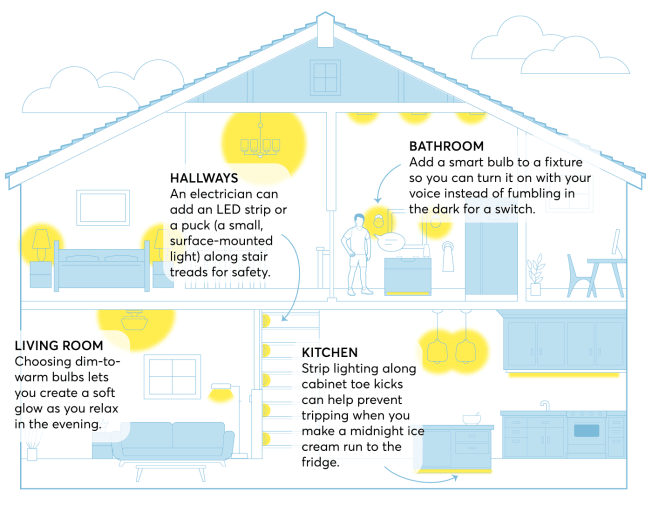
Under-cabinet lights and pendant lights over the island are great for task lighting. They reduce shadows and brighten workspaces.
- Under-cabinet LED strips
- Adjustable pendant lights
- Track lighting with focused beams
Accent Lighting
Accent lighting highlights certain features in your kitchen. It adds depth and draws attention to design elements.
Use spotlights or small LED lights inside glass cabinets or over artwork. Accent lighting creates a warm, inviting mood.
- Cabinet interior lights
- Wall-mounted sconces
- Recessed spotlights
Energy-efficient Lighting Options
Smart kitchen lighting saves energy and lowers bills. Choosing the right lights helps the environment.
Energy-efficient options use less electricity and last longer. This section covers two popular choices.
Led Lights
LED lights use very little energy compared to old bulbs. They also last many years without burning out.
They come in many styles and colors. LED lights give bright light without heating the room.
- Use up to 80% less energy than incandescent bulbs
- Last about 25 times longer
- Offer bright and clear light for cooking tasks
- Produce very little heat, keeping kitchens cool
Smart Bulbs
Smart bulbs connect to Wi-Fi or Bluetooth. You can control them with a phone or voice assistant.
They adjust brightness and color to save energy. You can set schedules to turn them off automatically.
- Allow dimming to reduce power use
- Change colors for different kitchen moods
- Can be programmed to turn off when not needed
- Help lower energy costs with smart control

Credit: www.thenaptimereviewer.com
Choosing The Right Fixtures
Choosing the right kitchen lighting fixtures helps you see clearly. It also sets the mood in your kitchen space.
Good fixtures combine style and function. They provide enough light for cooking and other tasks.
Pendant Lights
Pendant lights hang from the ceiling. They work well over kitchen islands or dining areas.
Choose pendant lights that match your kitchen style. They can be simple or decorative.
- Provide focused light for tasks
- Add style and visual interest
- Available in many shapes and sizes
Recessed Lights
Recessed lights fit into the ceiling. They create a clean look without taking space.
Use recessed lights to brighten the whole kitchen. Space them evenly for good coverage.
- Good for general lighting
- Keep the ceiling uncluttered
- Work well with other light types
Under-cabinet Lights
Under-cabinet lights shine directly on counters. They help you see while preparing food.
These lights reduce shadows on work surfaces. Choose LED strips or puck lights for this purpose.
- Improve task lighting on counters
- Easy to install and energy efficient
- Make your kitchen safer and brighter
Lighting Placement And Layering
Good kitchen lighting helps you see clearly and makes the space feel welcoming. It works best when you use different types of light in the right places.
Layering light means combining ceiling, task, and accent lights. This creates a balanced look and improves usability in the kitchen.
Ceiling Fixtures
Ceiling fixtures provide general light for the whole kitchen. They make sure the space is bright and easy to move around in.
Choose fixtures that spread light evenly. Recessed lights or flush mounts work well for most kitchens.
- Use multiple fixtures for large kitchens
- Place lights near work areas
- Opt for dimmable options to adjust brightness
Countertop Illumination
Light on countertops helps with cooking and food prep. It reduces shadows so you can work safely and easily.
Under-cabinet lights are a good choice. They shine light directly on the counters without glare.
- Install lights under cabinets or shelves
- Use LED strips or puck lights
- Choose warm white bulbs for a cozy feel
Highlighting Features
Accent lighting draws attention to special kitchen features. It adds depth and style to the space.
Use spotlights or small fixtures to highlight artwork, backsplashes, or open shelves.
- Place lights above or below features
- Use adjustable fixtures for flexibility
- Keep lights subtle to avoid glare
Smart Technology Integration
Smart kitchen lighting uses modern technology to improve your cooking space. It lets you control lights easily and saves energy.
Choosing the right smart lighting means looking for features that fit your needs. These features include voice commands, apps, and brightness controls.
Voice-controlled Systems
Voice-controlled lights let you turn lights on and off with your voice. You can also change colors or brightness hands-free.
This system works well when your hands are busy. It adds convenience and makes your kitchen safer.
App-based Controls
App controls let you manage your kitchen lighting from your phone or tablet. You can turn lights on or off anywhere.
Apps often have features to set schedules or create lighting scenes. This helps match light to your daily routines.
- Turn lights on before you enter
- Set lights to dim after dinner
- Save energy with automatic schedules
Adjustable Brightness
Adjustable brightness lets you change how bright your kitchen lights are. You can have bright light for cooking and dim light for dining.
This feature helps create the right mood and saves electricity. Some smart lights adjust brightness automatically based on time or activity.
Balancing Functionality And Aesthetics
Choosing smart kitchen lighting means finding a balance. You want lights that work well and look good.
Good lighting helps with cooking and adds style to your kitchen space.
Harmonizing With Decor
Smart lights should match your kitchen’s style. They should fit with colors and materials.
Choose lighting shapes and finishes that blend with cabinets, walls, and appliances.
- Pick colors that complement your kitchen theme
- Use fixtures that match cabinet styles
- Consider the size and shape of lighting to fit the space
Ensuring Adequate Light Levels
Good kitchen lighting needs enough brightness for tasks. Lights should not be too dim or too harsh.
Use a mix of light types to cover all areas well. Adjustable brightness is a good feature.
- Use bright lights over work areas like counters
- Add softer lights for dining or relaxing spaces
- Choose dimmable smart bulbs for control
- Consider light temperature for a warm or cool look
Cost Considerations
Choosing smart kitchen lighting means thinking about the cost. You should balance price with quality and features.
Good lighting can save money over time and make your kitchen look better. This guide helps you understand costs.
Budget-friendly Options
You can find smart kitchen lights that do not cost too much. Look for simple models with basic features.
Start with lights that fit your kitchen size and needs. Avoid extra features that you will not use.
- Choose LED bulbs for low power use and long life
- Pick plug-and-play lights to skip complex installation
- Buy from trusted brands with good reviews
- Look for sales or discounts online and in stores
Long-term Savings
Smart kitchen lighting can save money over time by using energy well. They last longer than regular bulbs.
Using timers and dimmers lowers electricity bills. You pay less for power while keeping good light.
- LED smart bulbs use less electricity than old bulbs
- Smart controls let you turn off lights when not needed
- Adjust brightness to save energy during the day
- Long-lasting bulbs reduce replacement and repair costs
Diy Vs. Professional Installation
Choosing the right lighting for your kitchen is important. You also need to decide how to install it.
You can install smart kitchen lighting yourself or hire a professional. Both options have benefits.
Benefits Of Diy
Installing smart kitchen lighting yourself saves money on labor costs. It lets you work at your own pace.
DIY gives you control over the project. You can customize the setup to fit your exact needs.
- Lower installation cost
- Flexible schedule
- Hands-on experience
- Complete control over placement
Advantages Of Hiring Professionals
Professionals have the skills to install smart lighting safely and correctly. They know electrical codes well.
They can spot problems and fix them quickly. Professional installation often comes with a warranty.
- Ensures safety and code compliance
- Faster and efficient installation
- Problem detection and fixes
- Warranty and support services

Credit: www.designcafe.com
Frequently Asked Questions
What Are The Best Smart Lighting Options For Kitchens?
LED smart bulbs and under-cabinet strip lights are ideal. They offer brightness control and energy efficiency. Choose bulbs compatible with voice assistants for convenience.
How To Choose Smart Kitchen Lighting Color Temperature?
Pick a color temperature between 2700K and 4000K. Warm light (2700K) creates a cozy feel. Neutral light (3500K-4000K) improves task visibility without harshness.
Can Smart Kitchen Lights Save Energy Effectively?
Yes, smart kitchen lights save energy. They use LED technology and allow scheduling. You can dim or turn off lights remotely, reducing unnecessary usage.
How Important Is Brightness Control In Smart Kitchen Lighting?
Brightness control is crucial for kitchen tasks. Adjustable lighting helps create ambiance and improves visibility. It also reduces eye strain during food preparation.
Conclusion
Choosing smart kitchen lighting improves both style and function. Think about brightness, color, and control options first. Good lighting makes cooking safer and more enjoyable. It also saves energy and fits your kitchen’s look. Take time to compare features and prices carefully.
The right lights create a warm, inviting space. Bright ideas lead to better meals and happy moments. Smart lighting suits any kitchen size or style. Start simple, then add features as you learn. Your kitchen deserves lighting that works well every day.