
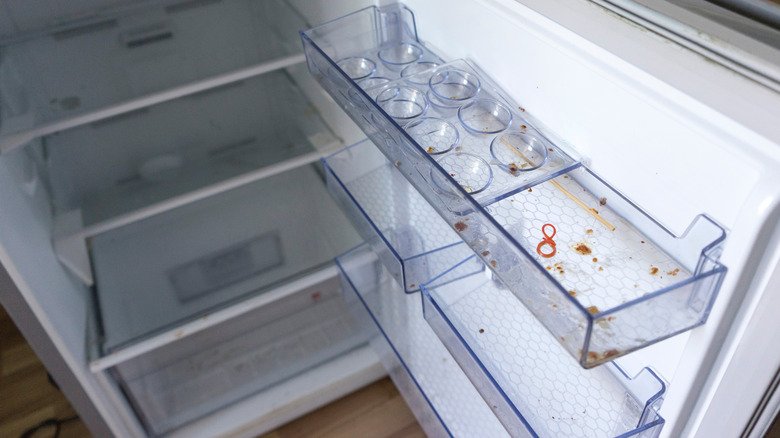
Your fridge is one of the busiest spots in your home, working hard every day to keep your food fresh. But when was the last time you gave your fridge shelves and drawers a good clean?
If you’re like most people, it’s probably been a while. Dirt, spills, and crumbs can build up quickly, making your fridge less efficient and even causing unpleasant odors. Don’t worry—cleaning your fridge shelves and drawers doesn’t have to be a chore.
You’ll discover simple, effective tips that make the job quick and easy. Ready to freshen up your fridge and keep your food safe? Let’s get started!

Credit: www.youtube.com
Preparation Steps
Cleaning fridge shelves and drawers keeps your food fresh and safe. It also helps your fridge work well.
Before you start cleaning, prepare the right tools and follow simple steps. This makes cleaning easier.
Empty The Fridge
Take out all food and drinks from the fridge. Check expiration dates and throw away old items.
Place perishable foods in a cooler with ice to keep them cold during cleaning.
Gather Cleaning Supplies
Use mild soap, warm water, and a soft cloth or sponge to clean shelves and drawers. Avoid harsh chemicals.
- Mild dish soap
- Warm water
- Soft sponge or cloth
- Clean towels
- Optional: baking soda for odor removal
Unplug The Fridge
For safety, unplug your fridge before cleaning. This stops electricity flow and avoids accidents.
Keep the fridge door open while you clean to air it out and speed drying.
Remove Shelves And Drawers
Take out all removable shelves and drawers carefully. Check the fridge manual if you need help.
Cleaning these parts outside the fridge is easier and more thorough.
Prepare A Cleaning Area
Set up a clean space with a sink or large basin for washing shelves and drawers. Use towels to catch drips.
Organize your cleaning supplies nearby to avoid interruptions during cleaning.
Essential Cleaning Supplies
Cleaning your fridge shelves and drawers is easier with the right supplies. Using simple tools helps remove dirt and keep your fridge fresh.
Gather these cleaning supplies before you start. They will save time and make the process smooth.
Mild Dish Soap
Mild dish soap cleans grease and stains without damaging surfaces. It is safe for most fridge materials.
Mix the soap with warm water to create a gentle cleaning solution. Avoid harsh chemicals that can leave odors.
Soft Sponges Or Cloths
Use soft sponges or cloths to scrub shelves and drawers. They clean well without scratching glass or plastic.
Microfiber cloths work best because they absorb dirt and dry quickly. Avoid rough scrubbers that can cause damage.
Baking Soda
Baking soda helps remove odors and stains inside your fridge. It is a natural and safe cleaning agent.
Sprinkle baking soda on a damp cloth to scrub tough spots. You can also leave an open box inside the fridge to absorb smells.
Plastic Or Silicone Scraper
A plastic or silicone scraper removes stuck-on food without scratching surfaces. It helps clean corners and edges easily.
Use gentle pressure to avoid damage. Metal tools can scratch and should not be used inside the fridge.
Spray Bottle
A spray bottle lets you apply cleaning solutions evenly on shelves and drawers. It controls the amount of liquid used.
Fill it with warm water and soap mixture or vinegar solution. This makes cleaning quick and less messy.
Dry Towels Or Paper Towels
Dry towels or paper towels help wipe off moisture after cleaning. They prevent water spots and keep surfaces dry.
Use clean towels to avoid spreading dirt back onto the shelves or drawers.
Emptying The Fridge
Cleaning fridge shelves and drawers starts with emptying the fridge. Removing all items helps you clean every corner well.
Take time to check each item for freshness. This step prevents bad smells and keeps food safe.
Remove All Food Items
Take out all food and drinks from the fridge. Use a cooler bag if you need to keep items cold.
Place perishable items in a safe spot to avoid spoilage during cleaning.
Check Expiration Dates
Look at expiration dates on all products. Throw away anything that is expired or spoiled.
This step helps keep your fridge fresh and reduces waste inside the appliance.
Organize Items By Type
Sort food into groups like dairy, vegetables, and drinks. Grouping helps you put items back neatly.
- Dairy products together
- Fresh vegetables in one place
- Beverages in a separate group
Prepare Containers For Storage
Use containers or bags to hold smaller items. This prevents spills and keeps the fridge tidy.
Label containers if needed to know what is inside quickly.

Credit: www.espares.co.uk
Removing Shelves And Drawers
Cleaning your fridge shelves and drawers is easier when you remove them first. Taking them out helps you reach every corner and clean thoroughly.
It is important to remove shelves and drawers carefully. This prevents damage and makes the cleaning process safe and simple.
Check Your Fridge Manual
Look at your fridge manual before removing shelves and drawers. It shows you how to take them out safely. If you do not have a manual, check the brand’s website.
Some shelves slide out easily. Others may need you to lift or press clips to release them. Knowing this helps avoid breaking parts.
Clear Items From Shelves And Drawers
Remove all food and containers from shelves and drawers before taking them out. This makes them lighter and easier to handle.
Clear shelves reduce the chance of spills or dropping items while cleaning.
Slide Shelves Out Gently
Pull fridge shelves out slowly. Use both hands to keep them steady. Avoid forcing them if they feel stuck.
If a shelf has locks or clips, press or lift them to unlock. This stops damage to the glass or plastic shelves.
Remove Drawers Carefully
Pull drawers out fully until they stop. Then lift the front slightly to slide them out of their tracks.
Some drawers have stops or catches. Check for these before pulling hard. Lifting helps release the drawer easily.
Clean Shelves And Drawers Outside The Fridge
Take shelves and drawers to a sink or cleaning area. Use warm soapy water to wash them well. Rinse and dry fully before putting back.
- Use a soft sponge or cloth
- Avoid harsh scrubbing to prevent scratches
- Dry completely to stop mold or smells
Cleaning Solutions
Keeping your fridge shelves and drawers clean helps keep food fresh. Choosing the right cleaning solution is important.
Some cleaning solutions are safe and easy to use. Others may damage surfaces or leave harmful residues.
Mild Dish Soap And Warm Water
Mild dish soap mixed with warm water is gentle and effective. It removes grease and food stains without harsh chemicals.
Use a soft cloth or sponge to clean shelves and drawers. Rinse with clean water and dry with a towel.
Baking Soda Solution
Baking soda helps remove odors and light stains. Mix two tablespoons of baking soda in one quart of warm water.
Wipe down fridge surfaces with this solution. It is safe and leaves a fresh scent behind.
White Vinegar Mixture
White vinegar is a natural disinfectant. Mix equal parts of white vinegar and water in a spray bottle.
Spray the solution on shelves and drawers. Wipe with a clean cloth to remove bacteria and stains.
Lemon Juice For Freshness
Lemon juice has natural antibacterial properties. It also adds a fresh smell to the fridge.
Mix lemon juice with water and use it to clean surfaces. Avoid using lemon on marble or stone shelves.
Avoid Harsh Chemicals
Do not use bleach or strong chemicals. They can damage fridge surfaces and leave harmful residues.
Stick to natural or mild cleaning solutions to keep your fridge safe and clean.
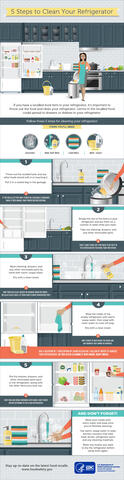
Credit: extension.msstate.edu
Tackling Stubborn Stains
Cleaning fridge shelves and drawers can be hard when stains do not come off easily. Stubborn stains need special care and the right cleaning tools.
Using simple household items helps remove tough stains without damaging your fridge parts.
Use Baking Soda Paste
Baking soda is gentle and effective for cleaning fridge stains. Make a paste by mixing baking soda with water.
Apply the paste to the stain and let it sit for 10-15 minutes. Then scrub gently with a soft cloth or sponge.
Try White Vinegar Spray
White vinegar breaks down grease and food stains. Fill a spray bottle with equal parts vinegar and water.
Spray the stain and wait a few minutes. Wipe clean with a damp cloth. Vinegar also removes odors.
Use Lemon Juice For Brightening
Lemon juice has natural bleaching properties that lighten stains. Squeeze fresh lemon juice on the spot.
Let it sit for 5-10 minutes before wiping with a damp cloth. Lemon also adds a fresh scent.
Scrub Gently With A Soft Brush
Use a soft brush or old toothbrush to scrub stains without scratching shelves or drawers. Work in small circles.
- Avoid hard brushes that can damage surfaces
- Test on a small area first
- Use light pressure to prevent scratches
Remove Sticky Residue With Dish Soap
Sticky stains often come from spills. Use warm water with a few drops of dish soap to loosen sticky spots.
Soak a cloth in the soapy water and place it on the stain for a few minutes. Wipe clean and rinse with water.
Drying And Reassembling
After cleaning fridge shelves and drawers, drying them is very important. Proper drying stops moisture that can cause mold or odors.
Reassembling the fridge parts carefully helps keep everything organized and working well. This step also prevents damage to the shelves and drawers.
Drying Shelves And Drawers Thoroughly
Use a clean towel or cloth to dry all parts after washing. Make sure to dry corners and edges well.
Let the shelves and drawers air dry for a few minutes to remove leftover moisture. Avoid putting wet parts back in the fridge.
- Wipe with a dry, soft cloth
- Check for water in corners and crevices
- Allow air drying for 10 to 15 minutes
Reassembling Shelves And Drawers Correctly
Place shelves and drawers back in their original spots. Make sure they fit snugly and lock into place if needed.
Handle glass shelves carefully to avoid cracks. Check that drawers slide smoothly after reassembly.
- Match each part to its original place
- Insert shelves level and secure them
- Test drawer movement before closing
Organizing Contents Efficiently
Cleaning fridge shelves and drawers gives you a chance to organize your food. Keeping items tidy helps you find what you need fast.
Good organization also keeps food fresh longer and reduces waste. Use simple tips to arrange your fridge well.
Group Similar Items Together
Put like foods in the same area. For example, keep dairy products on one shelf and vegetables in one drawer.
This makes it easier to see what you have and what you need to buy.
- Place fruits and vegetables in separate drawers
- Keep sauces and condiments on one shelf or door
- Store raw meat in a bottom drawer to avoid drips
Use Clear Containers And Labels
Clear containers help you spot food quickly. Labels show what is inside and the date it was stored.
This prevents food from getting forgotten and spoiling.
- Use stackable clear bins for small items
- Label containers with content and date
- Group leftovers in similar containers
Keep Frequently Used Items At Eye Level
Place foods you use often where you can see and reach them easily. This saves time and reduces fridge mess.
Less used items can go on higher or lower shelves.
- Put milk, juice, and snacks at eye level
- Store rarely used sauces or jams higher up
- Keep meal ingredients together for easy cooking
Avoid Overcrowding Shelves And Drawers
Leave space between items so air can flow. This helps keep food fresh and fridge cool.
Too many items make it hard to find things and clean spills.
- Remove expired or old food regularly
- Use bins to group small items neatly
- Only store what fits comfortably on shelves
Use Drawer Dividers For Better Sorting
Dividers split drawers into sections for different foods. This stops items from mixing and spilling.
They help keep fruits, vegetables, and deli meats separate and neat.
- Insert plastic or wire dividers in large drawers
- Assign each section to a type of food
- Adjust dividers as needed for different items
Maintaining Freshness
Keeping your fridge shelves and drawers clean helps keep food fresh longer. Dirt and spills can cause odors and bacteria.
Regular cleaning stops mold and keeps your fridge smelling nice. It also helps you spot expired food quickly.
Remove All Items First
Take everything out before you clean. This stops spills from spreading and lets you clean all surfaces well.
Check expiration dates while removing food. Throw away anything that is old or spoiled to keep freshness.
Use Mild Cleaning Solutions
Use gentle cleaners like warm water and mild soap. Avoid harsh chemicals that can leave harmful residues.
A mixture of water and baking soda also works well. It cleans and neutralizes odors without strong smells.
Clean Shelves And Drawers Separately
Remove shelves and drawers if possible. Wash them in the sink for a deep clean.
- Use a soft sponge to avoid scratches
- Rinse well to remove soap
- Dry completely before putting back
Wipe Fridge Interior Thoroughly
Use a clean cloth to wipe inside the fridge after removing shelves. Pay attention to corners and seals.
Cleaning these areas stops bacteria build-up and keeps the fridge environment fresh for your food.
Dry Everything Before Reassembling
Make sure shelves and drawers are fully dry before putting them back. Moisture can cause mold and bad smells.
Use a clean towel or air dry them in a warm place. This step helps keep your fridge fresh longer.
Troubleshooting Common Issues
Cleaning fridge shelves and drawers can be tricky. Some common problems make the job harder.
Knowing how to fix these issues saves time and keeps your fridge fresh and clean.
Stubborn Stains That Won’t Come Off
Some stains stay even after wiping. These often come from spilled sauces or juices.
Use a mix of baking soda and water to scrub gently. Let it sit for 10 minutes before scrubbing.
- Make a paste with baking soda and water
- Apply to the stain and wait 10 minutes
- Use a soft cloth or sponge to scrub
- Rinse with warm water and dry
Drawers That Are Hard To Remove
Drawers can get stuck due to dirt or ice buildup. This makes cleaning difficult.
Try sliding the drawer gently side to side to loosen it. Warm water on the rails can melt ice.
- Pull drawer slowly and evenly
- Use a damp cloth to clean rails
- Apply warm water if ice blocks movement
- Check for broken parts if stuck tightly
Bad Odors After Cleaning
Sometimes a fridge smells bad even after cleaning. This comes from hidden spills or mold.
Use white vinegar or lemon juice to wipe shelves and drawers. Air the fridge by leaving the door open for a while.
- Wipe with vinegar or lemon juice
- Remove all food and clean thoroughly
- Let the fridge air out with the door open
- Place a box of baking soda inside to absorb smells
Glass Shelves That Crack Or Break
Glass shelves can crack if cleaned with harsh tools or hit hard objects.
Use soft cloths and avoid dropping heavy items on shelves. Clean with gentle soap and warm water.
- Do not use abrasive scrubbers on glass
- Clean with soft cloth and mild soap
- Avoid placing heavy items suddenly
- Replace cracked shelves immediately
Sticky Residue Left Behind
Sticky residue can come from sugary spills or melted food. It makes shelves feel dirty.
Use warm water and dish soap to remove stickiness. For tough spots, try rubbing alcohol on a cloth.
- Wash shelves with warm, soapy water
- Use rubbing alcohol for sticky spots
- Rinse and dry shelves completely
- Clean spills right away to prevent residue
Frequently Asked Questions
How Often Should I Clean Fridge Shelves And Drawers?
Clean fridge shelves and drawers every 1-2 weeks. Regular cleaning prevents bacteria buildup and food odors. It keeps your fridge hygienic and fresh.
What’s The Best Cleaner For Fridge Shelves?
Use a mild dish soap mixed with warm water. Avoid harsh chemicals that can damage surfaces or leave residues. Natural cleaners like vinegar also work well.
How Do I Remove Tough Stains From Fridge Drawers?
Soak drawers in warm soapy water for 10-15 minutes. Then gently scrub stains with a soft sponge or cloth. Avoid abrasive tools to prevent scratches.
Can I Clean Fridge Shelves In The Dishwasher?
Yes, many glass and plastic shelves are dishwasher safe. Check the manufacturer’s instructions before placing them in the dishwasher. Use a gentle cycle to avoid damage.
Conclusion
Cleaning fridge shelves and drawers keeps your food fresh and safe. Regular cleaning stops bad smells and sticky messes. Use mild soap and warm water for best results. Take out shelves and drawers carefully before washing. Dry everything well to avoid mold and germs.
Keep your fridge neat by cleaning it often. A clean fridge saves money and time. Simple steps make fridge cleaning easy and quick. Start today for a fresher, healthier kitchen.