
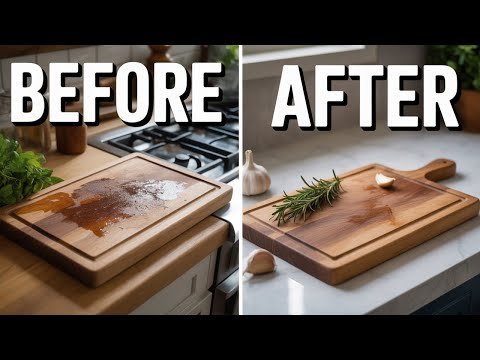
Your kitchen cutting board is one of the most used tools when preparing meals, but it can also be a hotspot for harmful bacteria. If you don’t disinfect it properly, you could be risking your health without even knowing.
Imagine slicing your fresh veggies or juicy chicken on a surface that isn’t truly clean. Scary, right? You’ll discover simple, effective ways to disinfect your cutting boards and keep your kitchen safe. By the end, you’ll feel confident that every meal you prepare starts on a clean, healthy surface.
Let’s get your cutting boards spotless and protect your family from hidden germs!
Types Of Cutting Boards
Cutting boards come in different materials. Each type needs care to stay clean and safe.
Knowing how to disinfect your cutting board helps stop germs from spreading in your kitchen.
Wooden Boards
Wooden cutting boards are durable and gentle on knives. They can absorb moisture, so cleaning is important.
Use hot soapy water and scrub the surface well. Dry it completely to prevent bacteria growth.
- Clean with hot soapy water after each use
- Disinfect with vinegar or diluted bleach solution
- Dry board standing up to air dry fully
- Oil board regularly to protect the wood
Plastic Boards
Plastic boards are easy to clean and dishwasher safe. They do not absorb liquids like wood does.
Use hot water and dish soap for cleaning. You can disinfect plastic boards with a bleach solution or in the dishwasher.
- Wash with hot soapy water or use dishwasher
- Disinfect with diluted bleach or vinegar
- Replace when deep cuts appear to avoid germs
Bamboo Boards
Bamboo boards are hard and eco-friendly. They resist knife marks but need careful cleaning.
Clean bamboo with warm soapy water. Avoid soaking to protect the board from cracking.
- Wash with warm soapy water, then rinse
- Do not soak or put in dishwasher
- Use vinegar to disinfect and remove odors
- Dry board standing up for full air drying
Glass Boards
Glass cutting boards are easy to clean and do not absorb stains. They are very hard on knives.
Wash glass boards with hot soapy water or in the dishwasher. They can be disinfected with bleach or vinegar safely.
- Clean with hot soapy water or dishwasher
- Disinfect with diluted bleach or vinegar
- Be careful—glass boards can be slippery
- Not recommended for frequent chopping due to knife damage
Importance Of Disinfection
Kitchen cutting boards can carry germs from raw foods. Cleaning alone does not remove all bacteria.
Disinfecting cutting boards helps keep your kitchen safe and healthy.
Preventing Cross-contamination
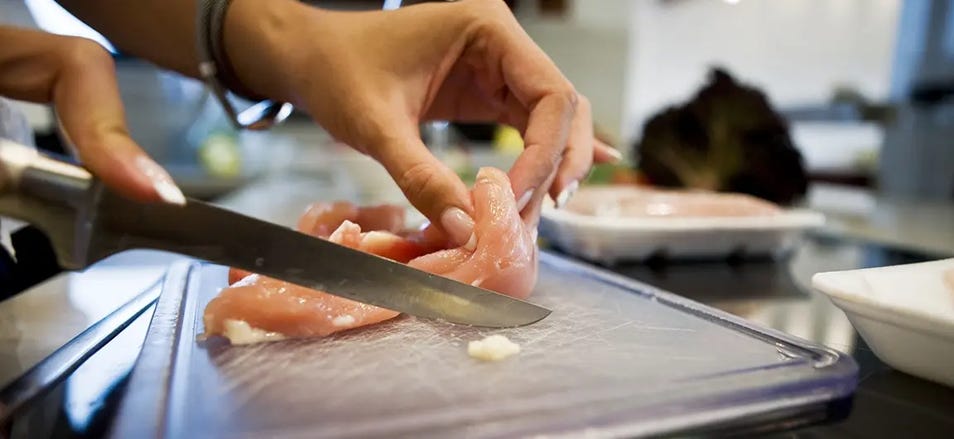
Cross-contamination happens when germs spread from one food to another. Cutting boards can transfer bacteria from raw meat to vegetables.
Disinfecting stops germs from spreading. It keeps foods from mixing harmful bacteria.
- Use separate boards for meat and vegetables
- Disinfect boards after each use
- Clean boards well before disinfecting
Ensuring Food Safety
Disinfecting cutting boards kills bacteria that cause food poisoning. This step lowers the risk of illness.
Safe food means your family stays healthy and avoids stomach problems.
- Use food-safe disinfectants like diluted bleach or vinegar
- Let the disinfectant sit for a few minutes
- Rinse and dry the board before using again
Extending Board Lifespan
Regular disinfection helps keep your cutting board in good shape. It prevents stains and bad smells.
Proper care can make your board last longer and save money.
- Avoid harsh chemicals that can damage the board
- Dry the board completely after cleaning
- Oil wooden boards to protect the surface
Daily Cleaning Routine
Keeping your kitchen cutting boards clean every day helps stop germs. A simple routine makes sure your boards stay safe for food.
Follow these easy steps after each use to keep your cutting boards fresh and clean.
Rinsing After Use
Rinse your cutting board under warm water right after use. This removes leftover food bits and stops stains.
Do not let food dry on the board. Quick rinsing makes cleaning easier and keeps bacteria away.
Using Dish Soap
Apply dish soap to the board and scrub with a sponge or brush. Use warm water to help lift grease and germs.
Clean all sides, including the edges. This ensures no bacteria hide in cracks or grooves.
- Use a separate sponge for cutting boards
- Scrub thoroughly for at least 20 seconds
- Rinse soap off completely
Drying Properly
Dry your cutting board well after washing. Use a clean towel or air dry it standing up.
Proper drying stops moisture, which can cause bacteria to grow. Store the board in a dry spot.
Credit: www.lysol.com
Deep Cleaning Methods
Cleaning kitchen cutting boards helps keep your food safe. Deep cleaning removes germs and stains.
Use strong cleaning solutions carefully. These methods kill bacteria and keep your board fresh.
Using Vinegar Solution
Vinegar kills many bacteria on cutting boards. It is safe and natural to use on wood and plastic boards.
Spray or wipe white vinegar on the board. Let it sit for a few minutes, then rinse with water.
- Use undiluted white vinegar
- Apply evenly to all surfaces
- Wait 5 to 10 minutes before rinsing
Bleach Solution Guidelines
Bleach is strong and kills most germs. Use a mild bleach solution to disinfect cutting boards safely.
Mix one tablespoon of bleach with one gallon of water. Soak or wipe the board, then rinse well with water.
- Wear gloves when using bleach
- Use fresh bleach solution each time
- Do not mix bleach with other cleaners
- Rinse thoroughly to avoid bleach taste
Hydrogen Peroxide Application
Hydrogen peroxide kills bacteria and removes stains. It works well on plastic and wood cutting boards.
Apply 3% hydrogen peroxide directly to the board. Let it bubble for a few minutes, then rinse with water.
- Use 3% concentration only
- Apply enough to cover the surface
- Allow 5 minutes contact time
- Rinse well with clean water
Baking Soda Paste
Baking soda cleans and deodorizes cutting boards. It helps remove tough stains and odors.
Make a paste with baking soda and water. Scrub the board, then rinse and dry it well.
- Mix three parts baking soda with one part water
- Use a brush or sponge to scrub
- Rinse thoroughly to remove residue
- Dry completely before storing
Natural Disinfection Alternatives
Cleaning kitchen cutting boards is important to stop germs. Natural ways can disinfect without harsh chemicals.
These options use simple ingredients you may have at home. They keep your cutting boards safe and fresh.
Lemon And Salt Scrub
Lemon juice is acidic and kills many bacteria on cutting boards. Salt acts as a scrub to remove food bits and stains.
To use, sprinkle salt on the board. Cut a lemon in half and rub it over the salt. Let it sit for a few minutes, then rinse with warm water.
- Use coarse salt for better scrubbing
- Rub lemon juice into all board surfaces
- Rinse well to remove salt and lemon residue
- Dry the board completely before storing
Essential Oils Uses
Essential oils like tea tree and lavender have natural antibacterial properties. They can help disinfect cutting boards safely.
Add a few drops of essential oil to water. Use this mix to wipe your cutting board. Let it air dry for full effect.
- Tea tree oil fights bacteria and mold
- Lavender oil adds a fresh scent and cleans
- Mix 3-5 drops with one cup of water
- Do not use undiluted oils directly on boards
Board Maintenance Tips
Keeping your kitchen cutting boards clean and well-maintained helps them last longer. Proper care also prevents bacteria buildup and keeps food safe.
Follow simple steps to protect your boards and keep them in good shape every day.
Regular Oil Treatment
Oiling wooden cutting boards prevents cracking and warping. It also creates a barrier against moisture and bacteria.
Use food-safe mineral oil or cutting board oil. Apply it evenly and let it soak overnight for best results.
- Clean the board before oiling
- Apply oil with a clean cloth or paper towel
- Use oil once a month or when the board looks dry
Avoiding Dishwasher Damage
Do not put wooden or bamboo boards in the dishwasher. Heat and water can cause them to crack and warp.
Wash boards by hand using warm water and mild soap. Dry them immediately with a towel to stop moisture damage.
- Do not soak boards in water
- Use a scrub brush for tough stains
- Dry boards standing up or on a rack
Storage Best Practices
Store cutting boards in a dry place with good air flow. Proper storage stops mold and keeps boards fresh.
Avoid stacking boards flat if they are still damp. Use vertical racks or hooks to save space and let air circulate.
- Keep boards away from direct sunlight
- Store boards upright for better drying
- Clean and dry boards before storing
Signs You Need A New Board
Cutting boards are a kitchen essential. They get worn out over time from daily use. It is important to know when to replace your board to keep your kitchen safe and clean.
Some signs show your cutting board is no longer safe to use. These signs include deep grooves, stubborn stains, and bad smells. Watch for these problems to decide if you need a new board.
Deep Grooves And Cracks
Cutting boards can develop deep cuts and cracks from knives. These grooves trap food and bacteria. It is hard to clean these areas well.
If your board has many deep grooves or cracks, it is time to replace it. These gaps can cause foodborne illness if not cleaned properly.
Persistent Stains
Stains from food and liquids can soak into your cutting board. Some stains do not go away even after washing. This shows the board is worn out.
Persistent stains can hold bacteria and affect the flavor of your food. A new cutting board helps keep your food fresh and safe.
Lingering Odors
Cutting boards can absorb smells from foods like garlic and fish. If the bad smell stays after cleaning, it means the board is old.
Lingering odors can make your food taste strange. Replace the board if you cannot get rid of the smell with regular cleaning.

Credit: homewithgraceandjoy.com

Credit: homewithgraceandjoy.com
Frequently Asked Questions
How Often Should I Disinfect Kitchen Cutting Boards?
Disinfect kitchen cutting boards after each use, especially after raw meat or poultry. Regular cleaning prevents bacteria buildup and cross-contamination, ensuring food safety.
What Is The Best Disinfectant For Cutting Boards?
Use a solution of one tablespoon bleach per gallon of water. Alternatively, white vinegar or hydrogen peroxide are effective natural disinfectants for cutting boards.
Can I Disinfect Wooden Cutting Boards Safely?
Yes, disinfect wooden boards with diluted bleach or vinegar. Avoid soaking wood in water to prevent warping or cracking. Dry thoroughly after cleaning.
Is Dishwasher Safe For Disinfecting Cutting Boards?
Plastic cutting boards can be disinfected in the dishwasher using hot water. Wooden boards should not be put in dishwashers as high heat can damage them.
Conclusion
Keeping your kitchen cutting boards clean helps stop germs from spreading. Use soap, hot water, and safe disinfectants often. Dry boards well to avoid bacteria growth. Replace old or deeply damaged boards for safety. Clean boards make cooking safer and healthier.
Simple steps keep your kitchen fresh every day. Stay safe and enjoy cooking with clean tools.