
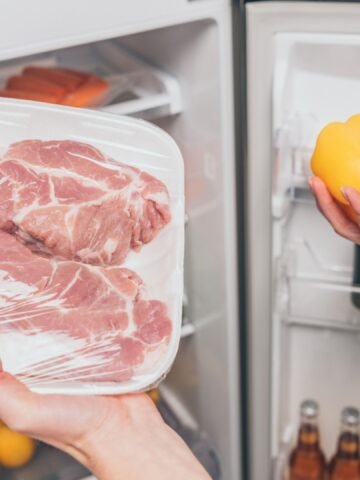
Are you sure you’re storing raw meat in your fridge the right way? How you keep raw meat can make a big difference—not just for taste, but for your health.
If it’s not stored properly, harmful bacteria can grow quickly, putting you and your family at risk. You’ll learn simple, practical tips to store your raw meat safely and keep it fresh longer. Keep reading to protect your food and enjoy every meal with confidence.
Choosing The Right Storage Containers
Storing raw meat safely in the fridge keeps it fresh and prevents germs. Using the right containers helps stop leaks and odors.
Good containers also make it easy to organize your fridge and find meat quickly.
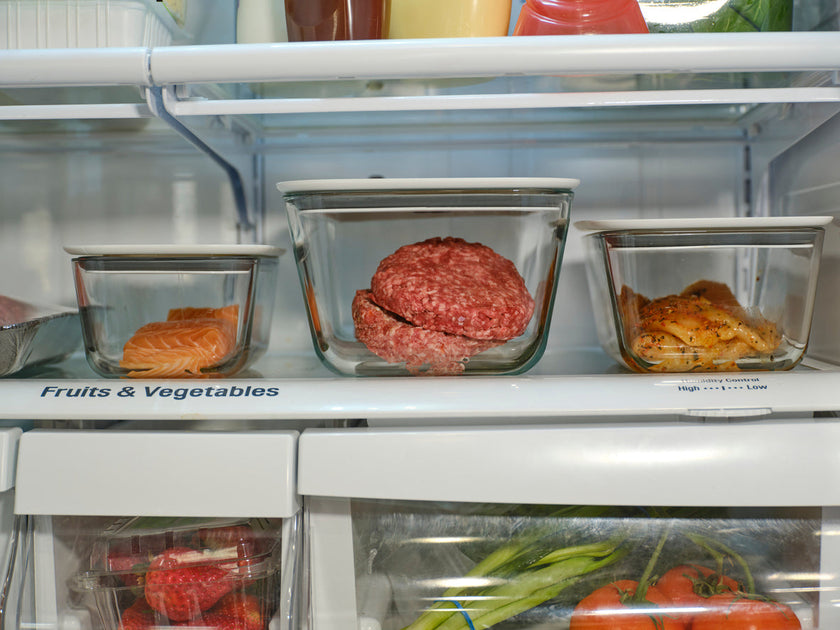
Use Airtight Containers
Airtight containers keep air out and stop meat from drying. They also prevent smells from spreading in the fridge.
Look for containers with tight lids that snap or screw on firmly.
Choose Leak-proof Containers
Raw meat can drip juices that may contaminate other foods. Leak-proof containers keep all liquids inside safely.
Containers with silicone seals or locking clips work well to stop leaks.
Pick Food-safe Materials
Containers should be made from materials safe for raw meat. Glass, BPA-free plastic, or stainless steel are good choices.
Avoid containers that may react with meat or release harmful chemicals.
Opt For Stackable Containers
Stackable containers save fridge space and keep meat organized. They help prevent spills by fitting securely on top of each other.
- Look for uniform shapes and sizes
- Containers with flat lids stack better
- Clear containers let you see contents easily
Use Containers With Labels Or Space For Labels
Labeling containers helps track meat types and storage dates. This practice reduces waste and improves food safety.
Choose containers with built-in label areas or use removable stickers.
Credit: www.lemon8-app.com
Optimal Temperature Settings
Storing raw meat at the right temperature keeps it fresh and safe to eat. The fridge must be cold enough to stop bacteria growth.
Setting your fridge to the correct temperature helps prevent food poisoning and spoilage. It also keeps the meat’s texture and flavor.
Ideal Fridge Temperature For Raw Meat
Raw meat should be stored at or below 40°F (4°C). This temperature slows bacterial growth and keeps the meat safe longer.
Many refrigerators have a default setting around 37°F (3°C). This is perfect for storing raw meat safely.
Use A Thermometer To Monitor Temperature
Not all fridge dials show the exact temperature. Use a fridge thermometer to check if it stays cold enough for meat.
- Place the thermometer in the middle of the fridge
- Check the temperature daily
- Adjust fridge settings if above 40°F (4°C)
Avoid Temperature Fluctuations
Keep the fridge door closed as much as possible. Opening the door lets warm air in and raises the temperature.
Temperature changes can cause bacteria to grow faster and spoil raw meat quickly.
Store Raw Meat On The Lowest Shelf
The bottom shelf is usually the coldest part of the fridge. It also stops meat juices from dripping onto other foods.
- Place raw meat in a sealed container
- Keep it on the bottom shelf only
- Check temperature regularly to ensure safety
Preventing Cross-contamination
Storing raw meat safely in the fridge stops germs from spreading. Cross-contamination can cause food poisoning.
It is important to keep raw meat away from cooked foods and ready-to-eat items.
Separate Raw And Cooked Foods
Keep raw meat apart from cooked foods to avoid germs mixing. Use different containers or wrap raw meat tightly.
Never place cooked food above raw meat in the fridge. This stops drips from raw meat touching cooked items.
Use Designated Shelves
Store raw meat on the bottom shelf of the fridge. This prevents juices from dripping onto other foods below.
Use separate shelves for raw and cooked foods. Label shelves if needed to keep them organized.
- Bottom shelf: raw meat in sealed containers
- Middle shelves: cooked foods and leftovers
- Top shelf: ready-to-eat items like fruits and dairy
Proper Wrapping Techniques
Storing raw meat correctly keeps it fresh and safe. Wrapping meat properly stops air and bacteria from spoiling it.
Using the right wrapping method helps keep your fridge clean and your meat tasty for longer.
Using Plastic Wrap
Plastic wrap is a common way to cover raw meat. It seals the meat tightly to stop air from reaching it.
Wrap the meat in plastic wrap, pressing it close to the surface. Make sure there are no gaps or holes.
- Use a fresh piece of plastic wrap for each package.
- Wrap the meat tightly to avoid air pockets.
- Label the package with the date for tracking freshness.
Benefits Of Vacuum Sealing
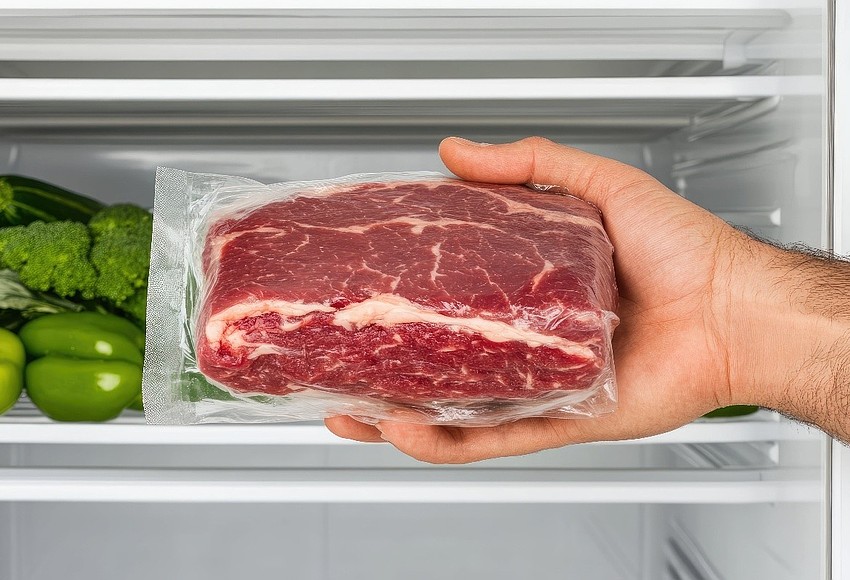
Vacuum sealing removes all air from the package. This slows down bacteria growth and keeps meat fresh longer.
This method also prevents freezer burn and preserves the meat’s flavor and texture.
- Extends meat shelf life in the fridge or freezer.
- Keeps meat safe from contamination.
- Reduces waste by preserving quality.
Monitoring Storage Duration
Storing raw meat safely helps prevent food sickness. Keeping track of how long meat stays in the fridge is very important.
Knowing when to use or discard meat stops harmful bacteria from growing. This guide explains how to monitor storage time well.
Understanding Shelf Life
Raw meat has a limited shelf life in the fridge. This means it stays safe to eat only for a few days.
Different types of meat last different amounts of time. Fresh beef or pork can last up to 3 to 5 days. Ground meat and poultry last about 1 to 2 days.
- Keep beef and pork for 3 to 5 days
- Use ground meat within 1 to 2 days
- Poultry should be eaten in 1 to 2 days
- Store meat at or below 40°F (4°C)
Signs Of Spoilage
Raw meat that goes bad can look, smell, and feel different. Spotting these signs helps avoid eating spoiled meat.
Common signs include bad smell, slimy texture, and color changes. If you see these, throw the meat away.
- Foul or sour smell
- Sticky or slimy surface
- Gray, green, or brown color
- Swollen or damaged packaging
Credit: grassrootscoop.com
Organizing The Fridge For Safety
Storing raw meat correctly in the fridge helps keep it fresh and safe to eat. Organizing your fridge reduces the risk of cross-contamination.
Proper storage also slows bacteria growth and keeps your kitchen clean. Learn how to label and arrange raw meat for safety.
Labeling And Dating Packages
Label each package of raw meat with the type and date of purchase. This helps you use the oldest meat first and avoid spoilage.
Use waterproof markers or labels that stick well in cold conditions. Make sure the writing is clear and easy to read.
- Write the purchase or freeze date on each package
- Include the type of meat (chicken, beef, pork, etc.)
- Use labels that stay on in the fridge
- Place labels on the top or side of packages
Effective Arrangement Strategies
Place raw meat on the bottom shelf of the fridge. This prevents juices from dripping onto other foods.
Keep raw meat separate from cooked foods and ready-to-eat items. Use containers or trays to catch any leaks.
- Store raw meat in sealed containers or plastic bags
- Put meat on the lowest shelf to avoid drips
- Keep different types of meat apart to prevent mixing
- Do not overload the fridge; air must circulate
Maintaining Fridge Cleanliness
Storing raw meat in the fridge needs careful cleaning. A clean fridge stops germs from spreading.
Keeping your fridge clean helps keep your food safe and fresh for longer.
Use Separate Containers For Raw Meat
Always put raw meat in sealed containers. This stops juices from leaking and contaminating other foods.
Plastic or glass containers with tight lids work best to keep your fridge clean.
Clean Spills Immediately
Wipe up any raw meat spills right away. This prevents bacteria from spreading in your fridge.
Use warm water and soap or a disinfectant to clean the area well.
Regularly Clean Fridge Shelves
Take out shelves and drawers to clean them every week. This removes hidden bacteria and stains.
- Use mild detergent and warm water
- Dry shelves completely before putting them back
- Clean fridge walls and door seals too
Store Raw Meat On The Bottom Shelf
Put raw meat on the lowest shelf to stop drips from reaching other foods.
This simple step helps keep your fridge clean and safe.
Use Fridge Liners For Easy Cleaning
Place liners on shelves under raw meat. They catch spills and make cleaning faster.
- Use washable or disposable liners
- Replace liners after cleaning spills
- Keep liners flat and secure
Credit: northpennnow.com
Emergency Measures For Power Outages
Power outages can cause raw meat to spoil quickly. It is important to act fast to keep meat safe.
Knowing how to store raw meat during a blackout can prevent food waste and illness.
Keep The Fridge Door Closed
Do not open the fridge door during a power outage. This keeps cold air inside longer.
A closed fridge can keep food safe for up to four hours without power.
Use Ice Packs Or Dry Ice
Place ice packs or dry ice in the fridge to maintain a low temperature. This helps keep meat cold.
- Do not handle dry ice with bare hands
- Use gloves or cloth when placing dry ice
- Keep dry ice in a well-ventilated area
Store Meat In A Cooler
Move raw meat to a cooler with ice if the power outage lasts long. This keeps the meat cold.
Keep the cooler in a cool place and avoid opening it often to keep the cold air inside.
Check Meat Temperature Regularly
Use a food thermometer to check if raw meat stays below 40°F (4°C). Safe temperature prevents bacteria growth.
Throw away meat that feels warm or smells bad to avoid food poisoning.
Plan Ahead For Outages
Keep a thermometer in your fridge and freezer. It helps you know the temperature during power loss.
- Store extra ice packs in your freezer
- Have coolers ready for emergencies
- Label meat with date to track freshness
Frequently Asked Questions
How Long Can Raw Meat Stay In The Fridge?
Raw meat can stay fresh in the fridge for 1-2 days. Store it at or below 40°F (4°C) to prevent bacteria growth. Use airtight containers or sealed packaging to maintain quality and avoid cross-contamination.
What Is The Best Fridge Temperature For Raw Meat?
Keep your fridge temperature at or below 40°F (4°C) for safe raw meat storage. This temperature slows bacteria growth and keeps meat fresh longer. Use a fridge thermometer to monitor and maintain consistent cooling.
Should Raw Meat Be Stored On The Top Or Bottom Shelf?
Store raw meat on the bottom shelf to avoid drips contaminating other foods. Place meat in a sealed container or on a tray to catch juices. This practice ensures food safety and prevents cross-contamination.
Can I Freeze Raw Meat Instead Of Refrigerating It?
Yes, freezing raw meat extends its shelf life significantly. Wrap meat tightly in freezer-safe packaging to prevent freezer burn. Thaw frozen meat safely in the fridge before cooking to maintain quality and safety.
Conclusion
Storing raw meat in the fridge keeps it fresh and safe. Always use clean containers or sealed bags. Place meat on the bottom shelf to avoid drips. Keep the fridge temperature below 40°F (4°C). Check meat regularly for any signs of spoilage.
Proper storage helps prevent foodborne illness. Remember, good habits protect your health and family. Simple steps make a big difference in food safety. Stay careful, stay healthy.