
Handling hot cookware can be tricky and even dangerous if you’re not careful. Imagine grabbing a sizzling pan without the right grip or protection—ouch!
You want to keep your kitchen safe and avoid painful burns or accidents. You’ll discover simple, practical tips that make handling hot pots and pans easier and safer. By following these easy steps, you’ll protect yourself and cook with confidence every time.
Keep reading to learn how to stay safe and enjoy your time in the kitchen!
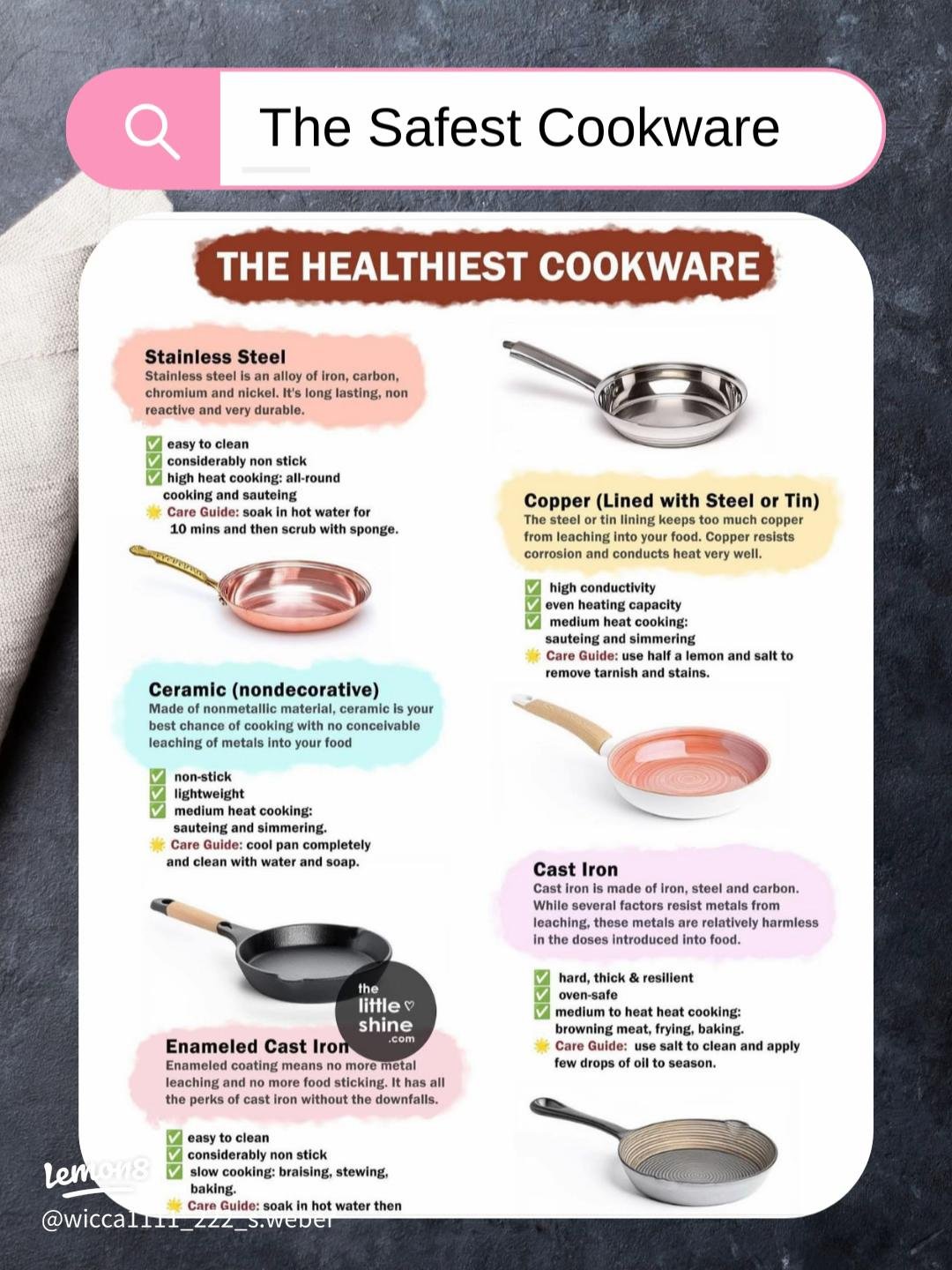
Choosing The Right Cookware
Picking the right cookware helps you cook safely and easily. Good cookware lasts long and handles heat well.
It is important to think about the material and how heavy the cookware is. These affect how safe and comfortable it feels.
Material Considerations
Cookware material affects heat distribution and safety. Some materials handle heat better than others.
Materials like stainless steel and cast iron are strong and heat evenly. Non-stick pans need careful use to avoid damage.
- Stainless steel is durable and resists rust.
- Cast iron holds heat well but is heavy.
- Aluminum heats quickly but may warp.
- Ceramic coatings are easy to clean but can chip.
Weight And Balance
Cookware weight affects how easy it is to lift safely. Heavy pots can cause accidents if not handled well.
Balanced cookware helps you carry hot pans without spilling. Check the handles and how the weight feels in your hand.
- Choose cookware with sturdy, heat-resistant handles.
- Make sure the weight feels comfortable for lifting.
- Test balance by holding the pan before buying.
- Lighter pans can be safer but may heat unevenly.
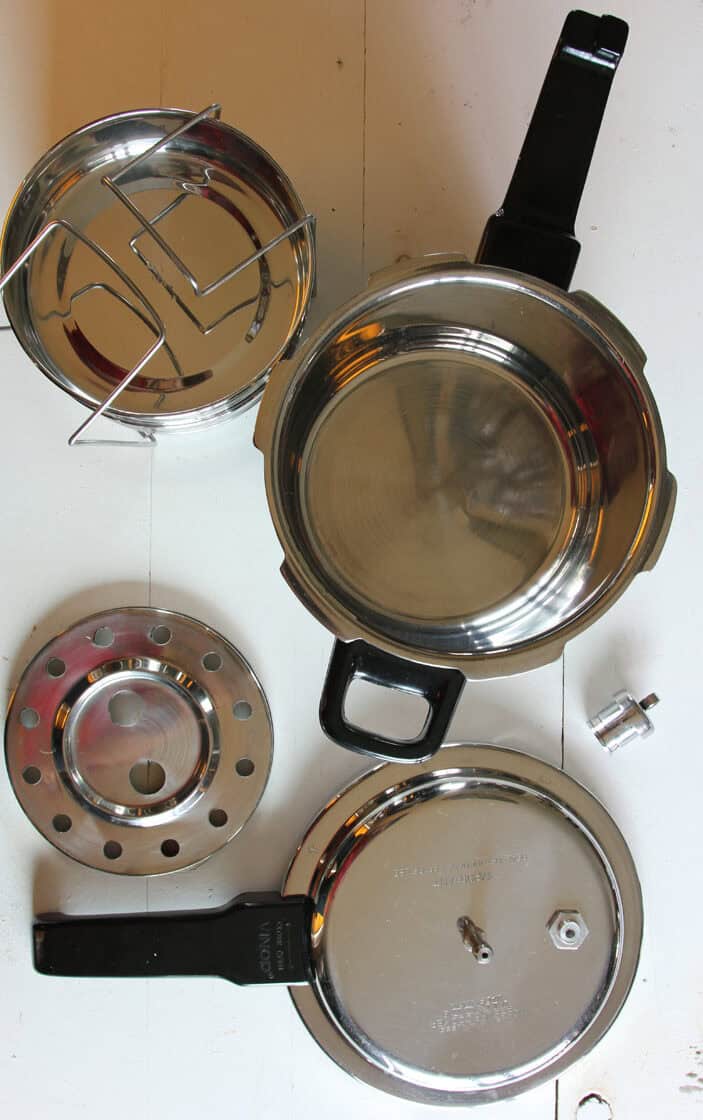
Credit: www.butteredveg.com
Using Proper Heat Settings
Using the right heat is very important when cooking with hot pots and pans. It helps food cook well and keeps you safe from burns.
Knowing how to control the heat makes handling hot cookware easier. It also protects your pots and pans from damage.
Understanding Stovetop Temperatures
Stovetops have different heat levels, usually low, medium, and high. Each level cooks food differently.
Low heat is good for simmering and melting. Medium heat cooks most foods evenly. High heat is used for boiling or searing.
- Low heat: 200°F to 300°F (93°C to 149°C)
- Medium heat: 300°F to 400°F (149°C to 204°C)
- High heat: 400°F and above (204°C+)
Avoiding Sudden Temperature Changes
Sudden heat changes can crack or warp cookware. Always change heat slowly to protect your pots and pans.
Do not put cold cookware on a hot burner. Let cookware warm up gradually to avoid damage and accidents.
- Start with low or medium heat before increasing
- Do not add cold liquids to hot cookware fast
- Let cookware cool before washing with cold water
Protective Gear And Tools
Handling hot cookware can be dangerous without the right tools. Using protective gear helps prevent burns and accidents.
This guide focuses on key gear and how to use oven mitts safely. These tips keep you safe in the kitchen.
Essential Safety Accessories
Always have the right safety accessories nearby. These tools protect your hands and improve grip.
- Heat-resistant oven mitts or gloves
- Silicone pot holders and trivets
- Long-handled tongs for gripping hot items
- Sturdy, non-slip kitchen towels
- Protective aprons to shield your clothes
Choose gear made from heat-resistant materials. Check for thick padding to avoid heat passing through.
Proper Use Of Oven Mitts
Oven mitts must fit well and cover your entire hand. This ensures full protection from heat and steam.
Use both hands when lifting heavy or large cookware. This helps you keep a safe grip and prevents accidents.
- Inspect mitts for holes or thin spots before use
- Keep mitts dry; wet mitts can cause burns
- Use mitts to open hot oven doors or handles
- Remove mitts carefully to avoid touching hot surfaces

Credit: www.russelltaylors.co.uk
Safe Lifting Techniques
Handling hot cookware can be dangerous if you do not lift it safely. Using the right techniques helps prevent burns and spills.
Always pay attention to how you grip and carry cookware. This keeps you and your kitchen safe.
Gripping Cookware Correctly
Hold hot cookware firmly by the handles or grips. Make sure your hands are dry to avoid slipping.
Use both hands when the cookware is heavy or large. This gives you better control and balance.
- Check that handles are secure before lifting
- Wear oven mitts or heat-resistant gloves
- Keep a steady grip to avoid dropping
Avoiding Overfilling
Do not fill pots or pans too full. Overfilled cookware is harder to lift and can spill hot liquids.
Leave some space at the top. This helps keep the contents inside when you move the cookware.
- Fill cookware only up to two-thirds full
- Use smaller portions if needed
- Check for steam or boiling before lifting
Managing Hot Surfaces
Handling hot cookware needs care to avoid burns. Hot surfaces can cause serious injuries.
Use safe practices to protect your hands and counters when cooking.
Using Trivets And Hot Pads
Always place hot pots and pans on trivets or hot pads. This protects your kitchen surfaces from heat damage.
Trivets and hot pads also keep hot cookware stable and prevent slipping.
- Use thick, heat-resistant materials for best protection
- Keep trivets and pads clean and dry
- Choose non-slip designs to avoid accidents
- Have several pads handy in the kitchen
Handling Lid And Pot Handles
Use oven mitts or pot holders when touching hot lids and handles. Metal handles can get very hot.
Always lift lids away from your face to avoid steam burns. Hold pot handles firmly to avoid spills.
- Check if handles are hot before grabbing
- Turn pot handles inward on the stove
- Use tools designed for hot cookware
- Do not use wet cloths to hold hot items

Credit: www.kitchenparade.com
Preventing Burns And Accidents
Hot cookware can cause serious burns if not handled safely. Knowing how to avoid accidents helps keep your kitchen safe.
Simple habits and care can prevent many injuries from hot pots, pans, and ovens.
First Aid For Minor Burns
Minor burns need quick and gentle care to heal well. Cool the burn with running water for 10 to 20 minutes.
Do not use ice or very cold water. Cover the burn with a clean, dry cloth to protect it.
- Run cool water over the burn
- Use a clean cloth to cover the area
- Do not pop blisters or apply creams
- Take pain relievers if needed
- See a doctor if the burn is large or very painful
Safe Kitchen Practices
Always use oven mitts or pot holders when handling hot cookware. Keep handles turned inward to avoid knocking them over.
Keep children away from the cooking area. Never leave hot pots unattended on the stove.
- Use dry oven mitts for better grip
- Turn pot handles away from edges
- Keep the cooking area clean and clear
- Use back burners when possible
- Do not carry too many hot items at once
Maintenance And Care
Taking good care of hot cookware keeps it safe and lasts longer. Proper maintenance stops damage and accidents.
Simple habits help keep your cookware working well and safe to use every time.
Regular Inspection Of Cookware
Check your cookware often for cracks, loose handles, or warping. Damaged cookware can be dangerous to use.
Look for signs of wear that might affect cooking or cause spills and burns.
- Inspect handles to make sure they are tight and secure
- Look for dents or cracks on the surface
- Check if lids fit properly without gaps
- Make sure the base is flat and not warped
Cleaning And Storage Tips
Clean cookware carefully to avoid damage and keep it safe to use. Use gentle scrubbing and avoid harsh chemicals.
Store cookware in a dry place to stop rust and other damage. Keep pieces separated to avoid scratches.
- Wash cookware after each use with warm, soapy water
- Use soft sponges to protect the surface
- Dry cookware fully before storing
- Stack pans with paper towels between them to prevent scratches
- Store lids separately or upside down to save space and avoid damage
Frequently Asked Questions
How Can I Safely Handle Hot Cookware?
Always use oven mitts or heat-resistant gloves to handle hot cookware. Avoid wet cloths as they can cause burns. Hold cookware firmly and use both hands when possible to prevent spills or accidents.
What Materials Are Best For Heat-resistant Cookware Handles?
Handles made of silicone, stainless steel with insulation, or wood provide excellent heat resistance. Avoid plastic handles as they may melt or get hot quickly. Choose cookware with sturdy, non-slip grips for safer handling.
How Do I Prevent Burns When Moving Hot Pots?
Use thick, dry oven mitts and clear your path before moving hot pots. Carry pots close to your body and avoid sudden movements. Always place hot cookware on heat-safe surfaces to prevent accidents.
Can I Use Kitchen Towels Instead Of Oven Mitts?
Kitchen towels are not recommended as they can slip or catch fire. Oven mitts provide better protection against heat and improve grip. Always use purpose-made heat-resistant gloves for safer cookware handling.
Conclusion
Safe handling of hot cookware protects you and your kitchen. Use oven mitts or pot holders every time. Keep handles turned away from the stove’s edge. Always place hot pots on heat-safe surfaces. Never leave cookware unattended on the stove.
These small steps help prevent burns and accidents. Stay alert and careful while cooking. Enjoy your meals without worry or injury. Safety in the kitchen starts with good habits. Practice these tips daily for a safer cooking experience.