
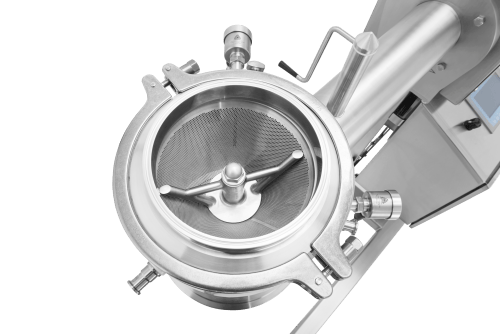
Have you ever struggled to get smooth, lump-free purees or sauces? Using a food mill can make this task much easier and save you time in the kitchen.
But if you’re not sure how to use it correctly, you might end up frustrated or with less-than-perfect results. In this guide, you’ll discover simple tips to use your food mill efficiently, so you can enjoy delicious, silky textures every time.
Keep reading, and soon you’ll wonder how you ever cooked without it!
Choosing The Right Food Mill
A food mill helps you puree and strain fruits and vegetables. Picking the right one makes your cooking easier.
Think about the material and size before buying. Also, decide between manual or electric models.
Material And Size Considerations
Food mills come in stainless steel, plastic, or aluminum. Stainless steel is strong and lasts long.
Size matters for how much food you plan to process. Smaller mills work for small batches. Larger ones handle big jobs faster.
- Stainless steel:Durable and easy to clean
- Plastic:Lightweight and budget-friendly
- Aluminum:Light but may wear out sooner
- Small size:Good for small meals or sauces
- Large size:Best for big batches or canning
Manual Vs. Electric Options
Manual food mills need hand turning. They give you control and do not need power.
Electric food mills save time and effort. They are good for large amounts but cost more.
- Manual:Affordable, portable, no power needed
- Electric:Fast, less effort, good for big jobs
- Manual:Easy to clean and store
- Electric:Heavier and may need more care
:max_bytes(150000):strip_icc()/ses-magic-mill-food-dehydrator-donna-currie-16-56728d615d1b433fb75b3223fd29892f.jpeg)
Credit: www.thespruceeats.com
Preparing Ingredients
Using a food mill works best when ingredients are ready. Preparing them well makes the process easier and faster.
Proper preparation helps the food mill work smoothly and gives better results for your recipes.
Washing And Peeling
Start by washing all fruits and vegetables under cold water. This removes dirt and bacteria from the surface.
Peeling is important for some foods. Remove skins that are tough or bitter to improve texture and taste.
- Use a vegetable brush for firm produce
- Peel potatoes, tomatoes, and apples if needed
- Leave skins on soft fruits like berries
Chopping And Boiling
Cut ingredients into small pieces. This helps them cook evenly and pass through the food mill easily.
Boil the pieces until soft. Soft food mills better and creates smooth purees or sauces.
- Chop vegetables into 1-2 inch pieces
- Boil in water or broth until tender
- Drain well before using the food mill
Assembling The Food Mill
Using a food mill starts with setting it up correctly. Proper assembly helps you work faster and cleaner.
This guide explains how to put together your food mill step by step. Follow these tips for the best results.
Setting Up The Components
First, gather all parts of the food mill. These usually include the bowl, blade, and crank handle.
Choose the right blade for your food type. Fine blades work well for soft foods like tomatoes. Coarse blades suit harder foods like potatoes.
- Place the bowl on a clean surface.
- Insert the chosen blade into the bottom of the bowl.
- Attach the crank handle through the center of the blade.
- Make sure the parts fit snugly together.
Securing The Mill Properly
Secure the food mill to your pot or bowl to keep it steady. This stops it from slipping while you work.
Most food mills have adjustable arms or clamps. Use these to fix the mill tightly on your container.
- Check that the mill rests evenly on the pot’s edge.
- Tighten any clamps or screws firmly.
- Test stability by turning the crank gently.
- Adjust if the mill wobbles or moves.

Credit: haruis.en.made-in-china.com
Using The Food Mill
A food mill is a kitchen tool that helps you puree and strain foods. It works well for making sauces, soups, and baby food.
Using it right saves time and gives smooth results. Learn some simple tips to use your food mill efficiently.
Operating Techniques
Place the food mill over a bowl or pot to catch the puree. Turn the handle slowly to press the food through the holes.
For best results, avoid overloading the mill. Work in small batches to keep the process smooth and easy.
- Secure the mill firmly on the bowl or pot
- Turn the handle clockwise with steady pressure
- Use a spatula to move food toward the center
- Clean the mill right after use to avoid buildup
Handling Different Textures
Soft foods like cooked tomatoes or berries pass easily through the mill. Use a fine disk for smooth purees.
For thicker or chunkier foods like potatoes, choose a coarser disk. Press gently to avoid straining your hands.
- Soft foods: use fine disk for smooth texture
- Thicker foods: use coarse disk to reduce effort
- Remove seeds or skins before milling if needed
- Adjust pressure based on food resistance
Troubleshooting Common Issues
Using a food mill can be simple, but some problems may occur. Knowing how to fix these issues saves time and effort.
This guide helps you solve common problems with your food mill. Follow easy tips to keep it working well.
Clogging Solutions
Food mills may clog when soft foods or skins block the holes. This slows down the milling process.
To fix clogging, stop turning and clear the holes. Use a spatula or spoon to remove stuck food gently.
- Cut food into smaller pieces before milling
- Avoid overfilling the food mill bowl
- Clean holes with a brush after each use
- Use a coarser disc for thicker foods
Ensuring Smooth Operation
Keep your food mill working smoothly by preparing food and parts properly. This helps avoid jams and damage.
Lubricate the handle lightly if it feels stiff. Check that all parts fit well and are clean before use.
- Trim tough skins or fibers from fruits and vegetables
- Assemble the mill tightly but avoid forcing parts
- Wash and dry all parts thoroughly after use
- Store the mill in a dry place to prevent rust
Cleaning And Maintenance
Keeping your food mill clean helps it work well every time. Proper care stops old food from building up.
Regular maintenance makes your food mill last longer. It also keeps your food safe and tasty.
Proper Disassembly
Take apart your food mill carefully before cleaning. This lets you clean all parts well.
Remove the handle, blade, and disc. Check your model’s instructions for exact parts to remove.
- Unscrew the handle or knob
- Lift out the disc or blade
- Separate the bowl from the base
- Keep small parts safe to avoid loss
Effective Cleaning Methods
Wash all parts with warm, soapy water. Use a soft brush to clean hard-to-reach spots.
Rinse parts well to remove soap. Dry them fully before putting the food mill back together.
- Use mild dish soap and warm water
- Scrub gently with a soft brush or sponge
- Check holes in the disc for food bits
- Air dry or use a clean towel to dry parts
- Do not soak wooden or metal parts too long
Recipes And Applications
A food mill is a simple kitchen tool that helps you make smooth textures. It works great for many recipes and dishes.
You can use a food mill to prepare soups, sauces, purees, and even baby food. It removes seeds and skins while mashing ingredients.
Soups And Sauces
Use a food mill to create creamy soups without lumps. It helps remove seeds and skins from tomatoes and other vegetables.
A food mill makes smooth sauces by crushing cooked fruits or vegetables. It is perfect for tomato sauce and apple sauce.
- Mill cooked tomatoes for fresh tomato sauce
- Use for smooth vegetable soup bases
- Make fruit sauces without seeds or skins
Purees And Baby Food
A food mill is ideal for making purees for babies. It creates soft, smooth textures that are easy to eat.
You can puree cooked vegetables and fruits without adding water. The food mill keeps the natural flavor and nutrients.
- Puree carrots, peas, or squash for baby meals
- Make smooth fruit purees like apples or pears
- Control texture by choosing different grinding plates

Credit: machineking.en.made-in-china.com
Frequently Asked Questions
What Is The Best Food For Using A Food Mill?
Soft fruits, cooked vegetables, and mashed potatoes work best with a food mill. It easily purees these foods without skins or seeds.
How Do I Clean A Food Mill After Use?
Disassemble the parts and rinse immediately. Use warm soapy water and a brush to clean all surfaces. Dry thoroughly before storing.
Can A Food Mill Replace A Blender Or Food Processor?
A food mill is ideal for purees and removing skins. It’s slower than blenders but gives smoother, seed-free results.
How Do I Prevent Food From Sticking In The Mill?
Cook food until soft and add small amounts at a time. Rotate the handle steadily to avoid clogging.
Conclusion
Using a food mill can save time and effort in the kitchen. It helps create smooth textures for sauces, soups, and purees. Clean the mill right after use to keep it working well. Practice a few times to get comfortable with the process.
You will enjoy cooking more with this simple tool. Keep your food mill handy for easy meal prep. Simple steps lead to great results every time.