
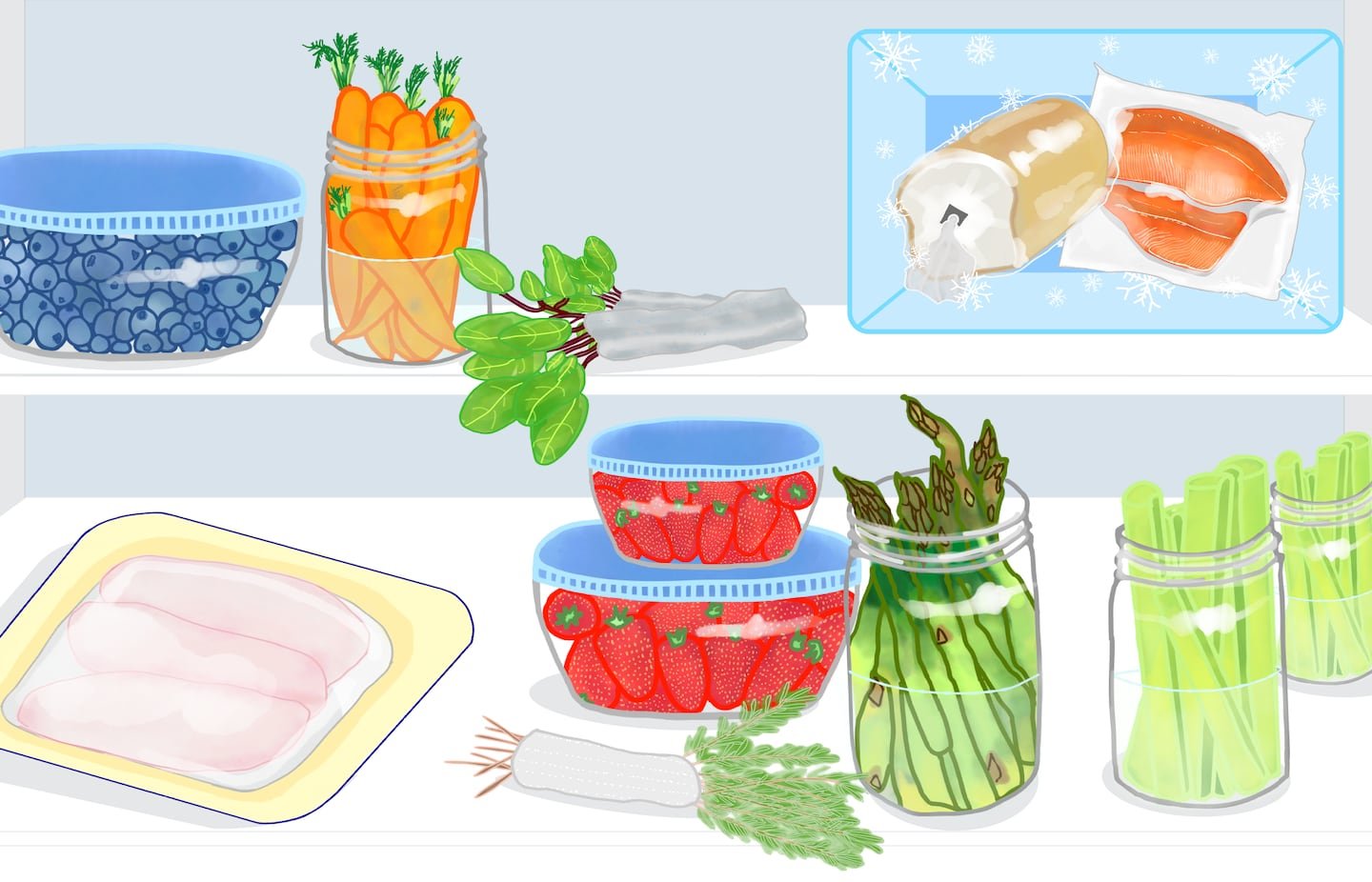
Have you ever opened your fridge to find leftovers that smelled off or looked unappetizing? Storing your food the right way can save you money, reduce waste, and keep you safe from foodborne illnesses.
But it’s not always clear how to store leftovers properly in containers to keep them fresh longer. You’ll discover simple, practical tips that make a big difference. By the end, you’ll know exactly how to handle your leftovers so they stay tasty and safe every time.
Keep reading—your future self (and your taste buds) will thank you!

Credit: www.tastingtable.com
Choosing The Right Containers
Storing leftovers safely starts with picking the right containers. Good containers keep food fresh and prevent spills.
Choose containers that fit your needs and help keep food safe to eat later.
Material Matters
Containers come in many materials like glass, plastic, and metal. Each type has pros and cons.
Glass containers do not stain or hold smells. They are safe for microwaves and dishwashers.
Plastic containers are lightweight and often cheaper. Look for BPA-free options for safety.
Metal containers are durable but not microwave safe. They work well for cold storage.
- Glass: stain-proof, microwave safe, dishwasher safe
- Plastic: light, affordable, check for BPA-free labels
- Metal: strong, not microwave safe, good for fridge
Size And Shape Considerations
Pick containers that match the amount of food you want to store. Avoid containers that are too big or too small.
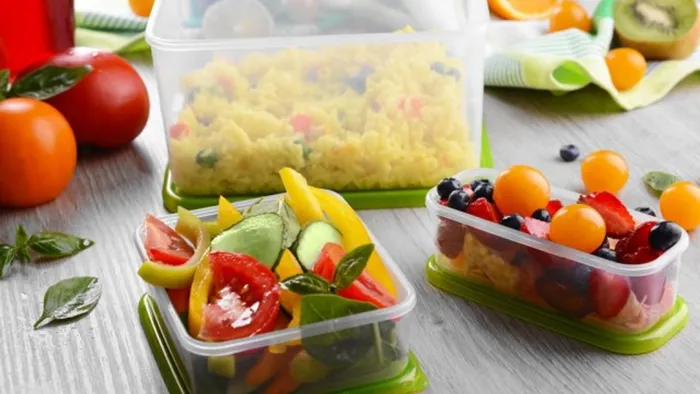
Square or rectangular containers use fridge space better than round ones. They also stack well.
- Small containers for single servings
- Medium containers for family-sized portions
- Large containers for bulk leftovers
- Flat, stackable shapes save space
Credit: thepost.co.za
Proper Cooling Techniques
Cooling leftovers quickly helps keep food safe. Proper cooling stops bacteria from growing.
Using the right techniques keeps your food fresh and healthy to eat later.
Avoiding The Danger Zone
The danger zone is between 40°F and 140°F. In this range, bacteria grow fast.
Keep your food out of the danger zone by cooling it quickly to below 40°F.
- Do not leave leftovers out for more than 2 hours
- Divide large portions into smaller containers
- Store leftovers in shallow containers to cool faster
Using Ice Baths
An ice bath cools hot food fast. It lowers temperature quickly to keep food safe.
Place the container of hot food in a larger bowl filled with ice and cold water.
- Stir the food often to cool evenly
- Change ice water as it warms up
- Once cooled, move food to the refrigerator
Labeling And Dating Containers
Storing leftovers safely helps prevent food waste and illness. Labeling and dating containers keeps food fresh and safe to eat.
Clear labels and accurate dates help you know what is inside and how long it is safe to eat.
Importance Of Clear Labels
Clear labels tell you what food is inside each container. This stops confusion and waste.
Labels help you avoid eating spoiled food and keep your fridge organized.
- Write the food name clearly on the label
- Use waterproof markers or printed labels
- Place the label where it is easy to see
- Update labels if you change the food inside
Best Practices For Dating
Dating containers shows when the food was stored. This helps you use leftovers before they spoil.
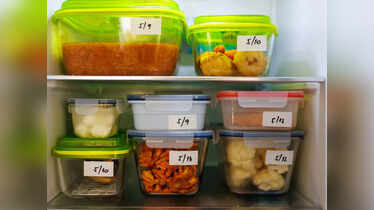
Always write the date clearly using a simple format like MM/DD or DD/MM.
- Write the date on every container with leftovers
- Use the date you cooked or stored the food
- Throw away food after 3-4 days for safety
- Check dates before eating leftovers
Organizing The Refrigerator
Keeping leftovers safe starts with good refrigerator organization. This helps food stay fresh longer.
Organizing your fridge makes it easier to find and store your leftovers properly.
Strategic Placement
Place leftovers where the temperature is steady. Avoid fridge doors because they get warm.
Use the middle or lower shelves for leftovers. These areas keep food colder and safer.
- Store leftovers in clear containers to see contents quickly
- Label containers with dates to track freshness
- Keep raw meats separate and below leftovers to avoid spills
Avoiding Overcrowding
Do not pack your fridge too full. Air needs to flow to keep food cold evenly.
Leave space between containers. This helps cool air circulate and prevents spoilage.
- Remove old or expired food regularly
- Use stackable containers to save space
- Organize by food type to reduce clutter
Reheating Leftovers Safely
Reheating leftovers is a great way to enjoy food again. It is important to do it safely to avoid sickness.
Heating food properly kills harmful bacteria. Use the right temperature and methods for best results.
Ideal Temperature Guidelines
Heat leftovers until they reach at least 165°F (74°C). This temperature kills most germs.
Use a food thermometer to check the temperature inside the food. Stir food to heat evenly.
- Reheat all parts of the food to 165°F (74°C)
- Check temperature in the thickest part of the food
- Do not rely on steam or boiling as the only sign of heat
- Heat leftovers only once to avoid bacteria growth
Microwave Tips
Microwaves heat food quickly but unevenly. Stir food halfway through heating.
Cover food with a microwave-safe lid or wrap to keep moisture. This helps heat food evenly.
- Use microwave-safe containers only
- Stir food and rotate containers if your microwave has no turntable
- Let food stand for a minute after microwaving to allow heat to spread
- Check temperature with a food thermometer before eating
Credit: timesofindia.indiatimes.com
Monitoring Shelf Life
Storing leftovers safely helps prevent food waste and illness. Knowing how long to keep food is very important.
Check your containers and mark dates to keep track. This helps you use food before it goes bad.
Signs Of Spoilage
Look for changes in smell, color, and texture. These can show that food is no longer safe to eat.
- A sour or strange smell means spoilage.
- Discoloration or dark spots are warning signs.
- Sticky or slimy texture shows bacteria growth.
- Mold growth is a clear sign to throw it away.
General Timeframes
Different foods last different times in the fridge or freezer. Use these guidelines to avoid eating spoiled leftovers.
| Food Type | Fridge Shelf Life | Freezer Shelf Life |
|---|---|---|
| Cooked Meat | 3-4 days | 2-6 months |
| Cooked Pasta/Rice | 3-5 days | 1-2 months |
| Soups and Stews | 3-4 days | 2-3 months |
| Vegetables (Cooked) | 3-7 days | 8-12 months |
| Fruits (Cut) | 3-5 days | 8-12 months |
Frequently Asked Questions
How Long Can Leftovers Stay Safely In Containers?
Leftovers can typically stay safe for 3 to 4 days in airtight containers. Refrigerate them promptly within two hours of cooking. Always check for signs of spoilage before consumption to avoid foodborne illness.
What Containers Are Best For Storing Leftovers Safely?
Glass or BPA-free plastic containers with tight-fitting lids are ideal. They prevent air exposure and maintain freshness. Avoid using containers that may leach harmful chemicals or don’t seal properly.
How Should Leftovers Be Cooled Before Storage?
Cool leftovers quickly by dividing them into smaller portions. Leave food at room temperature for no more than two hours. Then refrigerate immediately to minimize bacterial growth and ensure food safety.
Can I Store Hot Leftovers Directly In Containers?
It’s best to let leftovers cool slightly before storing. Placing very hot food in containers can raise fridge temperature, risking spoilage. Cool for about 20 minutes before sealing and refrigerating.
Conclusion
Storing leftovers safely helps keep food fresh and tasty. Use clean containers that close tightly. Cool food quickly before storing it in the fridge. Label containers with dates to track freshness. Avoid leaving food out too long. Follow these simple tips to reduce waste and save money.
Safe storage protects your health and prevents food spoilage. Small steps make a big difference in your kitchen. Enjoy your meals without worry by storing leftovers the right way.