
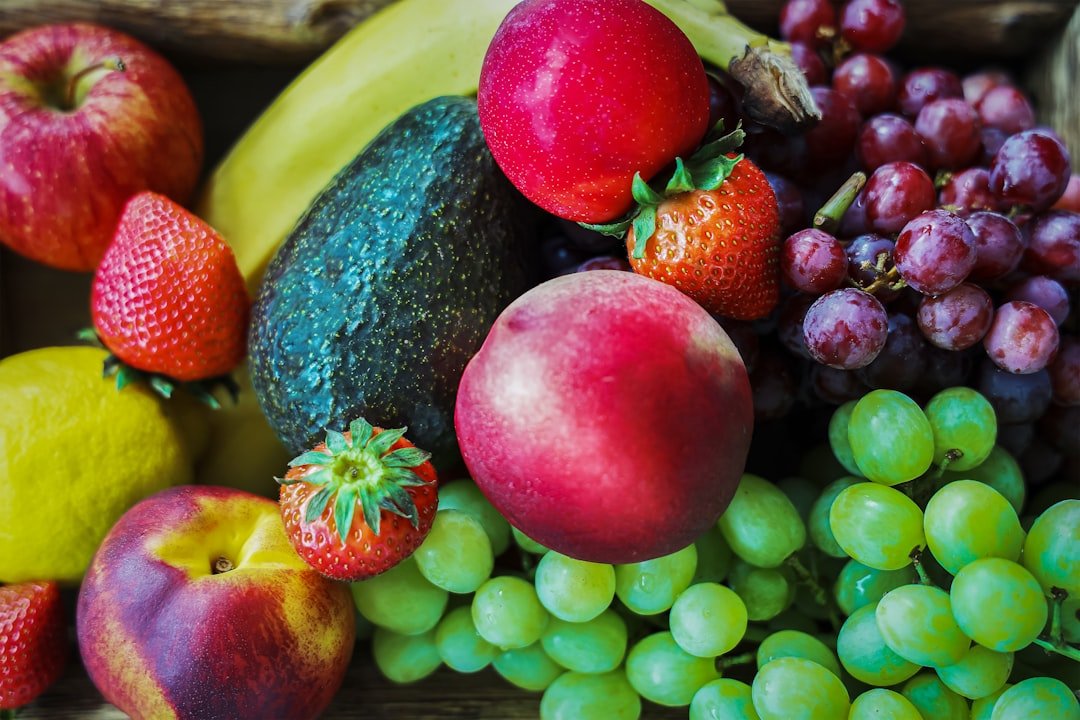
Are you sure your kitchen is safe from harmful bacteria mixing between fruits and meat? Cross-contamination can sneak into your meals without you even realizing it, putting your health at risk.
But don’t worry—by learning simple, practical steps, you can protect yourself and your loved ones from foodborne illnesses. Keep reading to discover easy ways to prevent cross-contamination and keep your food fresh and safe every time you cook. Your health depends on it!
Kitchen Layout
Keeping fruits and meat separate in the kitchen stops germs from spreading. A smart kitchen layout helps you avoid cross-contamination.
Design your kitchen so you have clear spaces for handling fruits and meat. This makes your cooking safer and cleaner.
Separate Preparation Areas
Use different cutting boards and counters for fruits and meat. This stops bacteria from moving between foods.
Keep tools like knives and peelers only for one food type. Clean them well after each use.
- Assign one counter for fruits and vegetables
- Use another counter only for raw meat
- Label cutting boards by food type
- Wash hands before switching tasks
Storage Solutions
Store fruits and meat in separate places in the fridge. Keep meat on lower shelves to stop drips from reaching fruits.
Use sealed containers for both fruits and meat. This keeps smells and juices from mixing.
- Place raw meat on the bottom shelf
- Keep fruits in drawers or top shelves
- Use airtight containers for all foods
- Label containers with food type and date
Proper Handling Techniques
Cross-contamination happens when germs spread from one food to another. It can make people sick. Proper handling of fruits and meat helps keep food safe.
Using the right tools and boards stops germs from mixing. This guide shows simple ways to prevent cross-contamination.
Using Different Utensils
Use separate utensils for fruits and meat. This stops germs from meat touching fruits. Knives, forks, and spoons should not be shared.
Wash utensils well after use. Cleaning removes germs that might spread to other foods. Keep utensils in clean places.
- Keep one set of knives for meat
- Have another set for fruits
- Wash utensils with hot soapy water
- Dry utensils before next use
Color-coded Cutting Boards
Color-coded cutting boards help keep fruits and meat separate. Each color shows what food to use on that board. This reduces germ spread.
Use bright colors for fruits and darker colors for meat. Clean boards after each use to stay safe. Store boards where they stay dry.
- Red boards for raw meat
- Green boards for fruits and vegetables
- Blue boards for fish
- Wash boards with hot water and soap
- Replace worn boards to avoid cracks
Safe Storage Practices
Keeping fruits and meat safe starts with storing them properly. Good storage stops bacteria from spreading.
Knowing how to store these foods helps protect your family from foodborne illnesses.
Correct Refrigeration
Keep meat and fruits in the fridge at the right temperature. This slows bacteria growth.
Store meat on lower shelves to avoid drips onto fruits or ready-to-eat foods.
- Set fridge temperature below 40°F (4°C)
- Place raw meat in sealed trays on bottom shelves
- Keep fruits on upper shelves or in crisper drawers
- Check fridge temperature regularly with a thermometer
Sealed Containers
Use sealed containers to separate fruits from meat. This stops germs from touching each other.
Containers keep juices from leaking and help food stay fresh longer.
- Use plastic or glass containers with tight lids
- Wrap meat tightly in plastic wrap or foil before placing in containers
- Label containers with dates to track freshness
- Clean containers regularly to avoid contamination

Credit: www.fsis.usda.gov
Cleaning And Sanitizing
Cross-contamination between fruits and meat can cause foodborne illnesses. Cleaning and sanitizing are key to keeping foods safe.
Proper cleaning removes dirt and bacteria. Sanitizing kills germs that remain after cleaning.
Effective Cleaning Agents
Use cleaning agents that remove grease and food particles well. Dish soap and detergent are good choices.
Some cleaning agents work better on certain surfaces. Choose one that fits your kitchen tools and counters.
- Liquid dish soap for general cleaning
- Baking soda for scrubbing tough stains
- White vinegar for natural cleaning
- Commercial kitchen cleaners for heavy grease
Regular Sanitizing Schedule
Sanitize surfaces often to reduce bacteria. Set a schedule to keep cleaning consistent.
Sanitize after handling raw meat and before touching fruits. This helps avoid cross-contamination.
- Sanitize cutting boards after each use
- Clean kitchen counters before food prep
- Sanitize knives and utensils regularly
- Use food-safe sanitizers and follow instructions
Cooking Temperatures
Cooking food to the right temperature kills harmful germs. It helps keep you safe from food poisoning. Fruits and meat need careful handling to avoid cross-contamination.
Always use a food thermometer to check the temperature. This stops bacteria from spreading between fruits and meat.
Meat Temperature Guidelines
Cook meat to the right temperature for safety. Different meats need different minimum temperatures. Use a food thermometer to check inside the thickest part.
- Chicken and turkey: 165°F (74°C)
- Ground beef, pork, lamb: 160°F (71°C)
- Beef, pork, lamb (steaks, roasts): 145°F (63°C) plus 3 minutes rest time
- Fish and shellfish: 145°F (63°C)
Always clean the thermometer after checking meat. Do not use the same cutting board or utensils for fruits and meat without washing.
Fruit Safety Tips
Fruits can carry bacteria if not handled well. Wash fruits under running water before eating or cooking. Do not soak them in water.
Keep fruits away from raw meat. Use separate cutting boards and knives for fruits and meat to avoid cross-contamination.
- Wash fruits before cutting or eating
- Use clean utensils and boards for fruits
- Store fruits separately from raw meat
- Keep fruits refrigerated if not eaten soon

Credit: www.kimecopak.ca
Cross-contamination Awareness
Cross-contamination happens when harmful germs spread from one food to another. This can make people sick.
Fruits and meat must be kept separate to stop germs from spreading in the kitchen.
Recognizing Risks
Cross-contamination can happen in many ways. Meat has bacteria that fruits do not have.
Using the same cutting board or knife for meat and fruits can spread germs easily.
- Touching raw meat then fruits without washing hands
- Using dirty utensils on different foods
- Storing fruits and meat too close in the fridge
- Not cleaning surfaces after handling meat
Educating Kitchen Staff
All kitchen workers must know the dangers of cross-contamination. Training helps keep food safe.
Staff should learn proper hand washing, cleaning, and food handling steps.
- Wash hands before and after touching food
- Use different tools for meat and fruits
- Clean all surfaces after preparing meat
- Store foods separately in the fridge
Safe Food Handling Habits
Cross-contamination happens when harmful germs move from one food to another. It can make people sick.
Fruits and meat need different care to stay safe. Use good habits to keep your food clean.
Hand Washing Protocols
Wash your hands before and after touching food. This stops germs from spreading.
Use warm water and soap. Rub your hands for at least 20 seconds.
- Wet hands with warm water
- Apply soap and scrub all parts
- Clean under nails and between fingers
- Rinse well under running water
- Dry hands with a clean towel
Avoiding Touch Contamination
Use separate tools for fruits and meat. This stops germs from moving between foods.
Do not touch raw meat and then touch fruits. Always clean surfaces and tools after use.
- Use different cutting boards for meat and fruits
- Clean knives and utensils after cutting meat
- Store fruits and meat separately
- Keep raw meat away from ready-to-eat foods

Credit: www.fsis.usda.gov
Frequently Asked Questions
How Can I Avoid Cross-contamination Between Fruits And Meat?
Always use separate cutting boards and knives for fruits and meat. Wash hands thoroughly after handling raw meat. Clean surfaces and utensils with hot, soapy water before touching fruits. Store fruits and meat separately in the fridge to prevent drips and contact.
Why Is Cross-contamination Between Fruits And Meat Dangerous?
Cross-contamination spreads harmful bacteria from raw meat to fruits. This can cause foodborne illnesses like salmonella or E. coli. Fruits are often eaten raw, increasing infection risk. Proper hygiene and separation reduce the chance of contamination and keep food safe to eat.
What Cleaning Methods Prevent Cross-contamination Effectively?
Use hot, soapy water to wash cutting boards, knives, and surfaces after meat use. Sanitize with a solution of bleach and water if possible. Always dry items completely before using them with fruits. Regular cleaning stops bacteria from spreading between foods.
Should I Store Fruits And Meat Together In The Refrigerator?
No, store raw meat on the bottom shelf to avoid drips. Keep fruits on higher shelves or in separate drawers. This prevents meat juices from contaminating fruits. Proper storage maintains freshness and minimizes cross-contamination risks.
Conclusion
Preventing cross-contamination keeps food safe and healthy. Use separate cutting boards for fruits and meat. Always wash your hands before and after handling food. Clean all utensils and surfaces well after use. Store raw meat below fruits in the fridge.
These small steps protect your family from illness. Safe food habits make cooking more enjoyable. Keep these tips in mind every time you cook. Healthy meals start with safe food handling.