
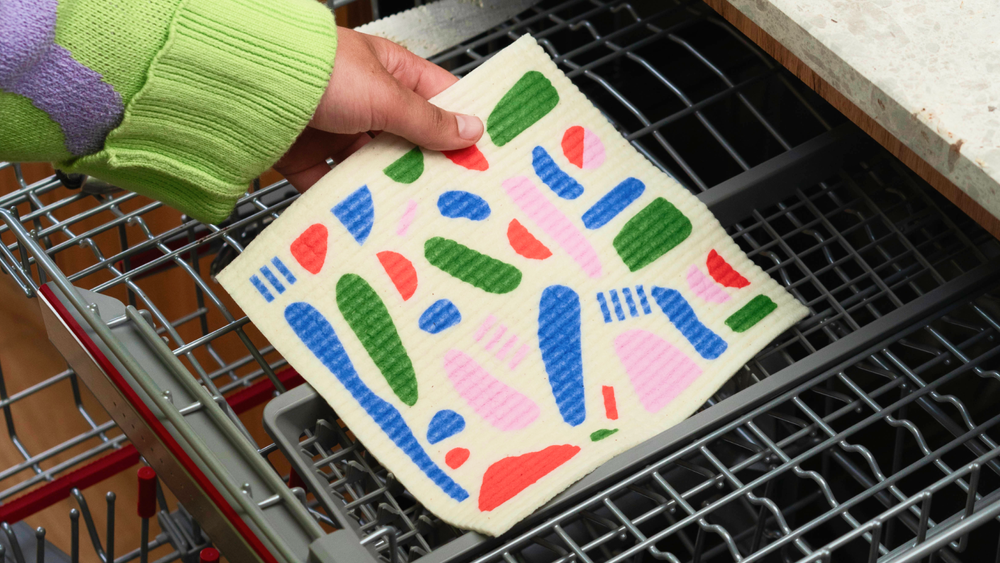
Your dish towels might seem harmless, but they can hide harmful bacteria that affect your health and kitchen cleanliness. If you’ve ever wondered why your towels smell bad or why germs keep coming back, you’re not alone.
Learning how to prevent bacteria in dish towels is easier than you think—and it can make a big difference in your home. Keep reading to discover simple, effective tips that will keep your towels fresh and your family safe.
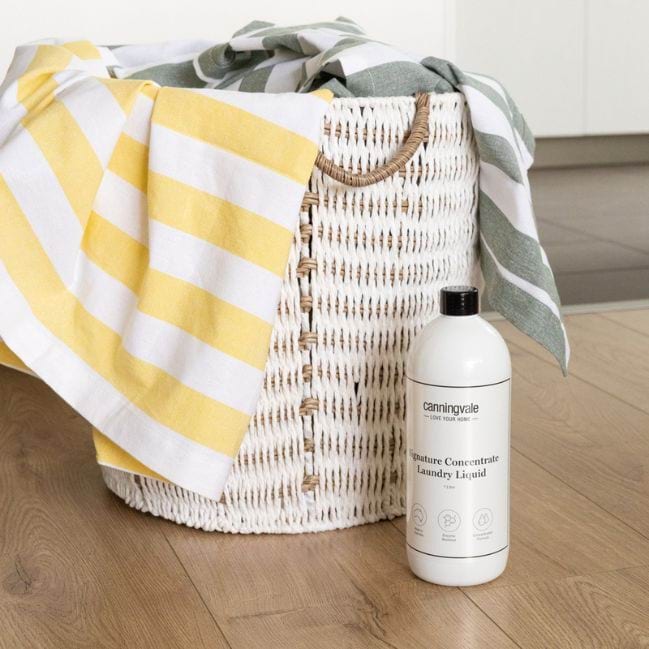
Credit: www.canningvale.com
Causes Of Bacterial Growth
Bacteria grow quickly on dish towels if conditions are right. Warmth and moisture help bacteria multiply fast.
Knowing what causes bacteria to grow can help you keep your towels clean and safe to use.
Moisture Retention
Wet dish towels hold moisture for a long time. This wet environment helps bacteria grow easily.
If towels stay damp after use, bacteria can multiply quickly and cause bad smells or stains.
Food Residue
Food bits left on dish towels feed bacteria. Even small amounts of food make towels dirty fast.
Grease, sauces, and crumbs give bacteria the energy to grow and spread on your towels.
- Greasy stains
- Sticky syrup or juice
- Bits of bread or vegetables
Improper Storage
Storing dish towels in dark, warm places lets bacteria grow. Good air flow helps keep towels dry.
Folding or piling up wet towels traps moisture inside. This creates a perfect place for bacteria.
- Storing towels in drawers or closed bins
- Leaving towels in the sink or on counters
- Not hanging towels to dry after use
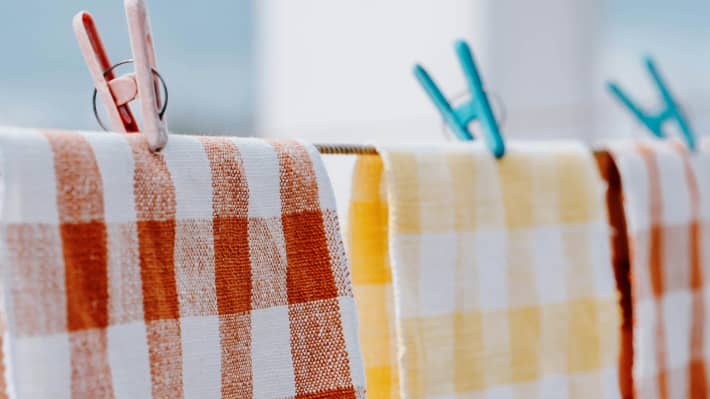
Credit: www.rnz.co.nz
Choosing The Right Towel Material
Dish towels can easily grow bacteria if not chosen carefully. The right material helps keep towels clean and fresh longer.
Picking towels that dry quickly and resist bacteria reduces germs in your kitchen. Let’s look at common materials.
Cotton Vs. Microfiber
Cotton towels are soft and absorbent. They soak up water well but can stay wet longer.
Microfiber towels dry faster and trap dirt better. They often resist bacteria growth more than cotton.
- Cotton: natural, soft, absorbs water well
- Microfiber: synthetic, dries fast, traps dirt
- Microfiber resists bacteria better than cotton
- Cotton may need more frequent washing
Antimicrobial Options
Some towels come with antimicrobial treatment. This helps stop bacteria from growing on the fabric.
These towels stay fresher longer and reduce bad smells. They are good for busy kitchens or heavy use.
- Towels with silver or copper fibers kill bacteria
- Antimicrobial coatings prevent germs on fabric
- They help towels stay cleaner between washes
- Check labels for antimicrobial features when buying
Effective Cleaning Techniques
Dish towels often hold bacteria from food and moisture. Cleaning them well stops germs from growing. Using good methods keeps towels fresh and safe.
Below are simple ways to clean dish towels effectively. These tips help remove bacteria and keep towels hygienic.
Regular Washing Schedule
Wash dish towels often to stop bacteria buildup. Towels used daily should be washed every one or two days. This prevents germs from spreading in your kitchen.
Keep separate towels for different tasks. For example, use one for dishes and another for hands. This lowers the chance of cross-contamination.
- Wash towels after 1-2 days of use
- Use separate towels for dishes and hands
- Dry towels completely before reuse
Using Hot Water And Vinegar
Hot water helps kill bacteria on dish towels. Wash towels in the hottest water safe for the fabric. This removes germs and dirt effectively.
Adding white vinegar to the rinse cycle helps remove odors and breaks down bacteria. Vinegar is a natural cleaner that keeps towels fresh without harsh chemicals.
- Set washer to hot water setting
- Add 1 cup of white vinegar during rinse
- Use mild detergent for fabric care
Bleach For Deep Cleaning
Use bleach only on white or color-safe towels. Bleach kills tough bacteria and removes stains. It is good for deep cleaning towels that smell bad or look dirty.
Follow the bleach label instructions to avoid damage. Rinse towels well after bleaching to remove any residue. Do not mix bleach with vinegar or other cleaners.
- Use bleach on white or bleach-safe towels only
- Follow instructions for safe bleach use
- Rinse towels thoroughly after bleaching

Credit: shopping.yahoo.com
Proper Drying Methods
Drying dish towels well is key to stopping bacteria growth. Wet towels hold moisture and germs.
Choosing the right drying method keeps towels fresh and clean longer. Let’s explore good drying ways.
Air Drying Vs. Machine Drying
Air drying lets towels dry naturally in open air. It saves energy but can take longer.
Machine drying uses heat to dry towels fast. It kills many germs but uses electricity.
- Air drying works best in sunny, breezy spots
- Machine drying suits quick use and colder weather
- Both methods reduce bacteria if towels dry fully
- Never leave towels damp after washing
Avoiding Damp Environments
Damp places let bacteria grow fast on dish towels. Keep towels away from wet sinks or counters.
Dry towels in a clean, dry area with good air flow. This stops moisture from staying on fabric.
- Hang towels separately to let air move freely
- Do not pile wet towels together
- Store dry towels in a dry cabinet or shelf
- Check towels often for damp spots and dry again if needed
Storage And Handling Tips
Dish towels can carry many bacteria if not stored or handled properly. Keeping them clean helps stop germs from spreading.
Good storage and handling habits keep your kitchen safe and your towels fresh.
Dedicated Storage Space
Use a special place only for clean dish towels. This stops dirty towels from touching clean ones.
Keep towels in a dry, well-ventilated area to avoid moisture buildup. Moisture helps bacteria grow fast.
- Store towels in a closed cabinet or drawer
- Keep towels folded or hung neatly
- Do not mix clean towels with dirty kitchen cloths
- Change storage spots if towels smell or stay damp
Avoiding Cross-contamination
Use different towels for different tasks. This stops bacteria from one job spreading to another.
Handle towels with clean hands and avoid placing them on dirty surfaces. This keeps germs away.
- Have separate towels for hands, dishes, and spills
- Wash towels often in hot water
- Do not use towels to clean raw meat spills
- Replace towels that smell bad or look dirty
Frequent Replacement Strategy
Dish towels can carry many germs if used for too long. Changing them often helps keep your kitchen clean.
Using a frequent replacement strategy reduces bacteria growth on dish towels. It is a simple way to protect your family.
Signs To Replace Towels
Check your dish towels regularly for signs that they need to be replaced. These signs show when towels are no longer safe to use.
Look for stains that won’t wash out or a bad smell that stays after cleaning. These signs mean bacteria may be growing inside.
- Persistent bad odors
- Visible stains or discoloration
- Frayed edges or holes
- Loss of absorbency
Setting A Replacement Schedule
Create a routine to replace your dish towels often. This helps avoid bacteria buildup before it becomes a problem.
Replace towels every few days or weekly, depending on use. Washing towels in hot water also helps reduce germs.
- Replace towels at least once a week
- Replace more often with heavy use
- Wash towels in hot water regularly
- Keep extra towels to swap daily
Eco-friendly Alternatives
Dish towels can carry bacteria if not cleaned properly. Using eco-friendly options helps reduce waste and keeps kitchens safer.
Choosing the right materials for dish towels can lower bacteria growth and support the environment.
Reusable Cloth Options
Reusable cloth dish towels dry quickly and reduce bacteria growth. They can be washed many times without losing quality.
Natural fibers like cotton and linen work well. They are strong, absorbent, and break down faster when composted.
- Organic cotton towels absorb water well and dry fast
- Linen towels resist bacteria and dry quickly
- Bamboo fiber towels are soft and naturally antibacterial
Recyclable Materials
Using dish towels made from recyclable materials helps reduce landfill waste. These towels can be processed and reused.
Look for towels labeled as recyclable or made from recycled fibers. These choices support a circular economy.
- Towels made from recycled cotton fibers
- Dishcloths using recycled polyester blends
- Products certified for easy recycling after use
Frequently Asked Questions
How Often Should I Wash Dish Towels To Prevent Bacteria?
Wash dish towels after every use or at least every two days. Frequent washing stops bacteria buildup and keeps towels hygienic and safe.
What Temperature Is Best For Washing Dish Towels?
Use hot water at 60°C (140°F) or higher. Hot water kills most bacteria and removes food particles effectively.
Can Vinegar Help Disinfect Dish Towels?
Yes, adding white vinegar in the rinse cycle disinfects towels. Vinegar kills bacteria and removes odors naturally without harsh chemicals.
Is It Safe To Reuse Damp Dish Towels?
No, reusing damp towels encourages bacterial growth. Always dry towels completely or use a fresh one to stay germ-free.
Conclusion
Keeping dish towels clean helps stop bacteria growth. Wash them often in hot water. Dry towels fully before using again. Avoid sharing towels between different tasks. Use separate towels for hands and dishes. Replace old towels regularly to stay safe.
Small steps keep kitchens healthy and fresh. Clean towels mean fewer germs and less risk. Simple habits protect your family every day. Stay consistent, and your kitchen stays cleaner.