
Choosing the right rolling cutter can make a big difference in how smoothly your cutting projects go. Whether you’re a seasoned crafter or just starting out, picking the best tool for your needs can save you time, effort, and frustration.
You want a cutter that feels comfortable in your hand, cuts cleanly every time, and lasts through all your creative ideas. Keep reading, and you’ll discover simple tips that help you find the perfect rolling cutter tailored just for you.
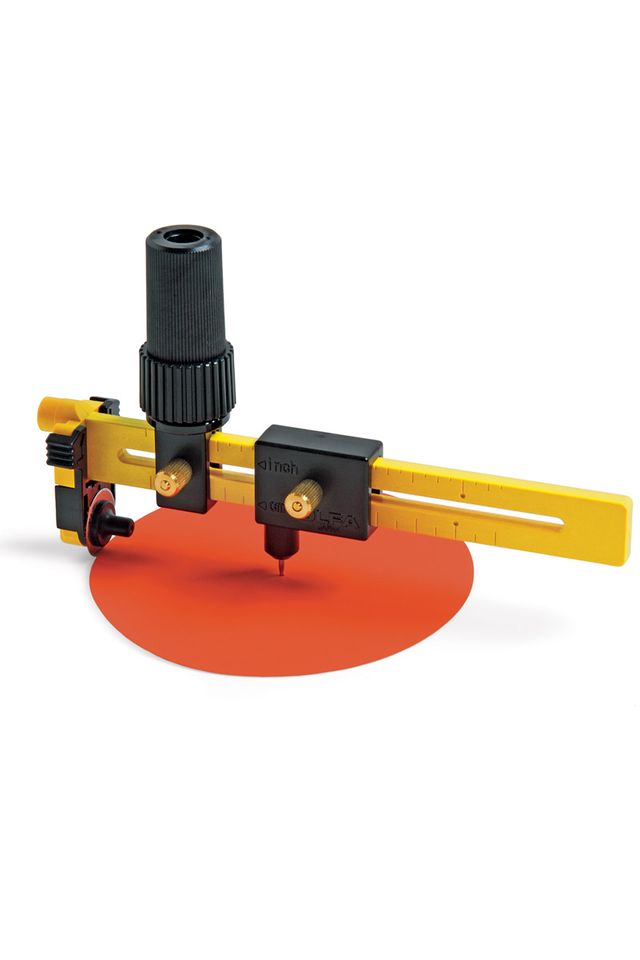
Credit: www.threadsmagazine.com
Understanding Rolling Cutters

Credit: www.amazon.ca
Assessing Your Needs
Choosing the right rolling cutter starts with knowing what you need. Think about how you will use the cutter.
Knowing your needs helps you pick a cutter that works well and lasts long.
Material Considerations
Look at the material of the cutter blade. Some blades cut fabric better, while others work well on paper or leather.
Check if the blade is sharp and strong enough for your material. Some blades stay sharp longer.
- Steel blades work well for fabric and paper
- Rotary blades are good for precise cuts
- Self-sharpening blades last longer
- Replaceable blades offer convenience
Project Requirements
Think about what projects you will do with the rolling cutter. Large projects need a bigger cutter.
If you cut many layers at once, choose a cutter that can handle thick materials.
- Small projects may need a smaller blade size
- Cutting multiple layers requires a strong blade
- Look for comfortable handles for long use
- Safety features are good for frequent use
Evaluating Blade Quality
Choosing the right rolling cutter starts with checking the blade quality. A good blade cuts smoothly and lasts longer.
Look closely at the blade material, sharpness, and durability to find a cutter that works well.
Blade Material
Blade material affects how well a rolling cutter performs. Strong materials keep the blade sharp and resist rust.
Common blade materials include stainless steel and carbon steel. Stainless steel is rust-resistant. Carbon steel is very sharp but may need more care.
- Stainless steel: Rust-resistant, lasts longer
- Carbon steel: Very sharp, requires maintenance
- Tungsten carbide: Extremely hard and durable
Sharpness And Durability
A sharp blade cuts easily and reduces hand strain. Durability means the blade stays sharp after many uses.
Check if the blade is thick enough to resist bending. Also, see if the blade is replaceable for longer tool life.
- Sharp blades cut fabric or paper cleanly
- Durable blades keep sharp edges longer
- Replaceable blades save money over time
Handle Design And Comfort
Choosing the right rolling cutter means looking closely at the handle design. A comfortable handle helps you cut smoothly and safely.
Good handles reduce hand fatigue and give better control. This is important for long projects and precise cuts.
Grip Styles
Handle grips come in different styles. Some grips wrap your fingers, while others let you hold the cutter like a pen.
Choose a grip style that feels natural and steady in your hand. This helps you cut without slipping or strain.
- Loop grips hold your fingers for firm control
- Pen-style grips offer precision and ease
- Soft rubber grips reduce hand slipping
- Textured grips improve hold on slippery hands
Ergonomic Features
Ergonomic handles match the natural shape of your hand. This design lowers stress on muscles and joints.
Look for features like curved handles and padded areas. These make cutting more comfortable for longer use.
- Curved handles fit the hand’s shape
- Padded grips cushion your fingers
- Lightweight handles reduce arm tiredness
- Non-slip materials keep a steady hold
Safety Features To Consider
Choosing a rolling cutter means thinking about safety. A safe cutter protects your fingers and hands during use.
Look for features that reduce accidents and make cutting easier. Safety should be a top priority.
Blade Guards
Blade guards cover the sharp blade when not in use. They stop accidental cuts and injuries.
Some guards slide or snap into place for quick protection. Choose a cutter with a strong, easy-to-use guard.
- Protects fingers from the sharp blade
- Keeps blade clean and safe when stored
- Easy to remove and replace for fast use
- Durable material to last long
Locking Mechanisms
Locking mechanisms keep the blade in place during cutting. They stop the blade from moving or folding unexpectedly.
A good lock gives you control and safety. Make sure it is strong and simple to use.
- Prevents blade from opening by accident
- Secures blade during storage and transport
- Easy to lock and unlock with one hand
- Reliable and sturdy design
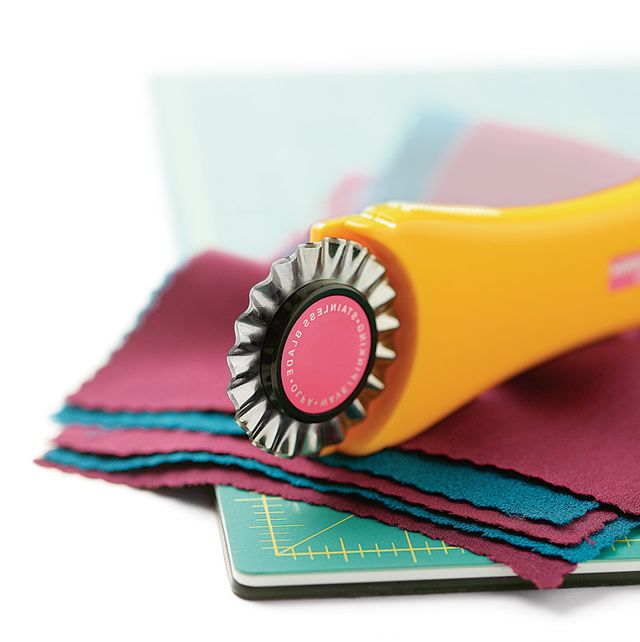
Credit: www.threadsmagazine.com
Brand Reputation And Reviews
Choosing the right rolling cutter starts with checking the brand’s reputation. A trusted brand usually means better quality.
Reading reviews helps you learn from other buyers’ experiences. Reviews show how well the cutter works over time.
Customer Feedback
Customer feedback tells you what real users think about the rolling cutter. Look for comments about durability and ease of use.
Pay attention to common issues mentioned by several buyers. This helps you avoid products with hidden problems.
- Check if the cutter blade stays sharp
- See if the handle is comfortable to hold
- Note how easy it is to change the blade
- Look for comments on safety features
Expert Endorsements
Experts test rolling cutters for quality and performance. Their endorsements can guide you to reliable choices.
Look for reviews from craft professionals or tool specialists. They explain how cutters perform in different tasks.
- Focus on expert ratings for sharpness and durability
- Read about safety and design features
- Check if experts recommend the cutter for your needs
Budget And Value For Money
Choosing the right rolling cutter can save you money and time. It is important to balance cost with quality.
Understanding your budget helps you find the best cutter without overspending. Value means getting good use for what you pay.
Price Range
Rolling cutters come in many price ranges. Basic models cost less but may wear out faster.
Higher-priced cutters often have better blades and handles. These last longer and cut more smoothly.
- Low price: $10 to $20 – good for light use
- Mid price: $20 to $40 – suitable for regular use
- High price: $40 and above – best for heavy or professional use
Cost-effectiveness
Cost-effectiveness means getting the most from your rolling cutter over time. A cheap cutter may cost less upfront.
But a quality cutter may save money later by lasting longer. It also reduces the need to replace blades often.
- Check if blades are easy to replace
- Look for durable handle materials
- Consider warranty and customer support
- Read reviews about cutter performance and lifespan
Maintenance And Care
Taking care of your rolling cutter helps it last longer and work better. Regular maintenance keeps the blade sharp and safe.
Simple cleaning and proper storage are key parts of caring for your rolling cutter.
Cleaning Tips
Clean your rolling cutter after each use to remove fabric bits and dust. This stops buildup that can dull the blade.
Use a soft cloth or brush to clean the blade and handle. Avoid harsh chemicals that may damage the cutter.
- Remove fabric scraps carefully from the blade
- Wipe the blade with a dry cloth
- Use a small brush to clean hard-to-reach parts
- Do not soak the cutter in water
Storage Solutions
Store your rolling cutter in a safe, dry place to protect the blade and prevent accidents. Keep it away from moisture to avoid rust.
Use a blade cover or case to keep the cutter secure and clean. Proper storage helps maintain sharpness and safety.
- Keep the cutter in a closed container or pouch
- Store away from children and pets
- Place the cutter on a flat surface to avoid damage
- Check the blade cover regularly for wear
Common Mistakes To Avoid
Choosing a rolling cutter can be tricky if you do not watch out for common errors. These mistakes can lead to poor cuts or accidents.
Knowing what to avoid helps you pick the right cutter for your needs. This guide covers two important errors many people make.
Overlooking Safety
Many users forget to check the safety features of a rolling cutter. This can cause serious injuries during use.
Look for cutters with blade guards and locking mechanisms. These features protect your fingers and keep the blade from moving when not in use.
- Use cutters with a sharp blade guard
- Check if the cutter has a secure lock
- Wear protective gloves when cutting
Ignoring Blade Quality
Blade quality affects how clean and easy your cuts will be. Cheap blades dull fast and can tear your material.
Choose cutters with high-quality blades made from durable steel. Good blades stay sharp longer and give precise cuts.
- Pick blades made from stainless or carbon steel
- Check if blades are easy to replace
- Avoid cutters with thin or flimsy blades
Frequently Asked Questions
What Features Matter Most In A Rolling Cutter?
Look for sharpness, durability, and comfort grip. A high-quality blade and ergonomic handle improve cutting precision and ease. Consider blade size for your fabric type. Durability ensures longer use without frequent replacements, making your work efficient and enjoyable.
How Do I Choose The Right Blade Size?
Blade size depends on your project type. Larger blades suit thick fabrics; smaller ones handle detailed cuts. Common sizes are 45mm and 60mm. Choose based on your cutting needs to ensure accuracy and reduce hand strain during extended use.
Why Is Blade Sharpness Important In Rolling Cutters?
Sharp blades provide clean, precise cuts and reduce fabric fraying. Dull blades cause uneven edges and require more force, risking injury. Regularly replace or sharpen blades to maintain cutting quality and ensure safety during use.
Can Handle Design Affect Cutting Performance?
Yes, ergonomic handles reduce hand fatigue and improve control. A comfortable grip helps maintain steady pressure and accuracy. Consider handle material and shape for long projects to enhance comfort and prevent slips or discomfort.
Conclusion
Choosing the right rolling cutter makes your work easier and safer. Think about blade size, grip comfort, and durability. A good cutter saves time and gives clean cuts every time. Take your needs and budget into account before buying. Test the cutter if possible to feel its balance.
Small details matter for smooth, accurate cutting. Use these tips to pick a tool that fits you well. Enjoy your projects with the right rolling cutter in hand.