
You’ve just finished cooking a delicious meal, but do you know the best way to keep your utensils truly clean and safe? Simply washing them might not be enough to remove all the germs and bacteria that can linger.
If you want to protect your health and your family’s, it’s important to learn how to sanitize your utensils properly. You’ll discover easy, effective methods that you can use right now to make sure every spoon, knife, and fork is spotless and safe.
Keep reading—your kitchen hygiene depends on it!
Importance Of Sanitizing Utensils
Sanitizing utensils after cooking helps keep your kitchen clean and safe. It removes germs that can cause illness.
Using clean utensils stops food contamination and protects your family’s health.
Prevents Foodborne Illnesses
Dirty utensils carry harmful bacteria like Salmonella and E. coli. These germs cause food poisoning.
Sanitizing kills bacteria and lowers the risk of sickness from leftover food or raw ingredients.
Maintains Food Taste And Quality
Old food residues can spoil the taste of fresh meals. Clean utensils keep flavors pure.
Sanitizing removes stains and odors that affect food quality and appearance.
Protects Against Cross-contamination
Using the same utensils for raw and cooked food spreads bacteria. This is cross-contamination.
Sanitizing stops germs from moving between foods and keeps meals safe to eat.
Extends Utensil Lifespan
Food particles can cause rust and damage utensils. Cleaning keeps utensils in good condition.
Sanitizing regularly prevents wear and helps utensils last longer.
Common Kitchen Contaminants
Sanitizing utensils after cooking is very important. Many germs and bacteria can stay on kitchen tools.
Knowing common kitchen contaminants helps keep your cooking safe and clean.
Bacteria From Raw Meat
Raw meat often carries bacteria like Salmonella and E. coli. These can cause serious illness.
Utensils that touch raw meat must be cleaned well to stop bacteria spreading.
Food Residue And Grease
Leftover food and grease on utensils attract bacteria. They also make cleaning harder.
Cleaning removes these residues and prevents germs from growing on your tools.
Cross-contamination From Surfaces
Utensils can pick up germs from dirty cutting boards or countertops. This causes cross-contamination.
Always wash utensils after contact with any surface that handled raw food.
Mold And Mildew
Wet utensils stored without drying can develop mold and mildew. These are harmful to health.
Dry utensils fully before storing to stop mold growth and keep them safe to use.
Chemical Residues
Using harsh cleaning products can leave chemical residues on utensils. These can be toxic.
Rinse utensils well after washing to remove all soap and chemicals before use.
Choosing The Right Cleaning Products
Cleaning utensils after cooking is important to keep your kitchen safe and healthy. Picking the right cleaning products helps remove germs and food residues effectively.
Some cleaning products are better for the environment, while others use chemicals for stronger cleaning power. You can choose what fits your needs best.
Eco-friendly Options
Eco-friendly cleaning products are made from natural ingredients. They are safe for the environment and do not contain harsh chemicals.
These products work well for everyday cleaning and help reduce pollution and waste.
- Use biodegradable dish soaps made from plant oils
- Try vinegar and baking soda to clean and disinfect
- Look for products labeled as non-toxic and phosphate-free
Chemical-based Solutions
Chemical-based cleaning products often contain strong disinfectants. They kill bacteria and viruses quickly and deeply clean utensils.
These products are good for heavy-duty cleaning but should be used carefully to avoid skin irritation or damage.
- Use bleach solutions to sanitize cutting boards and metal utensils
- Choose antibacterial dish soaps for greasy pots and pans
- Follow product instructions to avoid overuse and harm
Credit: www.carawayhome.com
Step-by-step Sanitization Process
Sanitizing utensils after cooking keeps your kitchen safe and clean. It removes germs and food residue.
Follow these simple steps to sanitize your utensils properly. Clean utensils help prevent foodborne illness.
Pre-cleaning Procedures
Start by scraping off leftover food from utensils. Use a brush or cloth to remove stuck particles.
Rinse utensils with warm water to loosen dirt. This prepares them for effective washing.
- Scrape off food scraps
- Use warm water rinse
- Inspect for stubborn stains
Effective Washing Techniques
Wash utensils using hot, soapy water. Hot water helps kill germs and removes grease.
Use a sponge or scrub brush to clean all surfaces. Pay attention to handles and crevices.
- Use dish soap and hot water
- Scrub all sides carefully
- Clean handles and edges
Rinsing And Drying
Rinse utensils with clean, hot water to remove soap. Make sure no residue remains.
Dry utensils with a clean towel or air dry. Store them in a dry place to avoid bacteria growth.
- Rinse thoroughly with hot water
- Dry with a clean cloth or air dry
- Store in a dry, clean area
Sanitizing Different Types Of Utensils
Keeping utensils clean is important for safe cooking and eating. Different materials need different cleaning methods.
Sanitizing utensils after cooking helps stop germs and keeps your kitchen healthy. Let’s look at how to clean metal, wooden, and plastic utensils.
Metal Utensils
Metal utensils are strong and easy to clean. Wash them with hot soapy water right after use. Use a brush or sponge to remove stuck food.
After washing, sanitize metal utensils by soaking them in a solution of one tablespoon of bleach per gallon of water. Let them soak for two minutes.
- Wash with hot, soapy water
- Use a brush to clean crevices
- Soak in bleach solution for two minutes
- Rinse with clean water and air dry
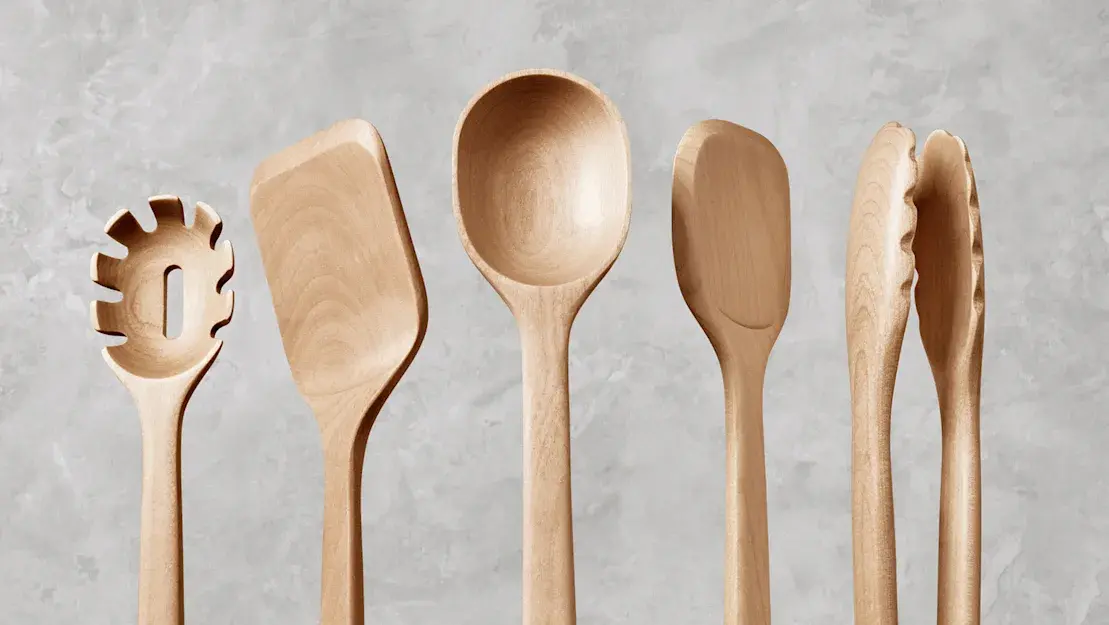
Wooden Utensils
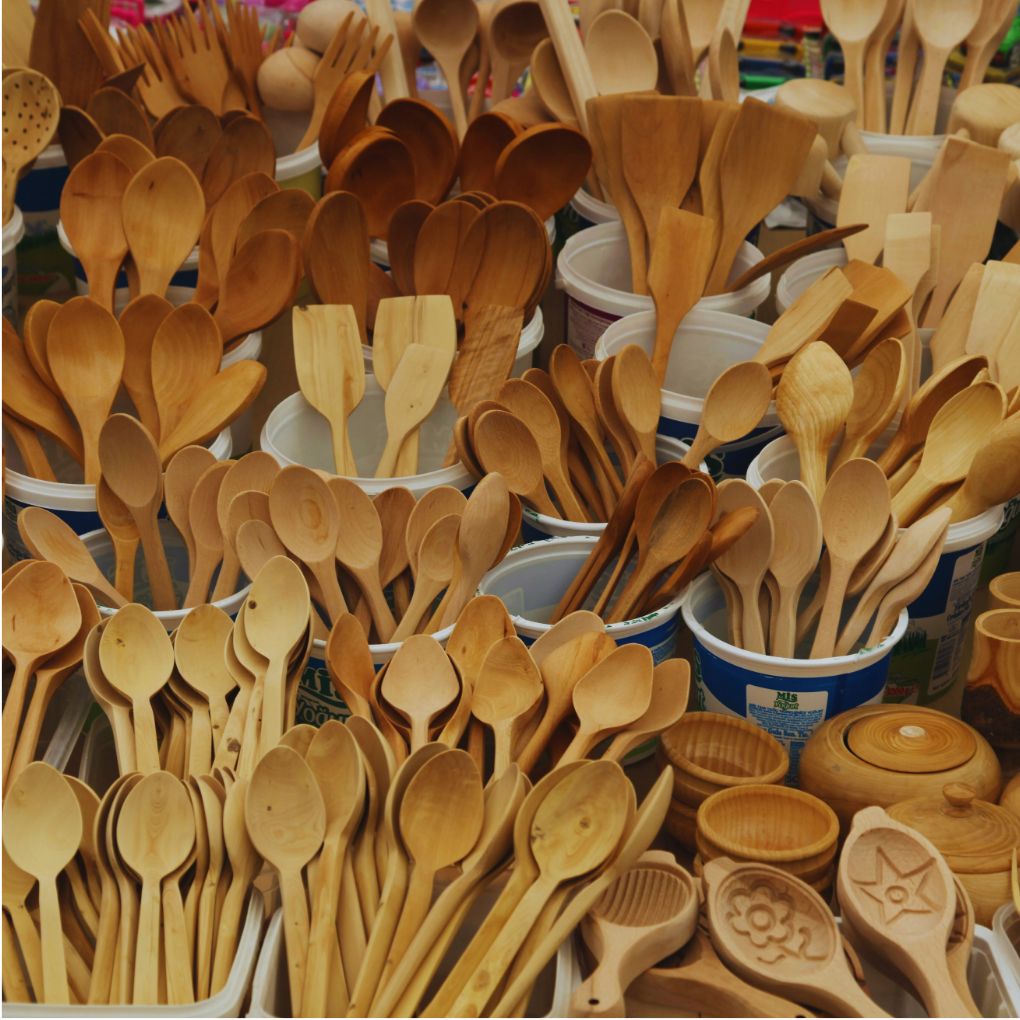
Wooden utensils need gentle care to last longer. Wash them with warm, soapy water but do not soak for long. Too much water can crack the wood.
Sanitize wooden utensils by wiping them with vinegar or a mild bleach solution. Rinse well and dry immediately to avoid moisture damage.
- Wash quickly with warm, soapy water
- Do not soak or leave in water
- Wipe with vinegar or mild bleach
- Rinse and dry right away
Plastic Utensils
Plastic utensils can hold bacteria in scratches. Wash them with hot, soapy water and scrub well. Pay attention to any cracks or cuts.
Sanitize plastic utensils by soaking them in a bleach solution or running them through the dishwasher if safe. Let them air dry completely.
- Wash with hot, soapy water
- Scrub scratches carefully
- Soak in bleach solution or use dishwasher
- Air dry fully before storing
Utilizing Dishwasher For Sanitization
Sanitizing utensils after cooking is important to keep your kitchen safe. A dishwasher can clean and sanitize many kitchen tools effectively.
Using the dishwasher helps remove food particles and kill germs. It saves time and ensures your utensils are hygienic.
Optimal Settings
Choose the right dishwasher settings to sanitize utensils properly. High heat and longer cycles work best for killing bacteria.
Look for a sanitize option or a high-temperature wash. These settings use hot water to clean deeper than normal cycles.
- Use water temperature above 150°F (65°C)
- Select the sanitize or heavy-duty cycle
- Avoid quick or eco modes for sanitizing
- Use a drying cycle with heat for better results
Safe Dishwasher Practices
Place utensils properly to avoid damage and ensure all surfaces get cleaned. Load knives and sharp tools pointing down.
Clean the dishwasher filter regularly. Remove large food scraps before washing to prevent clogging and improve cleaning.
- Separate utensils to let water reach all parts
- Use dishwasher-safe items only
- Do not overload the dishwasher
- Check and clean filters often
- Remove heavy food debris before loading
Natural Sanitization Methods
Sanitizing utensils after cooking is important to keep them safe and clean. Using natural methods helps avoid harsh chemicals.
These natural ways use simple ingredients you can find at home. They remove germs and keep your kitchen healthy.
Vinegar And Baking Soda
Vinegar is acidic and kills many types of bacteria. Baking soda cleans and removes odors from utensils.
Mix vinegar and baking soda to create a natural cleaning paste. It helps sanitize and scrub your pots and pans.
- Sprinkle baking soda on the utensil surface.
- Pour vinegar slowly over the baking soda.
- Let the mixture fizz for a few minutes.
- Scrub gently with a sponge or brush.
- Rinse well with warm water.
Lemon And Salt
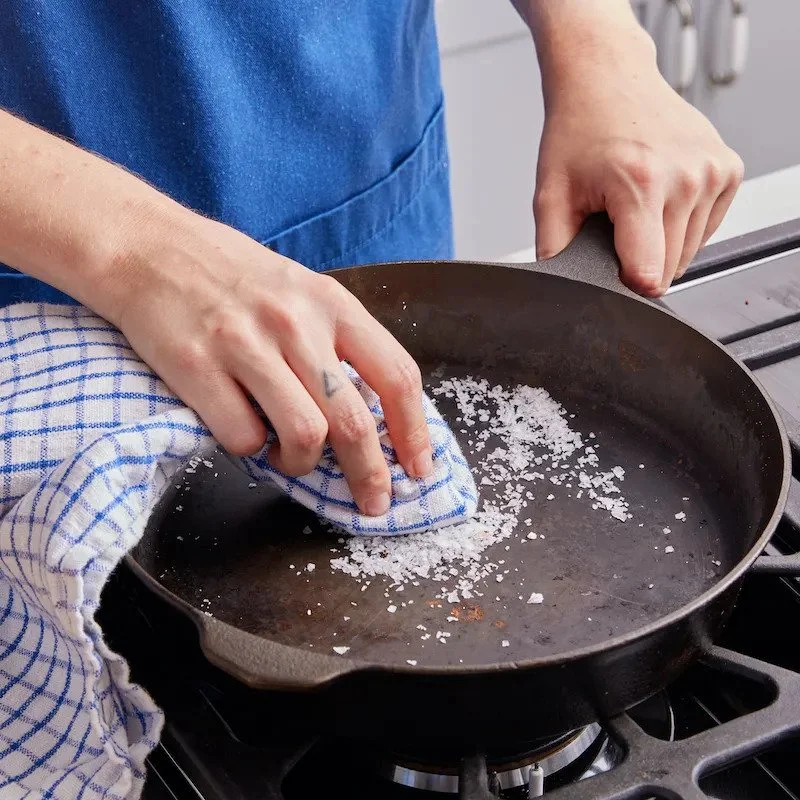
Lemon juice is natural and kills germs with its acid. Salt works as a scrub to remove stuck food and stains.
Cut a lemon in half and dip it in salt. Rub it on your utensils to clean and sanitize them naturally.
- Cut a fresh lemon in half.
- Dip the lemon side into salt.
- Rub the lemon on the utensil surface.
- Let it sit for a few minutes.
- Rinse the utensils with warm water.
Credit: blog.blueapron.com
Maintaining A Sanitized Kitchen Environment
Keeping your kitchen clean after cooking helps stop germs from spreading. Sanitizing utensils is key to food safety.
Clean utensils protect you and your family from harmful bacteria. Follow simple steps to keep your kitchen safe.
Regular Cleaning Routine
Wash utensils with hot, soapy water right after use. This removes food bits and grease.
Use a clean sponge or brush to scrub all surfaces. Rinse well under running water to clear soap.
- Soak utensils in a solution of one tablespoon bleach per gallon of water for two minutes
- Allow utensils to air dry on a clean rack
- Replace sponges often to avoid bacteria buildup
- Clean sink and surrounding areas daily
Proper Storage Techniques
Store dry utensils in a clean, dry place to prevent germs. Avoid stacking wet items together.
Use closed containers or drawers to keep utensils dust-free. Separate clean and dirty utensils carefully.
- Keep knives, forks, and spoons separated to avoid scratches and contamination
- Use utensil holders with good airflow
- Regularly clean storage areas to remove dust and crumbs
- Check utensils for damage and replace if needed
Common Mistakes To Avoid
Sanitizing utensils after cooking is important to keep your kitchen safe. Many people make mistakes that stop utensils from getting clean.
Avoid these common errors to protect your family from germs and foodborne illnesses.
Not Washing Utensils Before Sanitizing
Some skip washing utensils and try to sanitize right away. Dirt and food bits must be removed first. Sanitizers do not clean grease or stuck food.
Always wash utensils with soap and water before using any sanitizer.
Using The Wrong Sanitizing Solution
Not all sanitizers are safe for kitchen tools. Using bleach or harsh chemicals without proper dilution can harm utensils and your health.
Choose food-safe sanitizers and follow instructions carefully for the right mix.
Skipping The Proper Contact Time
Sanitizers need time to kill germs. Rushing and wiping utensils too soon means germs survive.
Let utensils sit in the sanitizer or air dry for the recommended time to work properly.
Using Dirty Towels To Dry Utensils
Drying utensils with dirty cloths adds bacteria back onto clean utensils. This defeats the purpose of sanitizing.
Use clean, dry towels or let utensils air dry after sanitizing.
Not Cleaning The Sink Or Dish Area
A dirty sink or countertop can recontaminate sanitized utensils. Cleaning these areas is part of the process.
Wipe and sanitize the sink and dish area regularly to keep your utensils safe.
Credit: thrivingsustainably.com
Frequently Asked Questions
How Do You Sanitize Utensils After Cooking?
Sanitize utensils by washing them with hot, soapy water first. Then soak in a bleach solution or use a dishwasher with a sanitize cycle to kill bacteria effectively.
What Household Items Can Sanitize Kitchen Utensils?
Common items like bleach, vinegar, or hydrogen peroxide can sanitize utensils. Use diluted bleach or vinegar to soak utensils for 5-10 minutes for safe cleaning.
Can Dishwashers Sanitize Cooking Utensils Properly?
Yes, dishwashers with a sanitize cycle reach high temperatures that kill most germs. Ensure utensils are dishwasher-safe and placed properly for thorough cleaning.
How Long Should Utensils Soak For Sanitation?
Soak utensils in a sanitizing solution for at least 5-10 minutes. This duration ensures harmful bacteria are effectively killed for safe reuse.
Conclusion
Sanitizing utensils keeps your kitchen safe and healthy. Clean all items with hot, soapy water first. Rinse well to remove soap and dirt. Use a sanitizer solution to kill germs. Let utensils air dry completely before storing. Regular cleaning stops bacteria from spreading.
Simple steps protect your family from illness. Make sanitizing part of your daily routine. Clean utensils mean safer meals every time. Easy habits lead to a cleaner kitchen space. Keep your cooking tools fresh and ready.