
Choosing the right dough scraper can make a big difference in your baking experience. Whether you’re a beginner or a seasoned baker, the right tool helps you work faster and cleaner.
But with so many options out there, how do you pick the best one for your needs? You’ll discover simple tips that make choosing a dough scraper easy and stress-free. Keep reading to find out how to make your baking smoother and more enjoyable.

Credit: ooni.com
Types Of Dough Scrapers
Dough scrapers are useful tools for bakers. They help shape and handle dough easily.
There are different types of dough scrapers. Each type serves a special purpose in baking.
Bench Scraper
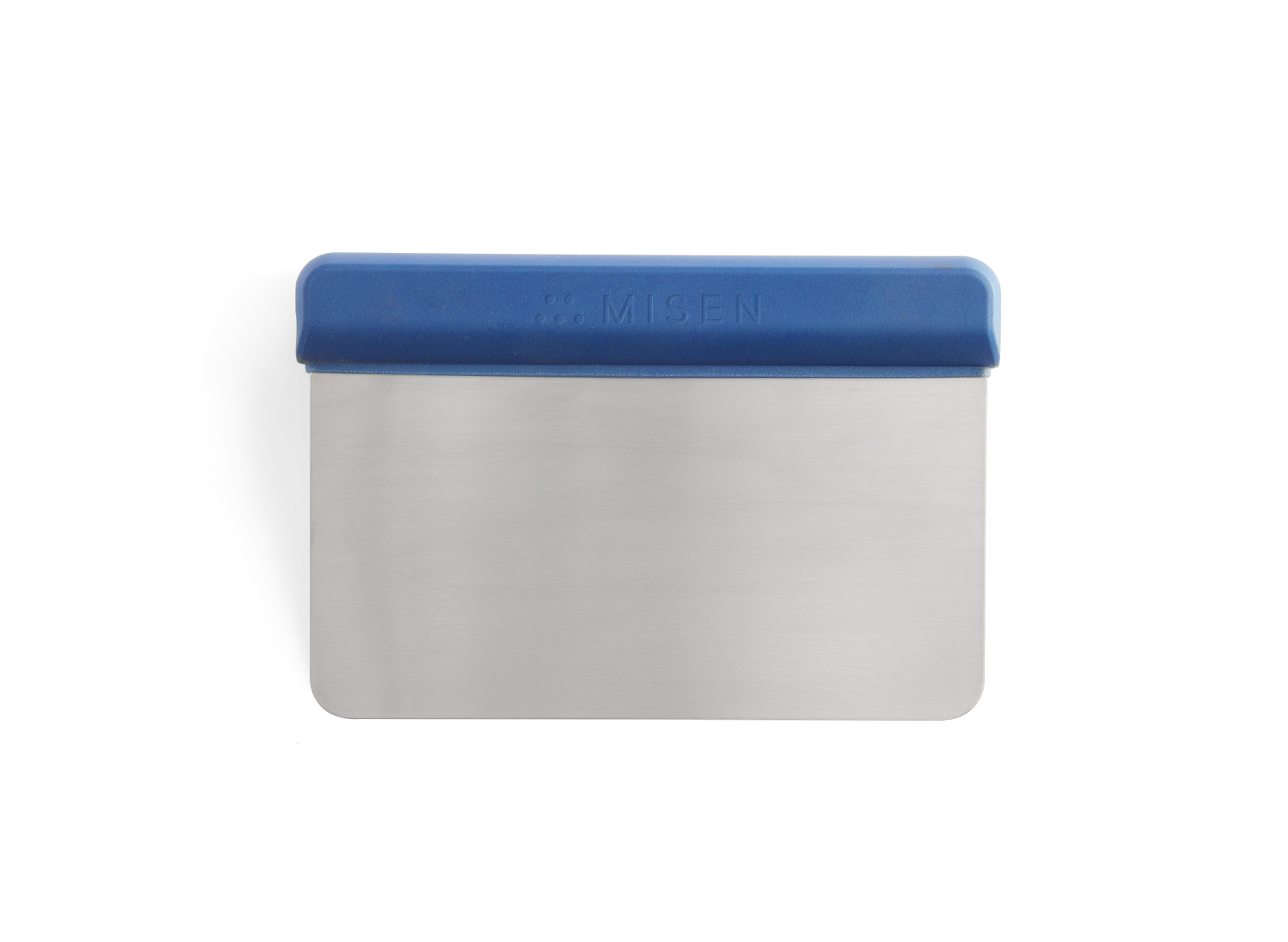
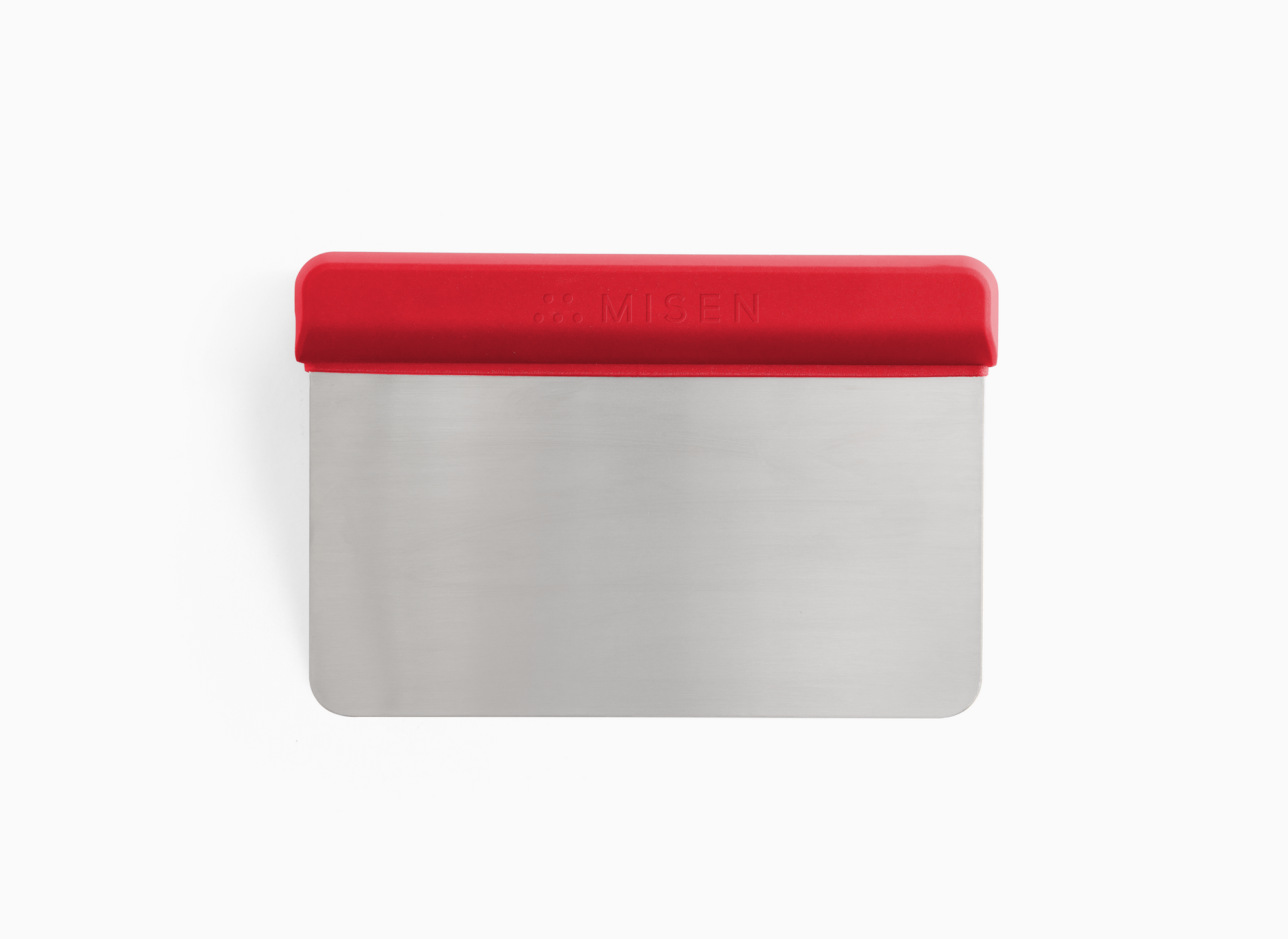
A bench scraper has a flat metal blade with a handle. It is great for cutting dough and cleaning surfaces.
You can use a bench scraper to divide dough into portions. It also helps lift sticky dough from the counter.
- Flat, rectangular blade
- Usually made of metal
- Used to cut and lift dough
- Good for cleaning work surfaces
Bowl Scraper
A bowl scraper is smaller and often made of flexible plastic. It fits the curve of mixing bowls well.
Use a bowl scraper to remove dough from bowls without wasting any. It is gentle and easy to handle.
- Flexible plastic or silicone
- Curved edge to match bowls
- Helps scrape dough from bowls
- Easy to clean and store
Plastic Vs. Metal
Plastic and metal dough scrapers have different benefits. Choose based on how you bake and clean.
Metal scrapers are strong and cut dough well. Plastic scrapers are flexible and gentle on bowls.
- Metal:Durable, sharp edge, good for cutting dough
- Plastic:Flexible, safe for non-stick bowls, lightweight
- Metal can scratch delicate surfaces
- Plastic may wear out faster than metal
Credit: misen.com
Material Considerations
Choosing the right material for your dough scraper is important. It affects how well the tool works and how long it lasts.
Think about the qualities you need in a scraper. The material should match your baking style and needs.
Durability And Flexibility
Durability means how long the scraper lasts without breaking. Flexibility helps in scraping dough smoothly from bowls and surfaces.
Plastic scrapers are flexible but may wear out faster. Metal scrapers are strong but less flexible. Silicone offers a good balance of both.
Heat Resistance
Heat resistance is important if you work with warm dough or hot surfaces. Some materials can melt or warp under heat.
Metal scrapers handle heat well. Silicone also resists heat but plastic may not. Choose a scraper that can handle your kitchen temperature.
Ease Of Cleaning
You want a scraper that cleans easily to keep your kitchen safe and tidy. Some materials hold onto dough or stain more than others.
Plastic and silicone scrapers often wash easily by hand or dishwasher. Metal scrapers clean well but may need drying to avoid rust.
Size And Shape Options
Choosing the right dough scraper depends on size and shape. These factors affect how well it works with your dough and workspace.
Consider your baking needs before picking a scraper. The perfect fit helps you handle dough easily and cleanly.
Ergonomic Handles
Ergonomic handles make scraping easier by reducing hand strain. Look for handles that feel comfortable and secure in your grip.
- Soft, cushioned grips prevent slipping
- Curved shapes fit natural hand positions
- Wide handles offer better control
- Lightweight materials reduce fatigue
Blade Size Variations
Dough scrapers come in many blade sizes. The size you choose depends on the dough batch and your workspace size.
| Blade Size | Best For |
| Small (3-4 inches) | Small dough batches, fine control |
| Medium (5-6 inches) | Most home baking tasks |
| Large (7-8 inches) | Big dough batches, commercial use |
Edge Shapes For Precision
Edge shapes affect how you cut and scrape dough. Different edges suit different tasks and dough types.
- Straight edges for clean, sharp cuts
- Rounded edges to avoid dough tearing
- Flexible edges to scrape bowls thoroughly
- Beveled edges for lifting and folding dough
Credit: ca.ooni.com
Brands And Reviews
Choosing the right dough scraper helps in baking and cooking. Many brands offer different types of dough scrapers. Reading reviews can guide you to the best choice.
Reviews show real user experiences. They reveal the scraper’s quality, durability, and ease of use. This helps you find a scraper that fits your needs.
Top-rated Dough Scrapers
Some brands are known for making strong and easy-to-clean dough scrapers. These scrapers often have good grips and flexible blades. They work well on different surfaces.
- Brand A offers stainless steel scrapers with comfortable handles.
- Brand B has plastic scrapers that are lightweight and flexible.
- Brand C features scrapers with dual edges for cutting and scraping.
Customer Feedback Insights
Customers like scrapers that feel strong and last long. Many say the handle size is important for comfort. Some users prefer scrapers that are dishwasher safe.
- Good grip helps in scraping sticky dough easily.
- Scrapers with sharp edges cut dough better.
- Easy cleaning is a top priority for many buyers.
Expert Recommendations
Experts suggest choosing scrapers made from durable materials. Stainless steel is often recommended for its strength. They also advise picking scrapers that fit your hand well.
Flexibility in the blade helps to scrape dough from bowls and counters. Experts recommend checking the scraper’s size to match your baking needs.
Budget-friendly Choices
Choosing a dough scraper on a budget is smart for home bakers. You can find good tools without spending much.
Focus on finding a scraper that works well and lasts long. This guide helps you pick the best affordable scraper.
Affordable Options
Look for dough scrapers made from plastic or simple stainless steel. These materials often cost less but still work well.
Many brands offer basic scrapers under $10. These tools handle dough shaping and cutting without extra features.
- Plastic scrapers are light and cheap
- Thin stainless steel scrapers last longer
- Simple designs reduce cost
Value For Money
Value means getting the best tool for the price. A scraper that lasts longer saves money over time.
Check user reviews to see which budget scrapers perform well. Good value comes from durability and ease of use.
- Look for scrapers with solid handles
- Choose materials that resist bending
- Pick sizes that fit your baking needs
Quality Vs. Price
High price does not always mean better quality. Some affordable scrapers offer great performance.
Balance quality and cost by checking the scraper’s material and design. Avoid very cheap tools that break easily.
| Price Range | Material | Durability | Best Use |
|---|---|---|---|
| Under $10 | Plastic, thin steel | Moderate | Light home baking |
| $10 – $20 | Thick steel, silicone edge | Good | Regular baking |
| Above $20 | High-grade steel | High | Frequent, heavy use |
Usage Tips From Professionals
Choosing the right dough scraper helps you work better with dough. Experts share useful tips to improve your baking skills. Learn how to handle dough, clean your tool, and try new methods.
These tips make dough handling easier and keep your scraper in good shape for a long time.
Efficient Dough Handling
Use your dough scraper to cut and lift dough without sticking. It helps shape dough and clean surfaces quickly. Professionals suggest using a flexible scraper for soft dough and a firm one for stiff dough.
- Dust the scraper with flour to avoid sticking
- Use a bench scraper to divide dough evenly
- Lift and fold dough gently to keep air inside
- Clean work surfaces with the scraper for less mess
Maintaining Your Scraper
Keep your dough scraper clean and dry after each use. This prevents rust and damage. Wooden handles need oiling to stay smooth and last longer.
| Maintenance Task | How to Do It |
| Cleaning | Wash with warm water and mild soap |
| Drying | Wipe dry immediately after washing |
| Oiling (wooden handle) | Apply food-safe mineral oil monthly |
| Storage | Keep in a dry place, avoid stacking heavy items |
Innovative Techniques
Some bakers use their scraper for more than cutting dough. It can help shape pastries and clean bowls effectively. Try these ideas to get more from your tool.
- Use the scraper’s edge to smooth icing on cakes
- Turn the scraper sideways to create dough folds
- Scrape leftover dough bits into one ball to reduce waste
- Use it to scrape sticky dough from bowls quickly
Common Mistakes To Avoid
Choosing a dough scraper might seem simple. Many people make mistakes that affect their baking experience.
Knowing what to avoid helps you pick the right scraper for your needs.
Overuse Of Force
Applying too much pressure with a dough scraper can damage both the tool and your dough. Force can bend or break plastic scrapers.
Gentle scraping works best to move dough without tearing or sticking.
- Use steady, light pressure
- Avoid pushing too hard on your work surface
- Let the scraper do the work, not your strength
Improper Cleaning Methods
Cleaning your dough scraper incorrectly can cause damage or bacteria buildup. Some scrapers are not dishwasher safe.
Always check the care instructions. Hand wash plastic scrapers and dry them fully to avoid warping.
- Do not use abrasive scrubbers on plastic
- Use warm, soapy water for cleaning
- Dry the scraper completely before storing
Choosing The Wrong Type
There are many types of dough scrapers. Using the wrong one makes tasks harder and less effective.
Match the scraper to your baking needs. For example, metal scrapers work well on sticky dough, while plastic ones are better for delicate tasks.
- Metal scrapers are sturdy and good for tough dough
- Plastic scrapers are flexible and safe for non-stick surfaces
- Silicone scrapers help with folding and mixing
Frequently Asked Questions
What Materials Are Best For A Dough Scraper?
Stainless steel and plastic are common materials. Stainless steel is durable and easy to clean. Plastic scrapers are flexible and gentle on surfaces. Choose based on your dough type and cleaning preference.
How To Choose The Right Dough Scraper Size?
Select a scraper size that fits your hand comfortably. Larger scrapers handle bigger dough batches. Smaller scrapers offer precision for detailed work. Consider your baking needs and dough quantity.
Can Dough Scrapers Help With Cleaning Surfaces?
Yes, dough scrapers efficiently clean flour and dough residue. Their flat edge removes sticky dough from countertops. Using a scraper reduces waste and keeps your workspace tidy.
Should I Pick A Flexible Or Rigid Dough Scraper?
Flexible scrapers adapt to bowl curves, ideal for mixing. Rigid scrapers are better for cutting and portioning dough. Choose based on your baking tasks and personal comfort.
Conclusion
Choosing the right dough scraper makes baking easier and more fun. Think about the material, size, and shape. Pick one that fits your hand and baking style well. A good scraper helps cut, lift, and clean dough quickly. It saves time and keeps your kitchen neat.
Take your time to find the best scraper for you. Small details can make a big difference in baking success. Happy baking!