
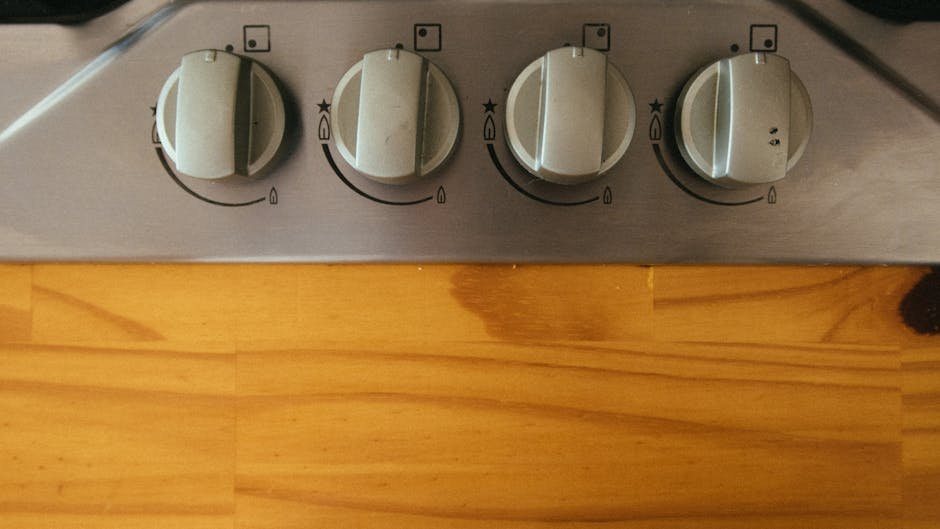
Your stove knobs and controls get touched every day, making them a hotspot for grease, grime, and bacteria. If you’ve ever noticed sticky residue or stubborn stains, you know how tricky they can be to clean.
But don’t worry—cleaning your stove knobs doesn’t have to be a frustrating chore. In this guide, you’ll discover simple, effective steps to make your stove look and feel fresh again. Keep reading to learn how to get your stove knobs sparkling clean with easy methods you can do right now.
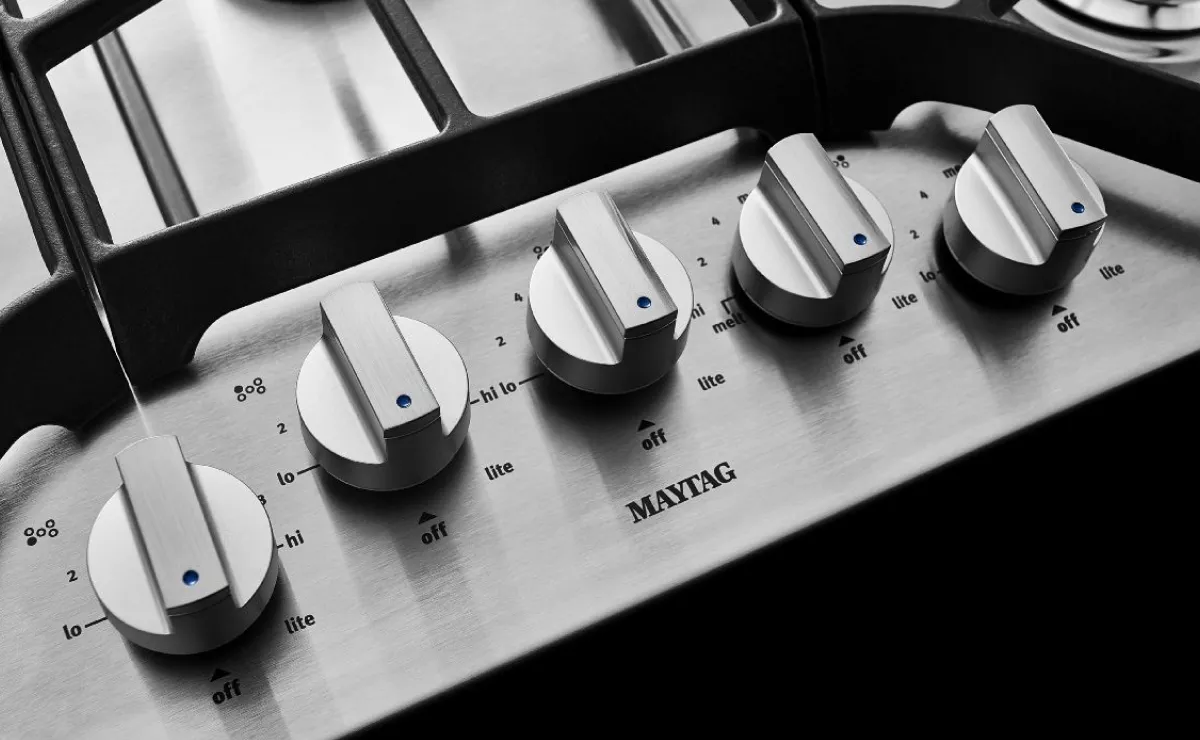
Credit: www.maytag.com
Importance Of Cleaning Stove Knobs
Stove knobs and controls get dirty quickly from food spills and grease. Keeping them clean helps your kitchen look neat.
Clean knobs also keep your stove working well and stop germs from spreading.
Preventing Buildup Of Grease And Dirt
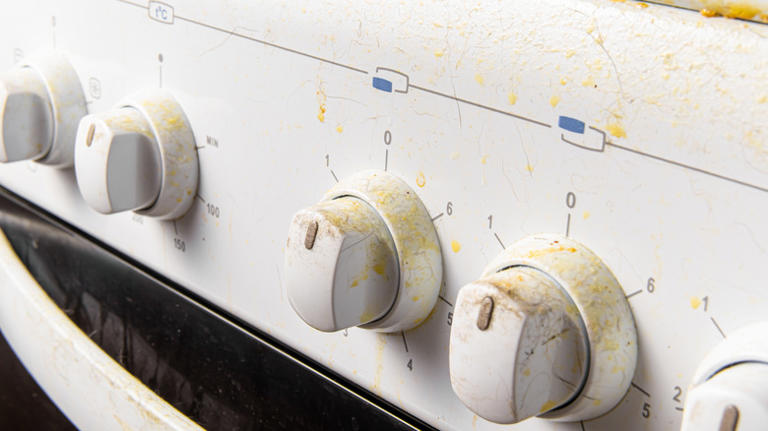
Grease and dirt can build up on stove knobs if you do not clean them often. This buildup makes knobs sticky and hard to turn.
Removing grease keeps knobs smooth and easy to use every day.
Improving Kitchen Hygiene
Dirty stove knobs carry germs and bacteria from food and hands. Cleaning stops germs from spreading in your kitchen.
Regular cleaning helps keep your cooking area safe and healthy.
Protecting The Stove’s Functionality
Food and grease can damage the stove’s controls if left on knobs for too long. Dirt may cause knobs to break or stop working.
Cleaning knobs often helps your stove last longer and work better.
Common Issues Caused By Dirty Knobs
Dirty stove knobs can cause many problems in your kitchen. Grease and food build-up make knobs hard to turn.
Dust and grime can stop the controls from working properly. This can make cooking unsafe and frustrating.
Knobs Become Sticky And Hard To Turn
Food spills and grease cause knobs to stick. Sticky knobs make it hard to adjust heat levels.
This problem can slow down cooking and lead to uneven heating.
Controls Stop Responding Correctly
Dirt can block the stove control mechanism. When controls do not respond, the stove may not turn on or off.
This issue can cause safety hazards and waste energy.
Knobs Look Dirty And Unhygienic
Dirty knobs have visible stains and food particles. This makes your kitchen look messy and unclean.
Germs can grow on dirty knobs, increasing the risk of illness.
Knobs May Break Or Wear Out Faster
Grease and grime cause wear on knob parts. Dirt can make plastic or metal parts crack or break.
Regular cleaning helps keep knobs working longer and saves money on repairs.
Materials Needed For Cleaning
Cleaning stove knobs and controls is important to keep your kitchen safe and tidy. You need the right materials to clean them well.
This guide lists the materials you need for effective and safe cleaning.
Mild Dish Soap
Mild dish soap helps remove grease and dirt without damaging the knobs. It is gentle and safe to use on most surfaces.
Use warm water mixed with dish soap to create a cleaning solution.
Soft Cloth Or Sponge
A soft cloth or sponge prevents scratches on the knobs and controls. Avoid abrasive materials that can damage the surface.
Use the cloth or sponge with soap and water to gently clean the knobs.
Old Toothbrush
An old toothbrush helps clean hard-to-reach areas around the knobs. Its soft bristles remove dirt and grime from small crevices.
Use the toothbrush with soap solution for detailed cleaning.
Cotton Swabs
Cotton swabs are perfect for cleaning tiny spaces between the knobs and stove surface. They help remove dirt where cloths cannot reach.
Dip cotton swabs in the cleaning solution for precise cleaning.
Bowl Or Basin
You need a bowl or basin to soak removable knobs. Soaking loosens tough grease and dirt for easier cleaning.
Fill it with warm soapy water before placing the knobs inside.
Towel Or Dry Cloth
Use a towel or dry cloth to dry the knobs after cleaning. Drying prevents water spots and damage to the controls.
Make sure knobs are completely dry before putting them back on the stove.
Credit: www.msn.com
Preparing The Stove For Cleaning
Cleaning stove knobs and controls keeps your kitchen safe and tidy. Before cleaning, prepare the stove properly.
Proper preparation helps avoid damage and makes cleaning easier. Follow simple steps to get started.
Turn Off The Stove And Disconnect Power
Safety comes first. Make sure all stove burners are off before cleaning.
If your stove is electric, unplug it or switch off the circuit breaker. This prevents accidents.
Remove Stove Knobs Carefully
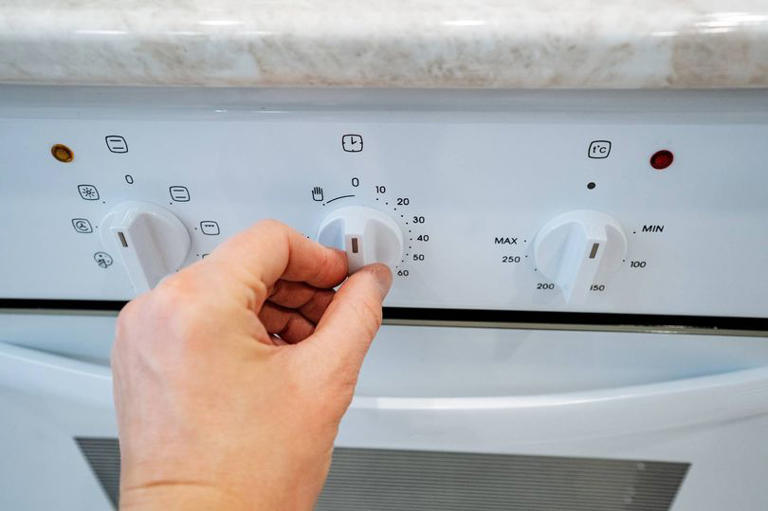
Most stove knobs can be pulled straight off. Check your stove manual if unsure.
Removing knobs makes cleaning easier and protects the controls from water damage.
Protect Surrounding Areas
Cover nearby surfaces with a towel or cloth. This stops water or cleaner from spreading.
- Use a damp cloth to wipe spills
- Place paper towels around the stove
- Remove flammable items from the area
Gather Cleaning Supplies
Prepare gentle cleaners like dish soap, warm water, and a soft cloth or brush.
Avoid harsh chemicals that can harm stove surfaces or knobs.
Removing The Knobs Safely
Cleaning stove knobs helps keep your kitchen tidy and safe. Removing the knobs carefully stops damage.
Follow simple steps to take off the knobs without breaking them. This guide shows how to do it right.
Turn Off The Stove
Always make sure the stove is off before removing the knobs. This avoids accidents or burns.
Check The Type Of Knobs
Look closely at your knobs. Some twist off, some pull straight off the control shaft.
- Twist knobs turn counterclockwise to remove.
- Pull knobs gently straight outward.
- Refer to your stove manual if unsure.
Use Gentle Pressure
Apply slow and steady force to avoid breaking the knob or control shaft. Avoid jerky pulls.
If a knob feels stuck, wiggle it lightly while pulling. Do not use tools that can damage parts.
Clean The Area Before Removal
Wipe around the knobs to remove grease and dirt. This helps prevent grime from falling inside.
Use a damp cloth with mild soap. Dry the area before removing the knobs.
Keep Track Of Knobs And Screws
Place removed knobs in a safe spot to avoid losing them. Some knobs have small screws to remove first.
- Use a small container for screws.
- Label knobs if they look similar.
- Handle all parts gently.
Credit: www.msn.com
Cleaning The Knobs
Stove knobs get dirty from grease and food spills. Cleaning them keeps your kitchen safe and fresh.
Removing the knobs makes cleaning easier. Use gentle cleaning methods to avoid damage.
Using Soap And Water
Soap and warm water work well to remove light dirt. This method is quick and safe for most knobs.
Take off the knobs and soak them in soapy water for a few minutes. Then scrub with a soft cloth or brush.
- Use mild dish soap
- Use warm water, not hot
- Scrub gently to avoid scratches
- Rinse and dry completely before reattaching
Vinegar Solution Method
White vinegar is a natural cleaner that removes grease and kills germs. Mix it with water for safe cleaning.
Soak the knobs in a solution of equal parts vinegar and water. Let them sit for 10 to 15 minutes, then wipe clean.
- Use white vinegar, not flavored vinegar
- Mix equal parts vinegar and water
- Do not soak plastic knobs too long
- Wipe dry after cleaning
Baking Soda Paste Technique
Baking soda makes a gentle abrasive paste. It helps remove tough stains and grease from knobs.
Mix baking soda with a little water to form a paste. Apply it on the knobs and scrub softly with a brush or cloth.
- Use 3 parts baking soda to 1 part water
- Apply paste on dirty areas
- Scrub gently to avoid damage
- Rinse thoroughly and dry before use
Cleaning The Control Panel
Cleaning the control panel on your stove keeps it looking nice and working well. Dirt and grease can build up over time.
Use gentle cleaning steps to protect the buttons and displays. This helps avoid damage and keeps controls working.
Avoiding Damage To Electronic Controls
Electronic controls can break if water or harsh cleaners get inside. Keep liquids away from the panel edges.
Do not spray cleaners directly on the control panel. Use a damp cloth instead to stop moisture from entering.
- Turn off the stove before cleaning
- Use a soft, damp cloth for wiping
- Avoid spraying liquids directly
- Do not use abrasive sponges or pads
- Dry the panel carefully after cleaning
Gentle Cleaning Techniques
Use mild soap and warm water on a soft cloth to clean. Avoid strong chemicals that can harm the surface.
Clean small areas gently to remove grease and dirt. Rinse the cloth often and change water if it gets dirty.
- Mix a few drops of mild dish soap with water
- Dampen a soft cloth with the soapy water
- Wipe the control panel gently in small sections
- Use a clean, damp cloth to remove soap
- Dry the panel with a soft towel
Reassembling And Testing The Knobs
After cleaning your stove knobs and controls, it is important to put them back correctly. Proper reassembly ensures the stove works safely and smoothly.
Testing the knobs after reassembly helps you find any problems early. This keeps your stove in good condition for cooking.
Align The Knobs Properly
Make sure each knob matches its control stem. Align the flat side of the knob with the flat part of the stem. This helps the knob fit correctly.
Do not force the knob if it does not fit easily. Check the alignment and try again gently. Forcing can break the knob or control.
Secure The Knobs Firmly
Push the knob onto the stem until it clicks or feels tight. A loose knob may not control the stove properly.
If the knob has a screw, tighten it with a screwdriver. This keeps the knob from slipping during use.
Test Each Knob Carefully
Turn each knob slowly to check if it moves smoothly. The knob should control the flame or heat setting without sticking.
Listen for clicks or stops that show the knob is working well. If a knob does not turn well, remove and check for dirt or damage.
Check The Stove Functions
Turn on the stove burners one by one after reassembling the knobs. Make sure the flame lights and changes size with the knob.
- Burners should light quickly
- Flame size should change smoothly
- Knobs should return to the off position easily
Turn off all burners after testing. If any burner does not work, recheck the knob and control connections.
Clean Up And Final Inspection
Wipe any fingerprints or smudges on the knobs with a clean cloth. A neat stove looks better and works well.
Look for any loose parts or unusual sounds when using the knobs. Fix problems before using the stove regularly.
Regular Maintenance Tips
Cleaning stove knobs and controls regularly keeps your kitchen safe and tidy. Dirt and grease can build up fast.
Simple cleaning helps your stove work well and last longer. It also stops germs from spreading.
Remove Knobs Carefully
Take off the knobs gently before cleaning. This lets you reach all the dirt under them.
Check your stove manual if you are not sure how to remove the knobs safely.
Use Mild Soap And Water
Mix warm water with mild soap to clean knobs and controls. Harsh chemicals can damage the surface.
Soak the knobs for a few minutes, then wipe with a soft cloth or sponge.
Avoid Excess Water On Controls
Do not pour water directly on the control panel. Water can damage electrical parts inside.
Use a damp cloth to clean the controls gently. Dry the area well after cleaning.
Clean Regularly To Prevent Build-up
Wipe down knobs and controls after cooking. This stops grease and food from sticking hard.
- Clean knobs once a week
- Wipe controls after each use
- Deep clean monthly for best results
Dry Thoroughly Before Reassembling
Make sure knobs and controls are completely dry before putting them back. Moisture can cause rust or damage.
Use a dry cloth or air dry on a clean towel for best results.
Troubleshooting Common Problems
Stove knobs and controls can get dirty or sticky over time. This can make cooking harder and unsafe.
Cleaning these parts helps keep your stove working well. Here are common problems and solutions.
Knobs Are Sticky Or Hard To Turn
Sticky knobs often happen because of food spills or grease buildup. This makes turning the knob difficult.
Remove the knobs carefully and soak them in warm, soapy water. Use a soft brush to clean dirt.
- Turn off the stove before removing knobs
- Do not use harsh chemicals that can damage the knobs
- Dry the knobs fully before putting them back
Knobs Won’t Turn At All
If knobs do not turn, dirt or grease might have jammed the control shaft. Sometimes the knob is broken.
Clean around the control shaft with a cotton swab and rubbing alcohol. If broken, replace the knob.
- Unplug the stove before cleaning
- Check for cracks or damage on the knob
- Use gentle cleaning tools to avoid damage
Controls Show Wrong Settings
Sometimes the knob points to the wrong heat level. This can happen if the knob is loose or misaligned.
Remove the knob and align it properly on the control shaft. Make sure it fits tightly and points correctly.
- Do not force the knob on the shaft
- Test the knob by turning it after fixing
- Replace the knob if it is worn out
Knobs Feel Loose Or Wobbly
Loose knobs can cause wrong heat settings. They may not turn the stove on or off properly.
Check if the knob clips or screws are damaged. Tighten or replace parts to secure the knob firmly.
- Inspect knob attachments regularly
- Use small tools to tighten screws
- Replace damaged clips with matching parts
Grease And Dirt Build Up On Controls
Grease and dirt can cover control panels and knobs. This makes controls hard to read and dirty.
Use a soft cloth with mild detergent to wipe the controls. Avoid soaking control panels to prevent damage.
- Turn off and unplug the stove before cleaning
- Use gentle cleaners safe for plastic and metal
- Dry the area with a soft cloth after cleaning
Frequently Asked Questions
How Do I Safely Remove Stove Knobs For Cleaning?
To remove stove knobs safely, first turn off the stove. Gently pull each knob straight out. Avoid using excessive force to prevent damage. Check your stove’s manual for specific instructions. This ensures easy cleaning without harming the controls.
What Household Items Clean Stove Knobs Effectively?
Use warm soapy water, baking soda paste, or vinegar solution. These household items remove grease and grime gently. Avoid harsh chemicals to protect knob surfaces. Soak knobs briefly, then scrub with a soft brush for best results.
How Often Should Stove Knobs Be Cleaned?
Clean stove knobs weekly to prevent grease buildup. Regular cleaning maintains hygiene and improves stove appearance. Wipe down knobs after heavy cooking sessions. Consistent care extends the life of your stove controls.
Can I Clean Stove Controls Without Removal?
Yes, use a damp cloth with mild detergent. Avoid excess moisture to prevent electrical issues. Clean around controls gently to remove dirt and grease. This method is quick and safe for routine maintenance.
Conclusion
Cleaning stove knobs and controls keeps your kitchen safe and fresh. Regular cleaning stops grease and dirt build-up. Use gentle cleaners and soft cloths for best results. Removing knobs carefully helps reach hidden spots. Dry all parts well before putting them back.
This simple routine saves time and effort later. A clean stove looks nice and works better. Try these tips often to keep your kitchen shining. Easy to do, quick to finish. A small step for a big difference.