
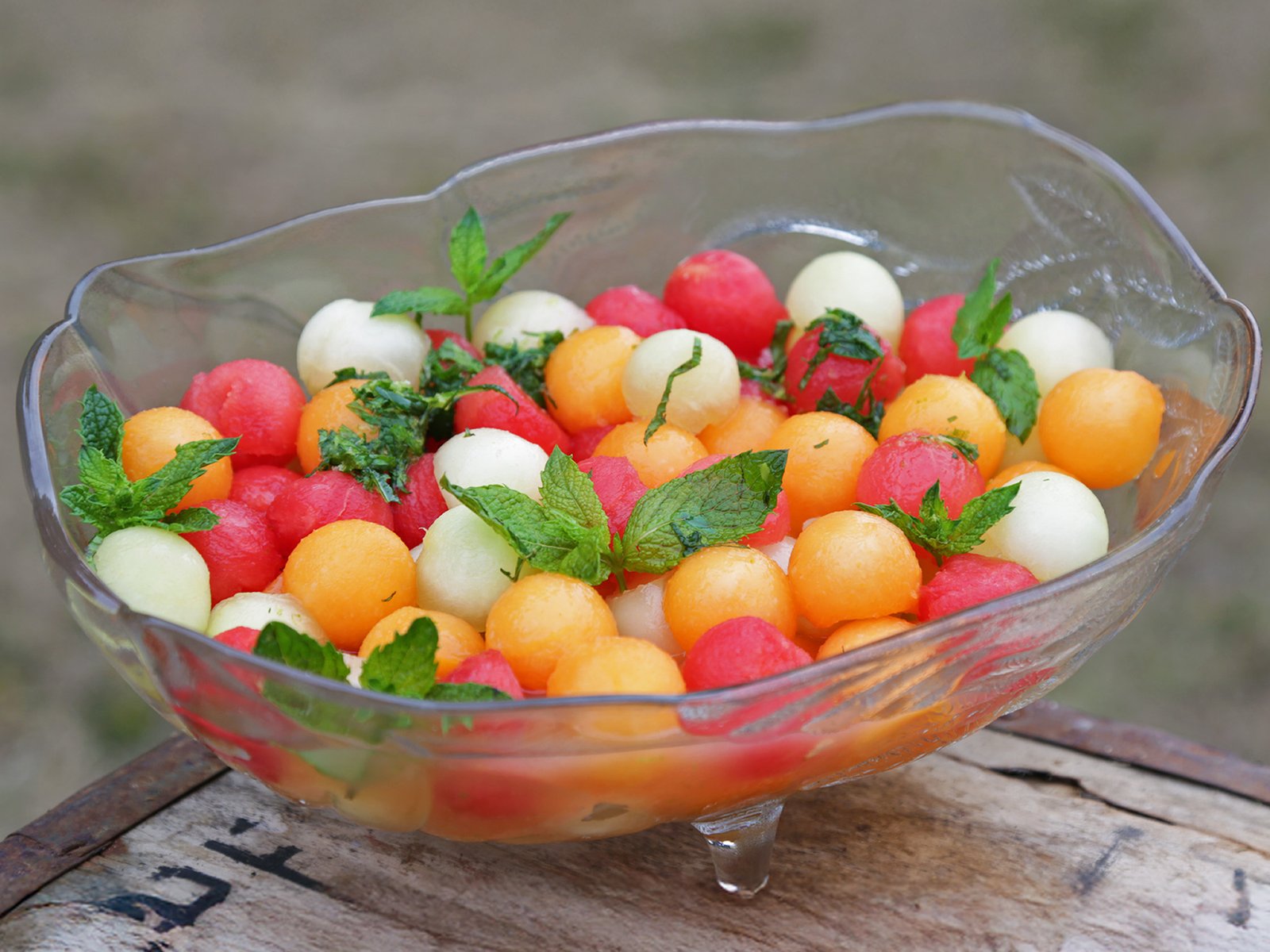
Are you ready to take your fruit presentations and snacks to the next level? A melon baller is a simple tool, but using it efficiently can make a big difference in your kitchen.
Whether you want perfectly shaped melon balls for a salad, a refreshing dessert, or a creative garnish, mastering this tool will save you time and effort. You’ll discover easy tips and tricks to use your melon baller like a pro.
Keep reading to unlock the secrets that will make your fruit preparation faster, neater, and more enjoyable.
Credit: www.tastingtable.com
Choosing The Right Melon Baller
Using a melon baller is easy if you pick the right one. The right tool helps you make perfect melon balls quickly.
Choosing the right melon baller depends on the type, size, and material. These factors affect how well it works.
Types And Sizes
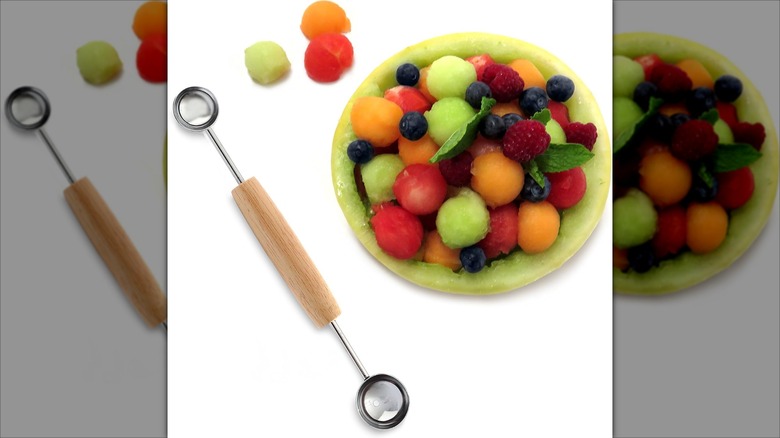
Melon ballers come in different types and sizes. Some have one scoop, others have two different-sized scoops.
Small melon ballers make tiny balls. Large ones make bigger balls for salads or desserts.
- Single scoop: Simple and easy to use
- Double scoop: Two sizes in one tool
- Small size: About 1 inch diameter
- Medium size: Around 1.5 inches diameter
- Large size: Up to 2 inches diameter
Material Considerations
Materials affect the melon baller’s strength and comfort. Common materials include stainless steel and plastic.
Stainless steel is strong and lasts long. Plastic is light but may break easily. Some handles have rubber for better grip.
- Stainless steel: Durable and easy to clean
- Plastic: Lightweight but less sturdy
- Rubber handles: Comfortable and slip-resistant
Preparing The Melon
Using a melon baller is easier with the right preparation. Preparing the melon well helps you get smooth and round melon balls.
Start by choosing a good melon and cutting it properly. This makes your work faster and cleaner.
Selecting The Best Melon
Pick a melon that is ripe and firm. The melon should feel heavy for its size. This means it has more juice and sweetness.
Look for a melon with a sweet smell. Avoid melons with soft spots or bruises. These signs show that the melon is overripe or damaged.
- Choose melons with a firm texture
- Check for a sweet, fresh smell
- Avoid melons with soft or damaged spots
- Heavier melons usually have more juice
Cutting Techniques
Start by washing the melon to remove dirt. Use a sharp knife to cut the melon in half. This makes it easier to scoop with the melon baller.
Cut the melon into smaller sections if needed. Remove the seeds with a spoon. This clears the way for smooth melon balls.
- Wash the melon before cutting
- Cut the melon into halves or smaller pieces
- Remove seeds with a spoon
- Use a sharp knife to make clean cuts
Mastering The Balling Technique
Using a melon baller can make your fruit look neat and fun. It helps create small, round balls from melons like cantaloupe or watermelon. Learning the right technique saves time and effort.
Focus on how you hold the tool and how much force you use. These details help you scoop perfect balls every time.
Angle And Pressure
Hold the melon baller at a slight angle to the fruit surface. This helps cut into the melon smoothly. Do not push too hard or too soft.
Apply steady pressure while rotating the baller. Too much force can break the ball. Too little makes it hard to scoop out.
- Start with a 45-degree angle to the fruit
- Press gently but firmly into the flesh
- Rotate the baller in a smooth motion
- Adjust pressure based on melon softness
Consistent Sizing
Use the same part of the melon baller each time to keep sizes even. Consistent size makes your presentation look clean and professional.
Check your balls as you go. If some are bigger, try using less pressure or a shallower scoop next time.
- Scoop from similar parts of the fruit
- Keep pressure steady for each ball
- Use the same depth for every scoop
- Practice to improve your control
Creative Uses Beyond Melons
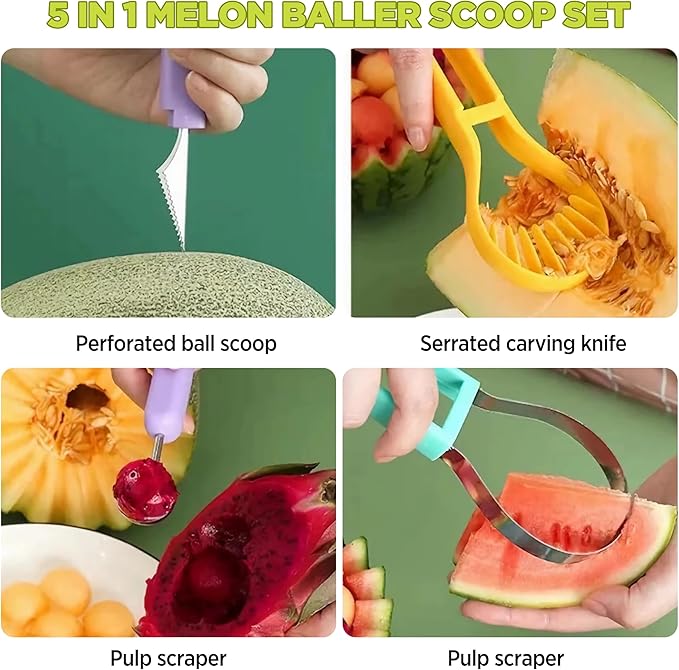
A melon baller is not only for scooping melon balls. It can be used in many creative ways in the kitchen. Using it efficiently saves time and adds style to your food.
This tool works well with other fruits and vegetables. It also helps with garnishing and decorating dishes to make them look great.
Other Fruits And Vegetables
A melon baller can scoop small, round pieces from many fruits and vegetables. This makes snacks and salads more fun to eat. It works well with firm fruits and veggies.
- Use it on apples, pears, and kiwis for bite-sized fruit balls.
- Scoop cucumber and zucchini to add shapes to salads.
- Make small balls from carrots and potatoes before cooking.
- Create uniform pieces from soft fruits like mango or papaya.
Garnishing And Decorating
Use a melon baller to make beautiful garnishes. Small spheres of fruit or vegetables add color and texture to plates. You can also shape butter or cheese for decoration.
- Create fruit balls to top desserts or drinks.
- Shape cheese or butter into small balls for serving trays.
- Hollow out vegetables to fill with dips or spreads.
- Make melon or vegetable balls to decorate salads or appetizers.
Caring For Your Melon Baller
Keeping your melon baller clean and stored well helps it last longer. Proper care keeps it sharp and safe to use.
Learn easy ways to clean and store your melon baller after each use. This will keep it ready for your next kitchen task.
Cleaning Tips
Wash your melon baller soon after using it. This stops fruit juice from drying and sticking.
Use warm water and mild soap. A soft brush helps remove any pulp from hard-to-reach spots.
- Rinse the tool under running water
- Use a soft brush for cleaning holes
- Dry it completely with a towel
- Avoid harsh scrubbing to protect the metal
- Dishwasher use depends on the manufacturer’s advice
Storage Solutions
Store your melon baller in a dry place to prevent rust. Keep it where it won’t get damaged or lost.
Use a drawer organizer or a small container to hold your melon baller with other kitchen tools.
- Keep it in a utensil holder or drawer tray
- Wrap it in a soft cloth if stored with other tools
- Store away from moisture and heat sources
- Check for any rust spots before storing

Credit: www.amazon.ca
Troubleshooting Common Issues
Using a melon baller seems easy, but some problems may happen. These problems can slow you down or spoil your presentation.
Knowing how to fix these issues helps you work faster and get better results with your melon baller.
Avoiding Squished Balls
Squished melon balls happen when you press too hard or use a dull melon baller. This can make the balls lose their shape.
To keep balls round and firm, use gentle pressure and a sharp melon baller. Let the tool do the work, not your hands.
- Hold the melon baller lightly and scoop smoothly.
- Turn the baller gently in the fruit to shape the ball.
- Use a sharp melon baller to cut cleanly.
- Keep the fruit cold to make it firmer and easier to scoop.
Dealing With Sticking
Melon flesh can stick inside the baller, making it hard to release balls. This slows your work and wastes fruit.
Stop sticking by cleaning the baller often and wetting it before use. This helps the melon slide out easily.
- Rinse the melon baller in cold water between scoops.
- Lightly oil the baller for very sticky fruit.
- Use a small brush to clean any stuck pieces after each use.
- Dry the baller well before storing to avoid rust and residue build-up.
Credit: kutkutstyle.com
Frequently Asked Questions
What Is The Best Melon For A Melon Baller?
The best melons for a melon baller are cantaloupe, honeydew, and watermelon. These melons have firm flesh that holds shape well when scooped, making perfect round balls for salads or garnishes. Choose ripe but firm melons for easy, clean scooping.
How Do You Clean A Melon Baller Effectively?
To clean a melon baller, rinse it immediately after use with warm, soapy water. Use a small brush to remove pulp from the scoop edges. Dry it thoroughly to prevent rust and maintain sharpness. Proper cleaning extends the tool’s lifespan.
Can A Melon Baller Be Used For Other Foods?
Yes, a melon baller can scoop other soft foods like avocados, butter, or cheese. It’s great for creating uniform shapes in fruits and vegetables for salads or garnishes. This versatile tool helps add creativity and precision to your dishes.
How Do You Prevent Melon Balls From Sticking?
To prevent melon balls from sticking, lightly coat the melon baller with cooking spray or dip it in cold water before scooping. This creates a slippery surface, allowing smooth, clean scooping. Work quickly to keep the melon cold and firm for best results.
Conclusion
Using a melon baller is simple and fun. Keep your hand steady and scoop gently. Work slowly to make perfect, round balls. Clean the tool after each use to keep it sharp. Practice a few times to get comfortable. Small steps lead to better results.
Enjoy your beautifully shaped fruit pieces in salads or desserts. This tool saves time and makes food look nice. Try different fruits for variety and fun. Your dishes will impress with little effort.