
Are you ready to make cooking faster and easier with a smart pressure cooker? These handy devices can save you time and bring out amazing flavors in your meals.
But to get the best results—and keep you and your kitchen safe—you need to know how to use them properly. You’ll discover simple, clear steps to operate your smart pressure cooker without any worries. Keep reading to unlock the secrets to safe, stress-free cooking that anyone can follow.
Your delicious and safe cooking journey starts here!
Choosing The Right Smart Pressure Cooker
Smart pressure cookers make cooking faster and easier. Choosing the right one helps you cook safely and well.
Think about your cooking needs and kitchen space before buying. This helps you pick the best model.
Key Features To Consider
Look for safety features like automatic pressure control and lid locks. These protect you during cooking.
Check the size and capacity. Choose one that fits your family and cooking habits.
- Pressure release options for safe steam release
- Easy-to-use touchscreen or buttons
- Multiple cooking programs for different foods
- Material quality like stainless steel inner pot
- Keep warm and delay start functions
Brands And Models Comparison
Some brands focus on safety while others add many features. Compare models by what matters most to you.
| Brand | Safety Features | Capacity | Price Range |
|---|---|---|---|
| Brand A | Automatic lid lock, pressure sensor | 6 quarts | Medium |
| Brand B | Steam release valve, overheating protection | 8 quarts | High |
| Brand C | Child lock, pressure control | 4 quarts | Low |

Credit: www.youtube.com
Setting Up Your Smart Pressure Cooker
Using a smart pressure cooker can save time and effort in the kitchen. Setting it up correctly is important for safe and efficient cooking.
This guide will help you start with your smart pressure cooker the right way. Follow the instructions carefully before your first use.
Initial Setup Steps
First, remove all packaging and labels from the cooker. Check that all parts are inside the box.
Wash the inner pot and lid with warm soapy water. Rinse and dry them well before use.
- Place the cooker on a flat, stable surface.
- Make sure the power cord is dry and undamaged.
- Attach the lid securely, aligning the marks if present.
- Check the sealing ring for cracks or damage and fit it properly.
- Fill the inner pot with ingredients, not exceeding the maximum fill line.
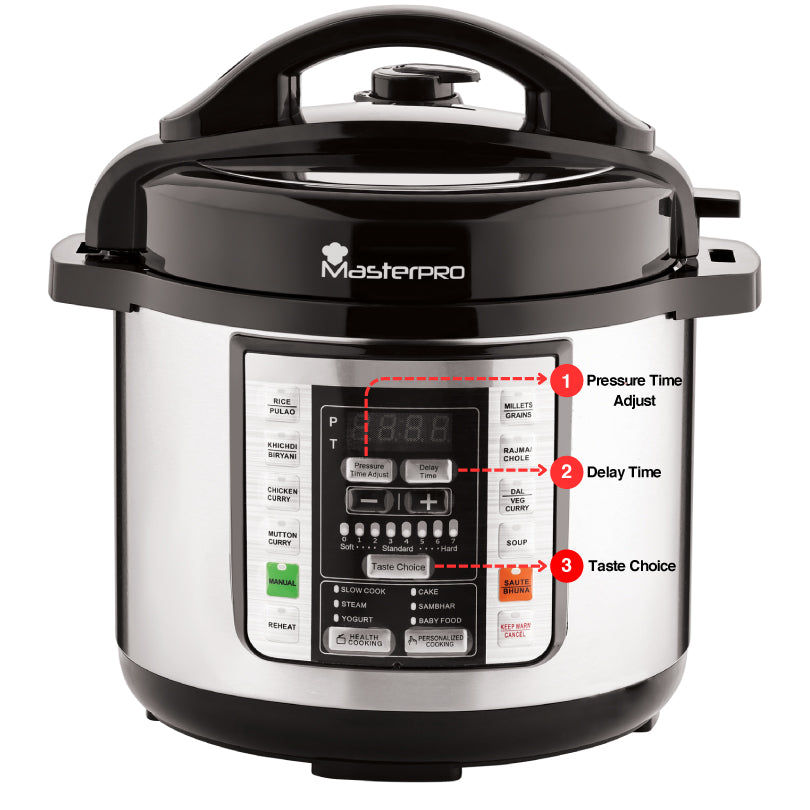
Understanding The Control Panel
The control panel lets you choose cooking modes and adjust settings. It usually has buttons and a digital screen.
Learn what each button does before cooking. This helps avoid mistakes and unsafe use.
- Power Button:Turns the cooker on or off.
- Menu/Mode Button:Selects cooking programs like pressure cook, slow cook, or rice.
- Timer Button:Sets cooking time or delay start.
- Pressure Level Button:Adjusts pressure from low to high.
- Start/Stop Button:Begins or cancels the cooking process.
- Display Screen:Shows time, temperature, and pressure status.
Read the user manual to understand specific buttons and safety alerts your cooker may have.
Safety Features And Their Importance
Smart pressure cookers have safety features to keep you safe. These features prevent accidents and injuries.
Understanding these features helps you use the cooker correctly and avoid dangers. Safety should always come first.
Pressure Release Mechanisms
Pressure release mechanisms let steam escape safely. They stop pressure from building up too much inside the cooker.
These mechanisms include valves and vents that open automatically. They prevent the cooker from exploding or causing burns.
- Pressure release valves open when pressure is high
- Steam vents allow excess steam to exit safely
- Manual release options help control pressure release
- Some cookers lock the lid until pressure drops
Overheat Protection
Overheat protection stops the cooker from getting too hot. It turns off the heat if the temperature rises too much.
This feature prevents food from burning and stops damage to the cooker. It also lowers the risk of fires and accidents.
- Temperature sensors monitor the cooker’s heat
- Automatic shut-off activates if overheating occurs
- Alerts warn the user about high temperatures
- Some models pause cooking until it cools down
Preparing Ingredients For Cooking
Preparing ingredients is important for safe pressure cooking. Cut food into even pieces for quick cooking.
Check that all ingredients are clean and ready before you start. This helps avoid problems during cooking.
Proper Food Placement
Place food properly inside the cooker to allow steam to circulate. Avoid overfilling the pot.
Put dense foods at the bottom and lighter foods on top. This ensures even cooking and safety.
- Do not fill the cooker more than two-thirds full
- Keep small pieces away from the pressure valve
- Use a trivet for delicate foods to keep them off the bottom
Liquid Requirements
Pressure cookers need enough liquid to create steam. Always add the minimum liquid amount suggested in your recipe.
Too little liquid can cause burning or damage. Too much liquid can dilute flavors and cause spills.
- Use at least 1 cup of liquid for most recipes
- Liquids include water, broth, or sauces
- Check your cooker’s manual for exact liquid needs
Cooking Tips And Techniques
Smart pressure cookers make cooking faster and easier. They use controlled heat and pressure to cook food quickly.
Knowing how to use these cookers safely improves your meals and keeps your kitchen safe.
Adapting Recipes For Pressure Cooking
Not all recipes work well in a pressure cooker without changes. You must adjust ingredients and steps.
Reduce the liquid amount because pressure cookers need less water than normal pots. Avoid thick sauces before cooking.
- Use less liquid than usual, about 1 cup or less
- Cut ingredients into uniform sizes for even cooking
- Skip browning or sautéing if recipe allows, or do it inside the cooker first
- Add dairy or thick sauces after pressure cooking finishes
Time And Temperature Adjustments
Pressure cookers cook food faster than regular pots. You must shorten cooking times to avoid overcooking.
Most smart pressure cookers control temperature automatically. Still, you can adjust settings for certain foods.
| Food Type | Regular Cooking Time | Pressure Cooking Time |
|---|---|---|
| Rice | 20-30 minutes | 5-8 minutes |
| Chicken (whole) | 60-90 minutes | 20-25 minutes |
| Vegetables | 15-30 minutes | 3-7 minutes |
| Beans (soaked) | 90-120 minutes | 20-30 minutes |
Cleaning And Maintenance
Keeping your smart pressure cooker clean is key to safe use. Proper care helps it work well for a long time.
Regular cleaning stops food build-up and keeps the cooker safe. Follow simple steps to maintain your device.
Daily Cleaning Routine
Clean your pressure cooker after each use. This stops food residue and keeps it fresh.
Remove the inner pot and wash it with warm soapy water. Rinse and dry it well before putting it back.
- Wipe the outer surface with a damp cloth.
- Check and clean the sealing ring gently.
- Remove and clean the steam release valve.
- Dry all parts thoroughly before reassembling.
Deep Cleaning Methods
Deep cleaning helps remove hidden dirt and build-up inside your cooker. Do this once a month or as needed.
Take apart removable parts for better cleaning. Use baking soda or vinegar for tough stains and smells.
- Soak the sealing ring in warm water with vinegar for 10 minutes.
- Clean the inner pot with a paste of baking soda and water to remove stains.
- Use a small brush to clear the steam release valve and pressure sensor.
- Wipe the lid and cooker base with a soft cloth and mild detergent.
- Let all parts air dry completely before putting them back.
Troubleshooting Common Issues
Smart pressure cookers make cooking easier but can have problems. Knowing how to fix these issues keeps cooking safe and smooth.
Below are tips on handling error codes and unusual noises. These tips help you use your cooker without worry.
Dealing With Error Codes
Smart pressure cookers show error codes to warn you about problems. Each code means something specific. Check your user manual for exact meanings.
Common error codes include overheating, lid not locked, or low water. Stop cooking and fix the issue before continuing.
- Check the lid is closed tightly and locked.
- Make sure there is enough water inside.
- Clean the sealing ring and steam valve.
- Let the cooker cool down if it is hot.
- Reset the cooker by unplugging and plugging it back in.
Handling Unusual Noises
Smart pressure cookers may make unusual noises if parts are loose or blocked. These sounds warn you something is wrong.
Listen carefully for rattling, hissing, or banging sounds. Stop cooking if noises continue and check your cooker.
- Ensure the lid is locked properly.
- Check the steam release valve is clean and clear.
- Look for food stuck in the sealing ring or lid.
- Make sure the cooker is on a flat, stable surface.
- Do not force open the lid if pressure is inside.

Credit: www.reddit.com
Credit: bergnerhome.in
Frequently Asked Questions
How Do I Safely Operate A Smart Pressure Cooker?
Always read the user manual before use. Check seals and valves for damage. Never overfill the cooker. Use recommended liquid amounts to avoid burning or pressure issues.
What Safety Features Do Smart Pressure Cookers Have?
Smart pressure cookers include locking lids, pressure sensors, and automatic shut-off. These features prevent accidents by controlling pressure and stopping the cooker if unsafe conditions arise.
Can I Open The Smart Pressure Cooker Immediately After Cooking?
No, wait until the pressure fully releases. Use the natural release or quick release function as per your recipe. Opening too soon can cause burns from steam.
How Often Should I Clean My Smart Pressure Cooker?
Clean after every use. Remove and wash the sealing ring, lid, and inner pot. Regular cleaning prevents food buildup and ensures safe, efficient operation.
Conclusion
Using smart pressure cookers safely keeps your kitchen accident-free. Always follow the user guide carefully. Check the seals and valves before each use. Never force the lid open while pressure remains inside. Keep children and pets away during cooking. Clean the cooker parts regularly to avoid buildup.
Take your time to learn its functions well. Cooking with care brings tasty meals and peace of mind. Safe use means happy cooking every day.