

Your fridge is more than just a place to store food—it’s a frontline defense against harmful bacteria. But did you know that without proper care, your fridge can become a hotspot for cross-contamination?
This means germs from one food can easily spread to another, putting your health at risk. You might think you’re keeping things clean, but small mistakes can lead to big problems. You’ll discover simple and effective tips to prevent cross-contamination in your fridge.
By following these easy steps, you’ll protect your family and enjoy fresher, safer meals every day. Keep reading to learn how to turn your fridge into a clean, safe zone for your food.
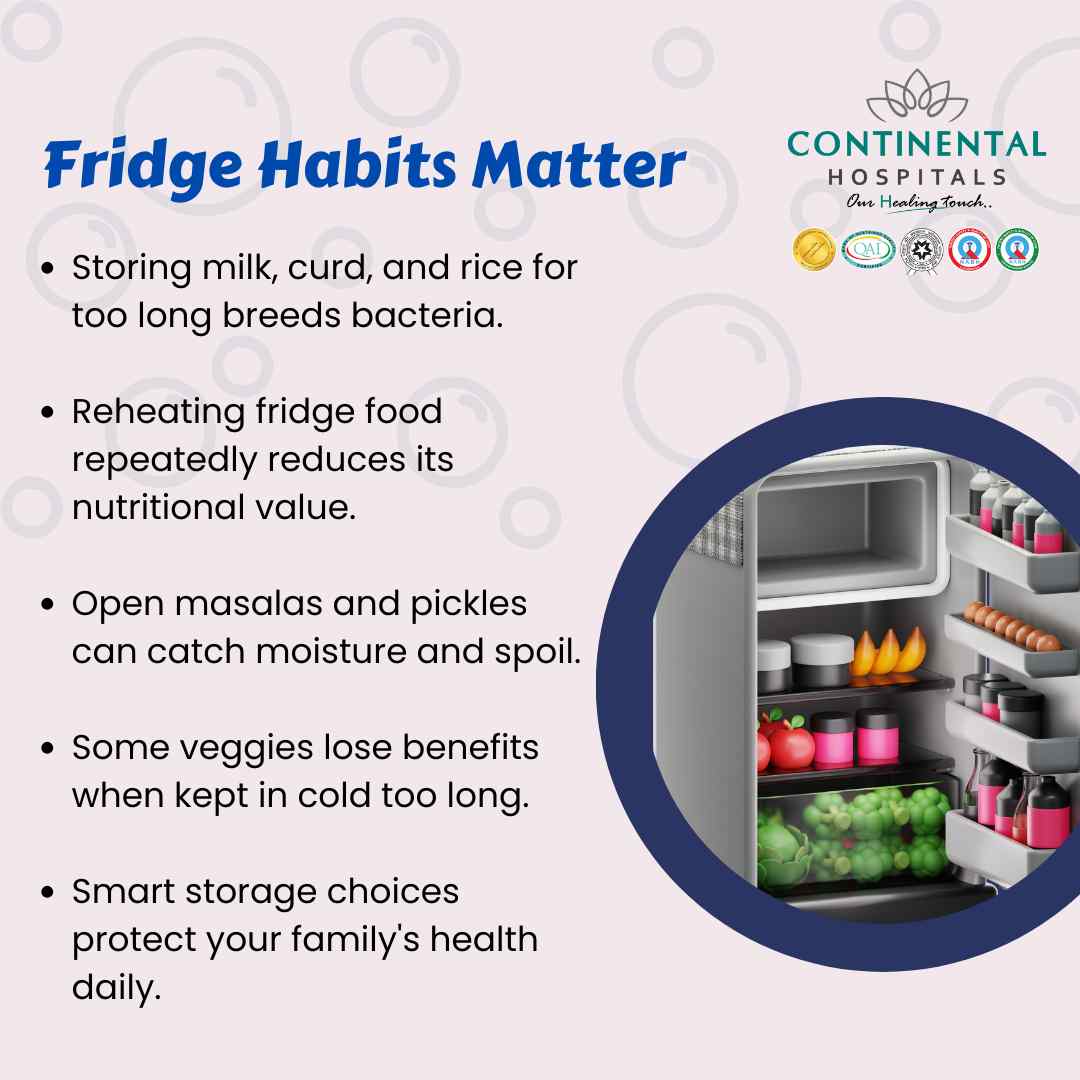
Credit: continentalhospitals.com
Organizing Food Storage
Keeping your fridge clean and organized helps stop germs from spreading. Good food storage lowers the risk of cross-contamination.
Sorting food by type and shelf prevents raw juices from touching ready-to-eat items. This keeps your food safe and fresh.
Top Shelf Safety
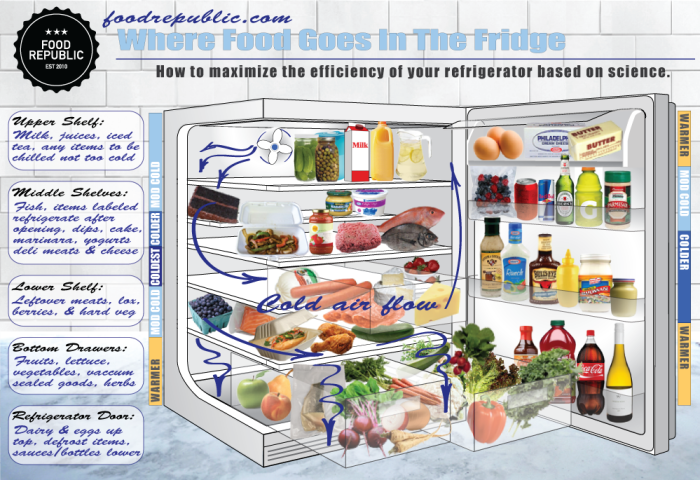
The top shelf is best for foods that do not drip or leak. Store leftovers, drinks, and ready-to-eat items here.
Keep foods in sealed containers to stop spills and keep smells from mixing. This helps protect food from germs.
- Use airtight containers for leftovers
- Store dairy products like cheese and yogurt
- Avoid placing raw meat or fish here
Middle Shelf Management
The middle shelf holds foods that need even cooling but do not drip. Eggs, cooked meats, and packaged foods fit well here.
Keep raw and cooked foods separated. Use clear containers to see what is inside and prevent keeping old food too long.
- Store eggs in their carton
- Place cooked meals in sealed dishes
- Keep packaged foods upright and tidy
Bottom Shelf Best Practices
The bottom shelf is the coldest and best for raw meats, fish, and poultry. Store these items on trays to catch drips.
Always place raw foods below ready-to-eat foods. This stops raw juices from dripping onto other items and causing contamination.
- Keep raw meat in sealed containers or bags
- Use trays to catch any leaks
- Clean spills immediately to avoid germs
Proper Food Containers
Using the right food containers helps stop germs from spreading in your fridge. It keeps food fresh and safe to eat.
Good containers also make it easier to organize your fridge and reduce waste. Learn how to pick and use them well.
Choosing The Right Materials
Pick containers made of food-safe materials like glass or BPA-free plastic. These do not leak harmful chemicals.
Avoid containers that can absorb odors or stains. Glass is easy to clean and does not hold smells.
- Glass containers with tight lids
- BPA-free plastic containers
- Stainless steel containers for dry foods
Sealing Techniques
Always seal food containers tightly to stop air and bacteria from entering. Good sealing keeps food fresh longer.
Use containers with snap-on lids or silicone seals. Check lids for cracks or damage before use.
- Press lids firmly to close completely
- Use airtight containers for leftovers
- Replace broken seals immediately
Labeling For Safety
Label containers with the food name and date stored. This helps you use food before it spoils.
Use waterproof labels or markers that do not fade in the fridge. Clear labels reduce confusion and waste.
- Write the food type clearly
- Add the storage date
- Remove old labels before reuse
Raw And Cooked Food Separation
Keeping raw and cooked food apart is important to stop germs from spreading. This helps keep your food safe to eat.
Storing food the right way in your fridge lowers the risk of sickness. Follow simple rules to keep foods separate and clean.
Raw Meat Storage Tips
Store raw meat at the bottom of the fridge to stop drips from touching other foods. Use sealed containers or plastic wrap to cover it well.
Keep raw meat away from fruits, vegetables, and ready-to-eat foods to avoid spreading bacteria.
- Place raw meat on a tray or plate
- Use airtight containers or wrap tightly
- Keep raw meat on the lowest shelf
- Clean hands and surfaces after handling
Cooked Food Placement
Put cooked food on shelves above raw meat. This prevents juices from raw meat from dripping on cooked items.
Store cooked food in clean, sealed containers. This keeps it fresh and safe from germs.
- Use clean containers with lids
- Label and date cooked food
- Keep cooked food away from raw meat
- Check fridge temperature regularly
Avoiding Cross-contact
Cross-contact happens when raw and cooked foods touch. Avoid this to stop germs from spreading.
Use different cutting boards and utensils for raw meat and cooked food. Clean everything well after use.
- Do not place raw and cooked food together
- Wash hands before and after handling food
- Use separate tools for raw and cooked items
- Clean fridge regularly to remove spills
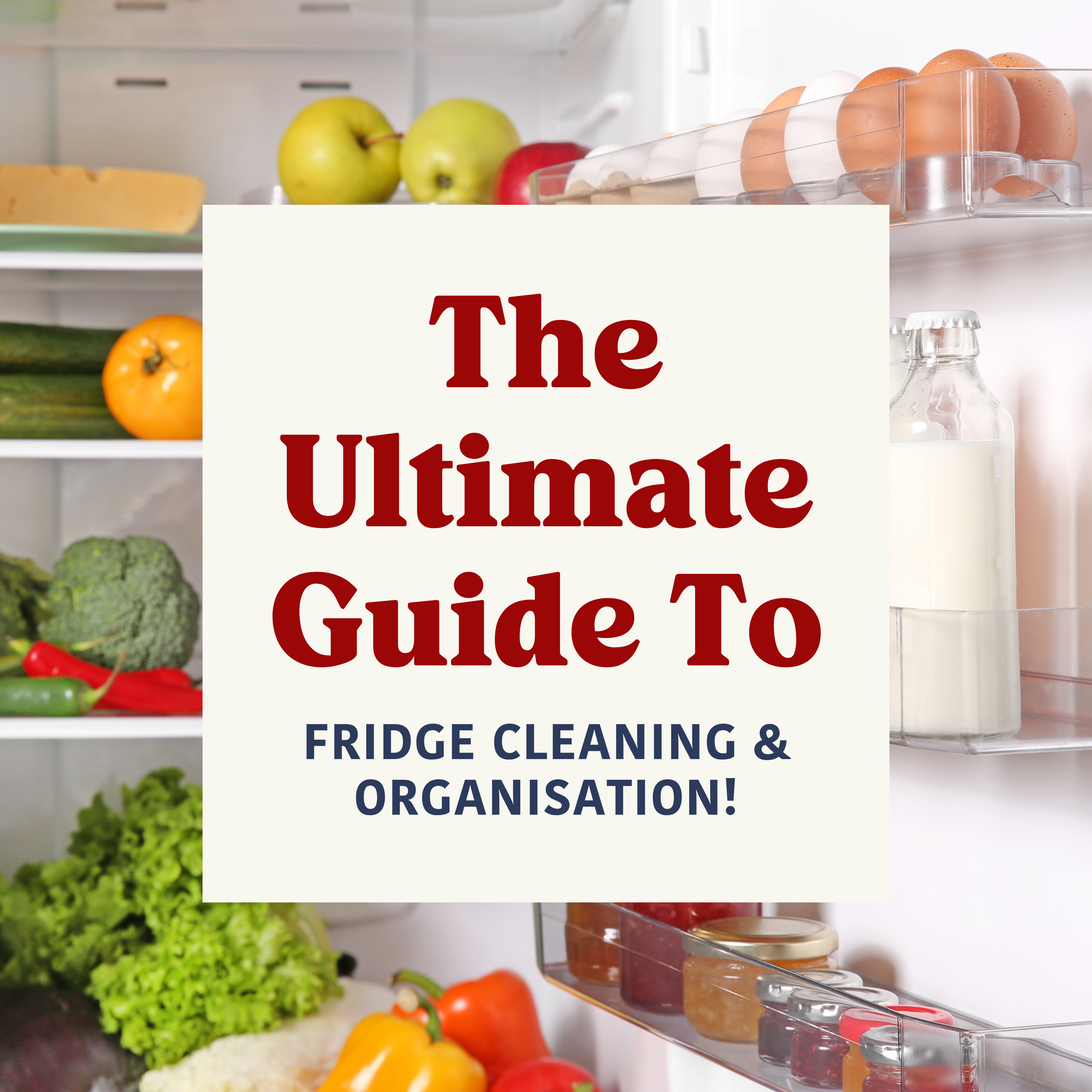
Credit: quanshuiwetmarket.com
Regular Cleaning Routine
Keeping your fridge clean helps stop germs from spreading. A regular cleaning routine keeps food safe and fresh.
Cleaning your fridge often removes spills and dirt. This lowers the risk of cross-contamination.
Cleaning Frequency
Clean your fridge at least once every two weeks. Wipe shelves and drawers to remove spills and crumbs.
Clean more often if you store raw meat or have children. Check for expired food every time you clean.
- Wipe spills immediately to stop germs
- Clean shelves and drawers biweekly
- Inspect food dates regularly
Effective Cleaning Agents
Use mild cleaners to avoid strong smells on your food. Soap and water work well for regular cleaning.
Disinfect with a solution of water and vinegar. Avoid harsh chemicals that can leave harmful residues.
- Mild dish soap and warm water
- White vinegar diluted with water
- Baking soda paste for tough stains
Deep Cleaning Techniques
Take everything out before deep cleaning. Remove shelves and drawers to wash them separately.
Use a soft brush to clean corners. Dry all parts well before putting them back to avoid mold.
- Empty the fridge completely
- Soak and scrub removable parts
- Clean corners with a soft brush
- Dry thoroughly before reassembling
Temperature Control
Keeping the fridge at the right temperature stops germs from growing. This helps prevent cross-contamination in your food.
Proper temperature control keeps food safe and fresh for longer. It lowers the risk of food poisoning.
Ideal Fridge Temperature
Keep your fridge temperature at or below 40°F (4°C). This slows down bacteria growth on food.
Temperatures above 40°F let bacteria multiply faster. This can cause food to spoil and spread germs.
Using Thermometers
Use a fridge thermometer to check the exact temperature. Built-in dials may not always be accurate.
- Place the thermometer in the middle of the fridge.
- Check the temperature daily or weekly.
- Replace batteries if the thermometer is digital.
Adjusting Settings
Adjust the fridge settings if the temperature is too high or low. Small changes can make a big difference.
- Turn the dial to a cooler setting if above 40°F.
- Allow the fridge time to stabilize after changes.
- Keep the fridge door closed to keep the temperature steady.
Credit: medium.com
Use Of Fridge Accessories
Using fridge accessories helps keep food safe and fresh. They reduce the risk of cross-contamination.
Accessories organize items and make cleaning easier. This keeps bacteria from spreading inside the fridge.
Shelf Liners
Shelf liners protect fridge shelves from spills and stains. They create a barrier that stops liquids from spreading.
Linens are easy to remove and clean. This helps keep the fridge hygienic and reduces bacteria growth.
- Use washable or disposable liners
- Replace liners regularly
- Choose non-slip liners to keep items steady
Food Storage Bins
Food storage bins separate different foods inside the fridge. This stops raw and cooked foods from touching.
Bins keep the fridge neat and make it easy to find items. They also stop juices from leaking onto other foods.
- Use clear bins to see contents easily
- Label bins by food type or date
- Clean bins often to prevent bacteria build-up
Odor Absorbers
Odor absorbers remove smells that can spread in the fridge. This keeps food tasting fresh and prevents cross-contamination.
Common absorbers include baking soda and activated charcoal. They absorb odors without adding chemicals to the fridge.
- Place odor absorbers on different shelves
- Replace them every few months
- Keep absorbers away from direct contact with food
Monitoring Expiry Dates
Keeping track of expiry dates helps prevent food spoilage. It also stops cross-contamination in your fridge.
Knowing when food expires lets you use items safely. This reduces waste and keeps your food fresh.
Date Tracking Methods
Write the purchase or expiry date on each item. Use labels or markers that are easy to read.
Check dates regularly to catch food that is close to expiring. This simple step helps keep your fridge safe.
- Use a dry-erase marker on containers
- Attach sticky notes with dates
- Keep a small fridge calendar or list
Fifo Method
FIFO means “First In, First Out.” Use older food before newer items.
Place new groceries behind older products. This way, you eat food before it expires.
- Put new items at the back
- Move older items to the front
- Check expiry dates weekly
Discarding Outdated Items
Throw away food past its expiry date. Old food can cause illness and cross-contamination.
Clean your fridge when you remove expired items. This stops bacteria from spreading to fresh food.
- Check all items for expiry dates weekly
- Dispose of any food that is expired
- Wipe fridge shelves after cleaning out old food
Educating Household Members
Preventing cross-contamination in the fridge starts with teaching everyone in the home. Each person should know the right ways to store food safely.
Clear instructions help keep food fresh and reduce the risk of illness. Education makes safety a shared responsibility.
Sharing Safety Protocols
Explain simple rules for storing raw and cooked foods. Make sure everyone understands why these rules matter.
Use clear labels and signs on fridge shelves to guide food placement. This helps avoid mixing harmful bacteria.
- Keep raw meat on the lowest shelf
- Store cooked food above raw items
- Use sealed containers to prevent leaks
- Clean spills immediately to stop germs
Involving Kids In Food Safety
Teach children why fridge safety is important. Use simple words and fun activities to keep them interested.
Give kids small tasks like labeling leftovers or helping clean shelves. This builds good habits early.
- Show how to wash hands before touching food
- Explain why raw and cooked foods stay separate
- Encourage asking questions about food safety
- Reward careful behavior with praise
Regular Safety Meetings
Hold short talks about fridge safety every week or month. This keeps rules fresh in everyone’s mind.
Use these meetings to share tips and fix problems. Ask family members to share their ideas too.
- Review food storage rules together
- Discuss any spills or messes found
- Plan who cleans the fridge and when
- Update safety tips as needed
Frequently Asked Questions
What Is Cross-contamination In The Fridge?
Cross-contamination occurs when bacteria transfer between foods in the fridge. It can cause foodborne illnesses. Proper storage and separation help prevent this risk.
How To Store Raw Meat To Avoid Cross-contamination?
Store raw meat in sealed containers on the lowest shelf. This stops juices from dripping onto other foods and spreading bacteria.
Why Separate Fruits And Vegetables In The Fridge?
Fruits and vegetables should be stored separately to avoid contamination. Different produce types can harbor unique bacteria and odors that affect each other.
Can Cleaning The Fridge Prevent Cross-contamination?
Regularly cleaning the fridge removes spills and bacteria buildup. Use mild detergent and warm water for effective and safe cleaning.
Conclusion
Preventing cross-contamination in your fridge keeps food safe and fresh. Store raw and cooked foods separately. Use sealed containers to avoid spills and smells. Clean the fridge regularly to stop bacteria growth. Always check food labels and expiration dates. Small habits make a big difference in food safety.
Protect your family by practicing these simple tips every day. A clean, organized fridge means healthier meals and less waste. Stay careful, stay safe.