
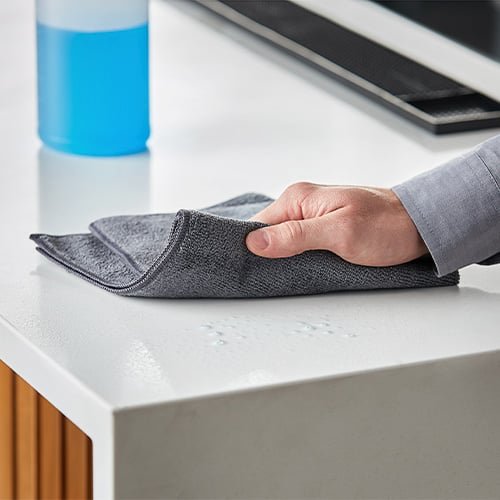
You’ve just finished preparing a delicious meal, but what about your countertops? Keeping them clean and sanitized is more important than you might think.
Germs and bacteria can linger on surfaces, putting your health at risk. You want to make sure your kitchen stays safe and spotless without spending hours scrubbing. You’ll discover simple, effective ways to sanitize your countertops quickly and easily. By the end, you’ll feel confident that your kitchen is as clean as it looks.
Keep reading to learn how to protect yourself and your loved ones with the right cleaning habits.
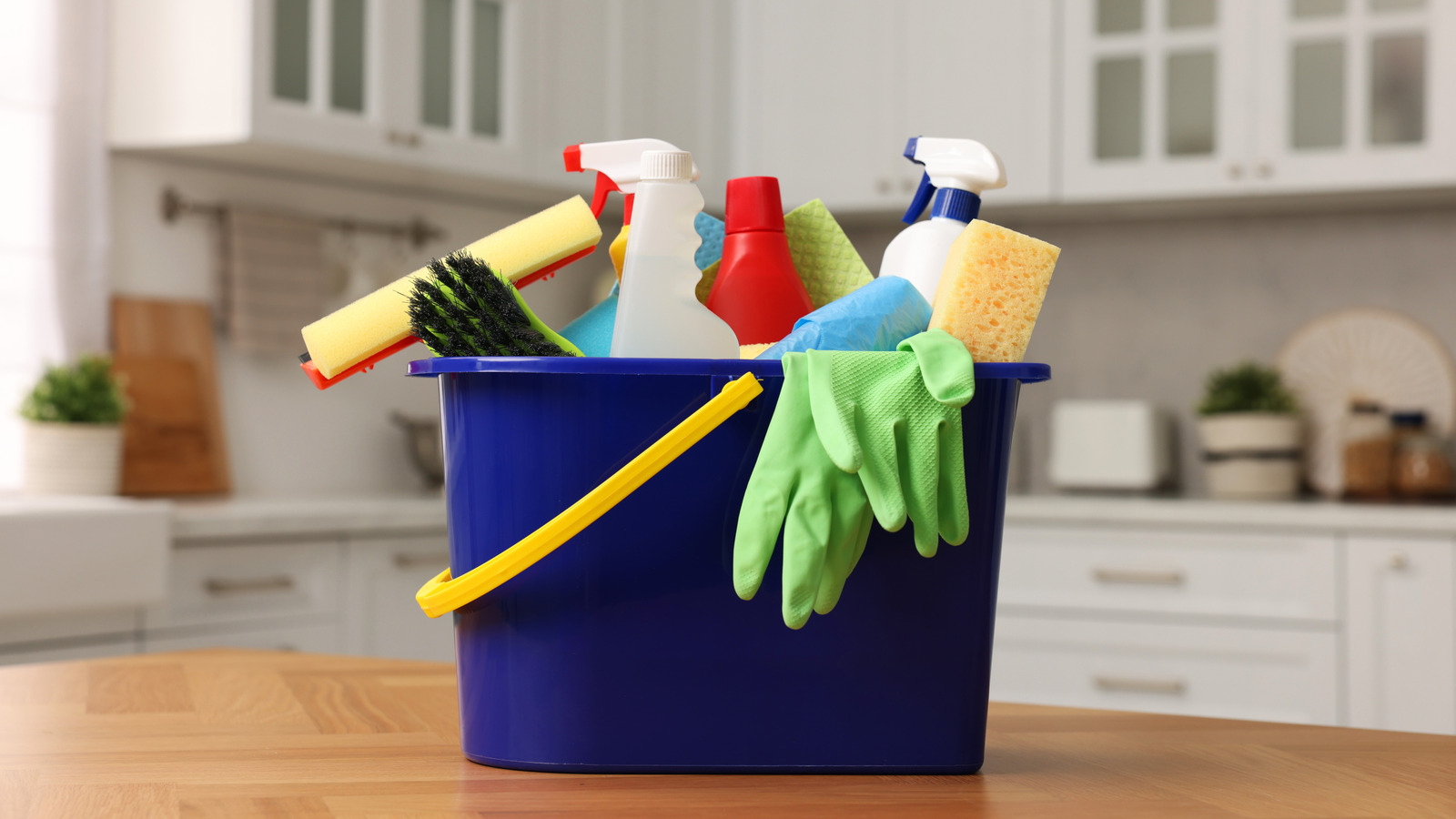
Credit: www.chowhound.com
Importance Of Sanitizing Countertops
Sanitizing countertops after meal prep helps keep your kitchen safe. It stops harmful germs from spreading.
Clean surfaces reduce the risk of foodborne illnesses. This protects your family and guests from getting sick.
Raw foods like meat and vegetables can carry bacteria. Sanitizing stops these germs from moving to other foods.
Wiping and sanitizing countertops after use keeps harmful bacteria away. This lowers the chance of food poisoning.
Maintaining A Healthy Kitchen
Sanitized countertops create a clean cooking space. This helps you prepare meals in a healthy environment.
Regular cleaning also keeps pests like ants and cockroaches away. These pests carry more germs that can harm your food.
Extending Countertop Life
Sanitizing protects your countertop from stains and damage. It helps keep the surface in good condition longer.
Using proper cleaning methods prevents cracks and discoloration. This saves money on repairs and replacements.

Credit: www.youtube.com
Common Contaminants In The Kitchen
Countertops can hold many germs after meal prep. These germs can cause illness if not cleaned well.
Knowing common kitchen contaminants helps you clean better and stay safe.
Bacteria From Raw Meat
Raw meat often carries bacteria like Salmonella and E. coli. These germs spread easily on surfaces.
Touching raw meat and then the countertop spreads bacteria. Cleaning well stops this from spreading.
Food Residue And Juices
Leftover food bits and juices can attract bacteria and mold. They create a perfect place for germs.
Wiping away all food residue quickly helps keep counters safe and clean.
Cross-contamination From Utensils
Used knives and cutting boards can carry germs from raw to cooked food. This spreads bacteria on counters.
Clean utensils before putting them down on the countertop. This reduces contamination risks.
Dirt And Dust Particles
Dirt and dust can settle on kitchen surfaces from air or hands. These particles can carry harmful germs.
Regular cleaning removes dust and dirt, making your countertop safer for food prep.
Moisture And Mold Growth
Water left on countertops can cause mold to grow. Mold can cause allergies and sickness.
Dry counters after cleaning to stop mold from forming and spreading.
Choosing The Right Cleaning Products
Sanitizing countertops after meal prep keeps your kitchen safe and clean. Picking the right cleaning product is very important.
Some cleaners work better on certain surfaces. You should know what to look for before you buy.
Natural Vs. Chemical Cleaners
Natural cleaners use ingredients from plants or minerals. They are gentle on the skin and environment.
Chemical cleaners often kill germs faster. They can be stronger but may irritate skin or damage some surfaces.
- Natural cleaners include vinegar, baking soda, and lemon juice
- Chemical cleaners include bleach and ammonia-based products
- Natural options are safer for children and pets
- Chemical cleaners usually require careful handling and ventilation
Understanding Labels And Ingredients
Always read the label before using a cleaning product. Look for directions and safety warnings.
Check the ingredients to know what chemicals are inside. Avoid harsh chemicals if you want a safer option.
- Look for “EPA-approved” to ensure it kills germs effectively
- Avoid cleaners with strong fragrances or dyes if you have allergies
- Choose products labeled “non-toxic” or “biodegradable” for eco-friendly use
- Follow the instructions for proper use and dilution
Step-by-step Cleaning Process
Cleaning countertops after meal prep keeps your kitchen safe and hygienic. Following the right steps helps remove germs and food residue.
This guide shows how to sanitize countertops with easy steps anyone can follow.
Clearing The Surface
Start by removing all items from the countertop. Clear plates, utensils, and food scraps to clean thoroughly.
Wipe away crumbs and loose dirt with a dry cloth or paper towel. This prepares the surface for deep cleaning.
Applying Cleaning Solution
Choose a safe cleaning solution for your countertop material. Apply it evenly over the entire surface.
Use a clean sponge or cloth to spread the solution. Let it sit a few minutes to kill bacteria.
- Use diluted bleach for disinfecting (1 tablespoon bleach to 1 quart water)
- Or use a commercial kitchen cleaner labeled safe for your countertop
- Avoid harsh chemicals on porous materials like wood or natural stone
Proper Rinsing Techniques
After cleaning, rinse the countertop well with clean water. This removes leftover cleaning solution and dirt.
Use a damp cloth or sponge to wipe down the surface multiple times. Make sure no residue remains.
- Use warm water to help remove cleaning agents
- Rinse cloth or sponge often during wiping
- Check corners and edges carefully for any leftover cleaner
Drying The Countertop
Dry the countertop with a clean towel or paper towels. This prevents water spots and streaks.
Allow the surface to air dry fully before placing items back. A dry surface helps stop bacteria growth.
Special Tips For Different Materials
Sanitizing countertops after meal prep keeps your kitchen clean and safe. Different materials need special care to avoid damage.
Use the right cleaning methods for each type of surface. This helps keep your countertops looking good for a long time.
Granite And Marble Care
Granite and marble are natural stones that can stain or dull easily. Use gentle cleaners made for stone surfaces.
Avoid acidic or abrasive products. Wipe spills quickly to prevent stains.
- Use a soft cloth and warm water with mild soap
- Dry the surface after cleaning to prevent water spots
- Apply a stone sealer every few months to protect the surface
- Do not use vinegar, lemon, or bleach on these stones
Handling Wooden Surfaces
Wooden countertops need gentle cleaning to avoid warping or cracking. Use mild soap and water for cleaning.
Wipe the surface dry after cleaning. Avoid soaking wood with water to keep it safe.
- Clean with a soft cloth and mild dish soap
- Dry immediately to prevent water damage
- Use mineral oil or wood conditioner regularly to keep wood healthy
- Do not use harsh chemicals or abrasive scrubbers
Stainless Steel Maintenance
Stainless steel surfaces clean easily but can show fingerprints and streaks. Use a soft cloth and gentle cleaner.
Wipe in the direction of the grain to avoid scratches and keep shine.
- Use a mild detergent or special stainless steel cleaner
- Dry with a microfiber cloth to prevent water spots
- Buff with a small amount of olive oil for extra shine
- Avoid steel wool or abrasive pads that scratch the surface
Preventing Cross-contamination
Cross-contamination happens when harmful germs spread from one surface to another. It can cause foodborne illnesses. Cleaning and sanitizing countertops after meal prep helps stop this spread.
Using safe habits like separate cutting boards and good hand hygiene keeps your kitchen clean. These steps protect your family from bacteria and viruses.
Using Separate Cutting Boards
Use different cutting boards for raw meat, vegetables, and cooked food. This stops germs from raw meat reaching other foods. Plastic boards are easier to clean well.
Wash each board with hot soapy water after use. Then sanitize it before using again. This keeps your kitchen safe and clean.
- Use one board for raw meat and poultry
- Use another board for vegetables and fruits
- Use a separate board for cooked foods
- Clean and sanitize boards after each use
Proper Hand Hygiene
Wash your hands often during meal prep. Clean hands stop germs from spreading to food and surfaces. Use warm water and soap for at least 20 seconds.
Dry your hands with a clean towel or paper towel. Avoid touching your face, phone, or other items while cooking. This keeps your hands clean and safe.
- Wash hands before and after handling raw food
- Scrub all parts of your hands well
- Use hand sanitizer only if soap is not available
- Dry hands completely before touching food
Eco-friendly Sanitizing Options
Cleaning your countertops after meal prep keeps your kitchen safe. Choosing eco-friendly options protects your home and the planet.
Natural ingredients and reusable tools reduce waste. They help you sanitize without harmful chemicals.
Diy Cleaning Solutions
You can make safe cleaners at home using simple items. These solutions kill germs and keep surfaces clean.
Use white vinegar, baking soda, and lemon juice. These ingredients work well and are easy to find.
- Mix equal parts water and white vinegar in a spray bottle.
- Add a few drops of lemon juice for extra freshness.
- Sprinkle baking soda on tough stains before spraying the solution.
- Let it sit for a few minutes, then wipe clean with a cloth.
Reusable Cleaning Tools
Reusable cloths and scrubbers cut down on trash. They last longer and clean well.
Choose materials like cotton or bamboo. These are gentle on surfaces and eco-friendly.
- Use microfiber cloths for wiping and drying.
- Try bamboo scrub brushes for scrubbing without scratching.
- Keep cloths in a washable bag to reuse easily.
- Wash tools regularly to keep them fresh and clean.
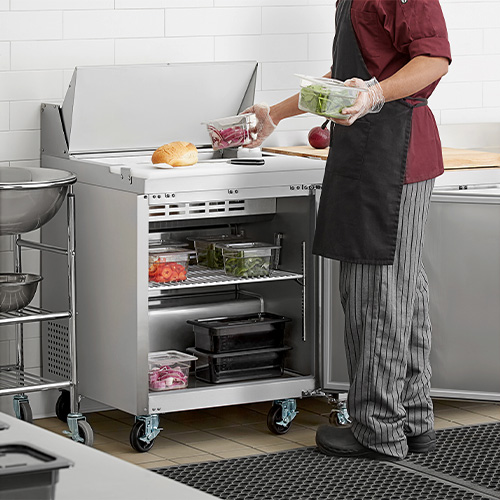
Credit: www.webstaurantstore.com
Maintaining A Routine Cleaning Schedule
Sanitizing countertops after meal prep keeps your kitchen safe and clean. A routine cleaning schedule helps stop germs from spreading.
Following daily and weekly cleaning habits makes your kitchen easier to maintain. It keeps your surfaces looking fresh and germ-free.
Daily Cleaning Habits
Clean your countertops after every meal prep to remove food debris and bacteria. Use warm soapy water first, then apply a sanitizer.
Wipe surfaces with a clean cloth or paper towel. Avoid leaving spills or crumbs that attract pests and germs.
- Clear the countertop from all items
- Wash with warm, soapy water
- Rinse and dry the surface
- Apply a kitchen-safe sanitizer
- Let it air dry or wipe with a clean cloth
Weekly Deep Cleaning
Once a week, do a deep clean to remove hidden dirt and bacteria. Pay attention to corners, edges, and seams.
Use a gentle scrub brush or sponge and a disinfectant cleaner safe for your countertop material. Rinse well afterward.
- Remove all items from the countertop
- Scrub the surface with a mild cleaner
- Clean corners and edges carefully
- Rinse thoroughly with water
- Dry with a clean towel or cloth
- Sanitize the surface before use
Frequently Asked Questions
How Do I Sanitize Countertops After Meal Prep?
To sanitize countertops, first clean debris with soap and water. Then, apply a disinfectant like diluted bleach or commercial sanitizer. Let it sit for 5 minutes, then wipe dry. This kills bacteria and ensures a safe surface for food.
What Household Products Effectively Sanitize Kitchen Countertops?
Common sanitizers include diluted bleach, white vinegar, and hydrogen peroxide. These kill most bacteria and viruses when used correctly. Avoid mixing chemicals to prevent harmful fumes. Always rinse surfaces if required by the product instructions.
How Often Should I Sanitize Countertops During Cooking?
Sanitize countertops after prepping raw meat, poultry, or seafood. Also, clean after chopping fruits or vegetables to prevent cross-contamination. Regular sanitizing during meal prep reduces bacteria and keeps your kitchen hygienic.
Can I Use Natural Cleaners To Sanitize Countertops?
Yes, natural cleaners like white vinegar and hydrogen peroxide disinfect well. They are safe for most surfaces and free from harsh chemicals. However, they may not kill all pathogens as effectively as commercial disinfectants.
Conclusion
Sanitizing countertops after meal prep keeps your kitchen safe and clean. Use a good cleaner and follow instructions carefully. Wipe surfaces thoroughly to remove germs and food residue. Clean often to avoid bacteria buildup and food contamination. A clean countertop helps protect your family’s health.
Keep these simple steps in mind every time you cook. Safe kitchens start with clean countertops. It’s a small task that makes a big difference. Stay healthy by making sanitizing a regular habit.