
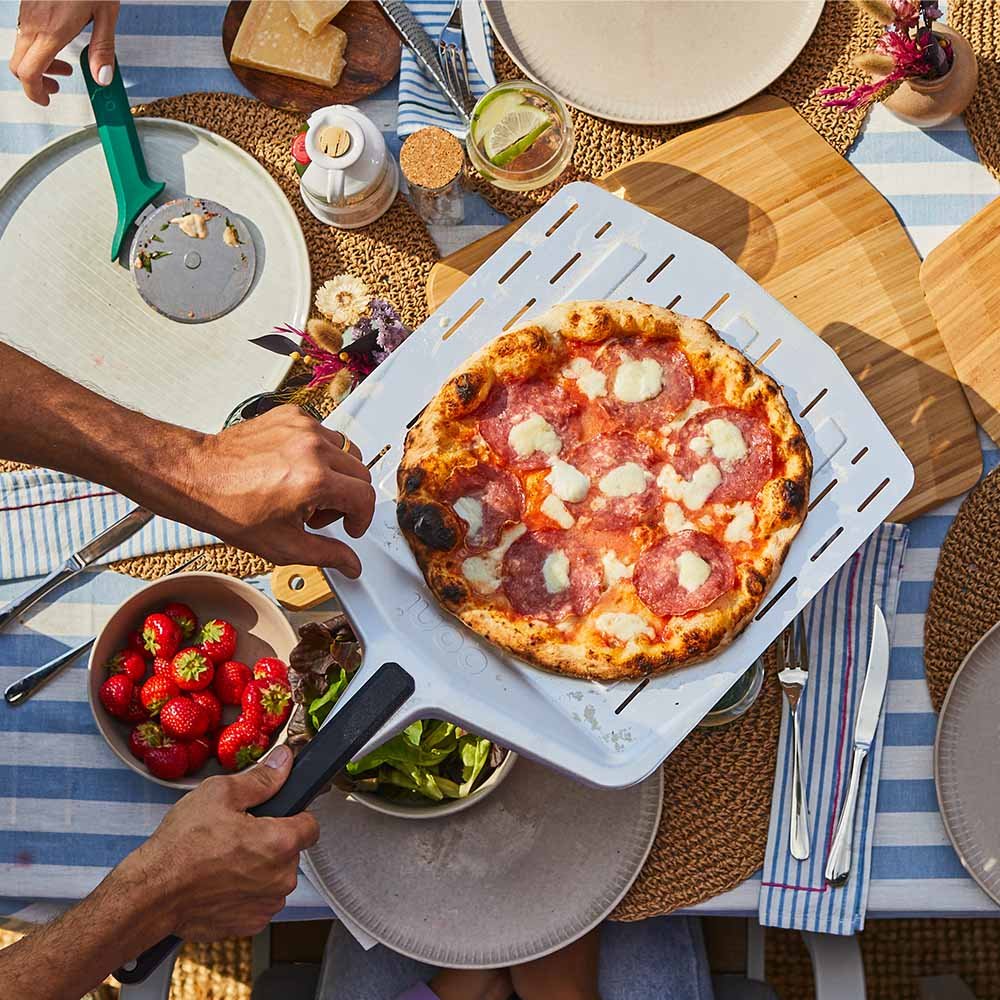
Choosing the right pizza peel can make a huge difference in your pizza-making experience. You want a tool that feels comfortable, works smoothly, and helps you slide your pizza in and out of the oven with ease.
But with so many options out there, how do you know which one is best for you? You’ll discover simple tips to pick the perfect pizza peel that matches your needs and kitchen style. Keep reading, and soon you’ll be handling your pizza like a pro!

Credit: www.clickk.co.uk
Types Of Pizza Peels
Pizza peels help you move pizzas in and out of the oven safely. Different peels have different materials and uses.
Choosing the right peel depends on the type of pizza and your cooking style.
Wooden Peels
Wooden peels are classic and easy to use. They do not stick to the dough as much as metal peels.
They work well for sliding raw pizzas into the oven. The wood surface helps hold the dough without tearing.
- Best for raw dough and fresh pizzas
- Less heat transfer, safer to handle
- Needs regular cleaning and care
Metal Peels
Metal peels are thin and strong. They slide under cooked pizzas easily for removal from the oven.
They are great for transferring pizzas that have already baked. Metal peels cool quickly and last a long time.
- Ideal for cooked or partially cooked pizzas
- Thin edge slides under pizzas easily
- Can get hot, so use with care
Composite Peels
Composite peels combine wood and metal or use special materials. They offer the best features of both types.
These peels are lightweight and durable. They help move pizzas smoothly while resisting heat and wear.
- Lightweight and easy to handle
- Good heat resistance
- Often dishwasher safe
Size And Shape Considerations
Choosing the right pizza peel depends a lot on its size and shape. These factors affect how easy it is to slide pizzas in and out of the oven.
A good peel matches your oven size and pizza style. Let’s look at the important size and shape details.
Round Vs. Square
Round pizza peels have a circular shape that matches most pizzas. They make it easier to turn the pizza inside the oven.
Square peels have a flat edge that helps scoop up pizzas from baking surfaces. They offer more space to hold the pizza.
- Round peels slide under pizzas smoothly
- Square peels hold pizzas securely with corners
- Round peels fit well in round ovens
- Square peels are good for rectangular ovens too
Length Of Handle
The handle length affects how close you get to the heat. A longer handle keeps you safer from hot ovens.
Short handles offer better control but need caution around heat. Choose a length that fits your oven and comfort level.
- Long handles keep hands away from heat
- Short handles give better maneuverability
- Consider oven depth when picking handle length
- Wood handles stay cooler than metal ones
Weight And Balance
Choosing the right pizza peel depends on its weight and balance. These two factors affect how easy it is to use the peel.
A peel that is too heavy can tire your arm. One that is too light may feel unstable when handling pizza.
Weight Of The Pizza Peel
The weight of a pizza peel changes how comfortable it feels in your hand. Heavy peels can hold big pizzas well.
Light peels are easier to move quickly. Think about how long you will use the peel each time.
- Heavy peels give more control for big pizzas
- Light peels reduce arm fatigue
- Choose a weight you can hold steadily
Balance Of The Pizza Peel
Balance means how the weight is spread across the peel. A well-balanced peel feels steady in your hand.
If the peel is heavy on the handle or the blade, it can be hard to control. Look for peels with even weight.
- Good balance helps slide pizza in and out smoothly
- Uneven weight causes wrist strain
- Test the peel to find a comfortable balance
Surface Texture
The surface texture of a pizza peel affects how easily the dough slides on and off. It helps with handling pizzas safely and quickly.
Choosing the right texture can make baking easier and improve your pizza-making experience.
Smooth Vs. Textured
Smooth pizza peels have a flat, even surface. They let the dough slide off easily without sticking.
Textured peels have a rough or patterned surface. They help hold the pizza better when lifting it.
- Smooth peels work best for thin crust pizzas
- Textured peels are good for thick or heavy pizzas
- Smooth surfaces are easier to clean
- Textured surfaces can prevent dough slipping too soon
Non-stick Coatings
Some pizza peels have non-stick coatings on their surface. These coatings reduce dough sticking during transfer.
Coatings help the pizza slide smoothly and make cleanup faster. They last longer with gentle use and care.
- Non-stick coatings work well with sticky dough
- They reduce the need for extra flour or cornmeal
- Some coatings may wear off over time
- Always check cleaning instructions to keep coating safe
Durability And Maintenance
Choosing a pizza peel means thinking about how long it lasts. You want a peel that stays strong and looks good.
Maintaining your pizza peel keeps it working well for a long time. Good care also stops damage and wear.
Ease Of Cleaning
A pizza peel should be easy to clean after use. This saves time and keeps it safe for food.
Look for materials that do not hold food or stains. Smooth surfaces clean better than rough ones.
- Wood peels need hand washing and drying to avoid cracks.
- Metal peels can be cleaned with warm water and mild soap.
- Some peels are dishwasher safe, but check the label first.
Resistance To Warping
Warping changes the peel’s shape and makes it hard to use. Choose a peel that resists warping well.
Thicker wood or metal peels usually keep their shape better. Avoid thin or low-quality materials.
- Wood peels need to be kept dry to prevent warping.
- Metal peels resist warping even after exposure to heat.
- Plastic peels can warp if exposed to high oven temperatures.
Heat Resistance
Heat resistance is important when choosing a pizza peel. It helps the peel last longer near hot ovens.
A peel that resists heat well keeps you safe and makes pizza handling easier.
Material Matters
Pizza peels come in wood, metal, and composite materials. Each handles heat differently.
Wood peels do not get hot quickly. Metal peels can get very hot near the oven.
- Wood: Natural heat resistance, stays cooler to touch
- Metal: Conducts heat, may need a handle cover
- Composite: Often heat resistant and lightweight
Handle Design And Heat Protection
A long handle helps keep your hands away from the heat. Some handles have heat-resistant grips.
Look for peels with insulated or wooden handles to avoid burns.
- Long handles increase distance from heat
- Insulated grips protect hands
- Wood handles stay cooler than metal ones
Oven Temperature Compatibility
Check the maximum temperature the peel can handle. Some materials warp or burn at high heat.
Pick a peel that matches your oven’s temperature range for safety and durability.
- Wood peels: Usually safe up to 500°F (260°C)
- Metal peels: Can handle higher temperatures
- Composite peels: Check manufacturer guidelines
Budget-friendly Options
Choosing a pizza peel does not have to be expensive. You can find good options that fit your budget. A pizza peel helps slide pizzas in and out of the oven easily.
Picking the right peel depends on your needs and how often you cook. Here are some budget-friendly types to consider.
Wooden Pizza Peels
Wooden peels are classic and affordable. They have a smooth surface that stops dough from sticking. These peels work well for transferring uncooked pizza into the oven.
Wood is gentle on pizza dough and easy to handle. You can find wooden peels at low prices in many stores.
Aluminum Pizza Peels
Aluminum peels are lightweight and last long. They slide under pizzas easily without bending. These peels cost a bit more but still fit a tight budget.
They are good for cooked or partially cooked pizzas. Aluminum peels clean up faster than wooden ones.
Composite Pizza Peels
Composite peels combine wood and plastic materials. They are cheaper than pure wood or metal peels. These peels resist heat and are easy to clean.
Composite peels work well for home pizza ovens and are budget-friendly. They offer a good balance of durability and price.
Look For Simple Designs
Peels with simple shapes and no extra features cost less. Avoid peels with fancy handles or extra tools to save money.
- Basic flat surface
- Comfortable handle
- Lightweight material
These simple peels do the job well without raising the price.
Expert Recommendations
Choosing the right pizza peel helps you handle pizzas safely and easily. It also affects how well you cook your pizza.
Experts suggest focusing on quality and comfort. A good peel makes pizza preparation faster and more fun.
Top Brands To Consider
Some brands offer strong and durable pizza peels. These brands have good reviews from chefs and home cooks.
- PizzaCraft: Known for sturdy wooden and aluminum peels
- OXO: Offers peels with comfortable grips and lightweight design
- American Metalcraft: Provides professional-grade steel peels
- KitchenAid: Features peels with good balance and easy handling
Features To Prioritize
Look for features that make your pizza peel easy to use and long-lasting. These features improve your cooking experience.
- Material: Wood is traditional and gentle on pizza, metal is thin and slides easily
- Size: Pick a peel that fits your oven and pizza size
- Handle: Choose a handle that feels comfortable and gives good control
- Weight: A light peel is easier to move, but heavier peels feel sturdy
- Edge design: Thin edges help slide the peel under pizzas smoothly
- Maintenance: Wood needs oiling, metal peels are easy to clean
Tips For First-time Buyers
Choosing the right pizza peel makes cooking easier and safer. A good peel helps you move pizzas in and out of the oven.
Here are tips to help first-time buyers pick the best pizza peel for their needs.
Consider The Peel Material
Pizza peels come in wood, metal, and composite materials. Each has different benefits and care needs.
Wood peels are gentle on dough and look classic. Metal peels slide easily but can get hot. Composite peels combine both features.
- Wood: good for raw dough, requires oiling
- Metal: best for cooked pizzas, easy to clean
- Composite: lightweight and durable
Choose The Right Size
Pick a peel size that fits your oven and pizza size. A peel too small or too large can be hard to use.
Measure your oven opening and pizza diameter before buying. A 12 to 14-inch peel suits most home ovens.
Check The Handle Length
The handle keeps your hands safe from heat. Longer handles offer more protection but can be harder to store.
Short handles are easier to control but need careful use near hot ovens. Pick a handle length that matches your kitchen space.
- Long handles: safer but bulkier
- Short handles: easy to store but watch for heat
Look For A Lightweight Design
A lightweight peel is easier to handle, especially for beginners. Heavy peels can tire your arms quickly.
Test the weight if possible. Choose a peel you can move smoothly without strain.
Consider The Peel Shape
Peels come in square, round, and paddle shapes. The shape affects how you slide pizzas in the oven.
Round peels work well for round pizzas. Square or paddle shapes offer more surface area for handling different foods.
Look For Easy Maintenance
Choose a peel that is easy to clean and maintain. Wood peels need special care. Metal peels often clean with soap and water.
Check if the peel can handle your cleaning routine without damage.

Credit: www.yahoo.com

Credit: pizzaiolikitchen.com
Frequently Asked Questions
What Materials Are Best For A Pizza Peel?
Wood and aluminum are popular pizza peel materials. Wood peels prevent dough sticking and are durable. Aluminum peels are lightweight and easy to slide under pizzas. Choose based on your cooking style and comfort.
How Do I Choose The Right Pizza Peel Size?
Select a peel size that fits your oven and pizza diameter. A larger peel supports bigger pizzas but may be harder to handle. Measure your oven and pizza size before buying to ensure a perfect fit.
Should I Use A Wooden Or Metal Pizza Peel?
Wooden peels are great for assembling and launching pizzas. Metal peels are ideal for removing pizzas from hot ovens. Many cooks use both to combine benefits depending on the task.
How To Maintain And Clean A Pizza Peel?
Clean wooden peels with a damp cloth; avoid soaking to prevent warping. Metal peels can be washed with warm, soapy water. Dry thoroughly to prevent rust or damage. Regular maintenance extends peel lifespan.
Conclusion
Choosing the right pizza peel makes cooking easier and more fun. Think about the size and material that fit your oven and cooking style. A good peel helps slide pizzas in and out safely. Take time to pick one that feels right in your hand.
This small tool can improve your pizza-making experience a lot. Enjoy cooking with confidence and share great meals with friends and family.