
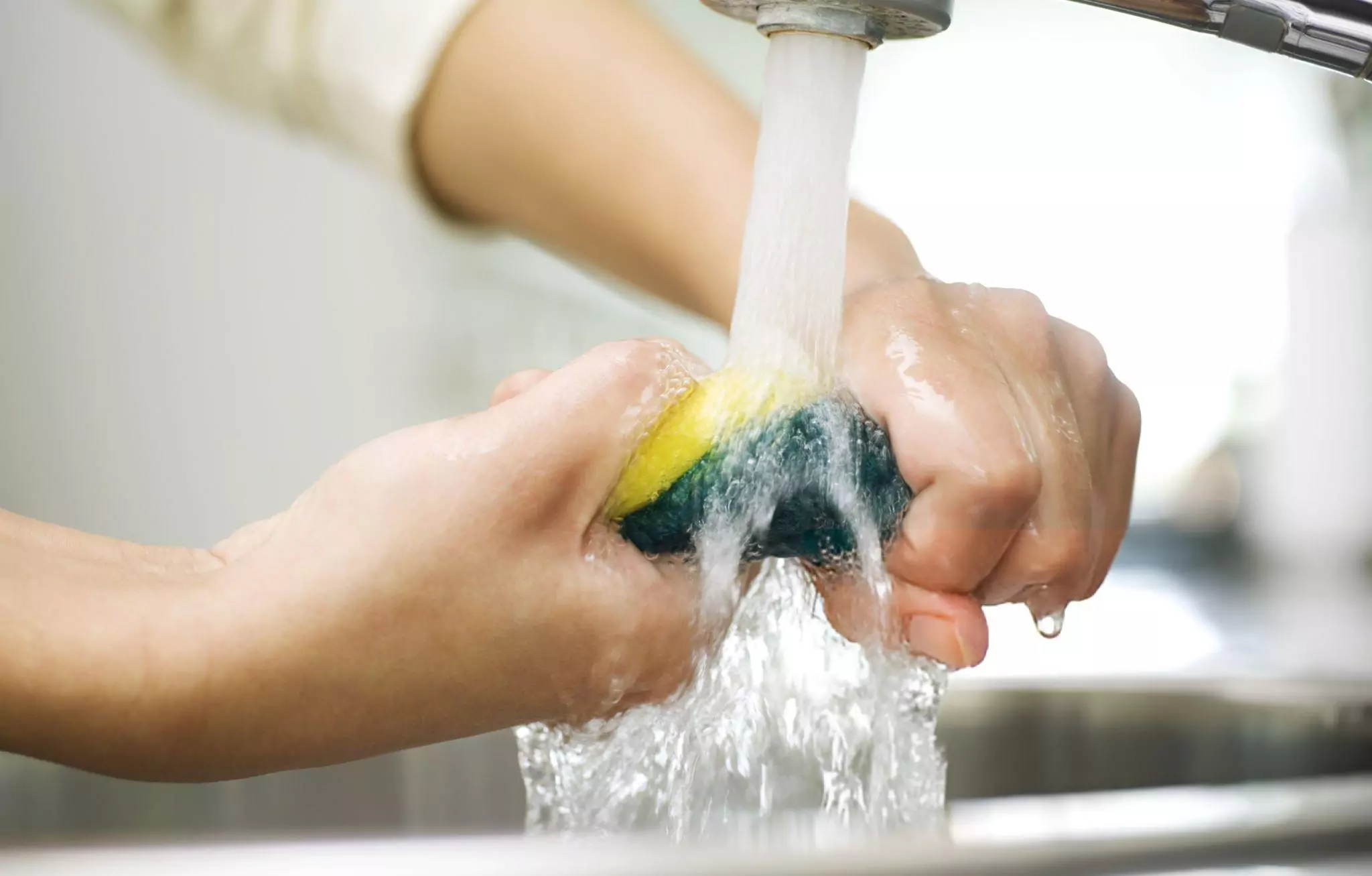
Your kitchen sponge and brushes are some of the dirtiest items in your home, even if they look clean. They soak up bacteria, germs, and food residue every day.
If you don’t disinfect them properly, you could be spreading those harmful microbes around your kitchen instead of cleaning. But don’t worry—disinfecting your kitchen tools doesn’t have to be complicated or time-consuming. You’ll discover simple, effective ways to keep your sponges and brushes fresh and safe to use.
Keep reading to protect your health and make your kitchen a cleaner place.
Importance Of Clean Kitchen Tools
Kitchen sponges and brushes help clean dishes and surfaces. They catch food bits and germs during use.
Dirty sponges and brushes spread bacteria. This can cause food poisoning and illness.
Reduce Harmful Bacteria
Sponges and brushes hold many germs from food and hands. Cleaning them stops bacteria from growing.
Regular disinfection lowers the risk of harmful bacteria spreading in your kitchen.
Prevent Bad Odors
Dirty kitchen tools often smell bad because of trapped food and bacteria. Cleaning removes these odors.
Fresh-smelling sponges and brushes make your kitchen more pleasant and inviting.
Extend Tool Lifespan
Cleaning sponges and brushes helps them last longer. Dirt and bacteria can break down the materials fast.
Taking care of your tools saves money by reducing how often you replace them.
Keep Food Safe
Using clean tools stops germs from spreading to your food. This keeps your meals safe to eat.
Clean kitchen tools help protect your family from foodborne illnesses.

Credit: www.reddit.com
Common Germs In Kitchen Sponges And Brushes
Kitchen sponges and brushes are useful for cleaning. They can hold many germs that cause illness.
These germs grow because sponges and brushes stay wet and dirty for a long time.
Escherichia Coli (e. Coli)
E. coli is a common germ in kitchens. It comes from raw meat and dirty hands.
This germ can cause stomach pain, diarrhea, and vomiting.
Salmonella
Salmonella lives on raw poultry and eggs. It can spread to sponges and brushes.
It causes food poisoning with fever, cramps, and diarrhea.
Staphylococcus Aureus
Staphylococcus aureus can grow on kitchen tools. It comes from skin and nose of people.
This germ can cause food poisoning and skin infections.
Listeria Monocytogenes
Listeria is found in unwashed vegetables and raw dairy products. It can live on sponges and brushes.
It causes serious infections, especially in pregnant women and older adults.
Mold And Yeast
Mold and yeast grow in moist sponges and brushes. They look fuzzy and smell bad.
These fungi can cause allergies and respiratory problems.
Signs Your Sponge Or Brush Needs Disinfection
Kitchen sponges and brushes clean your dishes and surfaces daily. They can hold germs if not cleaned well. It is important to know when to disinfect them.
Recognizing signs of dirt or bacteria helps keep your kitchen safe. Here are common signs your sponge or brush needs disinfection.
Unpleasant Odor
If your sponge or brush smells bad, it likely has bacteria buildup. A sour or rotten smell means it needs cleaning or disinfection.
Bad odors often come from trapped food particles and moisture. Disinfecting removes these germs and freshens the tool.
Visible Dirt Or Stains
Look for dark spots, stains, or food bits stuck in the sponge or brush. These show that germs are growing and it needs cleaning.
Regular rinsing may not remove all grime. Disinfection kills bacteria hiding in these stains.
Sponge Feels Slimy Or Sticky
A slimy or sticky texture means bacteria and mold are growing inside the sponge or brush. This is a clear sign to disinfect.
Touch the sponge after use. If it feels slimy even after rinsing, it needs cleaning with a disinfectant.
Frequent Use Without Replacement
Using the same sponge or brush for weeks can cause bacteria to build up. Even if it looks clean, it may need disinfection.
Replace or disinfect sponges and brushes regularly to avoid germ growth and kitchen contamination.
Food Particles Remain After Washing
If food bits stay in your sponge or brush after rinsing, germs can grow on them. This shows it needs a deep clean or disinfection.
Make sure to remove all food debris before disinfecting to get the best results.
Effective Disinfection Methods
Kitchen sponges and brushes can carry many germs. Cleaning them well helps keep your kitchen safe.
Here are four ways to disinfect these tools effectively and easily.
Microwave Technique
Microwaving sponges kills bacteria quickly. Make sure the sponge is wet before microwaving.
Heat the wet sponge in the microwave for two minutes. Use a microwave-safe container if you prefer.
- Wet the sponge thoroughly
- Place it in the microwave
- Heat for two minutes on high
- Let it cool before handling
Boiling Water Method
Boiling water can disinfect brushes and sponges well. It uses high heat to kill germs.
Put the sponge or brush in boiling water for five minutes. Use tongs to remove it safely.
- Boil enough water to cover the item
- Place sponge or brush in boiling water
- Keep it submerged for five minutes
- Remove carefully and let dry
Dishwasher Cycle
Run sponges and brushes through a dishwasher cycle. The heat and soap clean and disinfect them.
Use the top rack and a hot water setting. This method is easy and safe for most kitchen tools.
- Place sponge or brush on top rack
- Use hot water and soap settings
- Run a full dishwasher cycle
- Let items dry completely
Vinegar And Baking Soda Soak
Soaking in vinegar and baking soda helps break down dirt and kills germs. This is a natural way.
Mix half a cup of vinegar with a tablespoon of baking soda in warm water. Soak the sponge or brush for 30 minutes.
- Mix vinegar and baking soda in warm water
- Soak sponge or brush for 30 minutes
- Rinse well with clean water
- Allow to air dry fully
Using Bleach Safely
Bleach is a strong cleaner that kills germs well. It helps disinfect kitchen sponges and brushes effectively.
Using bleach safely keeps you and your kitchen safe. Follow simple steps to avoid accidents and damage.
Wear Protective Gloves
Bleach can irritate your skin. Always wear rubber gloves before handling bleach solutions.
Gloves stop bleach from causing burns or dryness on your hands.
Use Proper Dilution
Never use bleach at full strength. Mix one tablespoon of bleach with one cup of water to make a safe solution.
This dilution cleans well without damaging sponges or brushes.
Disinfect In A Well-ventilated Area
Bleach fumes can harm your lungs. Open windows or turn on a fan while using bleach.
This helps air flow and reduces the smell and fumes.
Soak Sponges And Brushes Safely
Place sponges and brushes in the diluted bleach solution for 5 minutes. Do not soak longer to avoid damage.
After soaking, rinse items well with clean water to remove bleach.
Store Bleach Properly
Keep bleach containers closed tightly. Store them away from children and pets.
Keep bleach in a cool, dry place to keep it effective and safe.

Credit: www.bambuhome.com
Natural Alternatives For Disinfection
Kitchen sponges and brushes can hold many germs. Using natural ways to clean them helps keep your kitchen safe.
Natural disinfectants avoid harsh chemicals. They are easy to find and gentle on the environment.
Essential Oils
Essential oils have natural antibacterial properties. They can help kill germs on sponges and brushes.
Tea tree oil and lavender oil work well. Add a few drops to warm water and soak your sponge or brush for 10 minutes.
- Use 5 drops of essential oil per cup of water
- Soak sponges or brushes for 10 minutes
- Rinse with clean water and let dry
Lemon Juice
Lemon juice is a natural disinfectant and deodorizer. Its acidity kills many types of bacteria.
To clean, soak your sponge or brush in lemon juice or mix lemon juice with water. Leave it for 5 to 10 minutes.
- Use pure lemon juice or dilute with water
- Soak for 5 to 10 minutes
- Rinse well and air dry
Frequency Of Cleaning And Replacing
Kitchen sponges and brushes collect germs quickly. Cleaning them often stops bacteria buildup.
Replacing old sponges and brushes keeps your kitchen safe and fresh. Knowing when to clean and replace is key.
How Often To Clean Kitchen Sponges
Clean sponges at least once every two days. This removes food particles and germs.
Use hot water, soap, or microwave to disinfect sponges. Let them dry fully between uses to prevent bacteria.
- Wash with soap and hot water daily
- Microwave damp sponge for 1-2 minutes
- Run through dishwasher on high heat
- Let dry completely before next use
How Often To Replace Kitchen Sponges
Replace kitchen sponges every 1 to 2 weeks. Old sponges hold more bacteria and smell bad.
Replace sooner if sponge tears or smells even after cleaning. Fresh sponges clean better and are safer.
- Replace every 1 to 2 weeks
- Replace immediately if torn or smelly
- Use different sponges for dishes and counters
How Often To Clean Kitchen Brushes
Clean brushes after each use. Remove food debris and rinse with hot water.
Disinfect brushes once a week. Soak in vinegar or bleach solution for deep cleaning.
- Rinse brush after every use
- Wash with soap and hot water weekly
- Soak in vinegar or diluted bleach weekly
- Air dry completely after cleaning
How Often To Replace Kitchen Brushes
Replace kitchen brushes every 3 to 4 months. Worn bristles do not clean well.
Change brushes sooner if bristles break or smell bad. New brushes keep your kitchen cleaner.
- Replace every 3 to 4 months
- Replace if bristles break or smell
- Use different brushes for dishes and vegetables
Tips For Maintaining Clean Sponges And Brushes
Kitchen sponges and brushes can carry many germs. Keeping them clean helps prevent bacteria growth. This guide gives tips to disinfect and maintain these tools.
Regular cleaning keeps your kitchen safe and your tools lasting longer. Use simple methods to keep them fresh and hygienic.
Rinse And Squeeze After Each Use
Rinse sponges and brushes with hot water after every use. Squeeze out water to reduce moisture. Moisture helps bacteria grow fast.
Use Vinegar Or Bleach For Deep Cleaning
Soak sponges and brushes in vinegar or diluted bleach once a week. This kills most germs and removes odors. Use one cup of vinegar or a tablespoon of bleach in water.
- Fill a bowl with hot water and vinegar or bleach
- Soak the sponge or brush for 5-10 minutes
- Rinse well with clean water
- Let dry completely before next use
Microwave Sponges Safely
Microwaving wet sponges for 1-2 minutes can kill bacteria. Make sure the sponge is wet to avoid fire. Use microwave-safe sponges only.
- Soak the sponge in water
- Place it in the microwave on high
- Heat for 1-2 minutes
- Be careful when removing—it will be hot
Allow Sponges And Brushes To Dry
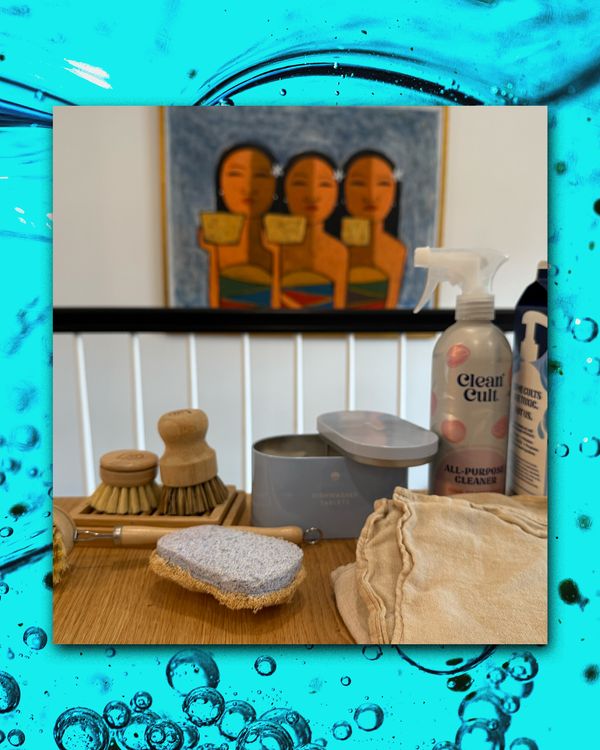
Store sponges and brushes where air flows well. Dry tools do not support bacteria growth. Avoid leaving them in sinks or wet areas.
Replace Sponges And Brushes Regularly
Change sponges every 1-2 weeks and brushes every few months. Old tools hold more germs and wear out. Regular replacement keeps your kitchen cleaner.
Credit: nymag.com
Frequently Asked Questions
How Often Should I Disinfect Kitchen Sponges?
Disinfect kitchen sponges at least once a week. Frequent cleaning prevents bacteria buildup and odors. Replace sponges every 2-4 weeks for best hygiene.
What Is The Best Way To Disinfect Kitchen Brushes?
Soak brushes in hot soapy water, then rinse well. You can also use a vinegar solution or microwave if microwave-safe. Regular cleaning keeps brushes bacteria-free and effective.
Can I Use Bleach To Disinfect Kitchen Sponges?
Yes, dilute bleach solution effectively kills germs on sponges. Soak sponges in 3/4 cup bleach per gallon water for 5 minutes. Rinse thoroughly before use to avoid chemical residue.
Is Microwaving Sponges Safe For Disinfection?
Microwaving damp sponges for 1-2 minutes kills most bacteria safely. Ensure the sponge is wet to prevent fire hazards. Use caution and monitor the process closely.
Conclusion
Clean kitchen sponges and brushes stop germs from spreading. Regularly disinfecting them keeps your kitchen safe and fresh. Use simple methods like microwaving or soaking in vinegar. Change sponges often to avoid bad smells and bacteria build-up. Clean tools help protect your family’s health every day.
Small steps make a big difference in kitchen hygiene. Keep your cleaning tools fresh and your kitchen cleaner. Good habits lead to a healthier home environment overall.