
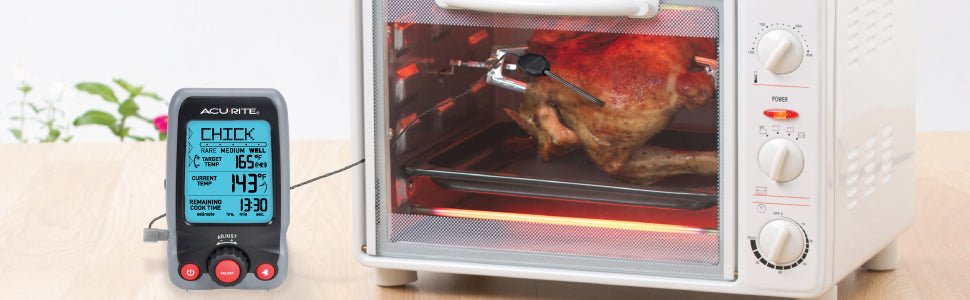
You rely on your kitchen thermometer to cook meals perfectly every time. But have you ever stopped to think about how to keep it working accurately?
If your thermometer isn’t well maintained, it can give wrong readings, ruining your dishes and wasting ingredients. You’ll discover simple, effective ways to care for your kitchen thermometer. By following these tips, you’ll ensure your cooking stays safe, precise, and delicious.
Keep reading to learn how easy it is to protect this essential tool in your kitchen.
Types Of Kitchen Thermometers
Kitchen thermometers help you check food temperature. They keep your meals safe and tasty.
There are different types of kitchen thermometers. Each type has its own use and features.
Digital Instant-read Thermometers
Digital instant-read thermometers show temperature quickly. They are easy to use and read.
These thermometers are good for checking meat or liquids fast. They give a digital display in seconds.
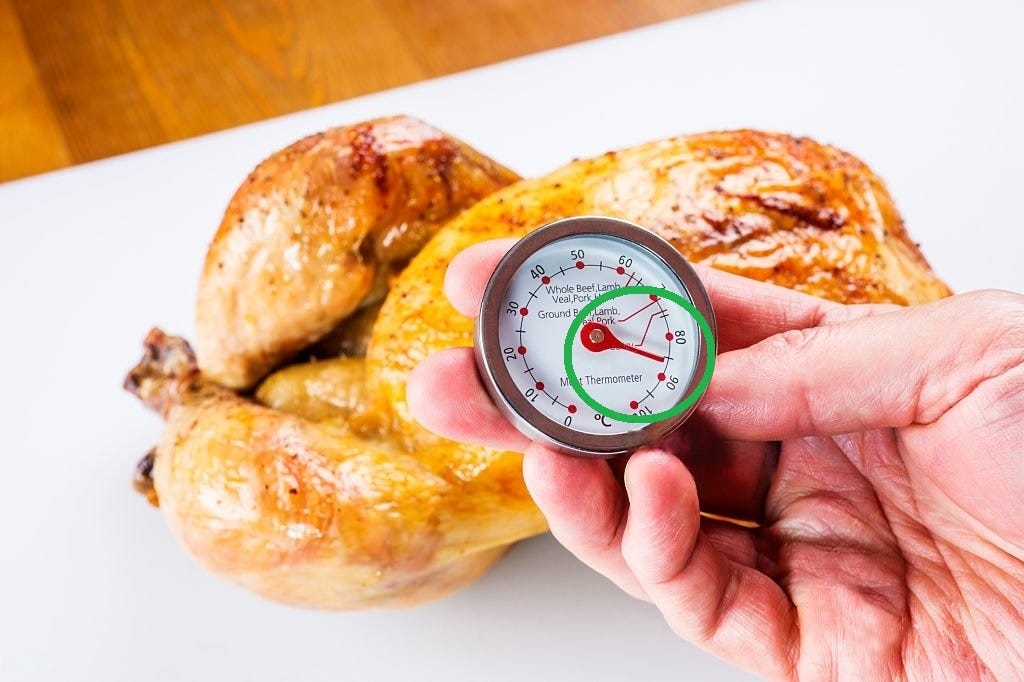
Dial Oven-safe Thermometers
Dial oven-safe thermometers can stay inside food while cooking. They have a dial that shows the temperature.
They are slow to show temperature but good for long cooking times like roasts.
Probe Thermometers With Cords
Probe thermometers have a sensor attached to a cord. The probe goes into the food and the screen stays outside.
This type lets you monitor temperature without opening the oven or grill.
Infrared Thermometers
Infrared thermometers measure temperature from a distance. They do not touch the food.
These are best for checking surface temperature quickly, like on pans or grills.
Candy And Deep Fry Thermometers
Candy and deep fry thermometers measure high temperatures. They clip to pots and stay in the food.
They help you cook sugar or oil at the right heat to avoid burning or undercooking.

Credit: www.amazon.co.uk
Importance Of Thermometer Accuracy
A kitchen thermometer helps you cook food safely. It measures the temperature inside the food.
Accurate readings stop undercooked or overcooked meals. This keeps food safe and tasty.
Regular Calibration
Calibration keeps your thermometer showing the right temperature. Check it often to avoid mistakes.
Use ice water or boiling water to test accuracy. Adjust if the thermometer reads wrong.
- Fill a glass with ice and water
- Insert the thermometer stem
- Check if it reads 32°F (0°C)
- Use boiling water to check 212°F (100°C)
- Adjust thermometer if needed
Proper Cleaning
Clean your thermometer after every use. Dirt or food residue can change its readings.
Use warm soapy water and a soft cloth. Avoid submerging digital parts in water.
Safe Storage
Store the thermometer in a safe place. Avoid dropping or bending it to keep it accurate.
Use a protective case if available. Keep it away from heat sources or sharp objects.
Battery Maintenance
Check the battery regularly if your thermometer is digital. Low power can cause wrong readings.
Replace batteries as soon as the display fades or stops working. Always use the right type.
Calibrating Your Thermometer
Keeping your kitchen thermometer accurate is important for safe cooking. Calibrating it helps ensure correct temperature readings.
Two common ways to calibrate your thermometer are using ice water and boiling water. Both methods are simple and reliable.
Using The Ice Water Method
This method checks if your thermometer reads 32°F or 0°C. You use ice and water to create a cold environment.
Fill a glass with crushed ice and add cold water. Stir well and let it sit for a minute.
- Insert the thermometer probe into the ice water.
- Make sure the probe is not touching the glass sides or bottom.
- Wait 30 seconds for the temperature to stabilize.
- Check if the thermometer reads 32°F (0°C).
- If it does not, adjust it if your thermometer allows calibration.
Using The Boiling Water Method
This method tests if your thermometer reads 212°F or 100°C. Boiling water gives a hot reference point.
Boil a pot of clean water. When it boils, place the thermometer probe in the water without touching the pot.
- Insert the probe deep into the boiling water.
- Avoid touching the pot’s sides or bottom with the probe.
- Wait 30 seconds for the reading to settle.
- The thermometer should read 212°F (100°C) at sea level.
- Adjust the thermometer if the reading is off and your device allows it.

Credit: www.amazon.com
Cleaning And Storage Tips
Keeping your kitchen thermometer clean and stored well helps it last longer. Dirt and moisture can damage it if not cared for properly.
Simple cleaning and smart storage keep your thermometer ready for accurate use every time.
Proper Cleaning Techniques
Clean your kitchen thermometer after each use to remove food particles and germs. Use warm soapy water and a soft cloth or sponge.
Avoid soaking the thermometer, especially if it has electronic parts. Wipe it gently and dry it completely before storing.
- Use mild dish soap and warm water
- Wipe the probe with a soft cloth or sponge
- Do not immerse the entire thermometer in water
- Dry with a clean towel or air dry
- Sanitize the probe with rubbing alcohol if needed
Safe Storage Practices
Store your kitchen thermometer in a dry place away from heat and moisture. This prevents rust and damage to electronic parts.
Use a protective case or holder if your thermometer came with one. Keep it separate from heavy or sharp objects that could harm it.
- Keep in a clean, dry drawer or cabinet
- Use a protective case or sheath for the probe
- Avoid storing near stove or sink
- Do not place heavy objects on top of it
- Check the thermometer regularly for damage
Common Issues And Troubleshooting
Kitchen thermometers help measure food temperatures. Keeping them working well is very important.
This guide covers common problems and simple ways to fix them. It helps you keep your thermometer accurate.
Identifying Malfunctions
Thermometers may show wrong temperatures or stop working. Watch for these signs to spot issues early.
- Display shows no numbers or flashes
- Temperature stays the same even after moving
- Reading is very different from another thermometer
- Probe feels loose or damaged
- Battery drains quickly or won’t hold power
Check the probe for dirt or food stuck on it. This can cause wrong readings. Also, check if the thermometer is clean.
Quick Fixes
Try simple steps before replacing your thermometer. Many problems can be fixed easily.
- Clean the probe with warm, soapy water and dry it well
- Change the battery if the display is weak or blank
- Reset the thermometer by turning it off and on again
- Check the probe connection and tighten if loose
- Store the thermometer in a dry place to avoid damage
If the thermometer still gives wrong readings, test it in ice water. It should read 32°F (0°C). If not, it may need repair or replacement.
When To Replace Your Thermometer
A kitchen thermometer helps you cook food safely. It tells you the right temperature. But like any tool, it can wear out over time.
Knowing when to replace your thermometer keeps your cooking accurate and safe. This guide explains the signs that mean it is time to get a new one.
Inaccurate Readings
If your thermometer shows wrong temperatures, it can spoil your food safety. Wrong numbers can cause undercooking or overcooking.
Test your thermometer often. Use ice water to check if it reads 32°F (0°C). If it is off by more than 2 degrees, replace it.
Physical Damage
Thermometers can break or crack if dropped. Damage can stop them from working properly.
Look for cracks on the display or probe. Bent or broken parts mean you should buy a new thermometer.
Slow Response Time
A good thermometer gives quick temperature readings. If it takes too long, it may be faulty.
Slow readings can lead to wrong cooking times. Replace your thermometer if it no longer reacts fast.
Battery Problems
Digital thermometers need batteries to work well. Weak batteries can cause errors or no display.
If changing batteries does not fix the issue, it may be time to replace the thermometer.
Old Age
Thermometers do not last forever. Most last a few years with proper care.
Replace your thermometer every 2 to 3 years to keep cooking safe and precise.
Expert Tips For Long-term Maintenance
Keeping your kitchen thermometer in good shape helps it last longer. Regular care ensures accurate readings every time you use it.
Here are simple tips to maintain your kitchen thermometer for many years.
Clean Your Thermometer After Every Use
Wipe the thermometer with warm, soapy water after each use. This stops food residue from building up and affecting accuracy.
Use a soft cloth or sponge. Avoid harsh scrubbing that can damage the sensor or probe.
Store Thermometer Properly
Keep your thermometer in a dry place to avoid moisture damage. Use a protective case if available to prevent bending or breaking.
Do not store near heat sources or direct sunlight. Extreme temperatures can harm the thermometer’s parts.
Check Battery Regularly
Replace the battery when the display dims or stops working. A weak battery can give wrong readings.
- Use the correct battery type
- Remove battery if not used for a long time
- Keep battery contacts clean
Calibrate Your Thermometer Periodically
Calibration keeps your thermometer accurate. Test it by placing the probe in ice water or boiling water and check the reading.
Adjust according to the manufacturer’s instructions if readings are off.
Handle With Care
Do not drop or hit your thermometer. Physical damage can affect its sensors and accuracy.
Remove the battery before cleaning or storing for long periods to avoid leaks.
Credit: medium.com
Frequently Asked Questions
How Often Should I Calibrate My Kitchen Thermometer?
You should calibrate your kitchen thermometer every 6 months. Frequent calibration ensures accurate temperature readings. Always follow the manufacturer’s instructions for best results.
What Is The Best Way To Clean A Kitchen Thermometer?
Clean your kitchen thermometer with warm, soapy water. Avoid immersing digital parts in water. Use a soft cloth to dry it thoroughly after cleaning.
Can I Store My Kitchen Thermometer In The Oven?
No, never store your thermometer inside the oven. High heat can damage its sensors and affect accuracy. Always store it in a cool, dry place.
How Do I Check If My Kitchen Thermometer Is Accurate?
Test accuracy by placing the thermometer in ice water. It should read 32°F (0°C). Adjust or recalibrate if the reading is off by more than 2 degrees.
Conclusion
Keeping your kitchen thermometer clean and well cared for ensures accurate readings. Regularly wipe it with a soft cloth and avoid harsh chemicals. Store it safely to prevent damage or bending. Check the battery and calibration often to maintain performance.
A well-maintained thermometer helps cook food safely and perfectly every time. Small steps make a big difference in your kitchen routine. Take care of your tool, and it will take care of your meals. Simple habits keep your thermometer ready for use whenever you need it.