
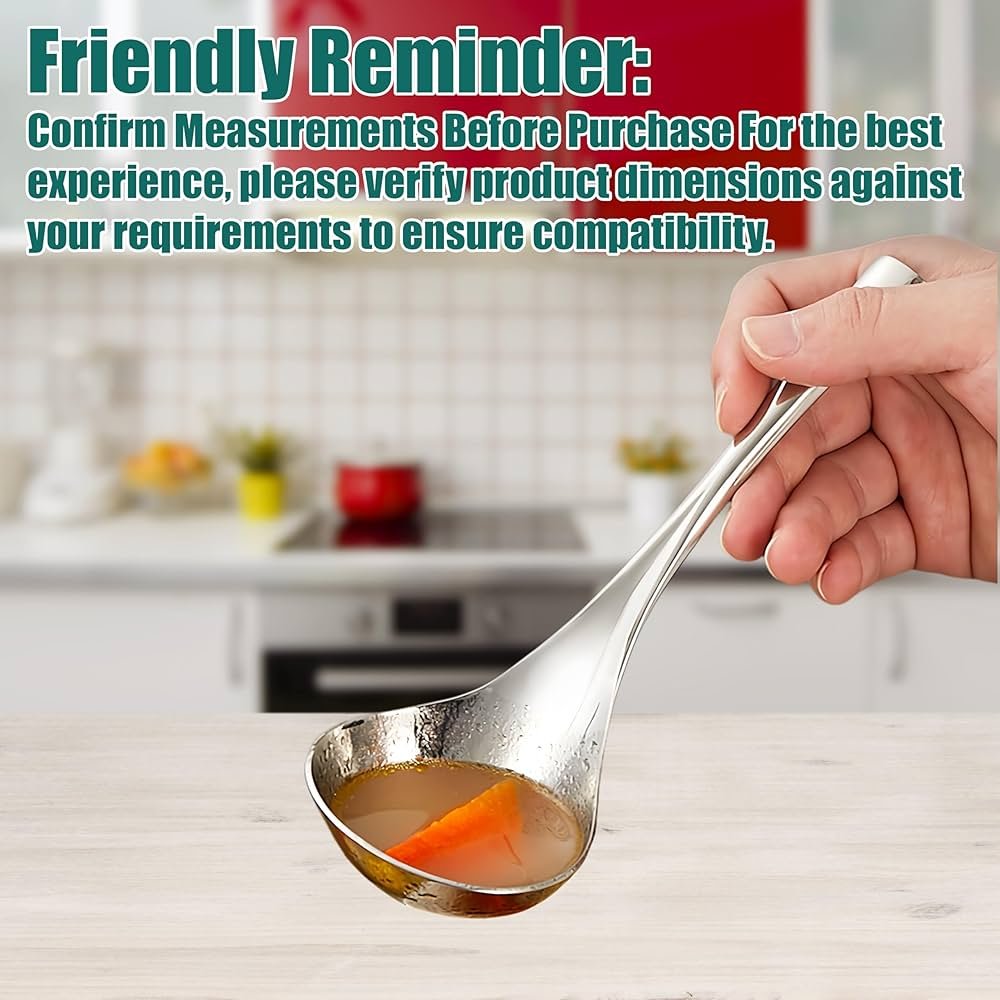
You use your ladle every day to serve soups, stews, and sauces. But have you ever stopped to think about how to keep it in top shape?
Taking care of your ladle is easier than you might think, and it can save you money while making your cooking more enjoyable. You’ll discover simple tips to maintain your ladle so it stays clean, strong, and ready whenever you need it.
Keep reading to learn how to protect your kitchen tool and make every meal better.
Credit: toirokitchen.com
Choosing The Right Material
Selecting the right material for a ladle is important. The material affects durability and safety.
Different materials suit different cooking needs. Learn about popular ladle materials below.
Stainless Steel
Stainless steel ladles are strong and long-lasting. They resist rust and stains well.
This material handles high heat. It works well for soups and sauces.
Silicone
Silicone ladles are soft and flexible. They are safe for non-stick cookware.
These ladles resist heat and do not scratch pots or pans.
Wood
Wooden ladles feel natural and are gentle on cookware. They do not conduct heat.
Wood can crack or absorb odors if not cared for properly.
Plastic
Plastic ladles are lightweight and affordable. They come in many colors and shapes.
Not all plastics handle high heat well. Check if the ladle is heat resistant.
Regular Cleaning Techniques
Keeping your ladle clean is important for safety and taste. Dirt or food residue can cause problems.
Regular cleaning helps your ladle last longer and stay in good shape. Use simple steps daily.
Daily Cleaning Routine
After each use, wash your ladle with warm water and mild soap. This removes food particles quickly.
Rinse the ladle well to remove all soap. Dry it with a clean cloth to avoid water spots.
- Use a soft sponge to avoid scratches
- Clean the handle and head thoroughly
- Dry immediately after washing
- Store in a clean, dry place
Deep Cleaning Methods
Once a week, do a deeper clean to remove stains and buildup. This keeps the ladle fresh.
Soak the ladle in warm water with baking soda or vinegar. Scrub gently with a brush for best results.
- Mix warm water with 1 tablespoon baking soda or vinegar
- Soak ladle for 15-20 minutes
- Use a soft brush to remove tough stains
- Rinse well and dry completely
Proper Storage Practices
Storing your ladle correctly helps it last longer. Proper storage keeps it clean and safe.
Good storage also stops damage and keeps your kitchen organized. Follow simple tips to store your ladle well.
Avoiding Moisture Exposure
Moisture can cause rust or mold on your ladle. Always dry your ladle completely before storing it.
Store the ladle in a dry place away from water or steam. This keeps it safe and clean for the next use.
- Wipe ladle dry with a towel after washing
- Use a drying rack that allows air flow
- Keep ladle away from sinks and damp areas
- Check for moisture before putting it away
Safe Placement In Kitchen
Place your ladle where it will not fall or get damaged. Use hooks or holders to keep it secure.
Store it with other kitchen tools to find it easily. Avoid placing it near sharp objects that can scratch it.
- Hang ladle on a sturdy hook or rack
- Use utensil holders to keep it upright
- Keep away from knives and heavy pots
- Place in an easy-to-reach spot for cooking

Credit: www.amazon.com
Inspecting For Wear And Tear
Maintaining a ladle is important for safety and efficiency. Regular checks help spot damage early.
Inspect your ladle often to keep it working well. Look closely for signs of wear and tear.
Identifying Common Issues
Look for cracks or dents in the ladle’s bowl. These can cause leaks or spills during use.
Check the handle for looseness or bends. A weak handle can break and cause accidents.
- Cracks or holes in the bowl
- Dents that affect shape
- Loose or bent handle
- Rust or corrosion on metal parts
- Worn or damaged grip surface
When To Replace A Ladle
Replace your ladle if cracks or holes appear. These can make it unsafe to use.
Change the ladle if the handle is broken or very loose. It may break during use.
- Cracks or holes in the ladle bowl
- Handles that do not hold firmly
- Severe rust that weakens metal
- Deformed shape causing spills
- Damaged grip making handling unsafe
Protective Measures
Maintaining a ladle requires careful protection to keep it safe and last longer. Using the right tools and handling methods helps prevent damage.
Taking safety steps also protects you from burns or accidents. Follow simple rules to use your ladle safely and correctly.
Using Ladle Guards
Ladle guards protect the ladle’s edges and handle from damage. They help stop scratches and dents during storage or transport.
Use guards made of heat-resistant material. They fit tightly around the ladle to keep it safe.
- Choose guards that match your ladle size
- Clean guards regularly to avoid dirt build-up
- Replace worn guards to keep protection strong
Handling Hot Liquids Safely
Always handle hot liquids with care to avoid burns. Use gloves or heat-resistant mitts when holding a ladle with hot contents.
Pour liquids slowly and steady to prevent splashes. Keep your face and hands away from the steam to stay safe.
- Wear protective gloves or mitts
- Keep a firm grip on the ladle handle
- Pour hot liquids over a sink or safe container
- Move slowly to avoid spills and burns

Credit: www.amazon.com
Extending Ladle Lifespan
A ladle is an important tool in many industries. Taking care of it helps it last longer and work better.
Good maintenance keeps the ladle safe and reduces repair costs. Follow simple tips to protect your ladle.
Routine Maintenance Tips
Check the ladle regularly for cracks or damage. Clean it after each use to remove residue and dirt.
Use the right cleaning tools and avoid harsh chemicals that can harm the ladle’s surface.
- Inspect for wear and tear every week
- Clean with warm water and mild soap
- Dry completely to prevent rust
- Store in a dry place away from moisture
- Apply protective coatings if recommended
Avoiding Common Mistakes
Do not use the ladle for tasks it is not made for. This can cause damage and shorten its life.
Avoid dropping the ladle or exposing it to extreme temperatures. These actions can cause cracks or warping.
- Never use metal tools on non-metal ladles
- Avoid leaving ladles in chemicals or acids
- Do not overload the ladle beyond its capacity
- Keep away from open flames unless designed for heat
Frequently Asked Questions
How Often Should I Clean My Ladle?
Clean your ladle after every use to prevent residue buildup. Regular cleaning ensures hygiene and extends the ladle’s lifespan.
What Is The Best Way To Dry A Ladle?
Dry your ladle immediately with a soft cloth to avoid rust or stains. Proper drying keeps it in good condition.
Can I Use A Dishwasher For Ladle Cleaning?
Most stainless steel ladles are dishwasher safe, but check the manufacturer’s instructions. Hand washing is gentler and recommended for wooden ladles.
How Do I Remove Stains From A Ladle?
Use baking soda and warm water to scrub stains gently. Avoid harsh chemicals to maintain the ladle’s surface quality.
Conclusion
Maintaining a ladle keeps it safe and lasts longer. Clean it well after each use to avoid rust. Dry it fully to stop moisture damage. Store the ladle in a dry, cool place. Check for cracks or damage regularly. Small care steps save money and effort later.
Use these tips to keep your ladle ready. Simple habits make a big difference over time. Take care today for a ladle that works tomorrow.