
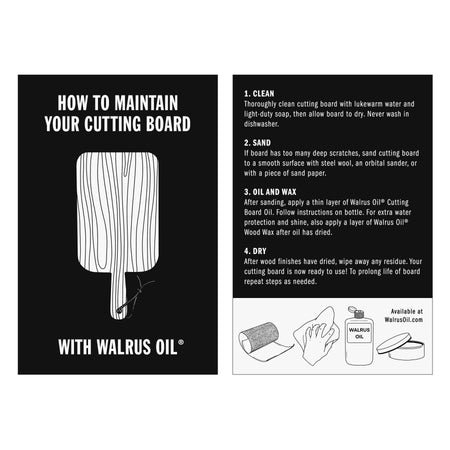
Your cutting board is more than just a kitchen tool—it’s where you prepare meals that nourish you and your loved ones. But have you ever wondered how to keep it clean, safe, and long-lasting?
If you want to avoid cracks, stains, and harmful bacteria, knowing how to maintain your cutting board properly is a must. You’ll discover simple, effective tips that protect your board and keep it looking like new. Keep reading, and you’ll soon enjoy a fresher, safer kitchen experience every time you cook.

Credit: www.amazon.ie
Choosing The Right Material
Picking the right cutting board material helps keep it safe and long-lasting. Some materials work better for certain foods and cutting styles.
Knowing the differences between materials makes cleaning and maintenance easier. It also protects your knives and food.
Wood Vs. Plastic
Wood cutting boards are gentle on knives and have natural antibacterial properties. Plastic boards are lightweight and dishwasher safe.
Wood needs more care and should not soak in water. Plastic boards can warp if exposed to heat.
- Wood:Durable, natural look, needs oiling
- Plastic:Easy to clean, less durable, can stain
Pros And Cons Of Bamboo
Bamboo is a popular choice because it is eco-friendly and hard. It resists knife marks better than some woods.
Bamboo boards can be harder on knives and need regular oiling. They are lightweight but can crack if dried too fast.
- Pros:Eco-friendly, durable, resists water
- Cons:Hard on knives, needs oiling, may crack
Proper Cleaning Techniques
Keeping your cutting board clean is very important. It helps stop germs and keeps food safe.
Use the right cleaning steps every day. This will keep your cutting board in good shape for a long time.
Daily Cleaning Routine
After each use, wash your cutting board with hot, soapy water. Use a sponge or brush to scrub all surfaces well.
Rinse the board with clean water and dry it with a clean towel or let it air dry. Do not soak the board in water.
- Use hot water and dish soap
- Scrub all sides, including edges
- Rinse thoroughly with clean water
- Dry immediately or air dry upright
Removing Stains And Odors
To remove stains, sprinkle baking soda on the board. Rub it gently with a damp cloth or sponge.
For odors, rub the board with half a lemon. Let it sit for a few minutes, then rinse and dry.
- Sprinkle baking soda on stains
- Rub with a damp cloth or sponge
- Use half a lemon to remove smells
- Let lemon juice sit for 5 minutes
- Rinse and dry the board well
Deep Cleaning Methods
Keeping your cutting board clean is important for food safety. Deep cleaning removes germs and stains that regular washing misses.
There are natural and chemical ways to clean your cutting board deeply. Choose the one that fits your needs.
Using Vinegar And Baking Soda
Vinegar and baking soda work well to clean and deodorize cutting boards. Vinegar kills bacteria, while baking soda removes stains.
Sprinkle baking soda on the board, then spray vinegar over it. Let it bubble for a few minutes. Scrub gently with a brush and rinse with warm water.
- Sprinkle baking soda evenly on the board
- Spray white vinegar over the baking soda
- Wait 5 minutes for bubbling action
- Scrub with a soft brush or sponge
- Rinse with warm water and dry well
Bleach Solutions For Tough Stains
Bleach can remove tough stains and kill germs on plastic cutting boards. Use it carefully and never mix with other cleaners.
Make a solution of one tablespoon of bleach in one gallon of water. Soak the board for a few minutes, then rinse well with water.
- Mix one tablespoon of bleach with one gallon of water
- Soak the cutting board in the solution for 5 minutes
- Rinse thoroughly with clean water
- Dry the board completely before storing

Credit: vayuearth.com
Regular Oiling And Conditioning
Keeping your cutting board in good shape needs regular oiling and conditioning. This helps stop cracks and warping. It also keeps the wood from drying out and absorbing water.
Oiling your cutting board adds a protective layer. Conditioning seals and strengthens the surface. Both steps make your board last longer and stay safe for food.
Choosing The Right Oil
Pick an oil that is safe for food and soaks into the wood well. Avoid oils that can go bad or smell bad over time. Some oils can make the board sticky or attract dust.
- Food-grade mineral oil is a popular choice.
- Coconut oil works but must be refined and pure.
- Beeswax mixed with oil adds extra protection.
- Do not use vegetable oils like olive or canola.
How Often To Oil
Oil your cutting board regularly to keep it healthy. The frequency depends on how much you use it and wash it. More use means more oiling.
- Oil new boards before the first use.
- For frequent use, oil once a week or every few uses.
- For light use, oil once a month.
- Watch for dryness or white spots as signs to oil.
Storage Solutions
Proper storage is key to keeping your cutting board in good shape. Storing it right helps prevent damage and keeps it clean.
Let’s look at ways to store your cutting board to make it last longer and stay safe to use.
Avoiding Moist Environments
Moisture can cause wood cutting boards to warp and crack. Avoid storing your board near sinks or damp places.
Keep your cutting board dry before storing it. Wipe off any water and let it dry fully.
- Do not store the board in a closed cabinet with wet items
- Keep it away from dishwashers or drying racks that drip water
- Store it only after it feels completely dry to touch
Proper Air Circulation
Good air flow helps your cutting board dry evenly and avoid mold. Store your board where air can move freely around it.
Use stands or racks that hold the board upright. This keeps both sides exposed to air.
- Place the board on a drying rack after cleaning
- Store the board upright instead of flat
- Avoid stacking boards tightly together
- Choose storage spots with good ventilation
Preventing Warping And Cracking
Cutting boards can warp or crack if not cared for properly. Keeping them in good shape helps them last longer.
Simple habits can stop damage and keep your board flat and strong.
Avoiding Extreme Temperatures
Heat and cold can harm wooden cutting boards. Avoid putting them near ovens or in the fridge.
Do not soak boards in hot water or put them in the dishwasher. This can cause the wood to warp or crack.
- Keep boards away from heat sources
- Wash with warm, not hot, water
- Dry boards immediately after washing
- Never put boards in the dishwasher
Using Both Sides
Use both sides of your cutting board to spread out wear. This keeps the board balanced and flat.
Regularly flipping the board helps stop deep grooves and warping on one side.
- Flip your board after each use
- Clean both sides evenly
- Store flat to avoid bending
When To Replace Your Cutting Board
Cutting boards are important kitchen tools. They need care to last long and stay safe.
Knowing when to replace your cutting board helps keep your food safe and your kitchen clean.
Signs Of Wear And Tear
Cutting boards show damage after long use. Look for deep cuts or cracks on the surface.
These marks can trap dirt and germs, making the board unsafe for food preparation.
- Deep grooves or cuts that do not wash away
- Cracks or splits in the board
- Warping or bending of the board
- Discoloration or stains that do not fade
Health And Safety Concerns
Old cutting boards can harbor bacteria that cause food poisoning. This is a health risk.
Boards with deep cuts or cracks are hard to clean properly, increasing contamination chances.
- Bacteria build-up in deep cuts
- Cross-contamination between raw and cooked food
- Possible mold growth in cracks
- Unpleasant odors from trapped food particles

Credit: ca.style.yahoo.com
Frequently Asked Questions
How Often Should I Oil My Cutting Board?
You should oil your cutting board once a month. Regular oiling prevents cracking and warping. Use food-grade mineral oil for best results. This keeps the wood hydrated and extends its lifespan. Oiling also helps maintain a smooth, safe cutting surface.
What Is The Best Way To Clean A Cutting Board?
Clean your cutting board with warm, soapy water immediately after use. Avoid soaking or putting it in the dishwasher. Rinse thoroughly and dry it with a clean towel. Proper cleaning prevents bacteria buildup and keeps your board safe for food prep.
Can Vinegar Sanitize A Wooden Cutting Board?
Yes, vinegar is an effective natural sanitizer. Spray or wipe your board with white vinegar to kill bacteria. Let it sit for a few minutes before rinsing. Vinegar is safe, non-toxic, and helps maintain your board’s hygiene without harsh chemicals.
How Do I Remove Stains From My Cutting Board?
To remove stains, sprinkle coarse salt on the board. Rub it with half a lemon in circular motions. Let it sit for 5 minutes, then rinse with warm water. This natural method brightens the wood and eliminates odors effectively.
Conclusion
Caring for your cutting board keeps it safe and long-lasting. Clean it well after each use to avoid germs. Oil the board regularly to stop cracks and warping. Avoid soaking or washing in the dishwasher to protect the wood. With simple steps, your cutting board stays strong and fresh.
A well-kept board helps you prepare food easily and safely every day. Small habits make a big difference in your kitchen.