
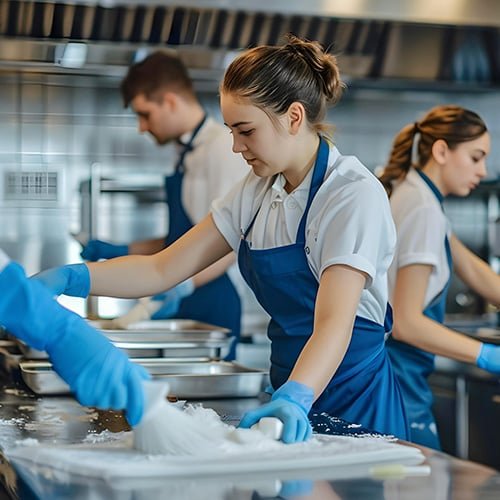
Keeping your food prep areas clean and safe is more important than you might think. Every time you cook, germs and bacteria can sneak into your kitchen, putting your health at risk.
But don’t worry—disinfecting your food prep surfaces doesn’t have to be complicated or time-consuming. You’ll discover simple, effective steps to make sure your kitchen stays a safe place for your meals. Ready to protect yourself and your loved ones? Let’s dive in and learn how to disinfect your food prep areas the right way.
Importance Of Kitchen Hygiene
Keeping the kitchen clean is very important. It helps stop germs from spreading.
Clean food prep areas keep food safe to eat. This protects everyone’s health.
Why Clean Surfaces Matter
Dirty surfaces can hold harmful bacteria. These germs can cause food poisoning.
Cleaning removes dirt. Disinfecting kills germs that can make people sick.
How Germs Spread In The Kitchen
Germs spread through raw food, dirty hands, and unclean tools. They move fast.
- Touching raw meat then touching counters
- Using dirty cloths or sponges
- Not washing hands before cooking
Benefits Of Disinfecting Food Prep Areas
Disinfecting kills harmful germs on surfaces. It stops cross-contamination.
This helps keep your family or customers safe from illness.
Common Disinfectants For Kitchens
Use safe and approved disinfectants. They should work well on food surfaces.
- Bleach diluted with water
- Alcohol-based cleaners
- Commercial kitchen sanitizers
Tips To Maintain Kitchen Hygiene
- Clean and disinfect counters after each use
- Wash hands before and during food prep
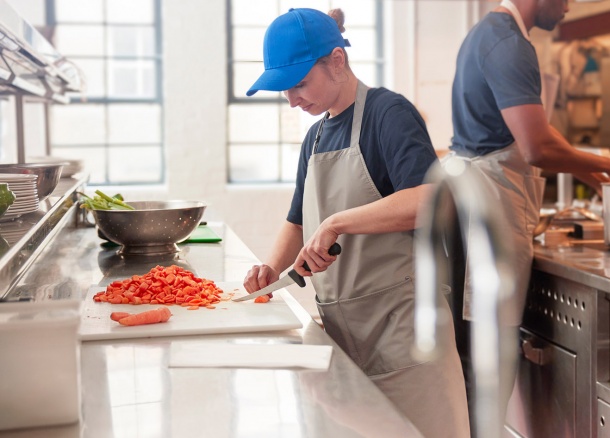
- Use separate cutting boards for meat and vegetables
- Replace sponges and cloths regularly
- Store cleaning products safely away from food

Credit: www.youtube.com
Identifying High-risk Areas
Cleaning food prep areas is very important to keep food safe. Some spots are more likely to hold germs.
Knowing which areas are risky helps you clean better and stop germs from spreading.
Cutting Boards And Utensils
Cutting boards and utensils touch raw food often. They can carry bacteria from meat or vegetables.
Cleaning these items well stops cross-contamination between foods.
- Use separate boards for meat and vegetables
- Wash boards and utensils with hot, soapy water
- Disinfect with a safe cleaning solution after washing
Countertops And Work Surfaces
Countertops are where food is prepared. They can have food bits and spills that hold germs.
Cleaning and disinfecting countertops often keeps the area safe for food prep.
- Clear the surface of crumbs and debris
- Use warm soapy water to clean
- Apply disinfectant and let it sit as directed
Sinks And Faucets
Sinks and faucets get wet and can grow bacteria quickly. Food particles can also collect here.
Regular cleaning stops germs from spreading to hands or food.
- Scrub sinks with a brush and soap
- Disinfect faucet handles and sink edges
- Dry surfaces to prevent bacteria growth
Refrigerator Handles And Doors
Handles and doors are touched often and can carry germs from hands. They contact food containers too.
Wiping these areas with disinfectant reduces the chance of contamination.
- Clean handles daily with disinfectant wipes
- Check for spills near door seals and clean promptly
- Dry surfaces to keep germs from growing
Trash Bins And Disposal Areas
Trash bins hold food waste that attracts germs. These areas can spread bacteria if not cleaned well.
Cleaning and disinfecting bins keeps the prep area healthier.
- Empty trash bins regularly
- Wash bins with soap and water
- Use disinfectant to kill germs inside and outside bins
Choosing The Right Cleaning Products
Cleaning your food prep areas keeps your kitchen safe. Picking the right products helps kill germs.
Some cleaners are natural, and others are chemical-based. Knowing the difference helps you choose well.
Natural Vs. Chemical Cleaners
Natural cleaners come from plants or minerals. They are gentle but might not kill all germs.
Chemical cleaners are made to kill bacteria fast. They work well but need careful use.
- Natural cleaners: vinegar, baking soda, lemon juice
- Chemical cleaners: bleach, ammonia, commercial disinfectants
- Natural cleaners are safer for skin and pets
- Chemical cleaners kill more germs quickly
Safety Tips For Cleaner Use
Always read the label before using any cleaner. Follow the instructions carefully to stay safe.
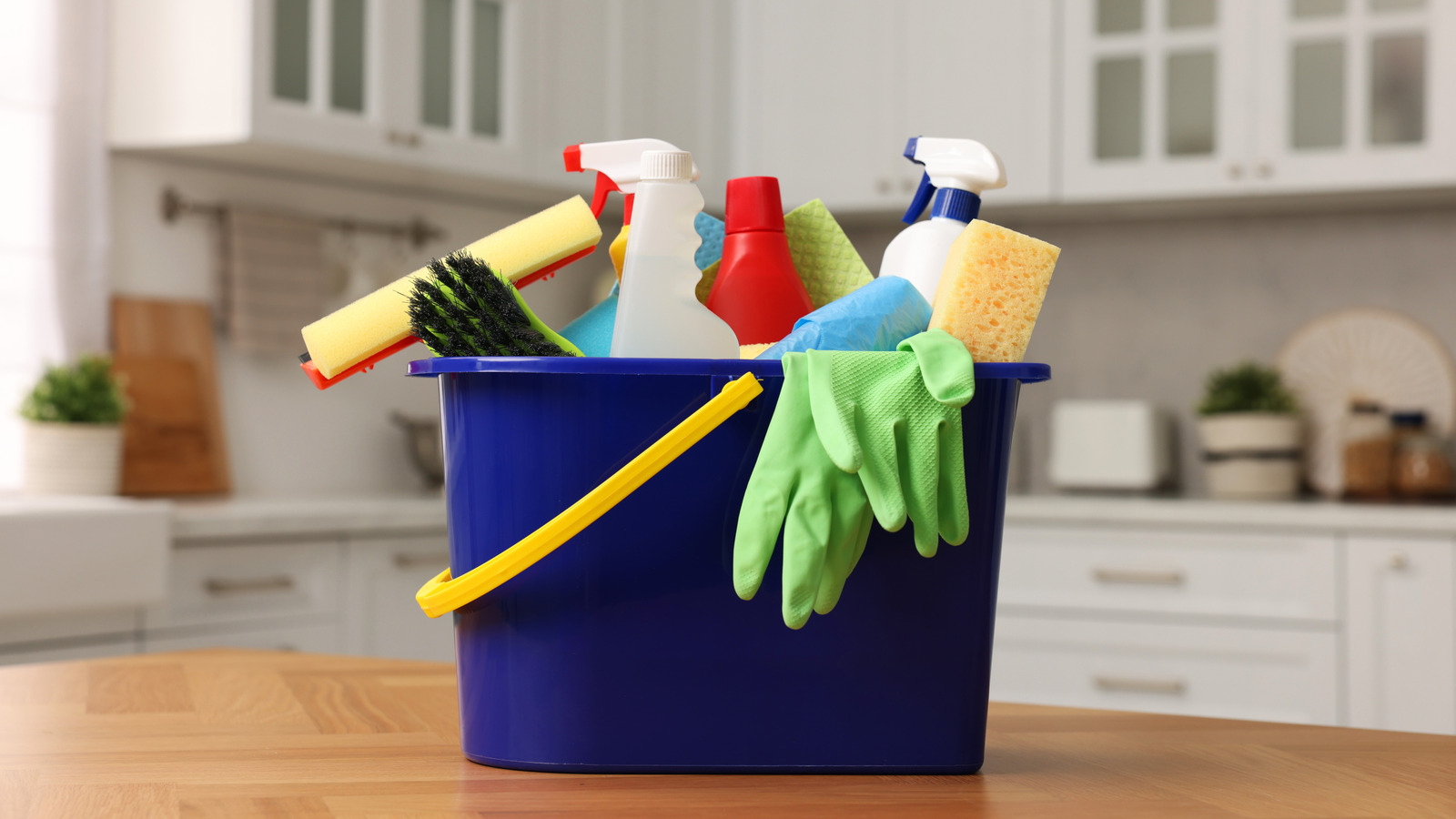
Wear gloves and keep the area well-ventilated. Store cleaners away from food and children.
- Do not mix different cleaners together
- Rinse surfaces well after cleaning
- Use only the recommended amount
- Wash your hands after cleaning
Step-by-step Disinfection Process
Keeping food prep areas clean is important for safety. Disinfection kills germs and prevents illness.
Follow these steps to disinfect your food prep surfaces effectively and safely.
Pre-cleaning Preparation
Clear the area of all food, utensils, and equipment. Remove any visible dirt or debris first.
Wear gloves and ensure good ventilation before starting the cleaning process.
- Remove all food items and tools
- Discard leftover scraps or spills
- Put on protective gloves
- Open windows or use fans
Effective Cleaning Techniques
Use warm water and soap to scrub surfaces well. Pay special attention to corners and edges.
Use a clean cloth or sponge. Avoid using the same cloth for raw meat and other foods.
- Use warm, soapy water
- Scrub all surfaces thoroughly
- Focus on hard-to-reach spots
- Use separate cloths for different tasks
Rinsing And Drying Methods
Rinse surfaces with clean water to remove soap and dirt. Use fresh water to avoid contamination.
Dry the area with a clean towel or allow it to air dry. Make sure surfaces are completely dry before use.
- Rinse with clean, fresh water
- Remove all soap residue
- Dry with a clean cloth or air dry
- Ensure surfaces are fully dry
Maintaining Regular Cleaning Schedules
Keeping food prep areas clean is important to stop germs and bacteria. Regular cleaning helps keep these spaces safe for cooking.
Setting a cleaning schedule makes sure no area is missed. It keeps the kitchen organized and healthy for everyone.
Create A Daily Cleaning Routine
Daily cleaning removes dirt and germs from surfaces. It stops bacteria from growing and spreading.
Include wiping counters, washing utensils, and cleaning sinks every day. This helps keep food prep areas fresh.
- Wipe down all counters with disinfectant
- Wash cutting boards and knives
- Clean sinks and faucets thoroughly
- Sweep and mop the floor
Schedule Weekly Deep Cleaning
Deep cleaning removes hidden dirt and germs. Do this once a week to keep the kitchen very clean.
Clean behind appliances and inside drawers. Use stronger disinfectants on all surfaces to kill bacteria.
- Move appliances and clean underneath
- Sanitize shelves and storage areas
- Clean inside refrigerators and freezers
- Wash walls and ceilings if needed
Use Checklists To Track Cleaning
Checklists help make sure all tasks are done. They keep cleaning organized and easy to follow.
Assign tasks to staff and mark them done. This keeps the food prep area safe every day.
- List daily and weekly cleaning tasks
- Assign who cleans each area
- Check off tasks when finished
- Review checklist regularly
Train Staff On Cleaning Procedures
Training staff ensures cleaning is done right. Everyone should know how to disinfect properly.
Show how to use cleaning supplies and follow schedules. Proper training keeps food areas safe and clean.
- Explain why cleaning is important
- Demonstrate correct cleaning steps
- Teach how to use disinfectants safely
- Review schedules and checklists
Tips For Avoiding Cross-contamination
Keeping food prep areas clean is important to stop germs from spreading. Cross-contamination happens when harmful bacteria move from one surface to another.
Using the right cleaning and disinfecting steps helps protect your food and health. Follow these tips to keep your kitchen safe.
Clean Surfaces Before Disinfecting
Remove food bits and dirt from counters before using disinfectants. Cleaning first helps disinfectants work better.
Use warm soapy water and a clean cloth to wipe surfaces. Then apply a food-safe disinfectant.
Use Separate Cutting Boards
Use different cutting boards for raw meat, vegetables, and cooked food. This stops bacteria from spreading between foods.
- Color-code boards for easy use
- Wash boards with hot soapy water after use
- Replace worn or cracked boards regularly
Wash Hands Often
Wash your hands with soap and water before and after handling food. Clean hands reduce the chance of spreading germs.
Dry hands with a clean towel or air dryer to avoid recontamination.
Disinfect Tools And Utensils
Clean knives, spoons, and other tools after each use. Use hot water and soap, then disinfect if needed.
Store tools in a clean place to keep them safe from germs.
Avoid Cross-contact With Raw Foods
Keep raw meats and seafood separate from ready-to-eat foods. Use different containers and clean spills immediately.
- Store raw food on lower shelves in the fridge
- Use sealed containers to prevent leaks
- Clean spills with disinfectant right away
Use Food-safe Disinfectants
Choose disinfectants that are safe to use around food. Follow label instructions for proper use and contact time.
Rinse surfaces with clean water if required after disinfecting.
Safe Storage Solutions
Keeping food prep areas clean is important to stop germs from spreading. Safe storage helps keep food fresh and stops contamination.
Use proper storage tools and organize your kitchen to protect food from dirt and bacteria.
Use Airtight Containers
Airtight containers keep food fresh by blocking air and moisture. They also stop pests and germs from reaching your food.
Choose containers made from materials like glass or BPA-free plastic for safety and durability.
- Seal containers tightly after use
- Label containers with date and contents
- Clean containers regularly before reuse
Separate Raw And Cooked Foods
Store raw meats away from cooked foods to stop cross-contamination. Use different containers and shelves for each.
Keep raw food at the bottom of the fridge to avoid drips on other items.
- Use color-coded containers if possible
- Wrap raw meat tightly before storing
- Clean storage areas after handling raw food
Maintain Proper Temperature
Store perishable food in the fridge or freezer to slow bacteria growth. Keep fridge below 40°F (4°C).
Check temperature regularly using a fridge thermometer to ensure safety.
- Use fridge for dairy, meats, and leftovers
- Freeze food that won’t be used soon
- Do not overfill fridge for good air flow
Keep Storage Areas Clean
Clean shelves, drawers, and containers often to remove spills and crumbs. This prevents bacteria and pests.
Use mild soap and warm water. Dry surfaces before placing food back inside.
- Wipe spills immediately
- Sanitize shelves weekly
- Check for expired or spoiled food regularly
Store Food Off The Floor
Keep all food stored on shelves or pallets, not on the floor. This lowers the risk of contamination.
Store food away from walls and heat sources to keep it safe and fresh.
- Use metal or plastic shelving
- Leave space between items for air flow
- Inspect storage areas for pests often
Credit: www.europeancleaningjournal.com
Handling Food Safely
Keeping food prep areas clean stops germs from spreading. This helps prevent foodborne illnesses.
Disinfecting surfaces after use is important. It protects you and others from harmful bacteria.
Clean Surfaces Before Disinfecting
Remove food crumbs and dirt first. Cleaning helps disinfectants work better.
Use warm soapy water to clean counters and cutting boards. Rinse well before disinfecting.
Choose The Right Disinfectant
Use a food-safe disinfectant to kill germs. Avoid harsh chemicals that can poison food.
- Use bleach diluted with water (1 tablespoon bleach per gallon)
- Try vinegar for natural cleaning
- Buy EPA-approved food contact surface disinfectants
Apply Disinfectant Properly
Spray or wipe disinfectant evenly on surfaces. Make sure to cover all areas.
Let the disinfectant sit for the recommended time. This kills most bacteria and viruses.
- Check label for contact time instructions
- Do not wipe away disinfectant too soon
- Rinse surfaces if needed before using them again
Use Separate Tools For Cleaning
Use different cloths or sponges for cleaning and disinfecting. This stops cross-contamination.
Wash cleaning tools often in hot water. Replace them if they look worn or dirty.
- Keep one cloth for cleaning only
- Keep another cloth for applying disinfectant
- Do not use the same cloth on food and waste areas
Practice Good Hand Hygiene
Wash hands before and after handling food. This reduces the risk of spreading germs.
Use soap and warm water. Rub hands for at least 20 seconds, then dry with a clean towel.
Common Mistakes To Avoid
Cleaning food prep areas is very important to keep food safe. Many people make simple mistakes that stop proper disinfection.
Knowing what to avoid helps keep your kitchen clean and safe for everyone.
Not Cleaning Before Disinfecting
Many skip cleaning and go straight to disinfecting. Dirt and food bits can block disinfectants from working well.
Always wash surfaces with soap and water first. Then, apply disinfectant to kill germs effectively.
Using The Wrong Disinfectant
Not all disinfectants work on food prep surfaces. Some can be harmful or not strong enough to kill germs.
Choose disinfectants that are safe for kitchens and approved for food contact areas.
Ignoring Contact Time
Disinfectants need time to kill germs. Wiping them off too soon stops them from working properly.
Read the label and keep the surface wet for the recommended time before wiping or rinsing.
Not Cleaning Tools And Cloths
Using dirty cloths or sponges spreads germs instead of removing them. This can make surfaces less clean.
Always use clean cloths or disposable wipes for disinfecting food prep areas.
Skipping Regular Disinfection
Some think cleaning once a day is enough. Germs can grow quickly and cause contamination.
Disinfect food prep areas often, especially after handling raw food or spills.
Not Wearing Gloves Or Washing Hands
Hands can carry germs to clean surfaces. Not wearing gloves or washing hands spreads bacteria.
Wear gloves if possible and wash hands before and after disinfecting food prep areas.
Credit: www.chowhound.com
Frequently Asked Questions
How Often Should I Disinfect Food Prep Areas?
Disinfect food prep areas daily to prevent bacteria buildup. Clean surfaces after each use, especially after handling raw meat. Regular disinfection reduces contamination risks and ensures food safety.
What Are The Best Disinfectants For Kitchen Surfaces?
Use EPA-approved disinfectants safe for food prep areas. Common options include diluted bleach solutions, hydrogen peroxide, and commercial kitchen sanitizers. Always follow label instructions for proper use and safety.
Can Natural Products Effectively Disinfect Food Prep Areas?
Yes, natural products like vinegar and lemon have mild disinfectant properties. However, they may not kill all harmful bacteria. For thorough disinfection, use EPA-approved cleaners alongside natural methods.
Should I Clean Before Disinfecting Food Prep Areas?
Always clean surfaces before disinfecting to remove dirt and grease. Disinfectants work best on clean surfaces, ensuring maximum bacteria and virus elimination. Cleaning enhances disinfection effectiveness.
Conclusion
Keeping food prep areas clean protects your health every day. Use simple steps to disinfect surfaces well. Clean spills and crumbs right away. Choose safe cleaning products and follow instructions. Regularly wash cloths and sponges to avoid germs. Clean areas before and after cooking.
Good habits stop bacteria from spreading. A clean kitchen means safer meals for all. Stay consistent and make cleaning part of your routine. Safe food starts with a clean space.