
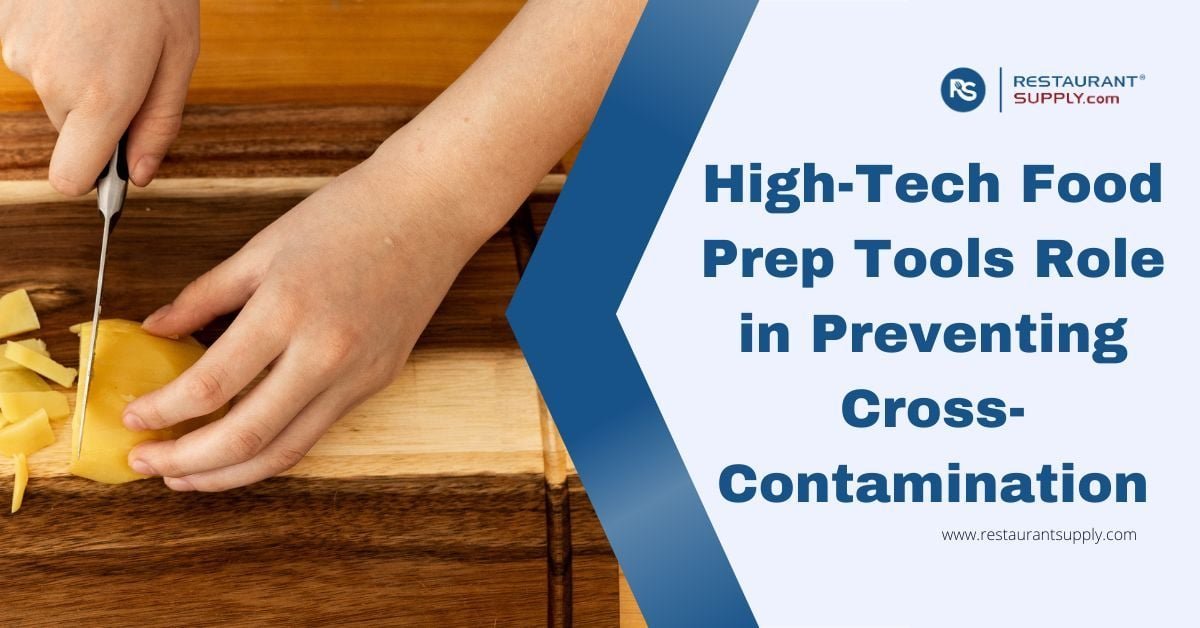
When you prepare meals for the week, keeping your food safe should be your top priority. Cross-contamination can turn your healthy meal prep into a source of harmful bacteria, risking your health and that of your loved ones.
But don’t worry—by making a few simple changes in how you handle your ingredients, you can stop this problem before it starts. You’ll learn easy, practical steps to prevent cross-contamination every time you cook. Keep reading, and make your meal prep safer and smarter starting now.
Understanding Cross-contamination
Cross-contamination happens when harmful bacteria spread from one food to another. It can cause food poisoning and illness.
Knowing how cross-contamination occurs helps keep your meals safe. It is important during meal prep to avoid mixing raw and cooked foods.
Sources Of Cross-contamination
Bacteria can come from raw meat, poultry, fish, and even fruits and vegetables. These germs can spread to other foods or surfaces.
- Raw meat juices touching ready-to-eat foods
- Using the same cutting board for raw and cooked food
- Hands that are not washed properly after handling raw food
- Unclean kitchen tools and surfaces
How Bacteria Spread
Bacteria spread by direct contact or through tools and hands. They grow fast on food left at room temperature.
- Touching raw food then cooked food without washing hands
- Using the same knife for raw chicken and vegetables
- Placing cooked food on a plate that held raw meat
- Not cleaning surfaces between food prep tasks
Why Cross-contamination Is Dangerous
Cross-contamination can cause foodborne illnesses. These illnesses cause stomach pain, vomiting, and diarrhea.
People with weak immune systems, children, and older adults get sick more easily. Preventing cross-contamination keeps everyone safe.
Common Mistakes That Cause Cross-contamination
Many mistakes can lead to cross-contamination. Knowing these helps you avoid them in your kitchen.
- Not washing hands after handling raw food
- Using one cutting board for all foods
- Storing raw meat above ready-to-eat foods in the fridge
- Not cleaning utensils between uses
:max_bytes(150000):strip_icc()/food-safety-mistakes-GettyImages-1443850463-77acd4c781ac41e2a4960443b295593b.jpg)
Credit: www.realsimple.com
Organizing Your Kitchen
Keeping your kitchen organized helps stop germs from spreading. It also makes meal prep faster and safer.
Clear spaces and smart setups lower the chance of cross-contamination. This keeps your food clean and healthy.
Designated Areas For Different Foods
Set specific spots for raw and cooked foods. This stops juices from raw meat touching other items.
Use separate cutting boards and knives for meat, vegetables, and fruits. Label these tools if needed.
- Raw meat area: Keep away from ready-to-eat foods
- Vegetable zone: Clean and dry
- Fruit section: Separate and fresh
- Cooked food area: Use clean plates only
Proper Storage Techniques
Store food in sealed containers to avoid spills and germs. Use clear containers to see what is inside.
Keep raw meat on the bottom shelves. This stops juices from dripping on other foods.
- Use airtight containers for leftovers
- Label foods with dates to track freshness
- Keep dry foods in cool, dry places
- Refrigerate perishables promptly
Choosing The Right Tools
Using the right tools helps keep food safe. It stops germs from spreading during meal prep.
Pick tools that are easy to clean and use for different foods. This lowers the risk of cross-contamination.
Cutting Boards And Utensils
Use separate cutting boards for raw meat, vegetables, and cooked food. This prevents germs from moving between foods.
Choose utensils made from materials that do not absorb liquids. Plastic or silicone tools work well for this.
- Assign different colors to cutting boards for each food type
- Use sharp knives to reduce slipping and accidents
- Replace boards that have deep cuts or cracks
- Keep utensils separate for raw and cooked foods
Sanitizing Equipment
Clean all tools thoroughly after each use. Use hot, soapy water to remove food and germs.
Sanitize cutting boards and utensils with a solution of bleach and water or a food-safe sanitizer. This kills harmful bacteria.
- Wash tools immediately after use
- Use separate sponges or cloths for cleaning
- Air dry tools to avoid bacteria growth
- Regularly check tools for damage that can hide germs
Effective Handwashing Techniques
Handwashing is key to stopping germs during meal prep. Clean hands keep food safe and fresh.
Using the right handwashing steps removes dirt and bacteria well. This protects you and others.
Use Warm Water And Soap
Start by wetting your hands with warm water. Soap helps break down oils and germs on skin.
Warm water feels comfortable and helps soap create more bubbles. This cleans better than cold water.
Scrub All Hand Surfaces
Rub your hands together well. Clean the palms, back of hands, fingers, and under nails.
- Rub palms palm to palm
- Clean between fingers
- Scrub under fingernails
- Rub back of each hand
Wash For At Least 20 Seconds
Keep scrubbing your hands for 20 seconds or more. This time helps remove most germs.
You can sing “Happy Birthday” twice to time yourself. Do not rush to finish handwashing.
Rinse And Dry Thoroughly
Rinse all soap off your hands with clean water. Soap left on skin can irritate and attract dirt.
Use a clean towel or air dry your hands. Dry hands stop germs from spreading better than wet hands.
Wash Hands At Key Times
Wash hands before touching food. Also wash after handling raw meat, trash, or pets.
- Before meal prep
- After touching raw foods
- After using the restroom
- After coughing or sneezing
Handling Raw Ingredients Safely
Keeping raw ingredients safe is very important in meal prep. Cross-contamination can cause foodborne illness.
To stop bacteria from spreading, handle raw foods carefully. Clean hands and surfaces often.
Raw Meat And Seafood
Raw meat and seafood can carry harmful germs. Always store them separately from other foods.
Use different cutting boards and knives for meat and seafood. Wash them well after use.
- Keep raw meat and seafood in sealed containers.
- Store them on the bottom shelf of the fridge.
- Wash hands with soap after touching raw meat or seafood.
- Cook meat and seafood to the right temperature.
Produce And Other Ingredients
Fruits and vegetables can also carry germs from soil or water. Rinse them under running water before use.
Use clean tools and surfaces when preparing produce. Keep produce away from raw meat and seafood.
- Wash produce even if you plan to peel it.
- Use separate cutting boards for produce and raw meat.
- Store fresh produce above raw meat in the fridge.
- Dry produce with a clean cloth or paper towel.

Credit: www.clatsopcounty.gov
Cooking And Temperature Control
Proper cooking and temperature control help keep food safe. This stops harmful bacteria from spreading.
Using the right tools and knowing safe temperatures is key. This prevents cross-contamination in meal prep.
Using Food Thermometers
Food thermometers check if food is cooked enough. They show the exact temperature inside the food.
Always clean the thermometer before and after use. This stops germs from moving from one food to another.
- Insert the thermometer into the thickest part of the food.
- Avoid touching bones or fat for accurate reading.
- Check temperature in several spots for large items.
Safe Cooking Temperatures
Cooking food to the right temperature kills harmful bacteria. Different foods need different temperatures.
| Food Type | Safe Temperature (°F) |
|---|---|
| Poultry (chicken, turkey) | 165°F |
| Ground meats (beef, pork, lamb) | 160°F |
| Beef, pork, lamb (steaks, roasts) | 145°F (rest 3 minutes) |
| Fish and shellfish | 145°F |
| Egg dishes | 160°F |
Use a food thermometer to check these temperatures. This keeps your meals safe to eat.
Cleaning And Sanitization Practices
Cleaning and sanitization are key to preventing cross-contamination in meal prep. Proper practices keep food safe and reduce illness risks.
Regular cleaning removes dirt and germs. Sanitizing kills bacteria on surfaces and tools used in food preparation.
Daily Cleaning Routines
Daily cleaning keeps your kitchen safe during meal prep. It stops germs from spreading between foods.
Clean all surfaces before and after use. Wash cutting boards, knives, and counters with hot soapy water.
- Wash hands thoroughly with soap and water
- Use separate cutting boards for raw and cooked foods
- Clean spills immediately to avoid bacteria growth
- Sanitize surfaces after cleaning to kill remaining germs
- Dry tools and surfaces with a clean towel
Deep Cleaning Strategies
Deep cleaning removes hidden dirt and bacteria from hard-to-reach places. Do this regularly to keep your kitchen very clean.
Focus on cleaning appliances, drains, and vents. Use food-safe sanitizers and follow product instructions carefully.
- Disassemble small parts of appliances and clean separately
- Scrub and sanitize refrigerator shelves and drawers
- Clean and sanitize sinks and faucet handles thoroughly
- Check and clean exhaust fans and vents
- Use a disinfectant approved for food preparation areas
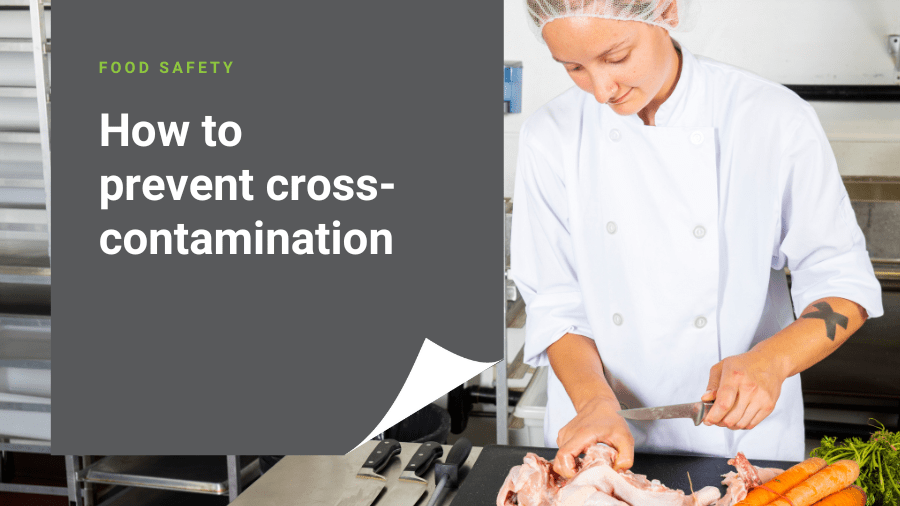
Credit: solpak.ca
Educating Family And Staff
Preventing cross-contamination is important for safe meal prep. Teaching family and staff helps keep food safe.
Everyone involved in cooking must understand how germs spread. This knowledge stops foodborne illness.
Explain What Cross-contamination Is
Start by defining cross-contamination clearly. It is the transfer of harmful germs from one food to another.
Use simple examples like raw meat touching vegetables. This helps people see why it is risky.
Show Proper Handwashing Techniques
Hands carry many germs that cause contamination. Teach everyone to wash hands with soap for 20 seconds.
- Wet hands with clean water
- Use soap and scrub all parts
- Rinse well and dry with a clean towel
Use Separate Cutting Boards And Utensils
Assign different boards for raw meat, vegetables, and cooked foods. This stops germs from mixing.
Label boards and tools to avoid confusion. Remind everyone to clean them after each use.
Teach Safe Food Storage Practices
Store raw meat below other foods in the fridge. This prevents juices from dripping and contaminating.
- Use sealed containers for raw foods
- Keep cooked foods separate
- Check fridge temperatures regularly
Encourage Regular Cleaning And Sanitizing
Cleaning surfaces and tools stops germs from spreading. Teach family and staff to clean often.
Use hot water and safe cleaners. Sanitize cutting boards and counters after use.
Frequently Asked Questions
What Is Cross-contamination In Meal Prep?
Cross-contamination occurs when harmful bacteria transfer between foods. It happens through shared surfaces, utensils, or hands. Preventing it ensures food safety and reduces illness risk.
How Can I Avoid Cross-contamination With Raw Meat?
Always separate raw meat from other foods. Use distinct cutting boards and utensils for meat. Wash hands and surfaces thoroughly after handling raw meat.
Why Is Hand Washing Important During Meal Prep?
Hand washing removes bacteria and prevents their spread. It’s essential before, during, and after handling food. Clean hands reduce the risk of cross-contamination significantly.
What Cleaning Methods Prevent Cross-contamination On Kitchen Surfaces?
Use hot, soapy water followed by disinfectant on surfaces. Clean cutting boards, counters, and utensils after each use. Regular cleaning kills bacteria and stops contamination.
Conclusion
Preventing cross-contamination keeps your meals safe and healthy. Always separate raw and cooked foods during prep. Clean cutting boards and utensils after each use. Use different containers for raw meats and vegetables. Wash your hands often to avoid spreading germs.
Simple steps make a big difference in food safety. Staying careful helps protect your family from foodborne illnesses. Keep these tips in mind every time you cook. Safe meal prep creates peace of mind and healthier eating.