
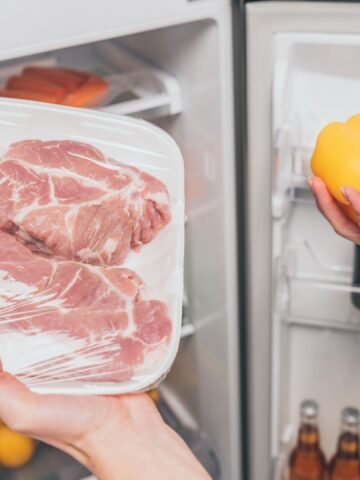
When it comes to handling raw meat, safety isn’t just important—it’s essential for your health and your family’s well-being. You might think storing meat is simple, but a small mistake can lead to food poisoning or spoilage.
How can you be sure you’re doing it right? This guide will show you easy, practical steps to keep your raw meat fresh and safe. By following these tips, you’ll protect yourself from harmful bacteria and enjoy your meals with peace of mind.
Keep reading to discover the smart way to store raw meat safely every time.
Choosing The Right Packaging
Storing raw meat safely starts with choosing the right packaging. Good packaging keeps meat fresh and stops germs.
It also prevents leaks and bad smells in your fridge. Picking the right packaging protects your food and your family.
Sealing For Maximum Freshness
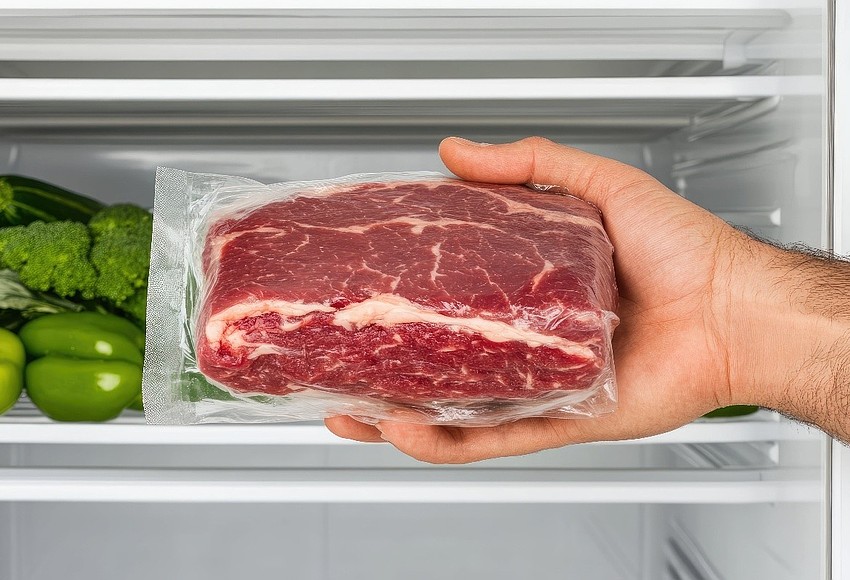
Sealing raw meat well keeps air out and moisture in. This slows down spoilage and keeps the meat fresh longer.
Use airtight seals or vacuum sealing to block oxygen. Avoid loose wraps or bags that can open easily.
- Wrap tightly with plastic wrap or foil
- Use vacuum seal bags if possible
- Remove as much air as you can before sealing
- Check seals for any holes or gaps
Types Of Packaging Materials
Different packaging materials protect raw meat in different ways. Choose materials that stop leaks and keep the meat cold.
Some materials also help keep bacteria away and reduce freezer burn.
- Plastic Wrap:Good for short-term storage and tight wrapping.
- Aluminum Foil:Blocks light and air, great for freezing.
- Vacuum Seal Bags:Remove air and seal tightly to extend freshness.
- Freezer Paper:Designed to protect meat from freezer burn.
- Plastic Containers:Rigid and reusable, best for storing in the fridge.
Ideal Storage Temperatures
Storing raw meat at the right temperature keeps it safe to eat. It slows the growth of harmful bacteria.
Knowing the right temperatures helps you avoid food poisoning and spoilage.
Refrigeration Guidelines
Keep raw meat in the refrigerator at or below 40°F (4°C). This temperature keeps meat fresh for a few days.
Store meat on the lowest shelf to stop juices from dripping onto other foods.
- Use a thermometer to check the fridge temperature.
- Keep meat in sealed containers or wrapped tightly.
- Use or cook meat within 1-2 days for best safety.
Freezing Techniques
Freeze raw meat at 0°F (-18°C) or lower to keep it safe longer. Freezing stops bacteria from growing.
Wrap meat well to avoid freezer burn and preserve quality.
- Use freezer bags or airtight containers for storage.
- Label packages with the date before freezing.
- Use frozen meat within 3-12 months depending on type.
Organizing Meat In The Refrigerator
Storing raw meat correctly keeps it fresh and safe to eat. Proper organization in the fridge stops bacteria from spreading.
Follow simple steps to arrange meat for safety and to keep your refrigerator clean.
Placement For Optimal Airflow
Place raw meat on the bottom shelves of your refrigerator. This keeps cold air flowing around the meat and prevents juices from dripping.
Do not overcrowd meat packages. Leave space between them so air can move freely and keep the temperature steady.
- Use the bottom shelf for raw meat
- Keep packages separated for airflow
- Do not block vents inside the fridge
- Store meat in containers that allow air circulation
Preventing Cross-contamination
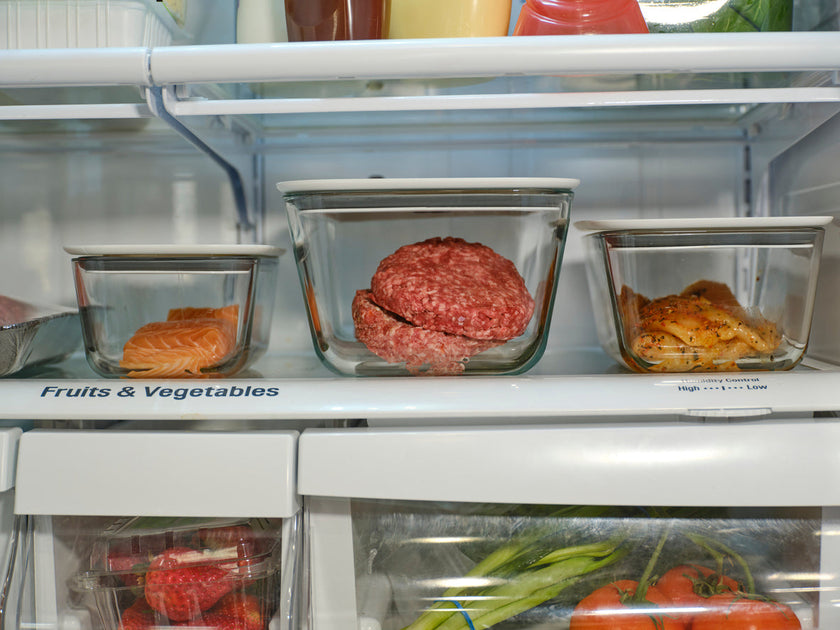
Keep raw meat away from ready-to-eat foods to stop germs from spreading. Use sealed containers or bags to cover meat.
Clean any spills immediately. Wash your hands and utensils after handling raw meat.
- Store raw meat in sealed containers
- Place raw meat below cooked or ready-to-eat foods
- Clean fridge shelves if meat juices spill
- Wash hands and tools after touching raw meat

Credit: aaes.uada.edu
Freezer Storage Best Practices
Storing raw meat in the freezer keeps it fresh and safe to eat. Proper freezer storage stops bacteria from growing.
Using the right methods helps maintain meat quality and prevents spoilage. Follow simple tips to store meat correctly.
Labeling And Dating Meat Packages
Always label meat packages before freezing. Write the type of meat and the date you froze it. This helps you use older meat first.
Clear labels make it easy to find what you need. They also prevent keeping meat too long, which can affect taste and safety.
- Use a permanent marker on freezer-safe tape or bags
- Include the meat type, weight, and freezing date
- Place the label where it is easy to see
- Check labels regularly and plan meals around older packages
Avoiding Freezer Burn
Freezer burn happens when meat loses moisture and dries out. This causes tough texture and bad taste. Prevent freezer burn to keep meat fresh.
Wrap meat tightly with freezer-safe materials. Remove as much air as possible before sealing. Store meat in smaller portions for faster freezing.
- Use heavy-duty freezer bags or airtight containers
- Press out air before sealing packages
- Wrap meat with plastic wrap before placing in bags
- Freeze meat quickly to reduce ice crystals
Thawing Meat Safely
Thawing meat properly keeps it safe to eat. It helps stop germs from growing.
Use safe ways to thaw meat before cooking. This keeps your food healthy.
Refrigerator Thawing
Put frozen meat in the fridge to thaw slowly. This keeps meat at a safe temperature.
Thawing in the fridge can take several hours or days. It depends on the size of the meat.
- Place meat on a plate to catch drips
- Keep meat on the bottom shelf
- Plan ahead to allow enough thawing time
- Cook meat within 1 to 2 days after thawing
Cold Water Thawing
Seal meat in a leak-proof bag. This stops water from touching the meat.
Submerge the bag in cold water. Change the water every 30 minutes to keep it cold.
- Use cold tap water, not warm or hot
- Thaw small packages in 1 hour or less
- Larger items can take 2 to 3 hours
- Cook meat immediately after thawing
Credit: northpennnow.com
Signs Of Spoilage
Knowing the signs of spoilage helps keep raw meat safe to eat. Spoiled meat can cause sickness if eaten.
Look for changes in color, smell, and texture. These clues show if meat is bad.
Visual And Odor Indicators
Fresh raw meat has a bright color. Spoiled meat looks dull or grayish. It may also have green or brown spots.
A strong, bad smell means meat is spoiled. Fresh meat has a mild odor or no smell at all. Trust your nose to spot bad meat.
- Color changes: gray, green, or brown patches
- Surface slime or sticky film
- Strong, sour, or rotten smell
Texture Changes To Watch For
Raw meat should feel firm and moist. Spoiled meat feels slimy or sticky. It may also be very soft or mushy.
Touch the meat to check. If it feels unusual, do not use it. Texture changes often come before visible signs.
- Firm and moist: fresh meat
- Slimy or sticky: spoiled meat
- Soft or mushy: meat may be bad
Maintaining Clean Storage Areas
Keeping storage areas clean is very important for storing raw meat safely. Dirt and bacteria can cause meat to spoil fast.
Clean storage helps stop germs from spreading. It also keeps your meat fresh for longer.
Cleaning And Sanitizing Tips
Clean your storage areas regularly using safe cleaning products. Remove all meat and packaging first.
After cleaning, use a sanitizer to kill germs. Let the surfaces dry fully before placing meat back.
- Use warm water and detergent for cleaning
- Apply a food-safe sanitizer after washing
- Clean shelves, walls, and floors thoroughly
- Wear gloves and change them often
- Use separate cloths for cleaning and drying
Regular Inspection Schedules
Check your storage areas often to spot dirt or damage. This helps keep meat safe and fresh.
Set a schedule for inspections and cleaning. Keep a log to track what you find and fix.
- Inspect storage weekly for spills or leaks
- Look for mold or unpleasant smells
- Check temperature and humidity levels
- Fix broken seals or damaged containers
- Record all inspections and actions taken
Credit: grassrootscoop.com
Frequently Asked Questions
How Long Can Raw Meat Be Stored Safely?
Raw meat can be stored safely in the refrigerator for 1-2 days. For longer storage, freeze it immediately to preserve quality and prevent bacterial growth.
What Temperature Should Raw Meat Be Stored At?
Raw meat should be stored at or below 40°F (4°C) in the refrigerator. Freezing requires 0°F (-18°C) or lower to keep meat safe.
Should Raw Meat Be Stored Separately From Other Foods?
Yes, raw meat must be stored separately to avoid cross-contamination. Use sealed containers or plastic bags and keep meat on the bottom shelf.
Can Raw Meat Be Refrozen After Thawing?
Raw meat can be refrozen only if thawed in the refrigerator and kept below 40°F. Avoid refreezing if thawed at room temperature to prevent bacteria.
Conclusion
Storing raw meat safely keeps your family healthy. Always keep meat cold and separate from other foods. Use airtight containers or wrap tightly to stop leaks. Label and date meat before freezing or refrigerating. Check your fridge’s temperature regularly to stay safe.
Following these tips reduces waste and avoids food poisoning. Simple steps make a big difference in your kitchen. Stay careful, stay safe, and enjoy your meals worry-free.