
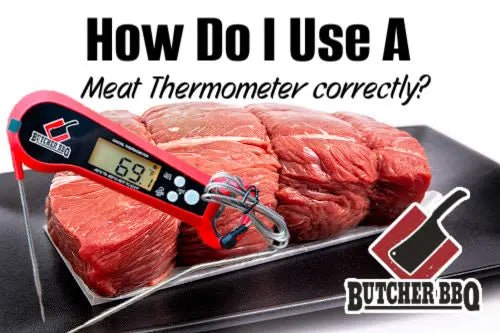
Are you tired of guessing whether your food is cooked just right? Using a kitchen thermometer can change the way you cook forever.
It helps you get perfect results every time—juicy steaks, tender chicken, and baked goods that are just right inside. But simply owning a thermometer isn’t enough. Knowing how to use it efficiently saves you time, prevents food waste, and keeps your meals safe.
You’ll discover easy tips to make your kitchen thermometer your best cooking tool. Keep reading to unlock the secret to flawless cooking every time.
Choosing The Right Kitchen Thermometer
Using a kitchen thermometer helps cook food safely and well. Picking the right one makes cooking easier and more accurate.
There are many types of thermometers. You need to know which fits your cooking needs best.
Types Of Thermometers
Different thermometers work in different ways. Some are best for meat, others for candy or liquids.
- Digital Instant-Read:Shows temperature quickly. Good for most cooking.
- Dial Oven-Safe:Can stay in food while cooking. Reads slower but stays in oven.
- Probe Thermometer:Has a wire and a screen outside the oven. Good for long cooks.
- Candy or Deep Fry:Designed for high heat. Works well for sugar or oil.
- Infrared Thermometer:Measures surface temperature without touching food.
Features To Consider
Look for features that make the thermometer easy and safe to use. This helps get the best results.
- Speed:Fast reading saves time and stops heat loss.
- Accuracy:Choose one with precise temperature readings.
- Temperature Range:Make sure it covers the food types you cook.
- Display:A clear, easy-to-read screen helps avoid mistakes.
- Durability:Water resistance and strong build last longer.
- Ease of Cleaning:Removable probes or waterproof designs clean easily.
- Alarm or Timer:Some models beep at target temperatures for safety.
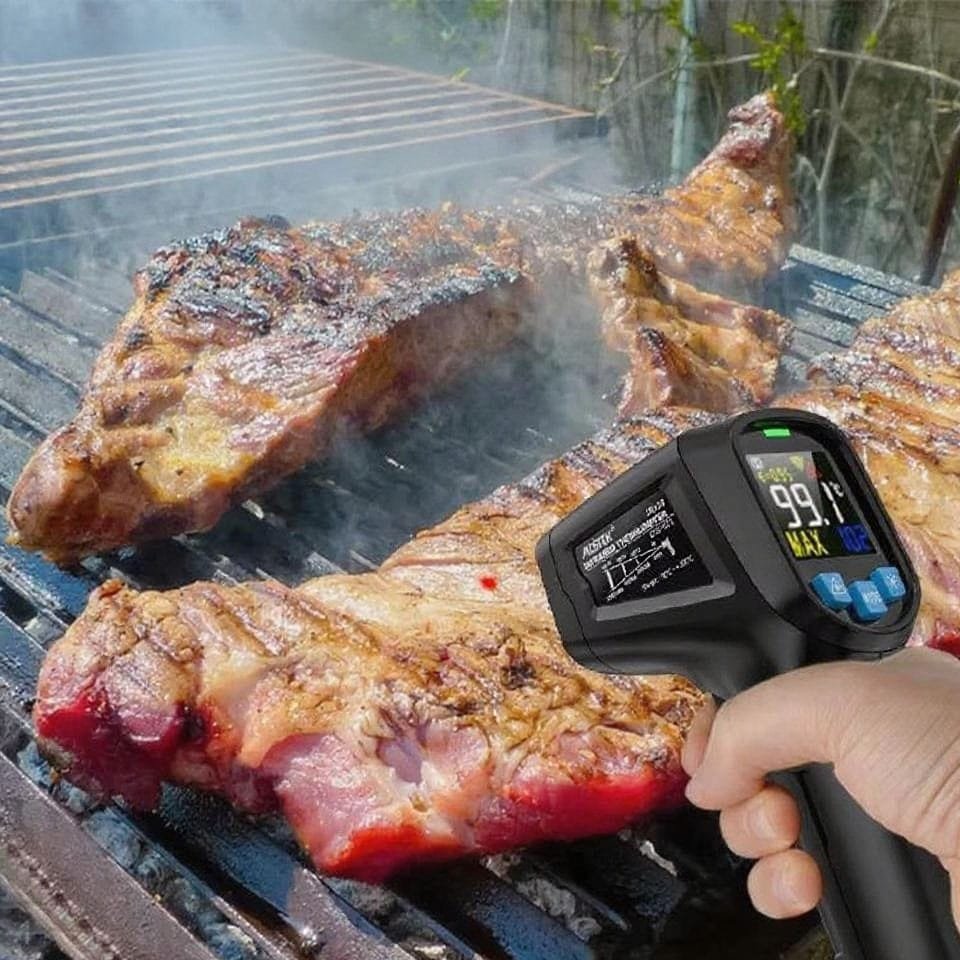
Credit: mestekinstruments.com
Calibrating Your Thermometer
Using a kitchen thermometer correctly helps cook food safely. Calibrating it ensures the readings are accurate.
Check your thermometer regularly with simple tests. This keeps your cooking temperatures right every time.
Ice Water Test
The ice water test checks if your thermometer reads 32°F (0°C). This is the freezing point of water.
Fill a glass with ice and add cold water. Stir well, then place the thermometer probe in the ice water.
- Make sure the probe is in the water, not touching the glass sides.
- Wait 30 seconds for the reading to stabilize.
- The thermometer should read 32°F or 0°C.
- If it does not, adjust the thermometer if possible.
Boiling Water Test
The boiling water test checks if your thermometer reads 212°F (100°C). This is the boiling point of water at sea level.
Boil water in a pot. Place the thermometer probe in the boiling water without touching the pot.
- Wait about 30 seconds for the temperature to settle.
- The thermometer should read close to 212°F or 100°C.
- If the reading is off, adjust the thermometer if it has a calibration feature.
- Remember, boiling point changes with altitude, so adjust expectations accordingly.
Proper Placement Techniques
Using a kitchen thermometer correctly helps you cook food safely and perfectly. Placing the thermometer in the right spot gives you an accurate temperature reading.
Different foods need the thermometer placed in different areas. This guide explains where to put the thermometer for best results.
Meat And Poultry
Insert the thermometer into the thickest part of the meat or poultry. Avoid touching bone, fat, or gristle as they can give false readings.
Check the temperature near the center to ensure the inside is fully cooked. This helps prevent foodborne illness and overcooking.
- Insert into the thickest, meatiest part
- Avoid touching bone or fat
- Check near the center for doneness
Baked Goods
Place the thermometer in the center of baked goods like bread or cakes. This area reflects the true internal temperature.
For items like muffins or cupcakes, insert the probe into the middle but avoid piercing the pan or paper liners.
- Insert in the center of the item
- Avoid touching the pan or liners
- Check multiple spots for larger baked goods
Liquids And Sauces
Place the thermometer probe in the middle of liquids or sauces. Stir the liquid gently before measuring to get an even temperature.
Do not let the probe touch the container’s bottom or sides. This can give a higher temperature reading than the liquid’s actual heat.
- Insert probe in the center of the liquid
- Stir liquid gently before measuring
- Keep probe away from container edges

Credit: www.youtube.com
Reading Temperature Accurately
Using a kitchen thermometer helps you cook food safely and perfectly. It shows the exact temperature inside your food.
Knowing how to read the thermometer correctly is very important. This ensures your food is cooked just right.
Avoiding Common Mistakes
One common mistake is not placing the thermometer in the right spot. Always insert it into the thickest part of the food.
Avoid touching bones, fat, or the cooking pan. These can give false temperature readings.
- Insert the probe deep into the thickest area
- Keep the tip away from bones and fat
- Wait a few seconds for the reading to stabilize
- Clean the thermometer before and after use
Interpreting Readings
Read the number clearly on the thermometer display or dial. This tells you the internal temperature of your food.
Compare the reading with safe cooking temperatures for different foods. This helps you know if your food is done.
- Check if the temperature matches safety guidelines
- Use a digital thermometer for easier reading
- Note the temperature quickly to avoid heat loss
- Double-check if unsure by testing again in another spot
Cooking With Confidence
Using a kitchen thermometer helps you cook food just right. It takes the guesswork out of cooking.
Knowing the exact temperature of your food keeps your meals tasty and safe to eat.
Achieving Perfect Doneness
Insert the thermometer in the thickest part of the food. Avoid touching bones or fat for the best reading.
Check the temperature often to avoid overcooking or undercooking your meals.
- Steak: 130°F for medium-rare
- Chicken: 165°F for fully cooked
- Fish: 145°F for safe eating
- Ground meat: 160°F for safety
Ensuring Food Safety
Use the thermometer to check food temperature before serving. This prevents foodborne illness.
Clean the thermometer after each use to avoid spreading bacteria between foods.
- Wash with hot, soapy water
- Sanitize with alcohol wipes
- Store in a clean, dry place
:max_bytes(150000):strip_icc()/sea-lavatools-javelin-pro-duothermometer-irvin-lin-02-27274081c11e44bf8b7c37932368ec19.jpeg)
Credit: www.seriouseats.com
Maintaining Your Thermometer
Keeping your kitchen thermometer in good shape helps it give accurate readings. Regular care makes it last longer.
Simple maintenance steps can protect your thermometer from damage and dirt. This keeps your cooking safe and easy.
Regular Cleaning
Clean your thermometer after each use to remove food residue. This stops germs from growing and keeps it working well.
Use warm soapy water and a soft cloth or sponge. Avoid soaking the whole thermometer if it is not waterproof.
- Wash the probe carefully, removing all food bits
- Do not use harsh cleaners or scrubbers
- Dry the thermometer fully before storing
- Wipe the display gently to keep it clear
Proper Storage
Store your thermometer in a dry, cool place away from heat and moisture. This prevents damage and keeps it accurate.
Use a protective case or pouch if available. Avoid placing heavy objects on it to stop bending or breaking the probe.
- Keep it in a drawer or cabinet with other kitchen tools
- Do not leave it near the stove or sink
- Check batteries regularly and replace as needed
Frequently Asked Questions
How Do I Calibrate My Kitchen Thermometer?
To calibrate, immerse the thermometer probe in ice water. Adjust the dial until it reads 32°F (0°C). This ensures accurate temperature readings for safe cooking.
What Is The Best Temperature For Cooking Meat?
Different meats require specific temperatures. For example, poultry should reach 165°F (74°C), while beef is safe at 145°F (63°C). Use a thermometer to check doneness.
How Do I Clean A Kitchen Thermometer Safely?
Clean the probe with warm soapy water after each use. Avoid submerging the entire thermometer unless it is waterproof. This prevents damage and maintains hygiene.
Can I Use A Kitchen Thermometer For Baking?
Yes, you can. Use it to check the internal temperature of bread or cakes. This helps ensure thorough baking and prevents undercooked centers.
Conclusion
Using a kitchen thermometer helps cook food safely and perfectly. Check the temperature often to avoid overcooking or undercooking. Insert the thermometer in the thickest part of the food for best results. Clean the thermometer after each use to keep it accurate.
With practice, reading temperatures becomes quick and easy. This small tool can make a big difference in your cooking. Keep your family safe and enjoy better meals every time. Simple steps lead to great cooking results. Try it today and see the difference yourself.