
You’ve just enjoyed a delicious meal, but now you’re left with leftovers. How you store them can make all the difference between a tasty next meal and a potential health risk.
If you’re not careful, bacteria can grow quickly, ruining your food and putting your health in danger. But don’t worry—storing leftovers hygienically is easier than you think. You’ll discover simple, practical tips to keep your food fresh and safe. Keep reading, and never waste a meal or risk foodborne illness again.
Credit: www.canr.msu.edu
Importance Of Proper Storage
Storing leftovers properly keeps food safe to eat. It stops germs from growing.
Good storage also keeps food fresh and tasty for longer times.
Use Clean Containers
Always use clean containers to store leftovers. Dirty containers can cause food to spoil.
Choose containers with tight lids to keep air out and food fresh.
Cool Food Quickly
Cool your leftovers fast before storing. Warm food makes bacteria grow quickly.
Put food in small portions to help it cool faster in the fridge.
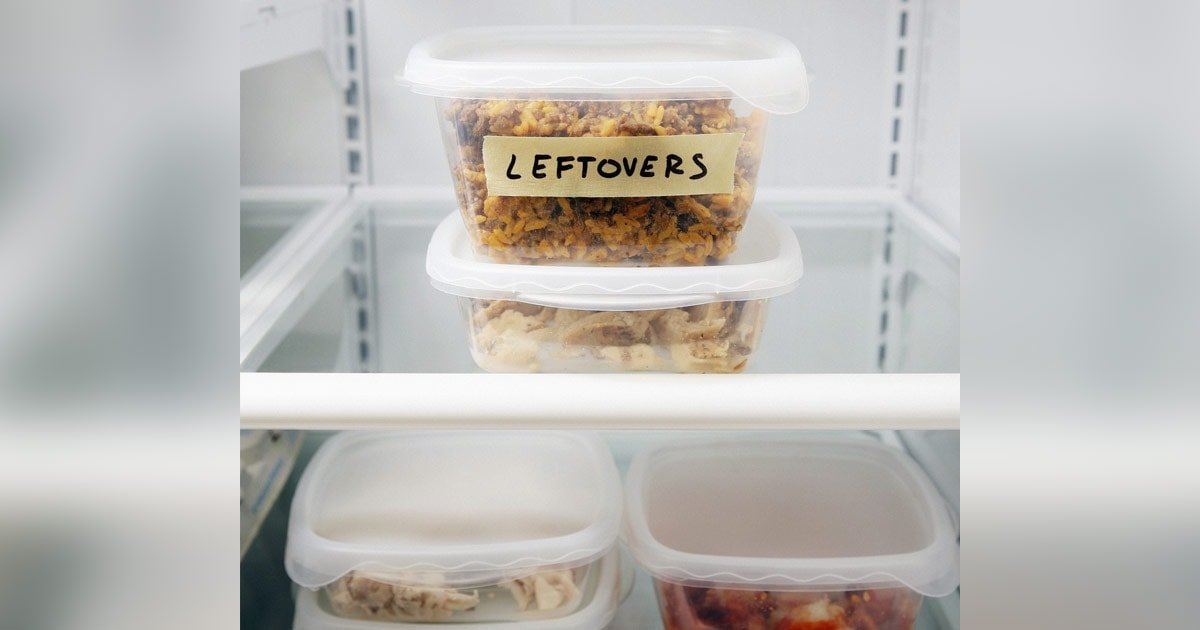
Label And Date Leftovers
Write the date on containers before storing food. This helps know when to eat it.
Use leftovers within a few days to avoid spoilage and food waste.
Store At The Right Temperature
Keep leftovers in the fridge at or below 40°F (4°C). Cold stops bacteria growth.
Do not leave food out for more than two hours. Room temperature allows germs to grow.
Avoid Overfilling The Fridge
Do not pack the fridge too full. Air needs to flow to keep food cold evenly.
Proper air circulation helps keep all leftovers at a safe temperature.
Choosing The Right Containers
Storing leftovers properly keeps food safe and fresh. Picking the right containers helps prevent spills and contamination.
Good containers also make it easy to organize and reheat your food later. Let’s look at how to choose the best ones.
Material Matters
Containers come in different materials like plastic, glass, and stainless steel. Each type has pros and cons.
Glass is strong and does not stain or absorb odors. It is safe for microwaves and dishwashers.
Plastic containers are light and often cheaper. Choose BPA-free plastic for safety and avoid staining.
Stainless steel is durable and eco-friendly but not microwave-safe. It keeps food fresh for a long time.
- Glass: microwave safe, no stains, easy to clean
- Plastic: lightweight, cheaper, choose BPA-free
- Stainless steel: durable, eco-friendly, no microwave use
Size And Shape
Pick container sizes that fit your leftover portions. Avoid containers that are too big or too small.
Square or rectangular containers save space in your fridge. Round containers work well for soups and stews.
- Small containers for single servings
- Medium containers for family portions
- Square shapes stack easily and save space
- Round shapes are good for liquids
Cooling Leftovers Safely
Storing leftovers properly keeps food safe and tasty. Cooling leftovers fast stops bacteria from growing.
Follow simple rules to cool food quickly. This helps avoid food poisoning risks.
Cooling Time Guidelines
Cool leftovers within two hours after cooking. If food stays warm too long, germs grow fast.
Large portions take longer to cool. Divide food into smaller containers to cool faster.
- Cool food from 140°F to 70°F in 2 hours
- Then cool from 70°F to 40°F within 4 hours
- Use shallow containers for quicker cooling
- Do not leave food out for more than 2 hours
Avoiding Temperature Danger Zones
The temperature danger zone is between 40°F and 140°F. Bacteria grow fastest in this range.
Keep leftovers out of this zone by cooling quickly and storing in the fridge.
- Do not leave food between 40°F and 140°F for over 2 hours
- Store leftovers in the fridge at 40°F or below
- Reheat leftovers to 165°F before eating
- Use a food thermometer to check temperatures

Credit: creators.yahoo.com
Labeling And Dating
Storing leftovers safely helps keep food fresh and prevents waste. Labeling and dating your containers makes it easy to know what is inside and when it was stored.
Clear labels and correct dates help you use food before it spoils. This keeps you and your family safe from foodborne illnesses.
Importance Of Clear Labels
Clear labels tell you what food is inside a container. This stops confusion and helps you find leftovers fast.
Labels should include the food name and any special notes, like “contains nuts” or “gluten-free.”
- Use a permanent marker or label stickers
- Write in big, clear letters
- Place labels on the container’s top or side
Using Dates For Safety
Dates tell you when the food was stored. This helps you eat leftovers before they go bad.
Always write the date you put the food in the fridge or freezer. Use a simple format like MM/DD or DD/MM.
- Check dates before eating leftovers
- Discard food stored too long
- Follow safe storage times for different foods
Refrigeration Techniques
Storing leftovers properly keeps food safe and fresh. Using the right refrigeration methods helps prevent germs.
This guide covers how to refrigerate leftovers for good hygiene and easy access.
Optimal Temperature Settings
Keep your fridge temperature at or below 40°F (4°C). This slows bacteria growth in leftovers.
Use a fridge thermometer to check the temperature. Avoid frequent door opening to keep it steady.
- Set fridge between 34°F and 40°F (1°C to 4°C)
- Use thermometer for accuracy
- Close fridge door quickly
- Do not overload the fridge
Organizing For Accessibility
Store leftovers in clear, labeled containers. This helps you find food quickly and reduces contamination.
Place newer leftovers behind older ones. Use shelves by food type for better order.
- Use airtight, clear containers
- Label containers with date
- Arrange older leftovers in front
- Group similar foods together
Freezing Leftovers
Freezing leftovers is a great way to keep food fresh for longer. It helps reduce waste and saves time on future meals.
To keep your food safe and tasty, follow some simple steps before freezing and thawing your leftovers.
Preparing Food For Freezing
Cool leftovers quickly before freezing to stop bacteria growth. Use airtight containers or freezer bags to avoid freezer burn.
Label each container with the date and contents. This helps you use the oldest food first and know what you have.
- Cool food to room temperature before freezing
- Use airtight containers or freezer-safe bags
- Remove as much air as possible to prevent freezer burn
- Label with date and food name
- Freeze in small portions for quicker thawing
Thawing Safely
Thaw leftovers in the fridge or use a microwave to keep food safe. Avoid thawing on the counter to stop bacteria growth.
Use thawed food within 1-2 days. Do not refreeze leftovers that have been fully thawed.
- Thaw in the refrigerator overnight
- Use the microwave’s defrost setting for faster thawing
- Cook thawed food immediately if microwaving
- Never thaw food at room temperature
- Use thawed leftovers within two days
Avoiding Common Mistakes
Storing leftovers properly helps keep food safe and fresh. Many people make simple mistakes that cause food to spoil or become unsafe.
Learning what to avoid can help you keep your leftovers longer and reduce waste.
Overcrowding The Fridge
Putting too many items in the fridge stops air from flowing well. This makes it harder for the fridge to keep food cold.
Cold air must reach all food to keep it safe. Overcrowding can cause some food to warm up and spoil faster.
- Leave space between containers for air circulation
- Organize leftovers so you can see and reach them easily
- Do not stack containers too high
- Check fridge temperature regularly, keep it below 40°F (4°C)
Ignoring Expiry Dates
Many leftovers have a safe time to eat. Ignoring expiry dates risks eating spoiled food that can cause illness.
Check dates on food packaging and mark your own containers with the date you stored them.
- Use leftovers within 3 to 4 days
- Label containers with the storage date
- Throw away food that looks or smells bad
- Do not taste food to check freshness

Credit: creators.yahoo.com
Sustainable Practices
Storing leftovers properly helps keep food safe and fresh. It also lowers waste and protects the planet.
Using eco-friendly methods for storing food supports a healthier environment. Small changes make a big difference.
Reducing Food Waste
Plan meals to use all leftovers. Eat or freeze food before it spoils. Label containers with dates to track freshness.
Use smaller containers to avoid keeping too much food at once. Freeze extra portions to save them longer.
- Store leftovers in clear containers to see contents easily
- Reheat only what you will eat to avoid waste
- Compost food scraps that cannot be eaten
Eco-friendly Storage Options
Choose reusable storage like glass jars and silicone bags. These reduce plastic waste and last longer than disposables.
Bamboo lids and beeswax wraps are natural and compostable. They keep food fresh without harming the environment.
- Use glass containers for easy cleaning and durability
- Try beeswax wraps instead of plastic wrap
- Silicone bags work well for freezing and storing
- Choose lids made from sustainable materials
Frequently Asked Questions
How Long Can Leftovers Be Stored Safely?
Leftovers should be stored in airtight containers and refrigerated within two hours. Consume them within 3-4 days to avoid foodborne illnesses. Freezing extends shelf life up to 2-6 months depending on the food type. Always label and date your leftovers for safe consumption.
What Are The Best Containers For Storing Leftovers?
Use airtight glass or BPA-free plastic containers to keep leftovers fresh. These containers prevent moisture and air exposure, reducing spoilage. Avoid using aluminum foil or plastic wrap alone, as they do not seal well. Proper containers maintain hygiene and food quality longer.
Should Leftovers Be Cooled Before Refrigeration?
Yes, let leftovers cool slightly before refrigerating to prevent raising fridge temperature. However, do not leave food out more than two hours. Cooling food at room temperature briefly helps avoid bacterial growth. Quickly refrigerate to keep leftovers safe and fresh.
How To Reheat Leftovers Safely?
Reheat leftovers until they reach an internal temperature of 165°F (74°C). Use a microwave, oven, or stovetop for even heating. Stir food midway to avoid cold spots. Avoid reheating leftovers multiple times as it increases food safety risks.
Conclusion
Storing leftovers safely keeps food fresh and prevents illness. Use clean containers and cool food before storing. Label containers with dates to track freshness. Keep leftovers in the fridge or freezer promptly. Reheat food thoroughly before eating for safety. These simple steps save money and reduce waste.
Enjoy your meals without worry. Safe storage makes your kitchen healthier and your food last longer. Remember, good habits keep your family safe and happy.