
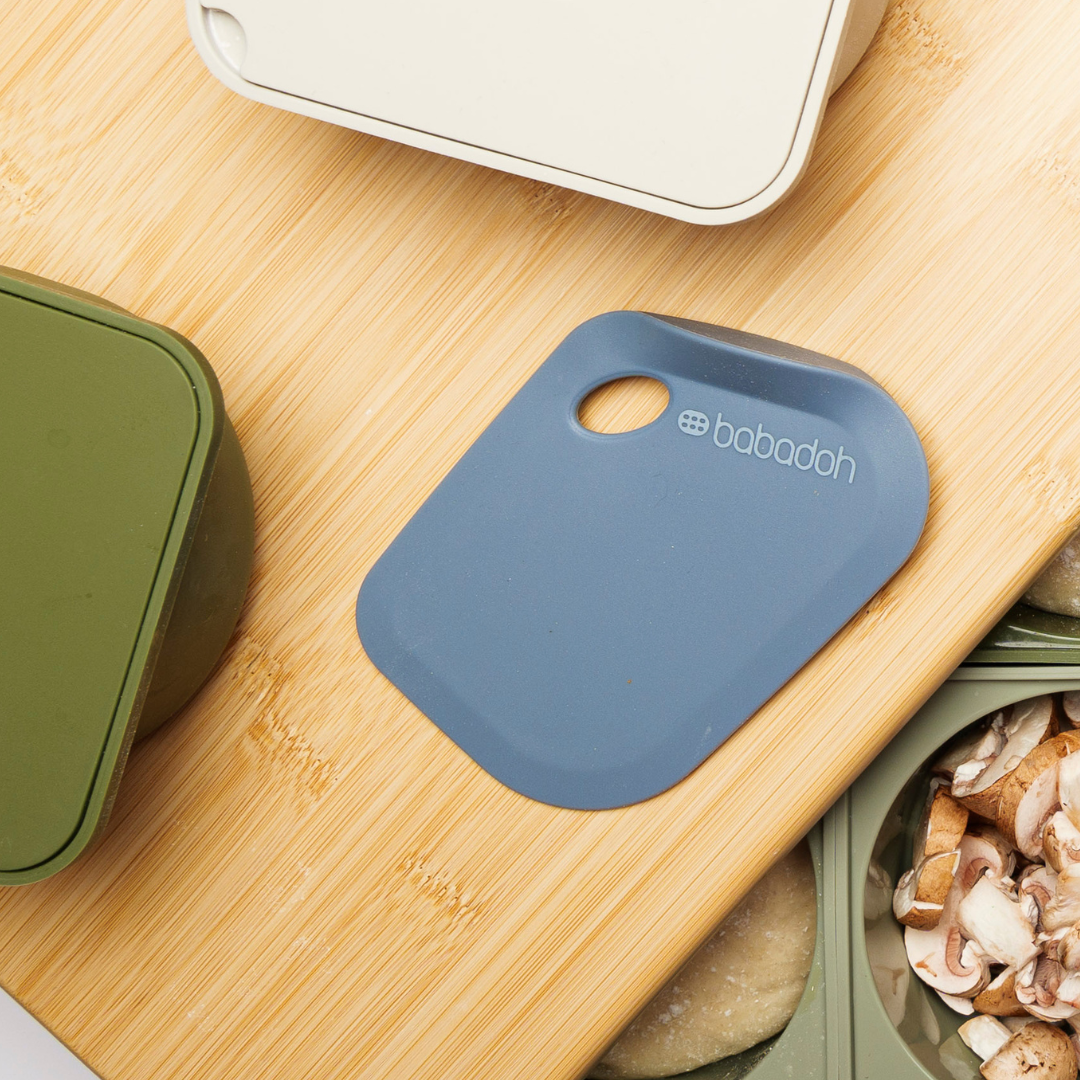
If you bake often, you know how important a dough scraper is in your kitchen. But have you ever thought about how to keep it in top shape?
Taking care of your dough scraper isn’t just about cleanliness—it can save you money and make your baking smoother. You’ll discover simple, effective tips to maintain your dough scraper so it lasts longer and works better every time. Keep reading to unlock the secrets that professional bakers use to keep this handy tool ready for action.
Choosing The Right Material
Picking the right material for your dough scraper is important. It helps you work better and keep the tool safe.
Different materials suit different tasks and types of dough. Knowing the options helps you choose well.
Plastic Dough Scrapers
Plastic scrapers are light and easy to clean. They do not damage non-stick surfaces.
They work well for soft dough and small jobs. Some plastics can bend, which helps in scraping.
- Affordable and widely available
- Resistant to water and stains
- May wear down faster than other materials
Stainless Steel Dough Scrapers
Steel scrapers are strong and last a long time. They cut through dough easily.
They work well for tough dough and scraping hard surfaces. Steel needs careful cleaning to avoid rust.
- Durable and sturdy
- Good for heavy dough tasks
- Can scratch delicate surfaces
Wooden Dough Scrapers
Wood scrapers feel natural and warm in your hand. They are gentle on all surfaces.
Wood absorbs moisture, so it needs drying after use. It can last long if cared for properly.
- Eco-friendly and natural
- Good grip and control
- Needs regular oiling to avoid cracking
Silicone Dough Scrapers
Silicone scrapers are flexible and heat resistant. They clean easily and do not scratch surfaces.
They work well for scraping sticky dough and cleaning bowls. Silicone lasts long and stays soft.
- Flexible and easy to use
- Safe for non-stick pans
- Can hold food odors if not cleaned well

Credit: bakabee.com
Regular Cleaning Practices
Keeping your dough scraper clean is important for hygiene and tool care. Dirt and dough buildup can affect its performance.
Regular cleaning stops bacteria growth and keeps your kitchen safe. Use simple steps to clean your scraper well.
Daily Cleaning Routine
Clean your dough scraper after each use. Remove dough and flour before washing it.
Wash the scraper with warm water and mild soap. Rinse it well to remove soap residue.
- Scrape off leftover dough with a cloth or paper towel
- Use a soft sponge or brush to clean the surface
- Avoid harsh scrubbing to prevent scratches
- Dry the scraper immediately with a clean towel
- Store in a dry place to avoid rust or damage
Deep Cleaning Methods
Deep clean your dough scraper once a week or after heavy use. This removes tough residue and keeps it fresh.
Use baking soda or vinegar to clean stubborn stains. These natural cleaners work well without harming the tool.
- Make a paste with baking soda and water
- Rub the paste on the scraper gently with a cloth
- Let it sit for 5 minutes, then rinse with warm water
- For metal scrapers, soak in vinegar for 10 minutes to remove rust
- Dry the scraper completely before storing
Proper Storage Techniques
Keeping your dough scraper in good shape means storing it properly. Proper storage stops damage and keeps it clean.
Learn how to avoid moisture and find safe spots to store your dough scraper.
Avoiding Moisture
Moisture can cause rust or mold on metal or wooden dough scrapers. Always dry your scraper after washing it.
Store it only when fully dry to keep it safe from water damage and germs.
- Wipe scraper with a dry cloth after use
- Air dry scraper completely before storage
- Avoid leaving scraper in damp places
- Check scraper regularly for any moisture build-up
Safe Storage Solutions
Choose a clean, dry place to keep your dough scraper. Safe storage keeps it ready for your next baking session.
Store scrapers in spots that protect them from falls and dirt.
- Use a utensil holder or stand on your countertop
- Hang scraper on a hook to keep it off surfaces
- Keep scraper in a drawer with dividers to avoid scratches
- Wrap wooden handles with a cloth to protect them
Handling And Usage Tips
A dough scraper is a handy tool for baking. Using and handling it right keeps it in good shape.
These tips help you use your dough scraper safely and effectively in the kitchen.
Preventing Damage
Handle your dough scraper gently to avoid bending or breaking it. Avoid using it on very hard surfaces.
Do not use the scraper to cut very tough dough or hard materials. This can damage the blade.
- Clean the scraper after each use with warm water and mild soap.
- Dry it fully before storing to prevent rust or mold.
- Store it in a safe place away from heavy objects.
Optimizing Efficiency
Use the dough scraper with smooth, even strokes for best results. This helps cut and lift dough easily.
Hold the scraper at a slight angle to the surface. This gives better control and reduces effort.
- Use the flat side to scrape dough from surfaces cleanly.
- Use the edge to divide dough into portions accurately.
- Keep the scraper clean to avoid dough sticking.
Sharpening And Maintenance
A dough scraper is a useful tool in the kitchen. Keeping it sharp and clean helps it work well.
Regular care of your dough scraper can make it last longer and perform better.
When To Sharpen
Check your dough scraper often for dull edges. A dull scraper does not cut dough smoothly.
Sharpen the scraper if it feels blunt or slips when scraping dough.
- Edge feels rounded or blunt
- Scraper slides instead of cutting
- Scraping takes more effort than usual
Sharpening Tools
Use simple tools to sharpen your dough scraper. A sharpening stone or fine sandpaper works well.
Keep the angle steady while sharpening to avoid damaging the edge.
- Sharpening stone: smooth and flat surface
- Fine-grit sandpaper: gentle on metal
- Clean cloth: wipe scraper after sharpening
Addressing Common Issues
Dough scrapers are useful tools in baking. They help shape and cut dough easily.
Keeping your dough scraper clean and rust-free makes it last longer. Let’s look at how to fix common problems.
Removing Stains
Dough scrapers can get stained from flour, dough, or other ingredients. Removing stains keeps them looking clean.
Use warm water and mild soap to clean the scraper after each use. Avoid harsh chemicals that can damage the surface.
- Soak scraper in warm soapy water for a few minutes.
- Use a soft sponge or cloth to scrub gently.
- Rinse well and dry with a clean towel.
- Repeat if stains remain.
Dealing With Rust
Rust can form on metal dough scrapers if they stay wet. Rust weakens the scraper and is hard to remove later.
Always dry the scraper completely after washing. Store it in a dry place away from moisture to stop rust from forming.
- Use a mixture of baking soda and water to scrub rust spots.
- Rinse and dry the scraper thoroughly after cleaning.
- Apply a thin layer of cooking oil to protect the metal.
- Replace the scraper if rust spreads or worsens.
Extending Lifespan
Maintaining your dough scraper helps it last longer. Proper care keeps it working well.
Simple checks and cleaning prevent damage. This saves money and avoids frustration.
Regular Inspections
Look over your dough scraper often. Check for cracks, bends, or rust spots.
Clean it after each use to spot problems early. Dry it well to stop rust.
- Examine edges for chips or dullness
- Check handle for looseness or cracks
- Look for rust or discoloration
- Ensure blade is flat and not bent
Replacement Signs
Replace the scraper if damage affects performance. Using a broken tool can harm dough.
Watch for these signs to know when to replace your scraper.
- Cracked or splintered handle
- Severe rust that won’t clean off
- Blade is bent or warped
- Edges are chipped and blunt
- Scraper no longer feels sturdy

Credit: ooni.com

Credit: www.bakerybits.co.uk
Frequently Asked Questions
How Do I Clean A Dough Scraper Properly?
Clean your dough scraper with warm, soapy water after each use. Avoid abrasive cleaners to protect its surface. Dry it thoroughly to prevent rust or bacteria buildup.
How Often Should I Maintain My Dough Scraper?
Maintain your dough scraper after every baking session. Regular cleaning and drying keep it in good condition and extend its lifespan.
Can I Use A Dishwasher For My Dough Scraper?
Most dough scrapers should be hand washed to avoid damage. Check manufacturer guidelines; many plastic scrapers may be dishwasher safe, but metal ones usually are not.
What Materials Are Best For A Durable Dough Scraper?
Stainless steel and food-grade plastic are durable and easy to clean. Choose a scraper with a sturdy handle for comfortable use and long-lasting performance.
Conclusion
Taking care of your dough scraper keeps it useful for a long time. Clean it after each use to avoid dough build-up. Store it in a dry place to stop rust or damage. Check for cracks or bends regularly and replace if needed.
A well-maintained scraper makes baking easier and more fun. Small efforts in care help your tools last and perform well. Keep these simple tips in mind for best results every time.