
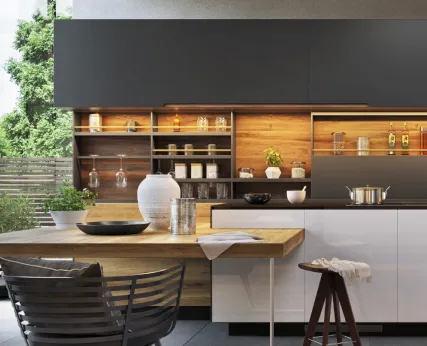
Imagine walking into your kitchen and with just a tap on your phone, the lights adjust perfectly to your mood or task. Whether you’re cooking, entertaining, or winding down, smart kitchen lighting can transform your space instantly.
But how do you connect those lights with apps to make this magic happen? If you want to make your kitchen smarter, easier to control, and truly personalized, this guide is exactly what you need. Keep reading to discover simple steps that will change the way you experience your kitchen lighting forever.
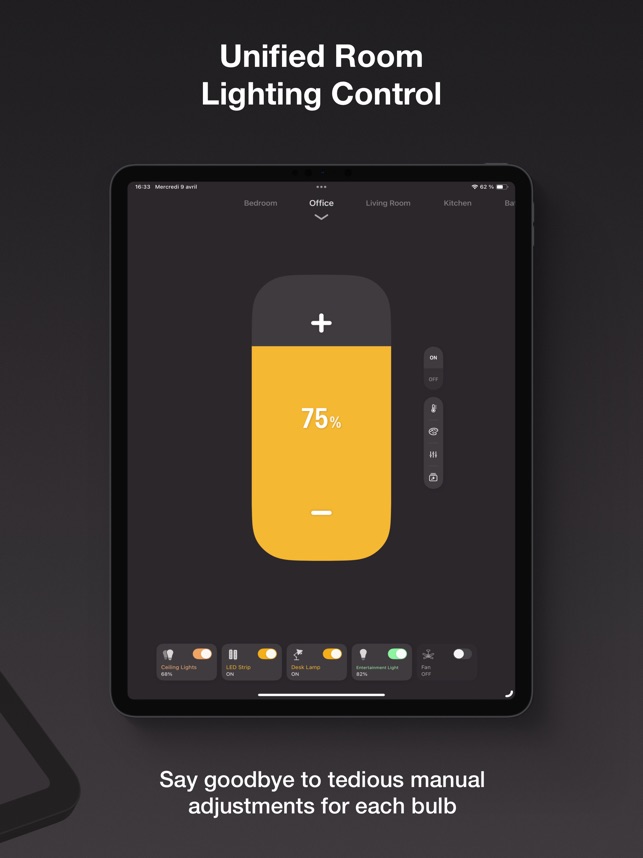
Credit: apps.apple.com
Benefits Of Smart Kitchen Lighting
Smart kitchen lighting helps make your kitchen more useful and safe. You can control lights with an app on your phone or tablet.
It offers many benefits like saving energy and creating the right mood for cooking or dining.
Energy Efficiency And Cost Savings
Smart lights use less power than regular lights. You can set timers or turn off lights remotely to save energy.
Using energy wisely lowers your electricity bills and helps the environment.
Improved Convenience And Control
You can control your kitchen lights from anywhere with your phone. This means you do not need to find switches in the dark.
Apps let you adjust brightness and color easily. You can create lighting scenes for cooking, eating, or cleaning.
Enhanced Safety And Security
Smart lighting helps you see better while cooking, reducing accidents. You can turn on lights automatically when you enter the kitchen.
Lights can also turn on at night or when you are away, making your home look occupied and safe.
Customizable Ambience And Mood
Adjust light colors and brightness to fit your mood or time of day. Soft warm light works well for dinners.
Bright, cool light helps with tasks like chopping or reading recipes.
Integration With Other Smart Devices
Smart kitchen lights work with smart speakers and home assistants. You can use voice commands to control your lights.
They can also sync with other devices like smart ovens or refrigerators for a connected kitchen.
:max_bytes(150000):strip_icc()/GettyImages-1306248993-4abd8f23918745b0b8062da6dfe18db0.jpg)
Credit: www.thespruce.com
Choosing The Right Smart Lighting System
Smart kitchen lighting makes cooking easier and more fun. Picking the right system helps you control light with apps smoothly.
Think about what features fit your kitchen and daily habits. This helps you find a system that works best for you.
Compatibility With Devices
Check if the smart lights work with your phone or tablet. Some systems only work with certain brands or apps.
Look for systems that support popular platforms like iOS and Android. This ensures easy control from your device.
- Supports both iOS and Android
- Works with voice assistants like Alexa or Google
- Connects easily to your home Wi-Fi
Energy Efficiency
Choose lighting that uses less electricity. Energy-saving lights lower your bills and help the environment.
LED smart bulbs are good choices. They last long and use less power than regular bulbs.
- Look for ENERGY STAR rated bulbs
- Use dimming features to save power
- Set schedules to turn lights off when not needed
Customizable Features
Pick lights that let you change brightness and colors. This helps you set the right mood for cooking or dining.
Some apps let you create lighting scenes or timers. These features add convenience and control to your kitchen.
- Adjust brightness levels easily
- Change colors to match your style
- Create schedules and automation
Popular Smart Lighting Apps
Smart kitchen lighting apps let you control your lights with ease. They add convenience and style to your kitchen.
These apps work with different smart lights and offer features to customize lighting.
App Functionality
Smart lighting apps let you turn lights on or off remotely. You can also change brightness and colors.
Many apps include scheduling and automation. This means lights can turn on at set times or with motion sensors.
- Remote control for lights
- Adjust brightness and color
- Set schedules and timers
- Use motion or voice commands
- Create lighting scenes for different moods
User Interface
Good apps have simple and clear interfaces. This makes controlling kitchen lights easy for everyone.
Most apps use buttons or sliders to adjust settings. Icons and labels help users find features fast.
- Easy navigation menus
- Simple buttons for on/off
- Sliders for brightness and color
- Clear labels and icons
- Quick access to favorite settings
Integration Options
Smart lighting apps connect with other devices and platforms. This allows more ways to control your kitchen lights.
Many apps work with voice assistants like Alexa or Google Assistant. Some link with smart home systems for full control.
- Works with voice assistants
- Connects to smart home hubs
- Supports multiple smart light brands
- Compatible with smartphones and tablets
- Offers cloud syncing for settings
Setting Up Smart Kitchen Lighting
Smart kitchen lighting makes cooking and cleaning easier. You can control lights with your phone or voice.
To start, you need to install the lights and connect them to your home network. Then, sync them with apps.
Installation Basics
Choose the right smart bulbs or fixtures for your kitchen. Check if they fit your existing sockets.
Turn off power before installing to avoid electric shock. Screw in bulbs or mount fixtures as needed.
- Use LED smart bulbs for energy saving
- Place lights where you need good visibility
- Follow manufacturer instructions carefully
Connecting To Wi-fi
Smart lights need Wi-Fi to work with apps. Make sure your kitchen has a strong Wi-Fi signal.
Use the light’s app or your smart home system to add devices. Enter your Wi-Fi password when asked.
- Connect to a 2.4 GHz Wi-Fi network for better range
- Keep your router near the kitchen if possible
- Restart your router if connection fails
Syncing With Apps
Download the smart lighting app on your phone. Open the app and follow instructions to find your lights.
Once found, you can name lights and group them. Use the app to turn lights on or off and change colors.
- Set schedules to turn lights on/off automatically
- Control lights using voice assistants if supported
- Update app and firmware for best performance
Configuring Lighting Scenes
Smart kitchen lighting lets you set different moods and tasks. Configuring lighting scenes helps you control light easily.
You can create scenes for cooking, dining, or relaxing. Each scene saves your preferred light settings.
Creating Custom Scenes
Custom scenes let you design light settings to fit your needs. You choose brightness, colors, and zones in your kitchen.
Use the app to name your scene and save it. This way, you can quickly activate it later with one tap.
- Select the lights you want to include
- Adjust brightness and color for each light
- Save the settings as a new scene with a name
Using Preset Modes
Apps often have preset modes for common tasks. These modes change lighting fast without setting up manually.
Choose a preset that fits your activity. For example, “Cooking” mode might be bright and cool white.
- Cooking mode: bright white light
- Dining mode: warm and soft light
- Cleaning mode: bright and focused light
Adjusting Brightness And Color
Adjust brightness to match the task or mood. Lower brightness for relaxing, higher for cooking or reading.
Changing light color can also change atmosphere. Use cooler tones for work and warmer tones for comfort.
- Slide brightness bar to increase or decrease light
- Pick colors from the color wheel in the app
- Save your favorite brightness and color combos as scenes
Voice Control Integration
Smart kitchen lighting is easier to use with voice control. You can turn lights on or off without touching switches.
Connecting your lights to voice apps adds convenience and hands-free control in the kitchen.
Using Virtual Assistants
Popular virtual assistants like Alexa, Google Assistant, and Siri work well with smart kitchen lights. You link your lighting app to these assistants.
After linking, you can use voice commands to adjust brightness or change colors. Make sure your devices are on the same Wi-Fi network.
Voice Command Tips
Speak clearly and use simple commands for best results. Use phrases like “Turn on kitchen lights” or “Dim the lights to 50%.”
- Use the exact device names you set in the app
- Keep commands short and direct
- Test commands to see how the assistant responds
Troubleshooting Voice Control
If voice control does not work, check your internet connection first. Make sure your smart lights are powered on and connected.
Restart your virtual assistant and smart lighting app. Update their software for better performance.
- Confirm the assistant recognizes your device names
- Check microphone settings and permissions
- Reset your smart light if it still fails to respond
Scheduling And Automation
Smart kitchen lighting can make your cooking space more efficient. Scheduling and automation help save energy and create the right mood.
Using apps to control lights lets you set times and conditions for your lights to turn on or off automatically.
Setting Timers
Timers let you decide exactly when your kitchen lights turn on or off. You can set timers using your smart lighting app.
For example, you can schedule the lights to turn on before you start cooking and turn off after you finish.
- Choose the time to switch lights on
- Set the time to switch lights off
- Adjust timers for weekdays and weekends
Creating Routines
Routines combine multiple actions in your app to run at the same time. You can control lighting along with other smart devices.
For example, a morning routine can turn on the kitchen lights and start the coffee maker together.
- Set triggers like time or voice command
- Choose actions such as turning on lights
- Save the routine for automatic use
Automating With Sensors
Sensors detect movement or light levels to control your kitchen lighting. This makes your lights work only when needed.
Motion sensors can turn lights on when you enter the kitchen and off when you leave. Light sensors adjust brightness based on daylight.
- Use motion sensors for hands-free lighting
- Install light sensors to save energy
- Combine sensors with app settings for smart control
Troubleshooting Common Issues
Smart kitchen lighting makes cooking easier and more fun. Sometimes, the lights may not work right. Troubleshooting helps fix common problems fast.
This guide covers common issues with connectivity, apps, and hardware. Follow simple tips to solve these problems yourself.
Connectivity Problems
Smart lights need a stable internet or Bluetooth connection. If your lights do not respond, check the network first. Many issues come from weak signals or router problems.
Restart your Wi-Fi router and smart light device. Make sure your phone is connected to the same network as the lights. Keep devices close to improve the signal.
- Check if Wi-Fi is working on other devices
- Restart router and smart light
- Move devices closer to the router
- Ensure correct Wi-Fi password is used
App Malfunctions
The app controls your smart kitchen lighting. If the app crashes or acts slow, try closing and reopening it. Sometimes, the app needs an update to work well.
Clear the app cache from your phone settings. If the app still does not work, uninstall and reinstall it. Check if your phone’s operating system supports the app version.
- Close and reopen the app
- Update the app to the latest version
- Clear app cache in phone settings
- Reinstall the app if needed
- Check phone compatibility with the app
Hardware Failures
Hardware problems can cause smart kitchen lights to stop working. Check if the lights are plugged in and switched on. Loose connections can cause failures.
Look for physical damage or burnt smells. If the light does not turn on after checking, try replacing the bulb or contacting support for repairs.
- Ensure lights are plugged in and switched on
- Check for loose wires or connections
- Inspect for physical damage or unusual smells
- Replace bulbs if needed
- Contact support for hardware repairs
Future Trends In Smart Kitchen Lighting
Smart kitchen lighting is changing how we cook and live. New trends make kitchens brighter and smarter.
Lighting now works with apps to give more control and save energy. Let’s explore what the future holds.
Advancements In Technology
Smart lights are getting better sensors and AI to adjust light based on activity. They can change color and brightness automatically.
Integration with voice assistants and smart home systems will become smoother. Lights will respond faster to commands from apps.
- AI adjusts lighting for cooking and cleaning
- Improved sensors detect motion and daylight
- Better app control with voice commands
- Faster and more reliable device connections
Sustainability Considerations
Future smart kitchen lighting will focus on saving energy and reducing waste. Lights will use less power and last longer.
Apps will help users track energy use and suggest ways to lower it. Eco-friendly materials will be used in light fixtures.
- Energy-efficient LED lights with smart controls
- Materials that can be recycled or reused
- App alerts to reduce unnecessary lighting
- Settings that adapt to natural light to save power
User-centric Innovations
Smart kitchen lighting will focus more on user comfort and safety. Lights will adjust to reduce eye strain and improve mood.
Apps will offer more customization for schedules and scenes. Users will control lights easily to fit different kitchen tasks.
- Custom light settings for cooking, dining, and cleaning
- Health-focused lighting to support natural body rhythms
- Safety features like night lights and alerts
- User-friendly apps with simple controls

Credit: apps.apple.com
Frequently Asked Questions
What Apps Are Best For Smart Kitchen Lighting Integration?
Popular apps like Philips Hue, LIFX, and SmartThings offer seamless smart kitchen lighting control. They provide customizable settings, scheduling, and voice control, enhancing kitchen ambiance efficiently.
How Do I Connect Smart Lights To My Kitchen App?
Download the compatible app, create an account, and follow pairing instructions. Ensure your smart lights are powered on and within Wi-Fi range for smooth connection.
Can I Control Smart Kitchen Lights With Voice Commands?
Yes, most smart lighting apps support voice assistants like Alexa, Google Assistant, and Siri. This allows hands-free control, making kitchen lighting adjustments quick and convenient.
Are Smart Kitchen Lighting Apps Compatible With All Smart Bulbs?
Compatibility depends on the bulb brand and app. Most apps support popular bulbs, but always check manufacturer guidelines before integrating to ensure smooth functionality.
Conclusion
Smart kitchen lighting with apps makes cooking easier and fun. You can control lights anytime, even from another room. Setting moods for meals or brightening work areas is simple. Many apps offer timers and color changes to suit your needs.
This integration saves energy and adds convenience. Start small, then explore features that match your kitchen style. Enjoy a brighter, smarter kitchen every day.