
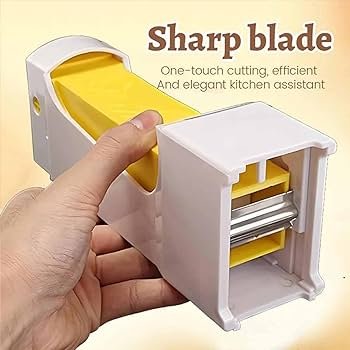
Do you find cutting butter messy or uneven? You’re not alone.
Using a butter cutter efficiently can save you time, reduce waste, and make your cooking experience smoother. Imagine slicing perfect pats of butter every time without the frustration of crumbling or sticking. You’ll discover simple tips and tricks to master your butter cutter and get the best results quickly.
Ready to upgrade your kitchen skills? Let’s dive in!
Credit: www.vevor.ca
Choosing The Right Butter Cutter
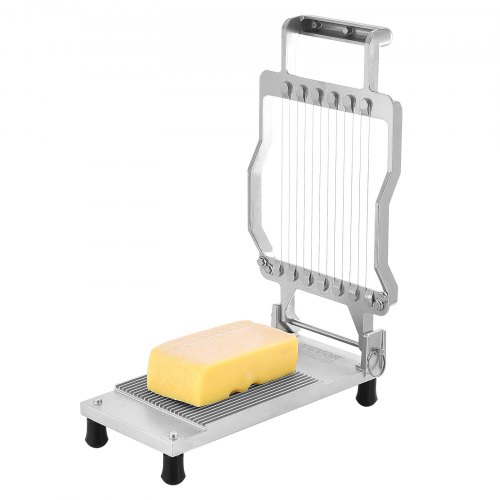
Using a butter cutter makes cutting butter easy and neat. Picking the right one helps you get perfect slices every time.
Think about the types, materials, and size before buying. These factors affect how well the cutter works for you.
Types Of Butter Cutters
Butter cutters come in different styles for various needs. Some cut thin slices, others cut pats or cubes.
- Wire cutters slice butter cleanly and evenly
- Blade cutters offer sharp edges for thicker cuts
- Butter slicers have multiple wires for several slices at once
- Portion cutters help cut exact butter amounts
Material Considerations
Butter cutters are made from metals, plastics, or wood. Each material affects durability and ease of use.
- Stainless steel is strong, rust-resistant, and easy to clean
- Plastic cutters are lightweight but less durable
- Wood handles provide good grip and a classic look
- Wire parts should be sturdy to avoid snapping
Size And Design
Choose a size that fits your butter blocks and kitchen space. Design affects comfort and cutting style.
- Compact cutters are easy to store and handle
- Long handles give better leverage for cutting
- Wide cutters slice larger butter pieces quickly
- Ergonomic designs reduce hand strain
Preparing Butter For Cutting
Using a butter cutter makes slicing butter easier and cleaner. Preparing butter well helps you cut it smoothly without breaking or sticking.
Getting the butter ready means thinking about its temperature and storage. These steps improve your cutting experience and results.
Optimal Butter Temperature
Butter cuts best at the right temperature. If it is too cold, it will be hard and may crack. If it is too soft, it will stick to the cutter and lose shape.
Keep butter cool but slightly soft before cutting. This helps the cutter slice the butter cleanly and evenly.
- Take butter out of the fridge 10–15 minutes before cutting
- Butter should be firm but not rock hard
- Avoid leaving butter out too long to prevent melting
Proper Butter Storage
Store butter correctly to keep it fresh and easy to cut. Proper storage keeps butter firm and ready for use.
Use a butter dish with a cover or wrap butter tightly. Keep it in the fridge at a steady temperature.
- Wrap butter in wax paper or foil to protect from odors
- Place butter in the coldest part of the fridge
- Do not store butter near strong-smelling foods
Techniques For Perfect Slices
Using a butter cutter helps you make neat and even slices of butter. This makes spreading easier and looks better on your food.
Knowing how to hold the cutter, press it right, and keep slices the same size can improve your results.
Holding The Cutter Correctly
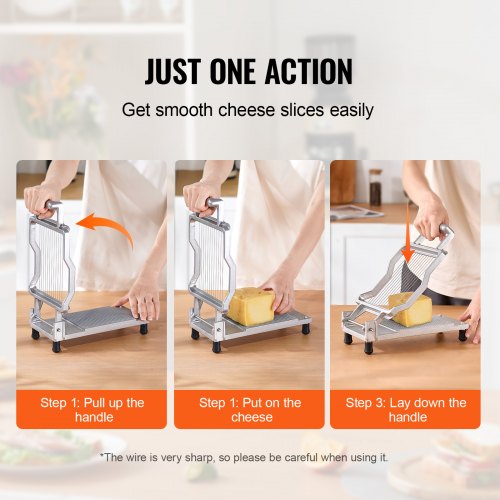
Grip the butter cutter firmly with your dominant hand. Hold it steady above the butter block to avoid slipping.
Use your other hand to hold the butter or the cutting surface if needed. This keeps the butter from moving.
- Place your thumb on the handle or top
- Wrap fingers around the handle securely
- Keep your wrist straight for control
Applying The Right Pressure
Press down gently at first to start the cut. Increase pressure evenly as the cutter moves through the butter.
Avoid pressing too hard quickly. This can cause uneven slices or break the butter.
- Start with light pressure
- Increase pressure slowly and smoothly
- Finish the cut with steady force
Ensuring Uniform Thickness
To get even butter slices, use a cutter with guides or marks if possible. These help measure slice thickness.
Cut each slice the same way and check thickness before moving on. This keeps all slices equal and neat.
- Use a cutter with thickness guides
- Cut slowly and watch slice size
- Adjust pressure to keep slices even
Credit: www.vevor.ca
Maintaining Your Butter Cutter
Keeping your butter cutter clean and sharp helps it work well. Good care makes it last longer.
Follow simple steps to clean, sharpen, and store your butter cutter safely.
Cleaning Tips
Wash your butter cutter after every use. Use warm water and mild soap to remove butter residue.
Dry it well with a soft cloth to stop rust and keep the blade sharp.
- Use a soft sponge to avoid scratches
- Do not soak for too long
- Clean all parts, including the handle
- Dry immediately after washing
Sharpening The Blade
Sharp blades cut butter easily and cleanly. Check the blade often for dullness or damage.
Use a sharpening stone or a professional sharpener to keep the blade sharp. Follow safety rules when sharpening.
- Hold the blade steady during sharpening
- Sharpen at the correct angle (usually 20 degrees)
- Sharpen both sides evenly
- Clean the blade after sharpening
Safe Storage Practices
Store your butter cutter in a dry place to avoid rust. Keep it away from children and pets.
Use a protective cover or sheath for the blade. This prevents accidents and blade damage.
- Keep in a kitchen drawer or utensil holder
- Use blade guards or covers
- Store away from moisture
- Place out of reach of children
Troubleshooting Common Issues
Using a butter cutter can make slicing butter easier and cleaner. Still, some problems can happen while cutting. Knowing how to fix these issues helps you use the cutter well.
This guide covers common problems like soft butter, sticking, and uneven slices. Follow these tips to get smooth and perfect butter slices every time.
Dealing With Soft Butter
Soft butter is hard to cut and can squish or tear easily. It can make uneven slices and a messy cutter. To fix this, chill the butter before cutting.
If the butter is too soft, place it in the fridge for 10-15 minutes. Cold butter holds its shape and cuts cleaner.
- Put butter in the fridge before cutting
- Use a sharp cutter to slice smoothly
- Cut slowly to avoid squishing
Preventing Butter Sticking
Butter can stick to the cutter, making it hard to slice and clean. To stop sticking, keep the cutter cool and clean after each use.
You can also wet the cutter blade with cold water or lightly coat it with oil. This helps the butter slide off easily.
- Rinse cutter with cold water before use
- Wipe blade clean after each slice
- Lightly oil the blade to reduce sticking
Avoiding Uneven Slices
Uneven butter slices can happen if you cut too fast or use a dull cutter. This makes some slices thick and others thin.
Hold the cutter steady and cut with even pressure. Use a sharp cutter for straight cuts and uniform slices.
- Use a sharp blade for clean cuts
- Apply steady, even pressure
- Cut slowly to keep slices even
- Use a guide if available for straight lines
Innovative Uses For Butter Cutters
Butter cutters do more than just slice butter. They help you make neat shapes quickly. Using them well saves time and adds style to your dishes.
Try new ways to use butter cutters beyond the usual. They can bring fun and creativity to your kitchen tasks.
Creative Butter Designs
Butter cutters can shape butter into patterns that look nice on plates. You can make flowers, stars, or simple geometric shapes. These designs make meals look special.
Use different cutters to mix shapes on one dish. This adds variety and interest without extra effort.
- Cut butter into thin slices for layering on bread
- Create small butter balls for elegant serving
- Make decorative edges by cutting patterns on butter blocks
- Use shaped cutters to match party themes or seasons
Using With Other Ingredients
Butter cutters work well with soft cheeses, spreads, and fruits. You can shape these ingredients the same way you shape butter. This creates a neat, uniform look on trays and plates.
Mix shaped butter pieces with herbs or spices before cutting. This adds flavor and color to your designs.
- Cut cream cheese or goat cheese into shapes for appetizers
- Slice soft fruits like melon or avocado with butter cutters
- Press herbs into butter before slicing for extra taste
- Use cutters to portion spreads evenly on bread or crackers
Credit: www.vevor.ca
Frequently Asked Questions
How Do I Choose The Best Butter Cutter?
Select a butter cutter with sharp, durable blades and ergonomic handles. Choose one sized to your typical butter sticks. Stainless steel cutters resist rust. Consider models with measurement markers for precise slicing. This ensures efficient, clean cuts every time.
Can I Use A Butter Cutter For Other Foods?
Yes, butter cutters can slice soft cheeses, cold spreads, and even soft fruits. Ensure the cutter is clean before switching foods. Using it beyond butter adds versatility and saves kitchen space.
How To Clean A Butter Cutter Properly?
Rinse the cutter immediately after use with warm water. Use mild soap and a soft brush to remove residue. Avoid abrasive cleaners that damage blades. Dry thoroughly to prevent rust and maintain efficiency.
What’s The Best Way To Store A Butter Cutter?
Store the butter cutter in a dry, clean place. Use a protective cover or case if available. Keep it away from moisture to prevent rust. Proper storage extends the cutter’s lifespan and performance.
Conclusion
Using a butter cutter saves time and reduces mess in the kitchen. It helps you slice butter evenly and quickly. Clean the cutter after use to keep it working well. Practice a few times to get comfortable with the tool.
Small steps make cooking easier and more fun. Enjoy smooth, perfect butter slices every time you cook or bake. Simple tools can make a big difference in daily tasks. Try these tips and see how handy a butter cutter can be.