
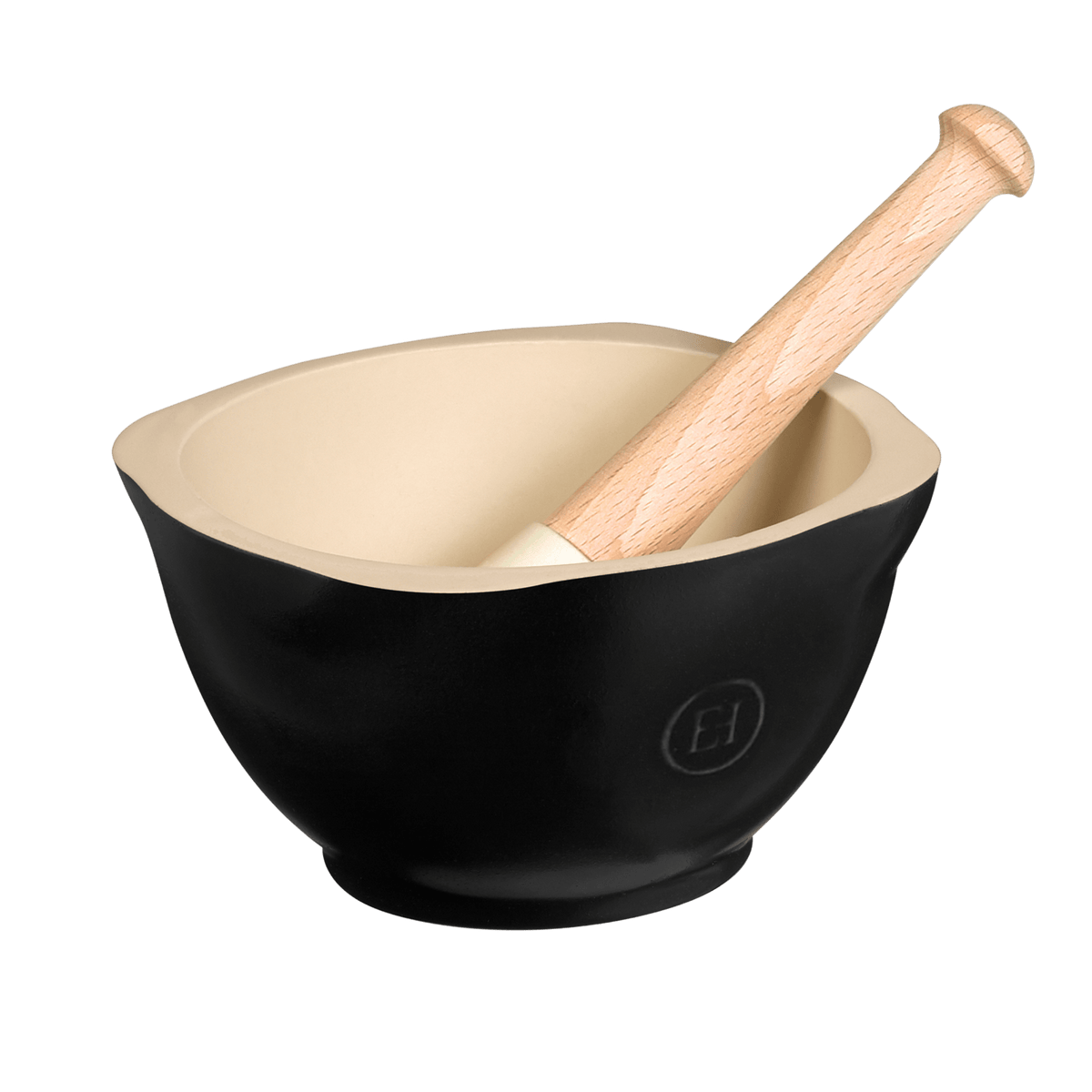
Are you tired of struggling with bulky kitchen tools that don’t give you the results you want? Choosing the right mortar and pestle can change the way you prepare your meals, making your cooking easier, faster, and more enjoyable.
But with so many options out there, how do you know which one fits your needs perfectly? In this guide, you’ll discover simple tips to pick the ideal mortar and pestle that matches your style and helps you unlock bold, fresh flavors every time.
Keep reading to find out exactly what to look for and make your kitchen experience better than ever.

Credit: www.emilehenryusa.com
Importance Of A Mortar And Pestle
A mortar and pestle is a simple tool that helps you crush and grind ingredients. It is used in cooking, medicine, and crafts. This tool makes fresh spices and herbs easier to use.
Using a mortar and pestle gives you more control over the texture and flavor of your ingredients. It also helps release natural oils and aromas, making food taste better.
Choosing The Right Material
Mortar and pestles come in many materials like stone, wood, ceramic, and metal. Each material suits different uses. Choose one that fits your needs and is easy to clean.
- Stone is heavy and good for tough grinding
- Wood is light but may absorb flavors
- Ceramic is smooth and ideal for soft ingredients
- Metal is durable but can react with acids
Size And Shape Matter
Pick a mortar size that matches the amount of ingredients you use. A larger bowl handles big batches, while a small one is better for spices. The shape affects how easy it is to grind.
- Deep bowls keep ingredients inside
- Wide bowls allow easier mixing
- Pestles should fit comfortably in your hand
Ease Of Cleaning
Cleaning your mortar and pestle is important to avoid mixing flavors. Some materials are easier to clean than others. Choose one that fits your cleaning habits.
- Stone and ceramic can be rinsed with water
- Wood needs gentle cleaning to avoid damage
- Metal can be scrubbed but may rust
Materials And Their Benefits
Choosing the right mortar and pestle depends on the material. Each material offers unique benefits for grinding and crushing.
Understanding different materials helps you pick the best one for your cooking needs.
Stone Variants
Stone mortars and pestles are very popular. They are heavy and strong, making grinding easy.
Granite and marble are common stone choices. Granite is rough and good for crushing tough spices. Marble is smooth and easy to clean.
- Granite: durable and rough surface for easy grinding
- Marble: smooth surface, good for soft ingredients
- Soapstone: softer, best for gentle crushing
Ceramic Options
Ceramic mortars and pestles look nice and are easy to clean. They work well for grinding dry spices.
They are less heavy than stone. Ceramic can chip if dropped or used on hard items.
- Good for light grinding tasks
- Non-porous surface prevents flavor mixing
- Fragile compared to stone and metal
Metal Alternatives
Metal mortars and pestles are strong and last long. Stainless steel is a common choice.
They are easy to clean and do not absorb flavors. Metal works well for wet and dry ingredients.
- Durable and resistant to cracking
- Non-porous and hygienic
- Can be noisy during use
Wood Choices
Wood mortars and pestles are light and easy to handle. They add a natural look to your kitchen.
Wood is gentle on herbs and spices but can absorb flavors and stains. It needs good care to last.
- Lightweight and easy to use
- Best for soft ingredients like herbs
- Requires regular cleaning and drying
Size Considerations
Choosing the right size mortar and pestle is important for your cooking and grinding needs. The size affects how much you can grind at once and how easy it is to handle.
Think about how much space you have and what you will use it for most. This helps you pick the best size for your kitchen.
Small Vs. Large Options
Small mortar and pestles are easy to store and use for small amounts. They are good for spices and herbs.
Large ones handle bigger batches and harder ingredients. They are better for sauces and pastes.
- Small: Holds about 2-4 ounces
- Large: Holds 8-16 ounces or more
- Small is lighter and easier to clean
- Large can grind more at once but is heavier
Suitable Sizes For Different Needs
Choose a small size for grinding small spices like pepper or cardamom. It works well for daily cooking.
Pick a large size if you often make pastes or need to crush nuts and seeds. It saves time by doing more at once.
- Small (2-4 ounces): Herbs, spices, small tasks
- Medium (5-8 ounces): Sauces, dressings, moderate use
- Large (8-16+ ounces): Big batches, tough ingredients

Credit: www.emilehenryusa.com
Weight And Stability
Choosing the right mortar and pestle depends on its weight and stability. These factors affect how well you can grind spices and herbs.
A heavy and stable set makes grinding easier and safer. Light or unstable sets can slip or move during use.
Impact Of Weight On Usage
Weight helps keep the mortar in place while you grind. A heavier mortar means less effort to hold it steady.
If the mortar is too light, it may slide around your counter. This can slow down your work and cause spills.
- Heavy mortar reduces movement during grinding
- Heavier pestle adds force with less effort
- Light sets require more hand strength and control
Ensuring Stability
Stability stops the mortar from tipping or sliding. Look for a wide base to help keep it steady.
Some mortars have rubber feet or textured bottoms. These features add grip and prevent slipping on smooth surfaces.
- Wide base improves balance and support
- Rubber feet add grip on counters
- Textured bottom reduces sliding
- Check surface before use to avoid accidents
Design And Functionality
Choosing the right mortar and pestle means looking at both design and how it works. A good tool makes grinding easy and safe.
Focus on the shape and how comfortable it feels. Also, think about cleaning after use.
Shape And Ergonomics
The shape of the mortar should hold ingredients well. A deep bowl stops spills while grinding.
The pestle should fit comfortably in your hand. It needs a good grip for better control and less strain.
- Choose a mortar with a wide base for stability
- Look for a pestle with a rounded end for smooth grinding
- Check that the size fits your hand and kitchen space
Ease Of Cleaning
A mortar and pestle should clean easily to avoid leftovers and smells. Smooth surfaces help with quick washing.
Some materials hold stains or absorb flavors. Pick one that cleans well and does not keep odors.
- Stone mortars need extra care but last long
- Ceramic ones are smooth and easy to wash
- Avoid porous materials if you want easy cleaning
Intended Use And Versatility
Choosing the right mortar and pestle depends on what you want to use it for. Different materials and sizes suit different tasks. This guide helps you pick the best one for your needs.
Consider how often you will use it and what ingredients you will crush or grind. Some mortars and pestles work well for many uses, while others are specialized.
For Spices And Herbs
Mortar and pestles for spices and herbs should be small to medium in size. They need to grind dry ingredients finely without absorbing smells or oils.
Materials like granite, marble, or ceramic are good choices. They offer a rough surface that helps crush spices and herbs easily.
- Granite is durable and rough for easy grinding
- Marble is smooth but effective for dry herbs
- Ceramic is good for light use with mild flavors
For Wet Ingredients
Wet ingredients like garlic, ginger, or chili paste need a mortar and pestle that can handle moisture. Choose non-porous materials to prevent staining and odors.
Stone and stainless steel mortars work well here. They are easy to clean and strong enough to crush soft, wet items.
- Stone mortars resist stains and absorb less odor
- Stainless steel is non-porous and easy to clean
- Wood is not recommended for wet ingredients
Multipurpose Options
A multipurpose mortar and pestle can handle both dry and wet ingredients. These are good if you want one tool for many kitchen tasks.
Look for medium-sized mortars made from durable, non-porous materials. Granite and heavy-duty ceramic are popular choices for versatility.
- Granite offers both rough texture and easy cleaning
- Ceramic is versatile but can chip if dropped
- Size should be medium for comfortable use
Budget And Quality
Selecting a mortar and pestle means thinking about price and quality. You want a tool that lasts and fits your budget.
Good quality mortar and pestles can make cooking easier. But you do not need to spend too much to get a solid one.
Balancing Cost And Durability
Cheap mortar and pestles may break or wear out fast. Expensive ones may be very strong but cost more.
Look for a balance between price and how long it will last. A durable mortar and pestle saves money over time.
- Choose materials like granite or marble for durability
- Avoid very light materials that chip easily
- Check user reviews for real-life durability reports
Recognizing Quality Brands
Some brands are known for making strong mortar and pestles. Picking these brands can help you get good quality.
Quality brands use better materials and careful design. They often offer guarantees or good customer service.
- Check if the brand has many positive reviews
- Look for brands that specialize in kitchen tools
- Consider brands that provide product care tips
Care And Maintenance
Taking care of your mortar and pestle keeps it strong and clean. Proper care helps it last many years.
Different materials need different care. Follow simple steps to keep your tool in top shape.
Cleaning Techniques
Clean your mortar and pestle right after use. This stops flavors and smells from sticking.
Avoid soap for stone or wood tools. Soap can leave a taste behind or damage the surface.
- Rinse with warm water and scrub with a brush or sponge.
- Use a small amount of mild soap only on ceramic or metal tools.
- Dry completely with a cloth to stop mold or cracks.
- For tough stains, grind dry rice to clean the surface.
Long-term Care Tips
Store your mortar and pestle in a dry place. Moisture can cause damage or mold growth.
Oil wooden tools lightly with food-safe oil to stop drying and cracking. Do this monthly.
- Check for chips or cracks regularly to avoid injury.
- Use it gently to prevent breaking or wearing down.
- Season new stone or wood tools by grinding dry rice before first use.
- Avoid extreme temperature changes to protect the material.

Credit: www.lecreuset.ca
Frequently Asked Questions
What Material Is Best For A Mortar And Pestle?
Granite and marble are best for durability and grinding efficiency. They resist wear and handle various ingredients well. Ceramic suits softer spices but may chip. Choose based on your cooking needs and maintenance preference.
How To Choose The Right Size Mortar And Pestle?
Select a size that fits your kitchen space and cooking volume. Small sizes suit occasional use and spices. Larger ones handle bigger batches and tougher ingredients. Balance storage convenience with functionality for best results.
Can Mortar And Pestle Be Used For Wet And Dry Grinding?
Yes, mortar and pestle work for both wet and dry grinding. Their design allows crushing spices, herbs, and pastes effectively. Just clean thoroughly between uses to avoid flavor contamination.
How To Maintain And Clean A Mortar And Pestle?
Clean immediately after use with warm water and a brush. Avoid soap on porous stones to maintain seasoning. Dry completely before storage to prevent mold and odor buildup. Regular care extends its lifespan and performance.
Conclusion
Choosing the right mortar and pestle makes cooking easier and more fun. Think about size, material, and what you will grind most. A good set lasts many years and helps you create fresh flavors. Take your time to pick one that fits your kitchen and needs.
Enjoy the process of grinding herbs and spices by hand. Simple tools can bring great taste to your meals.