
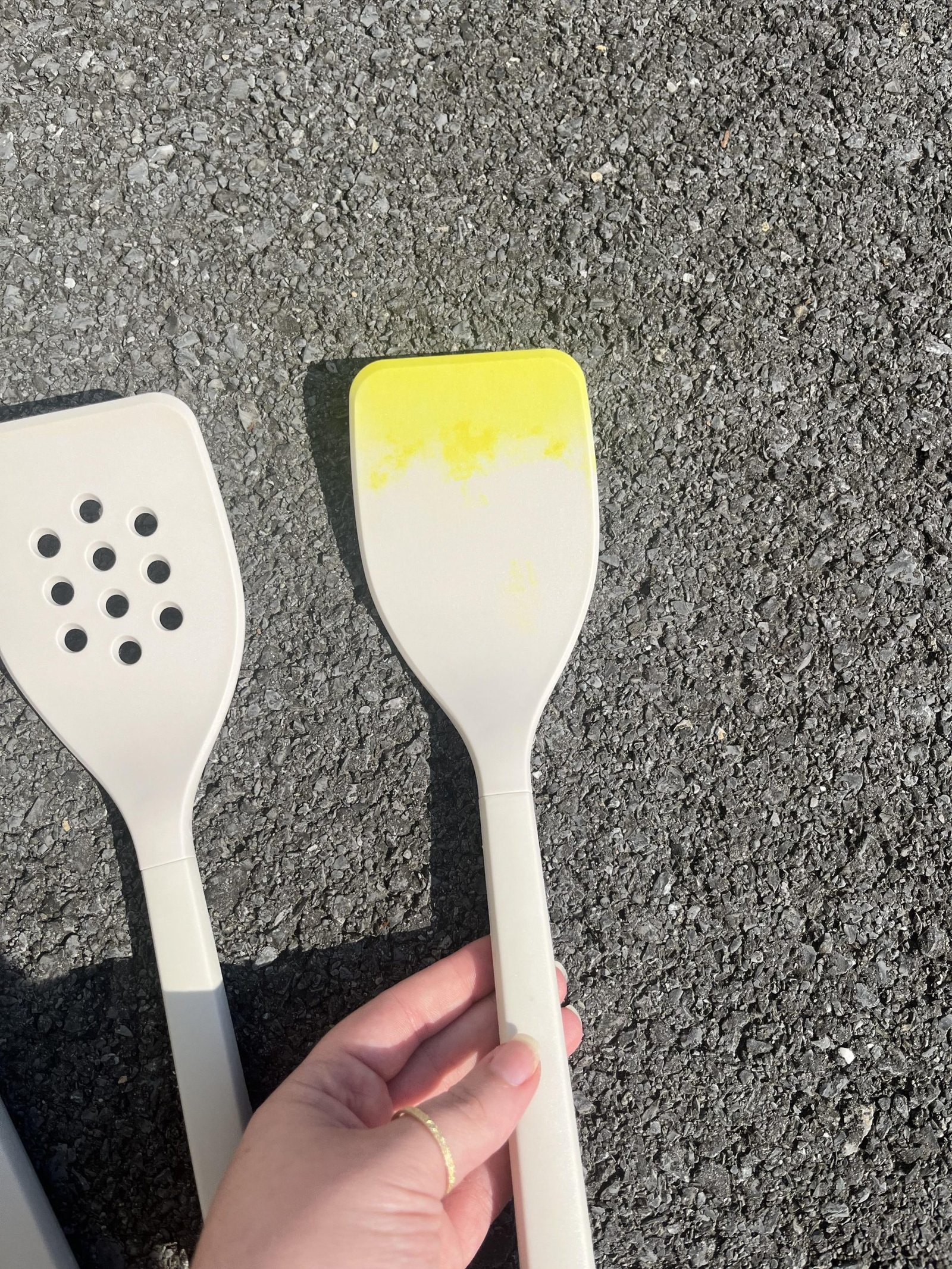
You’ve just finished cooking a delicious meal, but what about the utensils you used? Cleaning them properly is more important than you might think.
If your utensils aren’t disinfected well, harmful germs can linger and cause health problems for you and your family. Imagine cutting your vegetables with a knife that hasn’t been fully sanitized—could that lead to food poisoning? You’ll discover simple, effective tips to make sure your utensils are spotless and safe every time.
Keep reading to protect your health and keep your kitchen clean with ease.
Importance Of Disinfecting Utensils
Disinfecting utensils after cooking keeps your kitchen safe and clean. It stops germs and bacteria from spreading.
Proper cleaning protects your family from foodborne illnesses. It also helps maintain good hygiene in your home.
Preventing Foodborne Illnesses
Utensils can carry harmful bacteria from raw food. Disinfecting removes these germs before they spread.
Cleaning utensils well lowers the risk of sickness. It is important after handling meat, eggs, or seafood.
Avoiding Cross-contamination
Using the same utensil without disinfecting can transfer germs to other foods. This causes cross-contamination.
Disinfecting stops bacteria from moving between foods. It keeps raw and cooked food safe.
Maintaining Kitchen Hygiene
Clean utensils help keep your kitchen neat and healthy. Dirty tools can cause bad smells and stains.
Regular disinfection prevents buildup of germs. It supports a fresh and safe cooking environment.
Protecting Vulnerable Family Members
Children, elderly, and sick people need extra care. Disinfecting utensils helps protect their health.
Clean tools reduce the chance of infections for those with weak immune systems.
Common Household Disinfectants
Disinfecting utensils after cooking helps keep your kitchen safe. You can use items found in most homes to clean well.
Using the right disinfectants kills bacteria and germs on your utensils. This helps prevent foodborne illnesses.
Bleach Solutions
Bleach is a strong disinfectant that kills many germs quickly. It is cheap and easy to use in diluted form.
Mix one tablespoon of bleach with one gallon of water. Soak utensils for at least one minute, then rinse well.
- Use gloves to protect your hands
- Do not mix bleach with other cleaners
- Store bleach out of reach of children
Vinegar And Baking Soda
Vinegar is a natural disinfectant with mild antibacterial power. Baking soda helps remove stains and odors.
Use vinegar to spray utensils or soak them. Baking soda can be added as a paste for scrubbing tough spots.
- Spray vinegar and let sit for 10 minutes
- Mix baking soda with water to form a paste
- Rinse utensils thoroughly after cleaning
Hydrogen Peroxide
Hydrogen peroxide kills bacteria and viruses on contact. It is safe for most utensils and breaks down into water.
Apply 3% hydrogen peroxide directly on utensils. Let it bubble for a few minutes, then rinse with water.
- Use fresh hydrogen peroxide for best results
- Avoid contact with eyes and open wounds
- Store in a cool, dark place
Effective Cleaning Techniques
Cleaning utensils well after cooking is important to keep them safe and ready to use. Good cleaning removes food dirt and kills germs.
Use the right techniques to make sure your utensils are clean and healthy. This guide covers soaking, scrubbing, and dishwasher use.
Soaking Methods
Soaking utensils helps loosen stuck food and grease. Fill a basin with hot water and add dish soap. Let utensils soak for 15 to 30 minutes.
For tough stains, add a small amount of baking soda or vinegar. These natural cleaners help break down grime without harsh chemicals.
- Use hot water to kill bacteria
- Soak for at least 15 minutes
- Add baking soda or vinegar for strong stains
- Rinse well after soaking
Scrubbing Tips
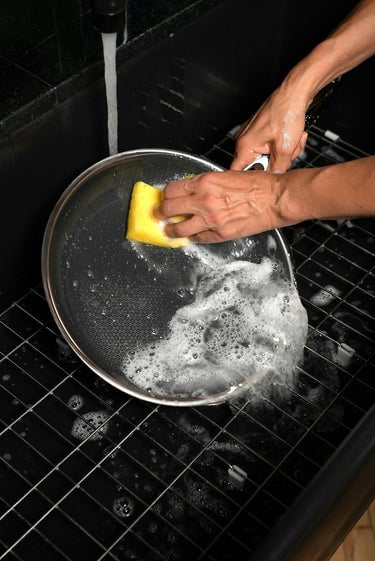
Scrubbing removes food residue and germs from utensils. Use a scrub brush or sponge with soap. Scrub all sides, including handles and crevices.
Apply firm pressure but avoid scratching delicate surfaces. Replace sponges regularly to avoid spreading bacteria. Rinse utensils well after scrubbing.
- Use a clean scrub brush or sponge
- Scrub all surfaces carefully
- Apply enough pressure to remove dirt
- Change sponges often to stay hygienic
Dishwasher Use
Dishwashers clean utensils with hot water and strong detergent. Place utensils properly to allow water flow. Use a high-temperature cycle for best results.
Check the manufacturer’s instructions before washing delicate items. Remove leftover food before loading to keep the dishwasher clean and effective.
- Load utensils to allow water circulation
- Use hot water and strong detergent
- Choose a high-temperature washing cycle
- Pre-rinse to remove large food pieces
Credit: www.carawayhome.com
Natural Alternatives For Disinfection
Cleaning utensils well is important to keep germs away. You can use natural ways to disinfect without harsh chemicals. These methods are safe and easy to do at home.
Natural disinfectants can help remove bacteria and keep your kitchen healthy. Below are some simple options you can try.
Essential Oils
Essential oils like tea tree and eucalyptus have natural antibacterial properties. Adding a few drops to water can help clean utensils effectively.
Mix essential oils with warm water to soak your utensils. This helps kill germs and leaves a fresh scent.
- Use 5-10 drops of essential oil per cup of water
- Soak utensils for 10-15 minutes
- Rinse thoroughly with clean water
Lemon Juice
Lemon juice is a natural acid that kills bacteria and removes stains. It also works as a deodorizer for your utensils.
Rub fresh lemon juice on your utensils or soak them in lemon water. Let it sit for a few minutes, then rinse well.
- Use juice from one lemon per cup of water
- Soak utensils for 5-10 minutes
- Rinse with warm water
- Dry completely before storing
Steam Cleaning
Steam cleaning uses hot steam to kill germs on utensils without chemicals. It is safe and effective for many kitchen tools.
You can use a steam cleaner or boil water and hold utensils above the steam. This method quickly disinfects and dries your items.
- Hold utensils over boiling water steam for 5 minutes
- Use a handheld steam cleaner if available
- Allow utensils to air dry after steaming
Safe Practices For Kitchen Hygiene
Keeping utensils clean after cooking is very important. It helps stop germs from spreading.
Using the right cleaning and storage methods keeps your kitchen safe and healthy.
Regular Maintenance
Wash utensils right after use with hot water and soap. This removes food and germs.
Check utensils often for cracks or damage where germs can hide. Replace if needed.
- Use a scrub brush for hard-to-clean spots
- Dry utensils completely before storing
- Sanitize with a safe disinfectant regularly
Proper Storage
Store utensils in clean, dry places to stop germs from growing. Avoid damp areas.
Keep sharp items separate to avoid injuries and damage to other tools.
- Use utensil holders or drawers with dividers
- Cover utensils if possible to protect from dust
- Keep storage areas clean and dry
Avoiding Cross-contamination
Use different utensils for raw and cooked foods to stop germs from spreading.
Clean and disinfect utensils between uses, especially after raw meat or fish.
- Label utensils for specific tasks
- Wash hands before handling clean utensils
- Do not place clean utensils on dirty surfaces
Common Mistakes To Avoid
Cleaning utensils after cooking is important for health. Many people make errors that reduce cleaning quality.
This guide shows common mistakes to avoid when disinfecting your kitchen tools.
Not Cleaning Before Disinfecting
Leaving food scraps on utensils reduces disinfectant power. Dirt blocks chemicals from reaching germs.
Always wash utensils with soap and water first. Disinfect only after removing visible dirt.
Using The Wrong Disinfectant
Some cleaners do not kill all bacteria or viruses. Using the wrong product wastes time and effort.
Choose disinfectants made for kitchen use. Check if the product states it kills germs on utensils.
Not Following Disinfectant Contact Time
Disinfectants need time to work. Rinsing or wiping too soon makes them less effective.
Read the instructions for how long to leave the disinfectant on your utensils before rinsing or drying.
Using Dirty Cloths Or Sponges
Cleaning utensils with dirty cloths spreads germs instead of removing them. Germs hide in old sponges.
Use clean or disposable cloths when wiping utensils. Replace sponges often to keep them fresh.
Not Drying Utensils Properly
Wet utensils can grow bacteria quickly. Leaving them damp after disinfecting reduces safety.
Dry utensils with a clean towel or air dry on a rack. Make sure they are fully dry before storing.
Ignoring Cross-contamination Risks
Using the same cleaning tools for raw meat and other utensils spreads germs. This risks illness.
Use separate cloths and disinfectants for different types of utensils. Clean cutting boards and knives carefully.
Maintaining A Disinfection Routine
Cleaning utensils after cooking is important to keep your kitchen safe. A good disinfection routine helps stop germs from spreading.
Following a regular routine makes sure your utensils are always clean and ready to use.
Use Hot Water And Soap First
Start by washing utensils with hot water and soap. This removes food and dirt from the surface.
Cleaning well prepares utensils for the next step of disinfection.
Choose The Right Disinfectant
Use safe and effective disinfectants like diluted bleach or vinegar. Follow the instructions on the label carefully.
Using the right disinfectant helps kill bacteria and viruses on your utensils.
Soak Utensils For Enough Time
Let your utensils soak in the disinfectant for the time recommended. This ensures all germs are killed.
Do not rush this step because short soaking may not clean properly.
Rinse And Dry Thoroughly
After disinfecting, rinse utensils with clean water to remove any leftover chemicals.
Dry utensils completely with a clean towel or air dry them to stop bacteria growth.
Keep Your Cleaning Tools Clean
Wash sponges and cloths often to avoid spreading germs back onto utensils.
Replace cleaning tools regularly to keep your disinfection routine effective.
Set A Schedule For Disinfection
Make a daily or weekly plan to disinfect all your cooking utensils. This keeps the routine consistent.
- Disinfect cutting boards after each use
- Clean knives and spoons daily
- Check for wear and replace old utensils
Credit: hexclad.com
Credit: blog.blueapron.com
Frequently Asked Questions
How Do I Properly Disinfect Kitchen Utensils?
To disinfect utensils, wash them with hot, soapy water first. Then soak in a bleach solution for a few minutes. Rinse thoroughly with clean water and air dry for best results.
What Is The Best Disinfectant For Cooking Utensils?
A diluted bleach solution (1 tablespoon bleach per gallon of water) is highly effective. Alternatively, white vinegar or commercial kitchen sanitizers can also disinfect utensils safely.
Can Dishwashers Disinfect Utensils Effectively?
Yes, dishwashers with a high-temperature setting can kill most germs on utensils. Use a heated dry cycle for better sanitization and ensure utensils are dishwasher-safe.
How Long Should Utensils Soak In Disinfectant?
Soak utensils in the disinfectant solution for at least 5 minutes. This duration ensures effective elimination of bacteria and viruses on the surfaces.
Conclusion
Keeping utensils clean after cooking protects your health. Wash them with hot water and soap right away. Use a disinfectant or soak in a bleach solution for safety. Dry utensils completely before storing to stop germs from growing. Clean tools help prevent food poisoning and keep your kitchen safe.
Small steps make a big difference in hygiene. Follow these tips to keep your cooking area healthy and fresh. Clean utensils mean safer meals for you and your family. Simple habits protect everyone at the table.