
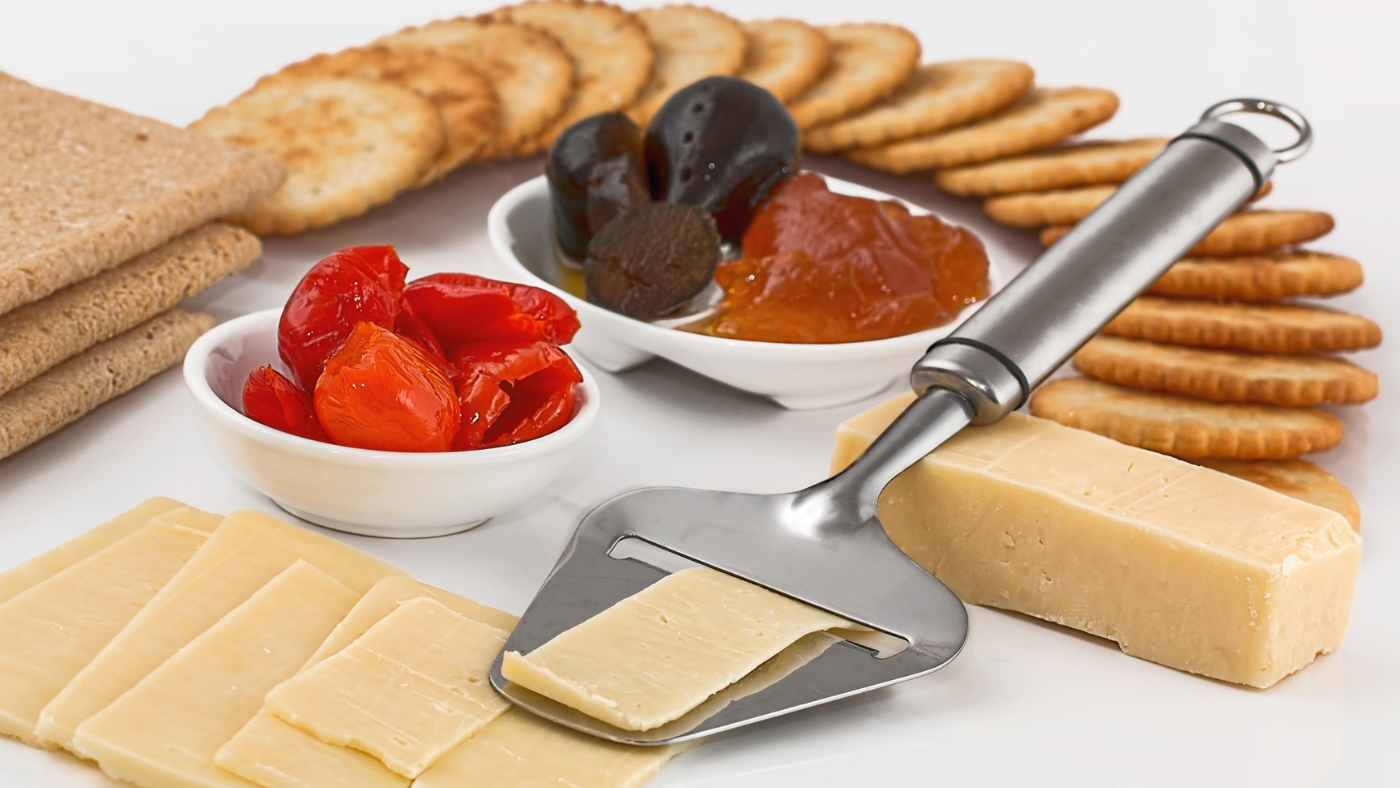
Choosing the right cheese slicer might seem simple, but it can make a big difference in your kitchen. Whether you love soft, creamy cheese or firm, aged blocks, the right slicer helps you get perfect slices every time.
You want a tool that’s easy to use, safe, and fits your needs. You’ll discover exactly what to look for so you can pick the best cheese slicer for your home. Keep reading to make slicing cheese effortless and enjoyable!
Types Of Cheese Slicers
Cheese slicers help cut cheese into neat, even pieces. Different types work best for different cheeses and tasks.
Choosing the right slicer makes serving cheese easier and more enjoyable. Learn about the main types below.
Wire Cheese Slicers
Wire cheese slicers use a thin wire to cut soft and semi-soft cheeses. They give smooth, clean cuts without crumbling the cheese.
These slicers are easy to use and clean. They work well for cheeses like Brie and Camembert.
Plane Cheese Slicers
Plane cheese slicers look like small flat tools with a sharp edge. You drag the slicer across the cheese to make thin slices.
This type works best for firm cheeses like Cheddar and Gouda. It is simple and does not require much force.
Rolling Cheese Slicers
Rolling cheese slicers have a small wheel blade that rolls over the cheese. This design allows you to slice cheese quickly.
They are good for medium to hard cheeses. The rolling action helps make consistent slices with little effort.
Electric Cheese Slicers
Electric cheese slicers use a motor to cut cheese automatically. They can slice large amounts of cheese fast and evenly.
These slicers are best for heavy use in kitchens or parties. They handle all cheese types but need a power source.

Credit: www.boska.com
Materials And Durability
Choosing the right cheese slicer depends on the materials used. The material affects how long the slicer lasts and how well it works.
Some materials are stronger and resist rust. Others feel comfortable in your hand. Knowing these materials helps you pick the best slicer.
Stainless Steel Options
Stainless steel is a popular choice for cheese slicers. It is strong and does not rust easily. This makes it last a long time.
Steel blades cut cheese smoothly. They stay sharp with little effort. Stainless steel also looks clean and modern.
- Durable and rust-resistant
- Sharp and smooth cutting
- Easy to clean
- Modern look
Plastic And Silicone Choices
Plastic and silicone are common in cheese slicer handles and blades. These materials are light and easy to hold.
Silicone adds grip and comfort. Plastic is less strong than metal but can be cheaper. These materials may wear out faster.
- Lightweight and comfortable
- Good grip with silicone
- Less durable than metal
- May need replacement sooner
Wooden Handle Considerations
Wood handles give a natural feel to cheese slicers. They look warm and can be easy to hold.
Wood needs care to avoid cracking or warping. It is not as resistant to water as metal or plastic. Well-made wood handles can last long.
- Natural and warm appearance
- Comfortable grip
- Needs regular care
- Can crack if wet too long
Design And Ergonomics
Choosing the right cheese slicer depends a lot on its design and how easy it is to handle. A well-designed slicer makes cutting cheese smooth and safe.
Good ergonomics reduce hand strain and help you slice cheese evenly. Look for features that fit your hand and cutting style.
Grip Comfort
The grip should feel natural and firm in your hand. A slippery handle can cause accidents or uneven cuts.
Look for handles with soft or textured materials. These offer better control and reduce slipping, even if your hands are wet.
- Soft rubber handles improve grip comfort
- Textured surfaces prevent slipping
- Ergonomic shapes fit hand curves
Weight And Balance
A cheese slicer should feel balanced in your hand. Too heavy or too light tools make slicing harder.
Even weight helps you control the slicer smoothly. It also lowers hand fatigue during use.
- Medium weight for control and ease
- Balanced design prevents tipping
- Heavier slicers may cause fatigue
Ease Of Use
Choose a slicer that is simple to operate. Complex tools slow down the process and cause frustration.
Look for slicers with clear cutting edges and easy-to-move parts. This makes cheese slicing quick and safe.
- Sharp blades for clean cuts
- Simple mechanisms for smooth slicing
- Easy to clean and maintain

Credit: www.boska.com
Blade And Wire Features
Choosing a cheese slicer depends on the blade and wire features. These parts affect how smoothly you cut cheese.
A good slicer has a sharp blade or wire that cuts without crumbling the cheese. The material and design also matter.
Adjustable Thickness Settings
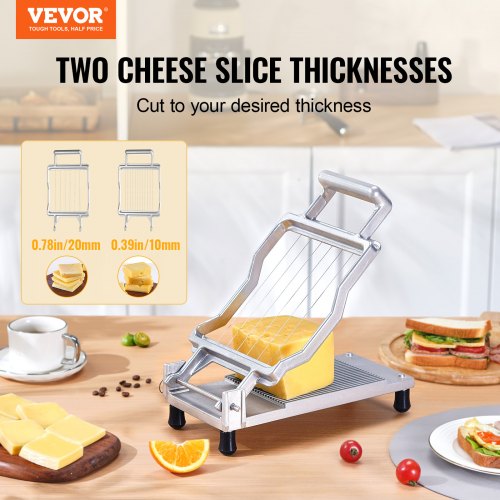
Some cheese slicers let you change the slice thickness. This helps you cut thin or thick pieces as you want.
Look for slicers with easy-to-use thickness controls. This feature adds flexibility to your slicing.
Replaceable Parts
Cheese slicers with replaceable blades or wires last longer. You can swap parts when they get dull or break.
Check if replacement parts are easy to find and fit your slicer model. This saves money over time.
Sharpness And Maintenance
A sharp blade or wire cuts cheese cleanly. Dull tools can crush or tear the cheese.
Keep your slicer clean and dry. Some blades need regular sharpening or wire tightening for best use.
- Use mild soap and water to clean
- Dry thoroughly after washing
- Sharpen blades with proper tools
- Tighten wires if they become loose
Cheese Type Compatibility
Choosing the right cheese slicer depends on the type of cheese you want to cut. Different cheeses need different slicers for the best results.
This guide helps you pick a slicer that matches your cheese type. It covers soft, hard, and versatile cheese slicers.
Soft Cheese Slicing
Soft cheeses are creamy and sticky. They need slicers that cut gently without crushing the cheese.
Wire slicers with thin wires work well for soft cheeses. They make smooth slices without sticking to the cheese.
- Cream cheese
- Brie
- Camembert
- Ricotta
Hard Cheese Options
Hard cheeses are firm and dense. They need slicers with strong blades that can cut through easily.
Metal blade slicers or wire slicers with thick wires work best. They make even slices without breaking the cheese.
- Cheddar
- Parmesan
- Gouda
- Emmental
Versatile Slicers
Some slicers work well with both soft and hard cheeses. These slicers have adjustable blades or wires.
Look for slicers with changeable wires or blades. These let you slice many cheese types with one tool.
- Adjustable wire slicers
- Multi-blade slicers
- Slicers with removable parts
Safety And Maintenance
Choosing a cheese slicer means thinking about safety and how to keep it clean. A well-maintained slicer lasts longer and works better.
Proper care helps avoid accidents and keeps your kitchen tidy. Learn simple tips for safe use and cleaning.
Safe Handling Tips
Always hold the cheese slicer firmly while cutting. Keep your fingers away from the blade to avoid cuts.
Use a flat surface to slice cheese. Do not use the slicer on hard items like frozen cheese or other foods.
- Grip the handle tightly
- Slice on a stable surface
- Avoid cutting frozen or hard items
- Store out of children’s reach
Cleaning And Storage
Clean your cheese slicer right after use. This stops cheese from drying on the blade and handle.
Use warm water and mild soap to wash the slicer. Dry it well before storing to prevent rust or damage.
- Wash after every use
- Use soft sponge or cloth
- Dry completely before storing
- Store in a dry place
Dishwasher Compatibility
Check if your cheese slicer is dishwasher safe. Some slicers can lose sharpness or get damaged in dishwashers.
If it is dishwasher safe, place it on the top rack. Use gentle cycles to protect the blade and handle.
- Read manufacturer instructions
- Use top rack only
- Choose gentle wash cycle
- Hand wash if unsure
Price And Budget Considerations
Choosing a cheese slicer depends a lot on your budget. Different slicers come at different price points. Knowing your budget helps you pick the best tool for your needs.
Price affects the slicer’s materials, design, and durability. Some slicers are simple and cheap. Others have extra features and cost more.
Affordable Choices
Affordable cheese slicers suit casual users or those on a tight budget. They often use basic materials like plastic or simple metal. These slicers work well for soft to medium cheeses.
These slicers are easy to find in stores or online. They may not last as long as pricier models but can still do the job for occasional use.
- Plastic handle with stainless steel wire
- Simple stainless steel blade slicers
- Compact and lightweight designs
Premium Options
Premium cheese slicers offer high-quality materials and better design. They often use stainless steel, wood, or even special alloys. These slicers give clean, smooth cuts on hard cheeses.
They last longer and feel comfortable in the hand. If you slice cheese often, investing in a premium slicer can be worth it. These slicers usually cost more but offer better performance.
- Heavy-duty stainless steel blades
- Ergonomic wooden or metal handles
- Adjustable thickness settings
Value For Money
Getting value means balancing price and quality. A mid-range slicer often gives the best value. It combines decent materials with good performance.
Look for slicers that last longer and cut well without costing too much. Reading reviews and checking features can help you choose the best value option.
- Durable materials like stainless steel
- Comfortable grip for safe slicing
- Good cutting performance for various cheeses
User Reviews And Ratings
Choosing the right cheese slicer can be tough. Reading user reviews helps you know what real buyers think.
Ratings show how well a slicer works for most people. They guide you to pick a good product.
Customer Feedback
Customers often share how easy the slicer is to use. They mention if it cuts cheese smoothly or not.
Many buyers talk about the slicer’s build quality and comfort during use. This feedback shows which models last long.
- Easy to clean slicers get better reviews
- Sharp blades get praise for clean cuts
- Comfortable handles get positive notes
- Some complain about weak wires or blades
Expert Opinions
Experts test cheese slicers for durability and performance. They compare features like blade type and handle design.
They also check if a slicer suits different cheese types. Experts help you understand which slicer fits your needs.
- Stainless steel blades last longer
- Wire slicers work best for soft cheese
- Adjustable thickness is a helpful feature
- Ergonomic handles reduce hand strain
Top-rated Models
Some cheese slicers get high ratings from users and experts. These models combine good design and performance.
Looking at top-rated slicers can save time. You get a product many people trust.
| Model | Type | Rating | Best For |
|---|---|---|---|
| Classic Wire Slicer | Wire | 4.7/5 | Soft and semi-soft cheese |
| Stainless Steel Blade | Blade | 4.5/5 | Hard cheese |
| Adjustable Thickness Slicer | Wire & Blade | 4.6/5 | Varied cheese slices |
| Ergonomic Handle Slicer | Blade | 4.8/5 | Comfort and long use |
Credit: www.vevor.ca
Frequently Asked Questions
What Types Of Cheese Slicers Are Available?
Cheese slicers come in wire, plane, and guillotine types. Wire slicers suit soft cheese. Plane slicers work well for semi-hard cheese. Guillotine slicers handle hard cheese easily.
How To Choose The Right Cheese Slicer Size?
Choose a slicer size based on cheese block size. Larger slicers suit bigger cheese blocks. Smaller slicers offer better control for thin slices.
Which Materials Are Best For Cheese Slicers?
Stainless steel blades provide durability and sharpness. Handles can be plastic, wood, or metal. Choose non-slip handles for safety and comfort.
Can Cheese Slicers Cut All Cheese Varieties?
Most slicers handle soft to semi-hard cheese well. Hard cheeses may require guillotine or plane slicers. Wire slicers may struggle with very hard cheese.
Conclusion
Choosing the right cheese slicer makes cheese cutting easy and fun. Think about the type of cheese you often use. Consider the slicer’s material and blade type for best results. Choose a slicer that feels comfortable in your hand. Keep it clean and store it safely after use.
A good slicer helps you enjoy cheese every day. Simple tools can bring great joy to your kitchen. Happy slicing!