
Leftovers can be a lifesaver when you want a quick meal, but storing them safely is key to keeping you and your family healthy. If you’re not careful, those tasty bites could turn into a source of foodborne illness.
You might think you know how to store leftovers, but a few simple mistakes can make all the difference. Ready to learn easy and effective tips that will keep your food fresh and safe? Keep reading—your next meal depends on it.
Credit: food.ndtv.com
Importance Of Proper Storage
Storing leftovers safely helps prevent foodborne illness. Proper storage keeps food fresh and tasty.
It also reduces food waste by extending the life of your meals. Knowing how to store food right is important.
Cool Leftovers Quickly
Cooling leftovers fast stops bacteria from growing. Place food in shallow containers to cool it faster.
Do not leave food out for more than two hours before refrigerating it.
- Use small containers for quicker cooling
- Divide large portions into smaller parts
- Place containers in the fridge right away
Use Airtight Containers
Airtight containers keep air and moisture out. This prevents bacteria growth and keeps food fresh longer.
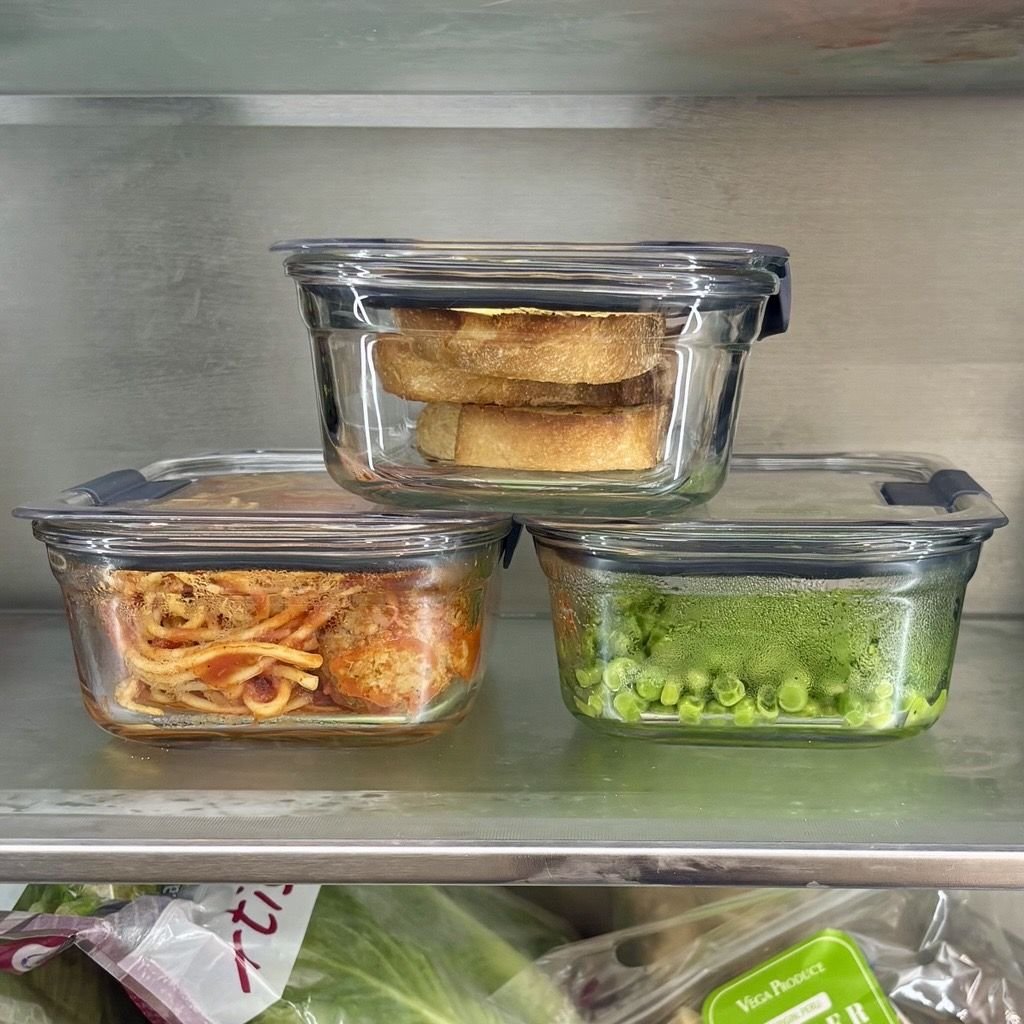
Glass or plastic containers with tight lids work well for leftovers.
- Choose containers that seal tightly
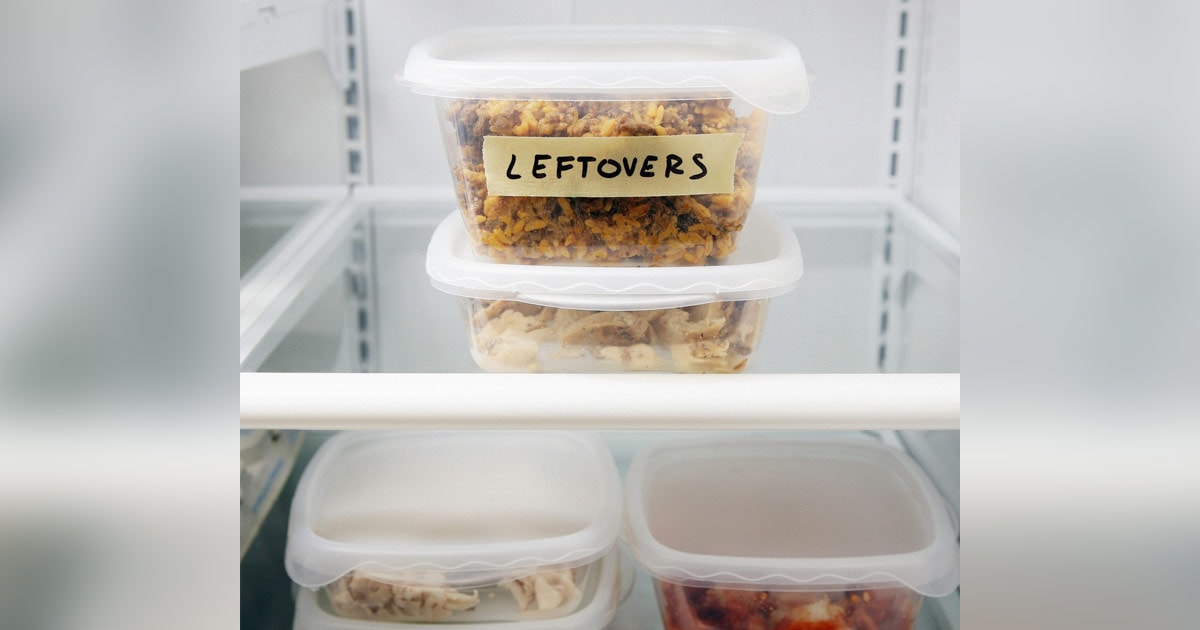
- Label containers with date and contents
- Use reusable containers to reduce waste
Store At The Right Temperature
Keep leftovers in the refrigerator below 40°F (4°C). This slows bacteria growth and keeps food safe.
Freeze food if you do not plan to eat it within a few days.
- Set fridge temperature between 35°F and 40°F
- Freeze leftovers for longer storage
- Check fridge temperature regularly
Label And Date Leftovers
Label containers with the date to track freshness. Eat older leftovers first to avoid waste.
Clear labels help you know what is inside without opening containers.
- Write the date food was stored
- Use a marker or label stickers
- Keep a list of leftovers in the fridge
Reheat Leftovers Safely
Heat leftovers to at least 165°F (74°C) before eating. This kills harmful bacteria.
Use a food thermometer to check the temperature when reheating.
- Stir food while reheating to heat evenly
- Use microwave-safe containers
- Do not reheat leftovers more than once

Credit: www.yahoo.com
Ideal Containers For Leftovers
Storing leftovers safely keeps food fresh and prevents waste. Choosing the right container helps keep food tasty and safe.
Good containers should be easy to clean, seal tightly, and fit your fridge space. This guide explains glass vs. plastic and airtight options.
Glass Vs. Plastic
Glass containers do not stain or absorb smells from food. They are strong and can go in the oven or microwave.
Plastic containers are lighter and usually less expensive. Some plastics can stain or hold odors after use.
- Glass is more durable and long-lasting.
- Plastic is easy to carry and less breakable.
- Glass handles heat better than plastic.
- Plastic containers are often stackable and space-saving.
Airtight Options
Airtight containers prevent air from entering, which slows food spoilage. They keep leftovers fresher for longer.
Look for containers with secure lids that fit tightly. Silicone seals or locking clips help keep the container sealed.
- Check for a good seal before storing food.
- Use containers with locking lids to avoid spills.
- Airtight jars work well for dry leftovers like nuts or bread.
- Stackable airtight containers save fridge space.
Temperature Control
Keeping leftovers at the right temperature stops bacteria from growing. This helps food stay safe to eat longer.
Always cool food quickly and store it properly. Follow safe temperature rules for best results.
Refrigeration Tips
Refrigerate leftovers within two hours after cooking. This slows down bacterial growth and keeps food fresh.
Keep your fridge temperature at or below 40°F (4°C). Use a fridge thermometer to check it often.
- Store leftovers in shallow containers for fast cooling
- Cover food to avoid drying or absorbing odors
- Do not overcrowd the fridge; air must circulate
- Label containers with dates to track freshness
Freezing Guidelines
Freeze leftovers if you want to keep them longer than a few days. This stops bacteria by freezing food quickly.
Set your freezer temperature to 0°F (-18°C) or lower. Check it regularly to keep food safe.
- Cool food before freezing to avoid raising freezer temperature
- Use airtight containers or freezer bags to prevent freezer burn
- Label items with the date before freezing
- Consume frozen leftovers within 2 to 6 months for best quality
Labeling And Dating
Storing leftovers safely starts with clear labeling and dating. This helps you know what is inside and when it was stored.
Proper labels reduce food waste and keep your meals fresh and safe to eat.
Best Practices For Labels
Use waterproof labels or masking tape to write directly on containers. Choose a permanent marker that won’t smudge.
Include the name of the food and the date you stored it. Keep labels simple and clear for quick reading.
- Write the food name, like “Chicken Curry” or “Vegetable Soup”
- Add the storage date, for example “April 20”
- Use clear handwriting or print labels if possible
- Place labels on the container lid or side
Tracking Freshness
Track how long leftovers have been stored to avoid eating spoiled food. Most leftovers last 3 to 4 days in the fridge.
Check labels before eating or reheating. Toss leftovers that are past safe storage time.
- Store leftovers in small portions for faster cooling and reheating
- Use a calendar or app to track leftovers if you store many items
- Note the date on the label and check it daily
- Throw away leftovers after 4 days in the fridge to stay safe
Reheating Safely
Reheating leftovers is a common way to enjoy food again. It is important to do it safely to avoid food sickness.
Using the right reheating method helps keep food tasty and safe to eat. Below are tips on reheating with a microwave or oven and avoiding bacteria.
Microwave Vs. Oven
Microwaves heat food quickly by using waves that excite water molecules. Ovens use hot air to warm food more evenly but take longer.
Microwaves are good for small portions and fast reheating. Ovens work better for large or thick dishes that need even heating.
- Microwave heats food unevenly, so stir food halfway through.
- Oven keeps food crispy and is better for baked items.
- Microwave is faster, but check temperature to be sure it is hot.
- Oven takes time but heats food thoroughly and evenly.
Avoiding Bacterial Growth
Bacteria grow quickly in leftover food if not stored or reheated properly. Always heat food to at least 165°F (74°C) to kill bacteria.
Cool leftovers quickly and store them in the fridge within two hours. Do not leave food out at room temperature for too long.
- Reheat leftovers only once to reduce bacteria risk.
- Cover food while reheating to keep moisture and heat.
- Use a food thermometer to check if food is hot enough.
- Discard leftovers kept too long or showing signs of spoilage.
Preventing Cross-contamination
Cross-contamination happens when harmful bacteria spread from one food to another. This can cause food poisoning and illness.
Safe storage of leftovers stops bacteria from moving between foods. Use good habits to keep your food safe to eat.
Separation Techniques
Keep raw foods separate from cooked leftovers. Use different containers to avoid touching each other.
Store leftovers on higher shelves in the fridge. This stops juices from raw food dripping onto cooked food below.
- Use sealed containers for all leftovers
- Label containers with food names and dates
- Keep raw meat in a separate bin or drawer
- Do not stack raw and cooked foods together
Cleaning Tips
Wash hands before and after handling leftovers. Clean all surfaces and utensils that touch food.
Use hot, soapy water to clean containers and cutting boards. Change sponges often to stop germs from spreading.
- Sanitize kitchen counters after food prep
- Wash knives and utensils after each use
- Use separate cutting boards for raw and cooked foods
- Dry containers and lids before storage
Recognizing Spoilage
Storing leftovers safely helps prevent foodborne illness. Knowing how to spot spoiled food keeps you healthy.
Some foods look fine but may be unsafe. Learn the signs of spoilage to avoid eating bad food.
Signs Of Spoiled Food
Spoiled food may change color or develop spots. Mold or unusual stains are common signs.
Look for bubbles or slimy layers on the surface. These often mean bacteria growth.
- Unusual colors like green, gray, or black spots
- Mold growth on fruits, bread, or leftovers
- Bubbles or froth on liquids or sauces
- Sticky or slimy coating on meats and vegetables
Smell And Texture Indicators
Smell spoiled food carefully. A sour or rotten odor is a strong warning.
Texture changes like sliminess or mushiness show food is unsafe. Fresh food feels firm or crisp.
- Bad or sour smell, different from normal aroma
- Sticky or slimy feel on meats or cooked food
- Mushy texture in fruits and vegetables
- Dry or hard edges on leftovers indicate staleness

Credit: www.foodunfolded.com
Sustainable Practices
Storing leftovers safely helps reduce waste and protect the environment. Using sustainable methods saves resources and keeps food fresh.
Simple changes in storage habits can make a big difference. These tips focus on eco-friendly ways to keep your leftovers safe.
Eco-friendly Storage Solutions
Choose reusable containers made from glass or stainless steel. These materials last longer and do not harm the environment.
Avoid single-use plastics like cling wrap or disposable bags. Instead, use beeswax wraps or silicone lids that you can wash and reuse.
- Use glass jars with tight lids for soups and sauces
- Store fruits and vegetables in breathable cloth bags
- Keep leftovers in stainless steel containers for easy cleaning
- Cover bowls with beeswax wraps instead of plastic wrap
Reducing Food Waste
Plan portions carefully to avoid cooking too much food. Smaller amounts mean fewer leftovers to store or throw away.
Label your containers with dates. Eat older leftovers first to prevent spoilage and waste.
- Freeze leftovers if you cannot eat them soon
- Use clear containers to see the food inside
- Store leftovers in small portions for quick meals
- Check your fridge regularly and remove spoiled food
Frequently Asked Questions
How Long Can Leftovers Be Safely Stored?
Leftovers can be safely stored in the refrigerator for 3 to 4 days. Freezing extends storage up to 2 to 6 months. Always label containers with dates to track freshness and reduce food waste.
What Is The Best Container For Storing Leftovers?
Use airtight, food-grade containers made of glass or BPA-free plastic. These containers prevent air exposure and moisture loss, preserving food quality and safety. Avoid using flimsy plastic bags for long-term storage.
Should Leftovers Be Cooled Before Refrigeration?
Yes, let leftovers cool slightly before refrigerating. Hot food can raise the fridge temperature, risking bacterial growth. However, avoid leaving food out over 2 hours to prevent contamination.
Can I Reheat Leftovers More Than Once?
It’s best to reheat leftovers only once. Repeated heating increases bacterial growth risk and reduces food quality. Reheat thoroughly to an internal temperature of 165°F (74°C) for safety.
Conclusion
Safe storage keeps your leftovers fresh and tasty longer. Cool food quickly to stop germs from growing. Use clean containers with tight lids for best results. Label your leftovers with dates to avoid confusion. Store food at the right temperature to stay safe.
Eat leftovers within a few days to enjoy them well. Proper storage saves money and reduces food waste. Simple steps make your meals safer and healthier every time. Remember, careful storage protects your health and your food. Stay safe and enjoy your delicious leftovers!