
Choosing the right chef knife can change the way you cook forever. Imagine slicing through vegetables with ease or carving meat like a pro.
But with so many options out there, how do you find the perfect one for your kitchen? This guide will help you understand what really matters when picking a chef knife. By the end, you’ll feel confident to make a choice that fits your style and needs.
Ready to discover the secret to better cooking? Let’s dive in.

Credit: www.coolinastore.com
Types Of Chef Knives
Chef knives come in many types. Each type serves different cooking needs.
Choosing the right knife helps you cook safely and easily. Learn about blade styles and designs.
Western Vs. Japanese Blades
Western chef knives usually have thicker blades. They offer durability and weight for tough tasks.
Japanese knives tend to have thinner, sharper blades. They allow precise and delicate cuts.
- Western blades: heavier, curved edge, good for rocking cuts
- Japanese blades: lighter, straighter edge, good for slicing
- Western steel: softer, easier to sharpen
- Japanese steel: harder, holds sharpness longer
Traditional Vs. Modern Designs
Traditional chef knives show classic shapes and styles. They often use natural materials for handles.
Modern knives use new materials and designs. They focus on comfort and balance for long use.
- Traditional: wooden handles, simple shapes, hand-forged blades
- Modern: synthetic handles, ergonomic shapes, machine-made blades
- Traditional knives may need more care
- Modern knives offer easy maintenance
Blade Material
Choosing the right blade material is important for a chef knife. It affects sharpness, durability, and care.
Different materials suit different kitchen tasks and preferences. Let’s look at popular blade materials.
Stainless Steel
Stainless steel blades resist rust and stains well. They need less maintenance than other blades.
They keep a sharp edge for a good time. These knives are good for everyday use.
- Resists corrosion
- Easy to clean
- Holds edge moderately well
- Good for most kitchen tasks
High Carbon Steel
High carbon steel blades are very sharp. They hold their edge longer than stainless steel.
These knives need more care to stop rust and stains. They are favored by many professional chefs.
- Very sharp and durable
- Requires regular oiling
- Can develop a patina over time
- Great for precise cutting
Ceramic Options
Ceramic blades are very hard and stay sharp for a long time. They do not rust or stain.
They can break or chip if dropped. These knives are best for slicing fruits and vegetables.
- Extremely sharp edges
- Lightweight and rust-proof
- Brittle and can chip easily
- Not ideal for hard foods
Knife Size And Weight
Choosing the right size and weight for a chef knife is important. It affects how comfortable and effective the knife feels in your hand.
A knife that is too big or heavy can tire your hand quickly. A knife that is too small or light may not cut well.
Ideal Blade Length
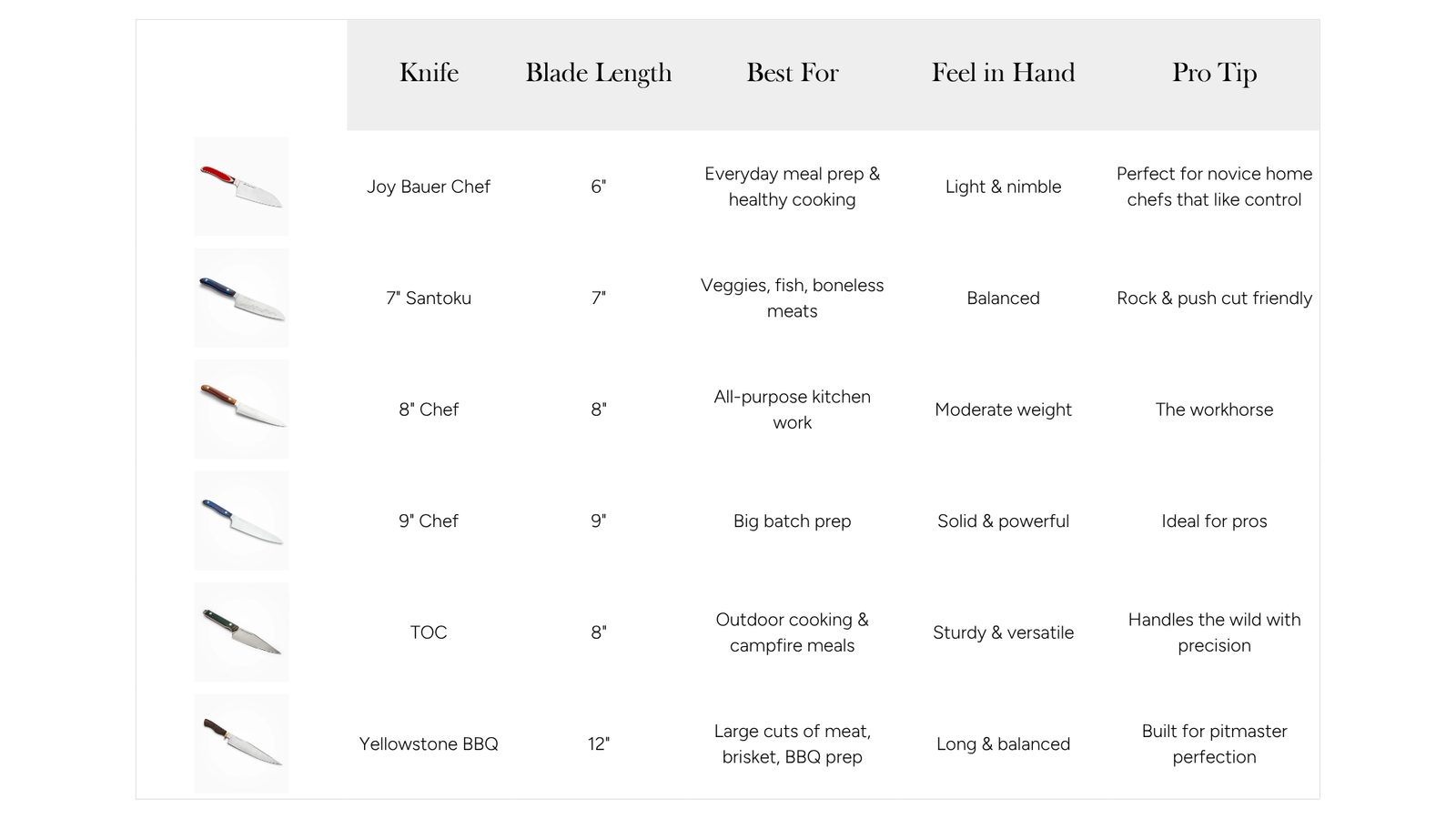
The blade length is key to how you use your knife. Most chef knives have blades between 6 and 12 inches long.
A blade around 8 inches is good for most kitchen tasks. It is long enough to cut large foods but still easy to control.
- 6-inch blades work well for small hands and precise cutting
- 8-inch blades are versatile and common in many kitchens
- 10- to 12-inch blades suit big hands and larger foods
Balancing Weight And Control
The weight of a chef knife affects how easy it is to handle. A well-balanced knife feels steady and comfortable.
Balance means the weight is spread evenly between the blade and handle. This helps you cut with less effort.
- Heavier knives can cut through tough foods but may tire your hand
- Lighter knives offer more speed and less fatigue
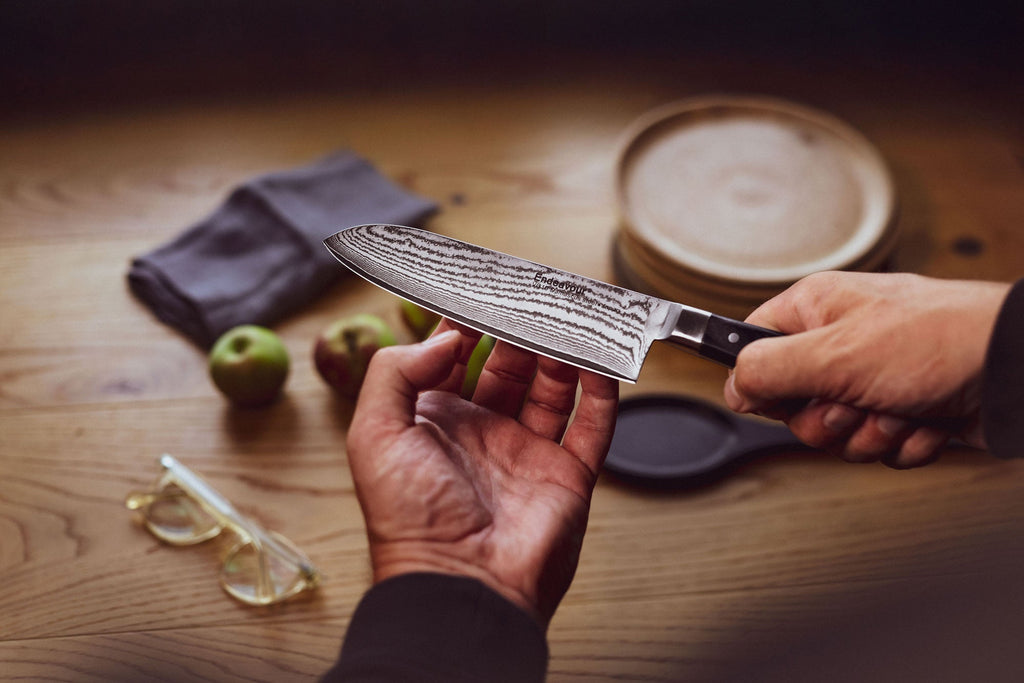
- Test the knife to see if it feels balanced in your hand
Credit: endeavour.dk
Handle Design
The handle of a chef knife affects how you hold and use it. A good handle helps you cut safely and comfortably.
Choosing the right handle design makes cooking easier and prevents hand fatigue during use.
Comfort And Grip
A comfortable handle fits well in your hand. It should feel natural and not cause strain.
A good grip stops the knife from slipping, even when your hands are wet or oily.
- Look for handles with smooth curves that match your hand shape
- Choose a handle size that feels balanced and secure
- Textured handles can improve grip on slippery hands
- Try holding different knives to find the best fit
Material Choices
Knife handles come in many materials. Each type has its own feel and durability.
Pick a material that matches your cooking style and care preferences.
- Wood:Warm and natural, but needs regular care to avoid damage
- Plastic:Lightweight and easy to clean, but may wear out faster
- Composite:Made from resin and fibers, durable and moisture resistant
- Metal:Strong and sleek, can be slippery and cold to hold
- Rubber:Soft and grippy, comfortable for long use
Edge Type And Sharpness
Choosing the right chef knife means looking at its edge type and sharpness. These features affect how the knife cuts and how long it stays sharp.
Sharpness helps you cut food easily and safely. The edge type changes how the blade works with different foods.
Straight Vs. Serrated Edges
Straight edges have smooth blades. They cut cleanly through vegetables, meat, and fish. They work well for chopping and slicing.
Serrated edges have small teeth on the blade. They grip and cut foods with tough skins or crusts. Good for bread and tomatoes.
- Straight edge: best for precise cuts
- Serrated edge: good for slicing soft or crusty foods
- Straight edges need regular sharpening
- Serrated edges stay sharp longer but are harder to sharpen
Maintaining Sharpness
Sharp knives are safer and easier to use. Keep your knife sharp by regular care. Use a sharpening stone or honing rod for straight edges.
Serrated knives need less sharpening but require special tools. Avoid using them on hard surfaces to keep edges sharp longer.
- Use a honing rod often for straight edges
- Sharpen straight edges with a stone as needed
- Sharpen serrated edges with a special sharpener
- Store knives properly to protect the edge
- Cut on soft boards like wood or plastic
Price Considerations
Choosing a chef knife means thinking about how much to spend. Price can affect the knife’s quality and durability.
Understanding price options helps you find a knife that fits your needs and budget.
Budget Vs. Premium Options
Budget knives usually cost less but can still work well for basic kitchen tasks. They may need more frequent sharpening or replacement.
Premium knives cost more. They use better materials and often last longer. These knives stay sharp and feel balanced in your hand.
- Budget knives are good for beginners and light use
- Premium knives suit experienced cooks and heavy use
- Higher price often means better steel and craftsmanship
- Look for trusted brands even in budget options
Long-term Investment
Spending more on a good chef knife can save money over time. A sharp, strong knife lasts years with care.
Think of your knife as a tool you use daily. A quality knife makes cooking easier and safer.
- High-quality knives need less sharpening
- Good knives reduce hand fatigue
- Investing in a sharp knife improves cooking speed
- Proper care keeps your knife like new for years
Testing The Knife
Choosing a chef knife means testing how it feels and works. Testing helps find a knife that suits your cooking style.
Try holding and cutting with the knife before buying. This shows its balance, sharpness, and control.
Handling The Knife
Hold the knife by the handle to check comfort. The grip should feel secure without slipping.
Move the knife like you would while cooking. See if it feels natural and balanced in your hand.
- Check if the handle fits your hand size
- Feel the weight and balance between blade and handle
- Make sure the knife does not cause strain or discomfort
Test Cuts For Precision
Make test cuts on vegetables or fruits. Sharp knives make clean, easy cuts without much force.
Try slicing, dicing, and chopping to check precision. A good knife should cut smoothly and predictably.
- Slice a tomato to see if the skin breaks cleanly
- Chop an onion to check the knife’s control
- Dice a carrot to test fine precision cuts
Credit: www.insight-kitchenknife.com
Care And Maintenance
Choosing a good chef knife is only part of the task. Taking care of it is very important to keep it sharp and safe. Proper care helps your knife last longer and work better.
Learn easy ways to clean, sharpen, and store your chef knife. These tips keep your knife in top shape every day.
Proper Cleaning Techniques
Clean your chef knife right after use. This stops food from drying on the blade and causing damage.
Use warm water and mild soap. Avoid harsh detergents or scrubbing pads that can scratch the blade.
- Wash by hand, not in a dishwasher
- Dry immediately with a soft cloth
- Do not soak the knife in water
Sharpening And Storage
Keep your knife sharp to make cutting easier and safer. Use a sharpening stone or a honing rod often.
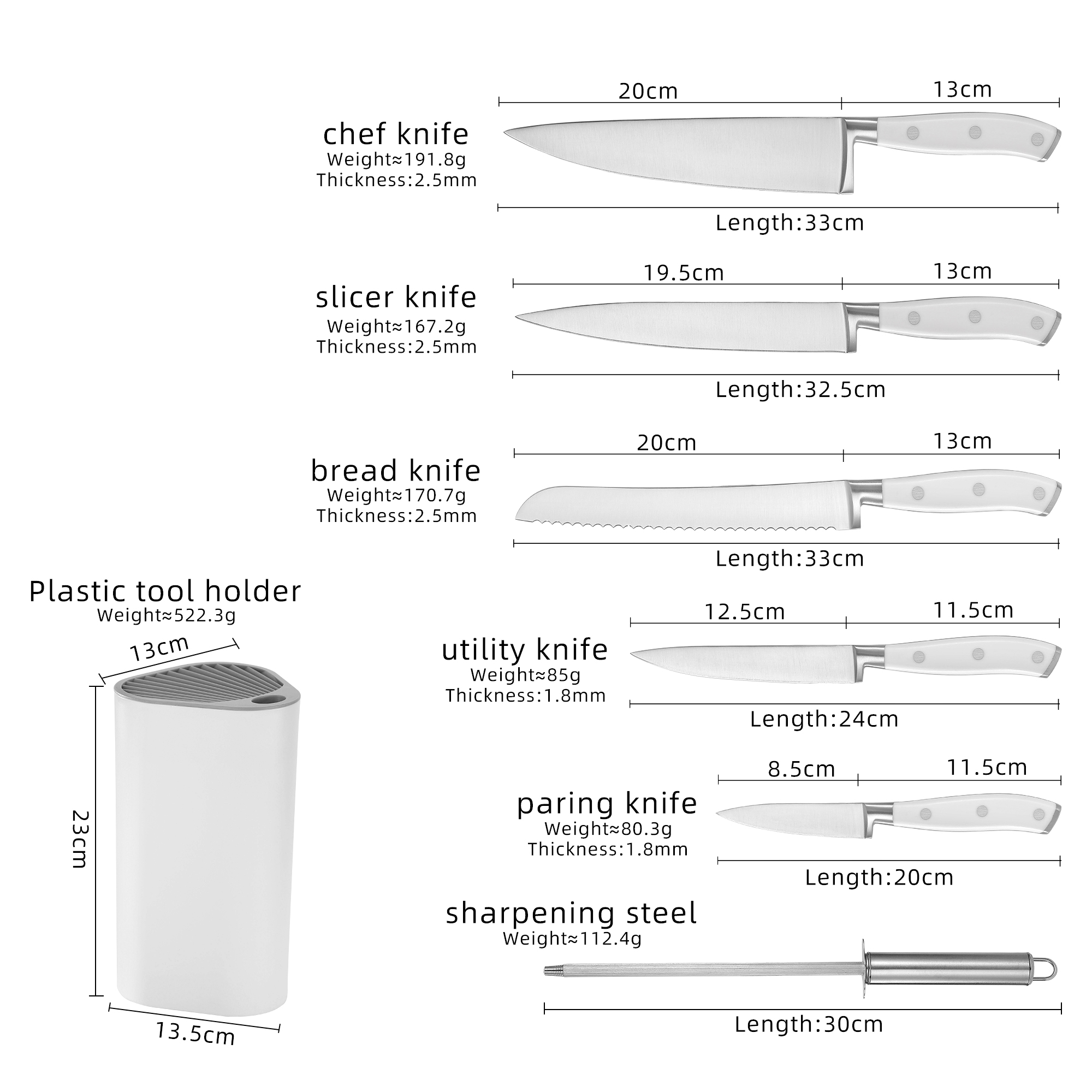
Store your knife where the blade won’t get dull or damaged. A knife block or magnetic strip works well.
- Sharpen regularly, at least once a month
- Use proper tools for sharpening
- Store knives away from other utensils
- Keep knives dry before storing
Frequently Asked Questions
What Blade Material Is Best For A Chef Knife?
High-carbon stainless steel is ideal for chef knives. It offers durability, sharpness, and resistance to rust and stains. This material balances strength and ease of maintenance, ensuring long-lasting performance in the kitchen.
How To Choose The Right Chef Knife Size?
Most chefs prefer an 8-inch blade for versatility. Smaller blades (6 inches) suit precision tasks, while larger ones (10 inches) handle bigger cuts. Choose based on your hand size and typical cooking needs.
Should I Pick A Full Tang Or Partial Tang Knife?
Full tang knives offer better balance and durability. The blade extends through the handle, providing strength and control. Partial tang knives are less sturdy and not recommended for heavy kitchen tasks.
What Handle Material Is Best For Comfort And Grip?
Wood and synthetic handles are popular. Wood offers a traditional feel and good grip but requires maintenance. Synthetic handles, like plastic or rubber, are durable, water-resistant, and provide excellent grip even when wet.
Conclusion
Choosing the right chef knife makes cooking easier and safer. Think about the blade size, weight, and handle comfort. A good knife fits your hand well and feels balanced. Sharpness matters for smooth, precise cuts. Take your time to try different options.
Your kitchen will benefit from a reliable, comfortable tool. Enjoy cooking more with the right chef knife by your side. Simple steps lead to better meals and less effort. Keep these tips in mind when picking your next knife.