
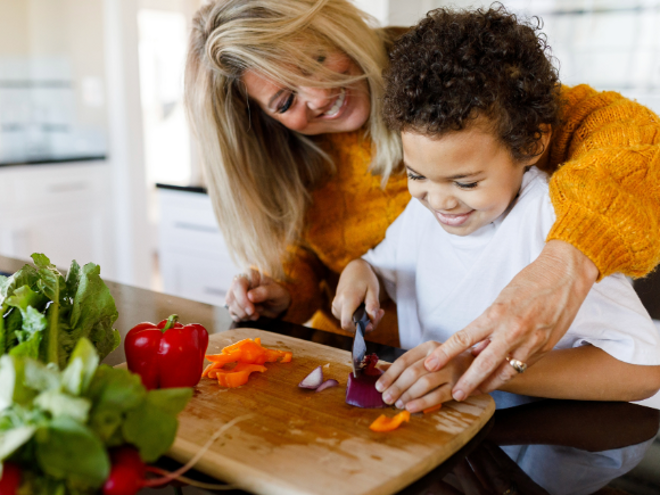
Keeping your kitchen clean and safe is more important than you might think, especially when you’re cooking for your family. Imagine preparing a delicious meal, only to worry about germs or foodborne illnesses lurking nearby.
You don’t want that stress, right? By mastering simple hygiene habits, you can protect your loved ones and enjoy cooking with confidence. You’ll discover easy, practical steps to maintain a spotless kitchen every time you cook. Ready to make your kitchen a safe haven?
Let’s get started.
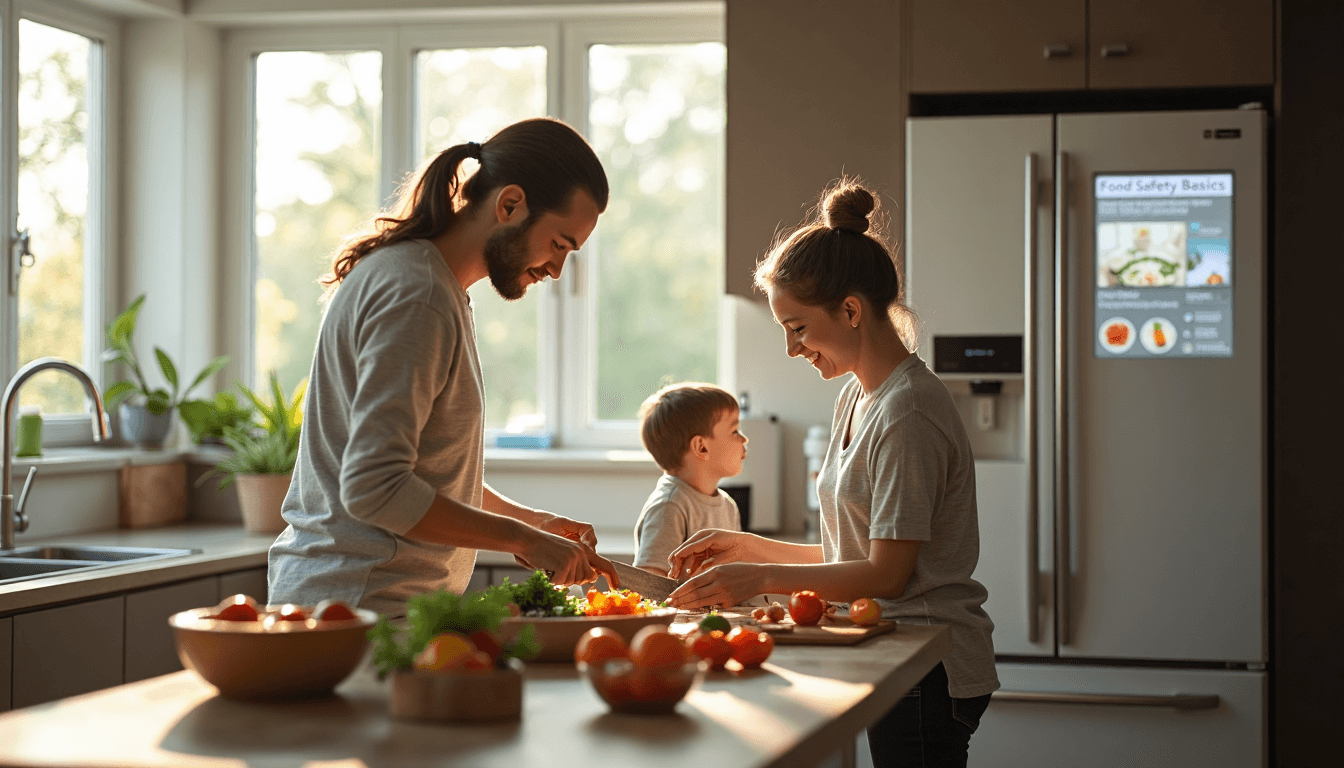
Credit: probeit.ca
Organizing The Kitchen Space
Keeping your kitchen clean helps stop germs from spreading. A neat kitchen also makes cooking easier and safer for your family.
Organizing your kitchen means putting things in the right place. This helps you find what you need fast and keeps your space clean.
Declutter Countertops
Clear countertops give you more space to cook and clean. Avoid leaving many items on the counters to stop dirt buildup.
Keep only daily-use items like a coffee maker or a fruit bowl on the counters. Store other items away to reduce clutter.
- Put away appliances not used daily
- Use trays to group small items
- Clean counters after every use
- Limit decorations on the counters
Utilize Storage Solutions
Good storage helps keep your kitchen tidy and safe. Use shelves, cabinets, and containers to organize your items.
Label containers and shelves to find things quickly. Store raw foods separately from cooked foods to avoid cross-contamination.
- Use clear containers for easy viewing
- Install hooks for hanging utensils
- Use drawer dividers for small tools
- Keep cleaning supplies in one spot

Credit: www.freepik.com
Proper Food Storage
Keeping your kitchen clean starts with storing food the right way. Proper storage stops germs from spreading.
Good food storage keeps your family safe and food fresh longer.
Refrigeration Guidelines
Use the fridge to keep perishable foods cold. Set the temperature below 40°F (4°C) to slow bacteria growth.
Store raw meat on the bottom shelf. This stops drips from contaminating other foods.
- Keep dairy products in the main fridge area, not the door.
- Use airtight containers to avoid moisture loss and odors.
- Label leftovers with the date you stored them.
- Clean the fridge regularly to remove spills and old food.
Pantry Storage Tips
Store dry goods like rice and flour in a cool, dry place. Keep them in sealed containers to block pests.
Check expiration dates and use older items first. Avoid clutter to keep air flowing and food fresh.
- Keep pantry shelves clean and wipe spills quickly.
- Store canned goods away from heat and sunlight.
- Use clear containers to see contents easily.
- Group similar items together to find them fast.
Effective Cleaning Practices
Keeping your kitchen clean helps prevent germs and keeps food safe. Clean kitchens also make cooking easier and more enjoyable.
Good cleaning habits stop dirt from building up. This guide focuses on cleaning as you cook and deep cleaning your kitchen regularly.
Cleaning As You Go
Cleaning while you cook saves time and keeps your kitchen neat. Wash utensils and cutting boards right after use to avoid cross-contamination.
Wipe spills immediately to prevent stains and sticky surfaces. Keep a clean cloth or paper towels handy for quick cleaning.
- Wash dishes or place them in the dishwasher after use
- Clean countertops and cutting boards after handling raw food
- Dispose of trash and food scraps during cooking
- Wipe spills and splashes immediately
Deep Cleaning Schedule
Deep cleaning keeps your kitchen fresh and safe. Set a regular schedule to clean areas that get less attention daily.
Focus on appliances, cabinets, and floors. Cleaning these parts prevents grease and dust buildup that can cause health risks.
- Clean refrigerator shelves and drawers every two weeks
- Wipe inside and outside of microwave and oven weekly
- Scrub sinks and faucet areas daily
- Mop floors and clean baseboards weekly
- Organize and wipe cabinet doors monthly
Safe Food Handling
Keeping the kitchen clean is very important when cooking for your family. Safe food handling helps prevent sickness from germs.
Following simple rules can keep your food fresh and safe to eat. It protects everyone from food-related illnesses.
Avoiding Cross-contamination
Cross-contamination happens when germs spread from one food to another. It can cause food poisoning.
Keep raw meat, poultry, and seafood separate from other foods. Use different cutting boards and knives for each type.
- Wash hands and surfaces after touching raw food
- Store raw meat on the bottom shelf of the fridge
- Use clean utensils for cooked and ready-to-eat foods
- Clean cutting boards with hot soapy water after use
Proper Hand Washing Techniques
Washing hands correctly stops germs from spreading. This is one of the best ways to keep food safe.
Wash your hands before and after handling food, and after using the bathroom or touching pets.
- Wet hands with clean water
- Use soap and rub hands for at least 20 seconds
- Clean under nails, between fingers, and backs of hands
- Rinse well with water
- Dry hands with a clean towel or air dry
Maintaining Appliance Hygiene
Keeping kitchen appliances clean helps prevent germs and food contamination. Clean appliances make cooking safer for your family.
Regular cleaning and maintenance extend the life of your appliances. It also keeps them working well every day.
Cleaning Kitchen Appliances
Wipe appliances after each use to remove food and spills. Use mild soap and warm water for cleaning.
For tough stains, use a soft brush or cloth. Avoid harsh chemicals that can damage surfaces or parts.
- Clean the exterior and handles daily
- Remove and wash detachable parts weekly
- Sanitize appliance surfaces regularly
- Dry appliances well before storing or using
Regular Maintenance Checks
Check appliances for signs of wear or damage often. Fix small problems quickly to avoid bigger issues.
Test appliance functions to ensure they work safely. Replace filters and parts according to the manual.
- Inspect cords and plugs for damage
- Clean filters and vents regularly
- Check seals and hinges on doors
- Schedule professional service yearly
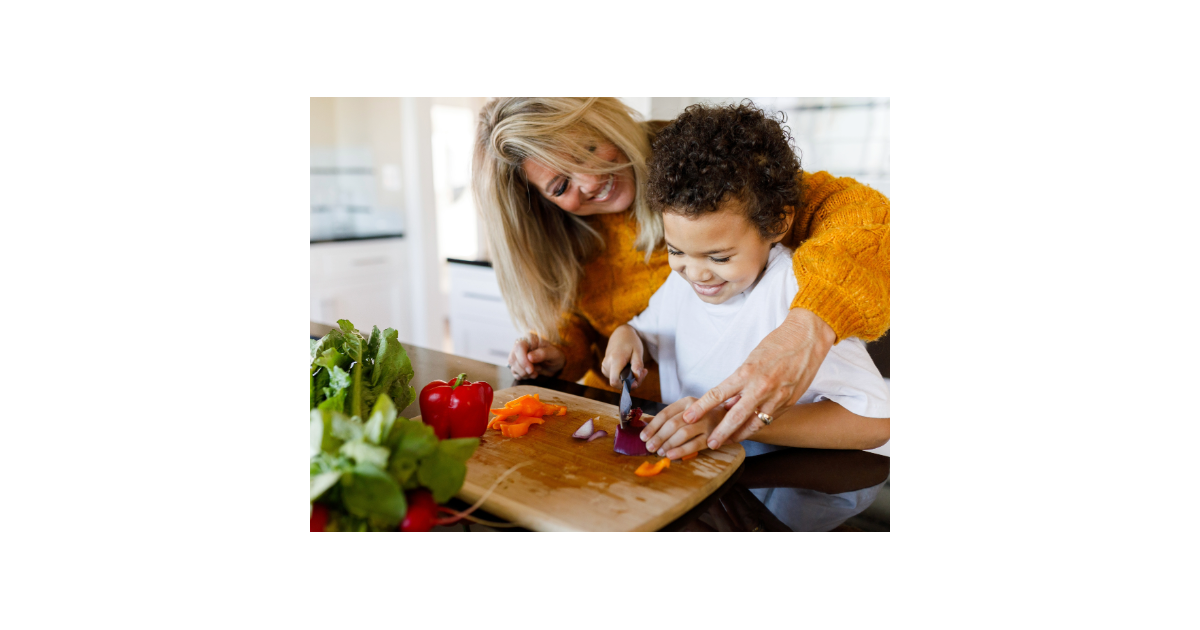
Credit: www.nestlefamilynes.com.au
Waste Management
Keeping the kitchen clean is important when cooking for family. Managing waste properly helps keep germs away.
Good waste management also reduces smells and keeps your kitchen fresh and safe.
Proper Trash Disposal
Throw kitchen waste into a strong trash bag to avoid leaks. Use bins with lids to stop bugs and odors.
Empty your trash bin often. Do not let garbage pile up, as it can attract pests and spread bacteria.
- Use a separate bin for food scraps
- Seal trash bags tightly before disposal
- Clean trash bins regularly with soap and water
- Keep bins away from cooking and eating areas
Recycling Practices
Separate recyclable items like plastic, glass, and paper from regular trash. This helps reduce waste in landfills.
Rinse containers before recycling to avoid bad smells and pests. Label bins clearly to sort recyclables easily.
- Keep a bin for plastics and cans
- Use another bin for glass and paper
- Check local recycling rules to sort waste correctly
- Teach family members how to recycle properly
Personal Hygiene In The Kitchen
Keeping personal hygiene is very important when cooking for your family. Clean hands and clothes help stop germs from spreading.
Good hygiene protects your family’s health and makes meals safer to eat.
Appropriate Cooking Attire
Wear clean clothes when you cook. Avoid loose sleeves that can touch food or fire.
Use an apron to keep your clothes clean. Tie back long hair to stop it from falling into food.
- Wear a clean apron every time you cook
- Tie hair back or use a hairnet
- Avoid jewelry that can fall into food
- Wear closed shoes to protect your feet
Health Considerations For Cooks
Do not cook if you feel sick. Germs can spread easily through food.
Wash your hands often, especially after using the bathroom or touching your face.
- Stay home if you have a fever, cough, or stomach problems
- Wash hands with soap for at least 20 seconds
- Keep nails short and clean
- Cover any cuts or wounds with a waterproof bandage
Frequently Asked Questions
How Often Should I Clean Kitchen Surfaces During Cooking?
Clean kitchen surfaces before and after cooking to avoid germs. Wipe counters with disinfectant regularly. This prevents cross-contamination and keeps your family safe.
What Are The Best Practices For Hand Hygiene In The Kitchen?
Wash hands thoroughly with soap and warm water for 20 seconds. Do this before cooking, after handling raw food, and after touching trash.
How To Prevent Cross-contamination When Preparing Meals?
Use separate cutting boards for raw meat and vegetables. Clean utensils and surfaces immediately after use. This reduces the risk of foodborne illnesses.
What Is The Proper Way To Store Leftover Food Safely?
Store leftovers in airtight containers within two hours after cooking. Refrigerate promptly to slow bacterial growth. Consume leftovers within 3-4 days for safety.
Conclusion
Keeping your kitchen clean helps protect your family’s health. Wash hands and surfaces often. Use separate cutting boards for meat and vegetables. Store food properly to avoid spoilage. Clean spills quickly to stop germs. Regularly take out trash and clean appliances.
Small habits make a big difference daily. A tidy kitchen means safer, happier meals. Follow these tips to enjoy cooking without worry. Simple steps keep your kitchen fresh and healthy.