
Choosing the right ladle might seem simple, but it can make a big difference in your kitchen. Whether you’re serving soup, stew, or sauces, the ladle you pick affects how easily and neatly you pour.
If you’ve ever struggled with spills or awkward handles, you know why this matters. You’ll discover easy tips to help you find a ladle that fits your needs perfectly. Keep reading, and you’ll never have to worry about messy serving again.
Consider Material Options
Choosing the right ladle depends a lot on the material it is made from. Different materials have unique features that suit various kitchen needs.
Knowing the benefits and limits of each material helps you pick a ladle that lasts and works well.
Stainless Steel
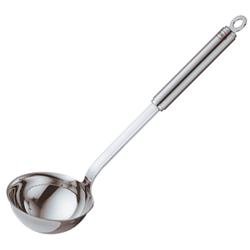
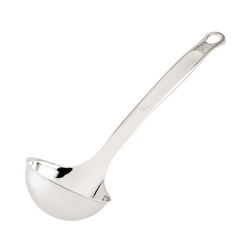
Stainless steel ladles are strong and resist rust. They work well for hot and heavy soups.
These ladles are easy to clean and look shiny in the kitchen. They do not absorb smells or stains.
Silicone
Silicone ladles are soft and flexible. They do not scratch pots or pans.
They handle heat well and are safe to use with non-stick cookware. Silicone ladles come in many colors.
Plastic
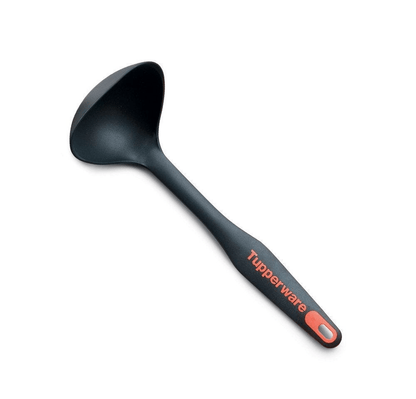
Plastic ladles are lightweight and often less expensive. They are good for light cooking tasks.
Some plastic ladles can melt if used with very hot food. Look for heat-resistant plastic for safety.
Wood
Wooden ladles have a natural look and feel warm in the hand. They do not scratch cookware.
Wood can absorb liquids and odors. Cleaning them well and drying quickly helps them last longer.
Handle Design And Comfort
Choosing the right ladle means thinking about the handle design. A comfortable handle helps you use the ladle longer without strain.
The handle should fit your hand well and feel secure. This makes cooking easier and safer.
Ergonomic Handles
Ergonomic handles are shaped to fit the natural curve of your hand. This reduces stress and fatigue during use.
Look for handles with smooth edges and a balanced weight. These features make the ladle easier to hold and control.
Heat Resistance
Heat-resistant handles keep your hands safe from burns. They stay cool even when you scoop hot liquids.
Materials like silicone or wood often resist heat better than metal. Choose a handle that protects you during cooking.
Grip And Non-slip Features
A good grip prevents the ladle from slipping out of your hand. Non-slip handles give you more control.
Look for textured or rubberized handles. These provide a firm hold even when your hands are wet or oily.
- Textured surfaces add friction
- Rubber coatings improve grip
- Wide handles reduce hand strain
Size And Capacity
Choosing the right ladle size and capacity matters for cooking tasks. It helps you serve food easily and accurately.
Consider the bowl size, handle length, and volume capacity to find the best ladle for your needs.
Bowl Size
The bowl size affects how much liquid you can scoop at once. Small bowls are good for sauces or dressings.
Larger bowls work well for soups and stews. Pick a size that fits your typical cooking portions.
- Small bowl: 1 to 2 ounces
- Medium bowl: 3 to 4 ounces
- Large bowl: 5 ounces or more
Length Of Handle
The handle length helps you reach deep pots safely. Longer handles keep your hands away from hot steam.
Short handles are easier to control but suit shallow pans better. Match the handle length to your cookware.
- Short handle: 6 to 8 inches
- Medium handle: 9 to 12 inches
- Long handle: 13 inches or more
Volume Capacity
Volume capacity tells you how much liquid the ladle holds. It helps with portion control and serving size.
Check the volume before buying. A ladle with the right capacity makes cooking faster and easier.
| Capacity | Best For |
|---|---|
| 1 to 2 oz | Small servings, sauces, dressings |
| 3 to 4 oz | Medium servings, soups, stews |
| 5 oz or more | Large servings, punch, chili |
Ladle Features And Versatility
Choosing the right ladle can make cooking easier and more efficient. Different ladles have features that fit specific kitchen tasks.
Understanding ladle types helps you pick one that fits your cooking style. Look for features that add versatility.
Pouring Spouts
Pouring spouts on ladles help control liquid flow. They reduce spills when serving soups or sauces.
Spouts can be on one or both sides of the ladle bowl. Choose a style that matches your dominant hand.
- Single spout for right or left hand use
- Double spouts for easy pouring from either side
- Helps in precise pouring without mess
Strainer Ladles
Strainer ladles have holes or mesh to drain liquids while scooping solids. They are great for removing vegetables or pasta.
This type saves time by separating food from broth or oil. It works well in frying or boiling tasks.
- Holes or mesh let liquids pass through
- Good for frying and boiling
- Helps drain excess oil or water
Slotted Vs. Solid
Slotted ladles have long slots to drain liquids. Solid ladles hold liquids without letting any through.
Slotted ladles are best for lifting food out of liquids. Solid ladles work well for serving soups and stews.
- Slotted ladle: drains liquid, lifts solids
- Solid ladle: holds and serves liquids
- Choose based on the food you serve most
Durability And Maintenance
Choosing the right ladle means thinking about how long it will last. You also need to consider how easy it is to take care of it. A durable ladle saves money and effort over time.
Good maintenance helps keep your ladle clean and safe to use. It also keeps the ladle looking new for a long time.
Dishwasher Safety
Check if the ladle is safe to put in the dishwasher. Some materials can get damaged by heat or strong water pressure. Dishwasher-safe ladles are easier to clean.
Using a dishwasher saves time and effort. It also helps remove germs and food particles better than hand washing.
- Look for dishwasher-safe labels on the ladle
- Avoid wooden ladles in dishwashers
- Use the top rack for plastic ladles
Rust Resistance
Rust can ruin a ladle quickly. Pick ladles made from rust-resistant materials like stainless steel or silicone. These last longer and stay safe for food use.
Keep the ladle dry after washing. Rust usually forms when water stays on metal for too long. Proper storage helps keep rust away.
- Choose stainless steel or silicone ladles
- Dry ladle completely after washing
- Store ladle in a dry place
Ease Of Cleaning
Pick a ladle with a simple shape and smooth surface. These are easier to wash by hand or in the dishwasher. Avoid ladles with many grooves where food can get stuck.
Materials like silicone and stainless steel clean quickly. They do not absorb stains or odors, making maintenance simple and fast.
- Choose smooth surfaces for easy cleaning
- Avoid ladles with many grooves or holes
- Silicone and stainless steel clean fast

Credit: www.amazon.com
Matching Ladle To Cooking Needs
Choosing the right ladle makes cooking easier and more efficient. Different dishes need different ladle shapes and sizes.
Pick a ladle that fits the type of food you often prepare. This helps with serving and controlling portions.
Soup And Stew
For soups and stews, use a ladle with a deep bowl. It holds more liquid and helps serve hot dishes safely.
Look for ladles with long handles. They keep your hands away from the hot pot and make stirring easier.
- Deep bowl for large portions
- Long handle for safety
- Wide opening to scoop chunky ingredients
Sauce And Gravy
Sauces and gravies need a smaller ladle with a narrow spout. This helps pour smoothly and avoid spills.
Choose a ladle made of heat-resistant material. This ensures it won’t melt or get damaged by hot sauces.
- Small bowl for precise serving
- Narrow spout for controlled pouring
- Heat-resistant material for durability
Pasta And Noodles
Pasta and noodles need a ladle with holes or slots. This lets water drain while serving the food.
Look for a ladle that is sturdy and has a comfortable grip. It helps handle heavy portions easily.
- Slotted bowl to drain water
- Strong build for heavy pasta
- Comfortable handle for better grip
Budget And Brand Considerations
Choosing the right ladle depends on your budget and trusted brands. These factors help you get good quality and value.
Understanding price ranges and brand reputation guides you to a smart purchase. Also, check warranties and return policies.
Price Range
Ladles come in many prices, from low to high. Set a budget before you shop to avoid overspending.
Higher prices often mean better materials and durability. But some budget ladles can work well for light use.
- Low price: under $10, basic materials, suitable for occasional use
- Mid price: $10-$30, better build, good for daily use
- High price: above $30, premium quality, long-lasting
Reputable Brands
Brands with good reputations offer reliable ladles. They use quality materials and have good designs.
Choose brands with positive reviews and consistent quality. This lowers the chance of buying a bad product.
- Look for brands known for kitchen tools
- Check customer ratings on trusted sites
- Ask for recommendations from friends or cooks
Warranty And Return Policies
Check if the ladle comes with a warranty. This protects you from defects and early damage.
Return policies let you send back the ladle if it does not meet your needs. Know the time limits and conditions.
- Warranty length varies by brand and price
- Read the fine print for coverage details
- Keep receipts for easy returns or exchanges
Credit: www.surlatable.com
Credit: www.tupperware.com
Frequently Asked Questions
What Size Ladle Is Best For Serving Soups?
A ladle with a 4-ounce capacity suits most soups. It balances portion control and ease of use. Larger ladles suit stews, smaller for sauces.
Which Material Is Ideal For A Durable Ladle?
Stainless steel is ideal for durability and rust resistance. It handles heat well and cleans easily. Plastic ladles are lightweight but less durable.
How To Choose A Ladle For Hot Liquids?
Select a ladle with a long handle to keep hands safe. Heat-resistant materials like stainless steel or silicone work best for hot liquids.
Can Ladle Shape Affect Pouring Efficiency?
Yes, deeper bowls with a spout improve pouring accuracy. A well-designed ladle reduces spills and serves liquids smoothly.
Conclusion
Choosing the right ladle makes cooking easier and more fun. Think about the size, material, and handle comfort. A good ladle helps you serve soups, sauces, and stews with ease. It lasts longer when you pick quality over price. Keep your needs in mind, and choose a ladle that feels right.
Small details matter. Your kitchen will thank you for the right choice. Happy cooking!