
Choosing the right rolling cutter can make a big difference in your projects. Whether you’re sewing, crafting, or working with fabric, the cutter you pick affects your comfort, precision, and speed.
But with so many options out there, how do you know which one fits your needs? This guide will help you find the perfect rolling cutter that feels just right in your hand and delivers clean, easy cuts every time.
Keep reading to discover simple tips that will save you time and frustration on your next project.
Types Of Rolling Cutters
Rolling cutters are tools used to cut fabric, paper, and other materials. Choosing the right type helps you work safely and easily.
There are different types of rolling cutters. Each type has special features for various tasks.
Rotary Cutters
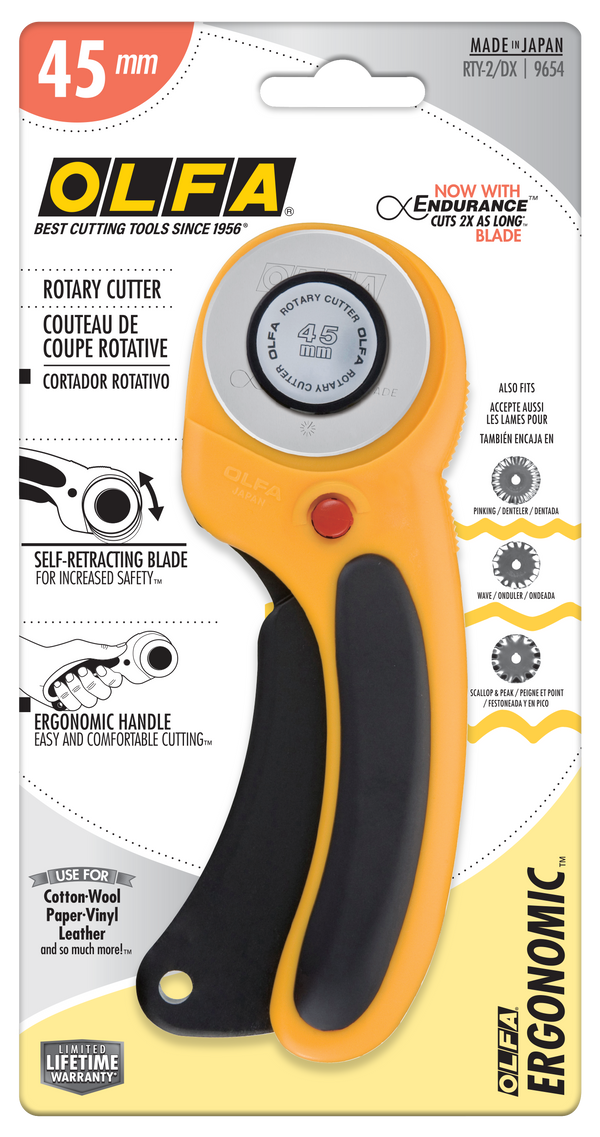
Rotary cutters have a round blade that rolls as you cut. They are good for straight lines and curves.
You can use rotary cutters on fabric, paper, and vinyl. They make clean cuts without fraying edges.
Safety Cutters
Safety cutters have covers or guards to protect your fingers. They reduce the chance of accidents.
Some safety cutters have retractable blades. This feature keeps the blade hidden when not in use.
- Blade covers
- Retractable blades
- Non-slip handles
Ergonomic Designs
Ergonomic rolling cutters fit well in your hand. They reduce hand strain during long projects.
These cutters have soft grips and balanced weight. They help you cut smoothly and comfortably.
- Soft, cushioned handles
- Lightweight materials
- Comfort-shaped grips

Credit: munchmakers.com
Blade Materials And Sizes
Choosing the right rolling cutter depends on the blade material and size. These factors affect cutting performance and durability.
Understanding different blade types helps you pick the best tool for your project. Size matters for precision and ease of use.
Stainless Steel Blades
Stainless steel blades resist rust and corrosion. They stay sharp for a good time with proper care.
These blades work well on fabrics, paper, and leather. They offer good balance between sharpness and durability.
Titanium Blades
Titanium blades last longer than stainless steel ones. They resist dulling and keep sharp edges.
These blades cut through tougher materials like denim and multiple fabric layers. They cost more but give better results.
Standard Blade Sizes
Rolling cutters come in several blade sizes. The size affects cutting control and project type.
| Blade Diameter | Best For |
|---|---|
| 18 mm | Small cuts, curves, detailed work |
| 28 mm | General use, medium-sized projects |
| 45 mm | Large projects, straight cuts, heavy materials |
Handle Comfort And Grip
Choosing the right rolling cutter means thinking about how it feels in your hand. A comfortable handle helps you work longer without pain. A good grip keeps your hand steady and safe.
Different handle features affect comfort and control. Look closely at non-slip surfaces, cushioned grips, and adjustable handles. These parts make cutting easier and safer.
Non-slip Handles
Non-slip handles stop your hand from sliding while you cut. They give you more control and reduce accidents. This is important if your hands get sweaty or oily.
Materials like rubber or textured plastic often provide a strong hold. Some handles have patterns that increase friction. These features help keep the cutter steady.
- Rubber coatings improve grip
- Textured surfaces reduce slipping
- Safe use in wet or oily conditions
Cushioned Grips
Cushioned grips soften the pressure on your hands. They reduce hand fatigue during long cutting tasks. Soft padding makes the handle more comfortable to hold.
Foam or gel padding are common cushion materials. These absorb shocks and prevent blisters. Cushioned grips help you keep a firm hold without pain.
- Foam padding absorbs impact
- Gel grips feel soft and flexible
- Reduces hand strain and blisters
Adjustable Handles
Adjustable handles let you change the angle or length. This helps fit different hand sizes and cutting styles. You can find the most comfortable position for better control.
Some handles fold or twist to match your grip. Others have extendable parts for longer reach. Adjustability adds flexibility and reduces hand cramps.
- Fits various hand sizes
- Allows angle changes for comfort
- Improves control and reduces cramps
Safety Features To Consider
Choosing the right rolling cutter means thinking about safety first. Good safety features help prevent accidents and injuries.
Look closely at the cutter’s safety parts. These features keep you safe while you work.
Blade Guards
Blade guards cover the sharp edge when the cutter is not in use. They protect your fingers and surfaces from cuts.
Choose a cutter with a sturdy and easy-to-use blade guard. It should cover the blade fully and stay in place.
- Prevents accidental cuts
- Keeps the blade clean and sharp
- Easy to slide on and off
- Made from strong material
Locking Mechanisms
A locking mechanism keeps the blade fixed during use. It stops the blade from moving or retracting unexpectedly.
Look for cutters with simple locks. The lock should be strong and easy to engage or release.
- Prevents blade from slipping
- Improves cutting accuracy
- Easy to lock and unlock
- Reduces risk of injury
Child Safety Precautions
Keep children safe by choosing cutters with child safety features. These help prevent young kids from using the blade.
Some cutters have safety locks or require two-step actions to open the blade. These features stop kids from opening the cutter alone.
- Two-step blade release
- Child-proof locking systems
- Non-slip handles for control
- Safe storage recommendations
Cutting Performance And Precision
Choosing the right rolling cutter is important for good cutting results. It affects how clean and accurate your cuts will be.
Good cutting performance saves time and materials. Precision helps you create neat and professional work.
Sharpness And Durability
A sharp blade cuts smoothly without tearing materials. It makes cutting easier and faster.
Durability means the blade stays sharp for a long time. Durable cutters need fewer blade changes and cost less over time.
- Look for high-quality steel blades
- Check if blades are easy to replace
- Consider coatings that reduce dulling
Cutting Multiple Layers
Some projects need cutting many layers at once. A good rolling cutter handles thick stacks without losing control.
Strong blades and a solid handle help you cut through multiple layers with clean edges.
- Choose cutters with larger blade diameters
- Use ergonomic handles for better grip
- Test cutters on your material thickness
Accuracy Of Cuts
Precise cuts are key for neat projects. A rolling cutter must follow your guides without slipping.
Look for cutters with smooth rolling action and good blade stability. These features help you cut straight lines and curves.
- Choose cutters with sharp, stable blades
- Use rulers or guides for straight cuts
- Practice steady hand movement

Credit: roggh.com
Maintenance And Blade Replacement
Keeping your rolling cutter in good shape makes your work easier and safer. Regular maintenance helps the blade last longer and cuts smoothly.
Knowing when to clean, sharpen, or replace the blade is important for the best results. Follow simple steps to care for your cutter.
Cleaning And Care Tips
Clean your rolling cutter after each use. Remove any fabric fibers, dust, or glue that may stick to the blade or handle.
Use a soft cloth and mild soap to wipe the blade and the body. Avoid water on the blade to prevent rust.
- Take apart the blade guard carefully for cleaning
- Dry the blade completely before storing
- Store the cutter in a dry place away from moisture
- Oil the blade lightly to stop rust from forming
When To Replace Blades
Replace the blade when it becomes dull or damaged. A dull blade can tear fabric instead of cutting it cleanly.
Look for chips, cracks, or bends on the blade edge. These signs mean the blade is unsafe to use and needs changing.
- Blade cuts with more effort than usual
- Edges look worn or chipped
- Blade causes fabric to snag or pull
- Blade does not rotate smoothly
Blade Sharpening Techniques
You can sharpen a rolling cutter blade to extend its life. Use a sharpening stone or a fine diamond file for best results.
Sharpen the blade carefully by holding it steady and moving it in one direction. Avoid grinding back and forth.
- Remove the blade from the cutter before sharpening
- Use smooth, light strokes along the blade edge
- Keep the original angle of the blade edge
- Clean the blade after sharpening to remove metal dust
Price And Budget Considerations
Choosing the right rolling cutter depends a lot on your budget. You want a tool that fits your needs without costing too much.
Knowing how price relates to quality helps you pick the best option. Let’s look at different price points and what to expect.
Cost Vs. Quality
Cheaper rolling cutters can work well for light use. They may not last as long or cut as smoothly.
Higher quality cutters use better materials and sharp blades. They give cleaner cuts and last longer.
- Low cost: Basic materials, less durability
- Mid cost: Balanced quality and price
- High cost: Premium build, long-lasting
Budget-friendly Options
Budget-friendly cutters suit beginners and occasional users. They do the job without a big price tag.
Look for trusted brands that offer good value. Check reviews to find reliable cutters in your price range.
- Plastic handles with simple blade designs
- Basic safety features included
- Blade replacements available at low cost
Investing In High-end Models
High-end rolling cutters suit frequent or professional use. They offer better performance and comfort.
These models use strong metals and sharp, long-lasting blades. They often have ergonomic grips and extra features.
- Durable metal handles
- Replaceable premium blades
- Ergonomic design for comfort
- Enhanced safety mechanisms
User Reviews And Recommendations
Choosing the right rolling cutter can be tricky. User reviews help you find tools that work well.
People share their experiences with different cutters. These insights guide your buying decision.
Popular Brands
Some brands are known for quality rolling cutters. Users often mention these brands in reviews.
- Olfa – praised for sharp blades and durability
- Fiskars – noted for ergonomic handles
- Martelli – recognized for precision and comfort
- Slice – valued for safety and blade design
Customer Feedback
Customers talk about how easy the cutter is to use. They also mention how long the blades last.
Many users like cutters that fit comfortably in their hand. Some warn about blades that dull fast.
- Comfortable grip helps reduce hand fatigue
- Sharp blades make cutting faster and cleaner
- Blade replacement should be easy and affordable
- Durability is key for frequent use
Expert Endorsements
Experts test rolling cutters for accuracy and safety. They recommend brands with consistent quality.
Experts also highlight cutters with balanced weight and good blade control. These features improve results.
- Look for cutters with sharp, replaceable blades
- Choose models with ergonomic handles
- Ensure safety features like blade guards are included
- Consider cutters that suit your cutting needs

Credit: madamsew.com
Frequently Asked Questions
What Factors Should I Consider When Choosing A Rolling Cutter?
Consider blade material, size, cutting depth, handle comfort, and blade sharpness. These factors ensure efficiency and ease of use.
How Do Blade Materials Affect Rolling Cutter Performance?
High-quality steel blades last longer and cut cleaner. Carbide-tipped blades are best for tough materials and durability.
Which Rolling Cutter Size Is Best For Different Projects?
Small blades suit detailed work; larger blades handle bigger materials. Choose size based on your specific cutting needs.
How Often Should I Replace My Rolling Cutter Blade?
Replace blades when they become dull or nicked. A sharp blade ensures precise and safe cutting every time.
Conclusion
Choosing the right rolling cutter makes cutting tasks easier and safer. Focus on blade size, handle comfort, and blade quality. Think about how often and what you will cut. A good cutter saves time and effort. Take your time to compare options before buying.
This helps you pick the best tool for your needs. A smart choice leads to better results and less frustration. Keep these tips in mind to find a cutter that fits you well.