
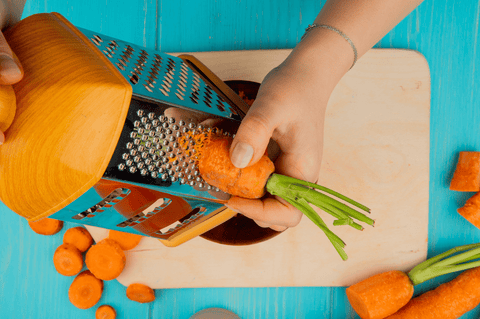
Are you tired of unevenly sliced veggies that slow down your cooking? Using a mandoline slicer can change the way you prep food—making it faster, safer, and more precise.
But if you’re not sure how to use it efficiently, you might end up frustrated or even hurt. This guide will show you simple tips to master your mandoline slicer, so you save time and get perfect slices every time.
Keep reading, and you’ll discover how to make your kitchen tasks easier and your meals look professionally prepared.
Choosing The Right Mandoline Slicer
A mandoline slicer helps you cut fruits and vegetables evenly. Picking the right one makes slicing safer and faster.
There are many styles and features. Knowing what to look for will improve your kitchen work.
Blade Types And Thickness Options
Blades come in different shapes like straight, wavy, or julienne. Choose one that fits your cooking needs.
Look for slicers with adjustable thickness. This lets you make thin or thick slices easily.
- Straight blades for simple slicing
- Wavy blades for decorative cuts
- Julienne blades for thin strips
- Adjustable thickness for versatile use
Safety Features
Safety is important when using sharp tools. Check for hand guards or finger protectors on the slicer.
A non-slip base keeps the slicer steady on the counter. This helps prevent accidents while slicing.
- Hand guards protect your fingers
- Non-slip base for stability
- Locking mechanism for safe storage
Material And Build Quality
Choose slicers made of strong materials like stainless steel or hard plastic. They last longer and resist rust.
A solid build feels stable and comfortable to hold. This makes slicing easier and safer.
- Stainless steel blades stay sharp
- Hard plastic bodies are lightweight
- Durable parts resist wear and tear
Ease Of Cleaning And Storage
A slicer with removable blades is easier to clean. Check if parts are dishwasher safe for convenience.
Look for a compact design or storage case. This helps keep the slicer neat in your kitchen.
- Removable blades for easy washing
- Dishwasher safe parts save time
- Compact size fits in drawers
- Storage case keeps parts together
Essential Safety Precautions
Using a mandoline slicer can be quick and effective in the kitchen. It helps slice fruits and vegetables evenly.
Safety is very important when using this tool. Sharp blades can cause serious cuts if not handled right.
Proper Hand Positioning
Keep your fingers away from the blade at all times. Hold the food firmly to avoid slips.
Use a claw grip with your fingers curled under. This way, your knuckles guide the slicer safely.
- Keep your hand steady and away from the blade
- Do not apply too much force while slicing
- Move the food slowly for better control
Using A Safety Guard
Always use the safety guard that comes with the mandoline slicer. It protects your fingers from the sharp blade.
If your slicer does not have a guard, use a cut-resistant glove. This adds a layer of protection while slicing.
- Attach the safety guard firmly before use
- Hold the guard to press the food against the blade
- Replace the guard if it is damaged or loose
Setting Up Your Mandoline Slicer
Using a mandoline slicer can help you cut fruits and vegetables evenly. Setting it up correctly makes slicing easier and safer.
Before you start, check the parts and clean the slicer. Make sure everything works smoothly.
Adjusting Blade Thickness
Adjust the blade thickness to get the right slice size. Most mandolines have a knob or lever for this.
Start with a thicker setting for firm vegetables. Use thinner settings for delicate items like cucumbers.
- Turn the knob or slide the lever to change thickness
- Test on a small piece before slicing a lot
- Choose thickness based on your recipe needs
Ensuring A Stable Surface
Place the mandoline on a flat and steady surface. This prevents slips and accidents while slicing.
Use a damp cloth or non-slip mat under the slicer. This helps keep it in place during use.
- Check that the surface is clean and dry
- Use a non-slip pad for extra grip
- Keep your hands and fingers away from the blade

Credit: chefsupplyco.com.au
Basic Thin Slicing Techniques
Using a mandoline slicer helps you cut vegetables into thin, even slices quickly. It saves time and makes your dishes look neat and professional.
Learning the right techniques keeps you safe and improves your slicing results. Let’s explore how to slice vegetables evenly and get consistent thickness.
Slicing Vegetables Evenly
Hold the vegetable firmly and slide it smoothly across the mandoline blade. Keep a steady pace to avoid uneven cuts.
Use the hand guard or a protective glove to keep your fingers safe. This also helps you press the vegetable evenly against the blade.
- Choose vegetables that fit the mandoline size
- Use the hand guard to hold the vegetable
- Slide the vegetable down with even pressure
- Keep your fingers away from the blade
Achieving Consistent Thickness
Adjust the mandoline’s thickness setting before slicing. This controls how thin or thick your slices will be.
Test the setting with a small piece to see if the thickness matches your need. Consistent slices cook evenly and look better.
- Set the blade to your desired thickness
- Test slice a small piece first
- Keep pressure steady for uniform slices
- Clean the blade if slices become uneven
Advanced Slicing Methods
Using a mandoline slicer can save time and give consistent results. Advanced slicing methods help you cut vegetables in creative ways. These techniques improve your cooking presentation and texture.
Learning how to create julienne strips and waffle cuts will expand your slicing skills. Both methods add style and variety to your dishes.
Creating Julienne Strips
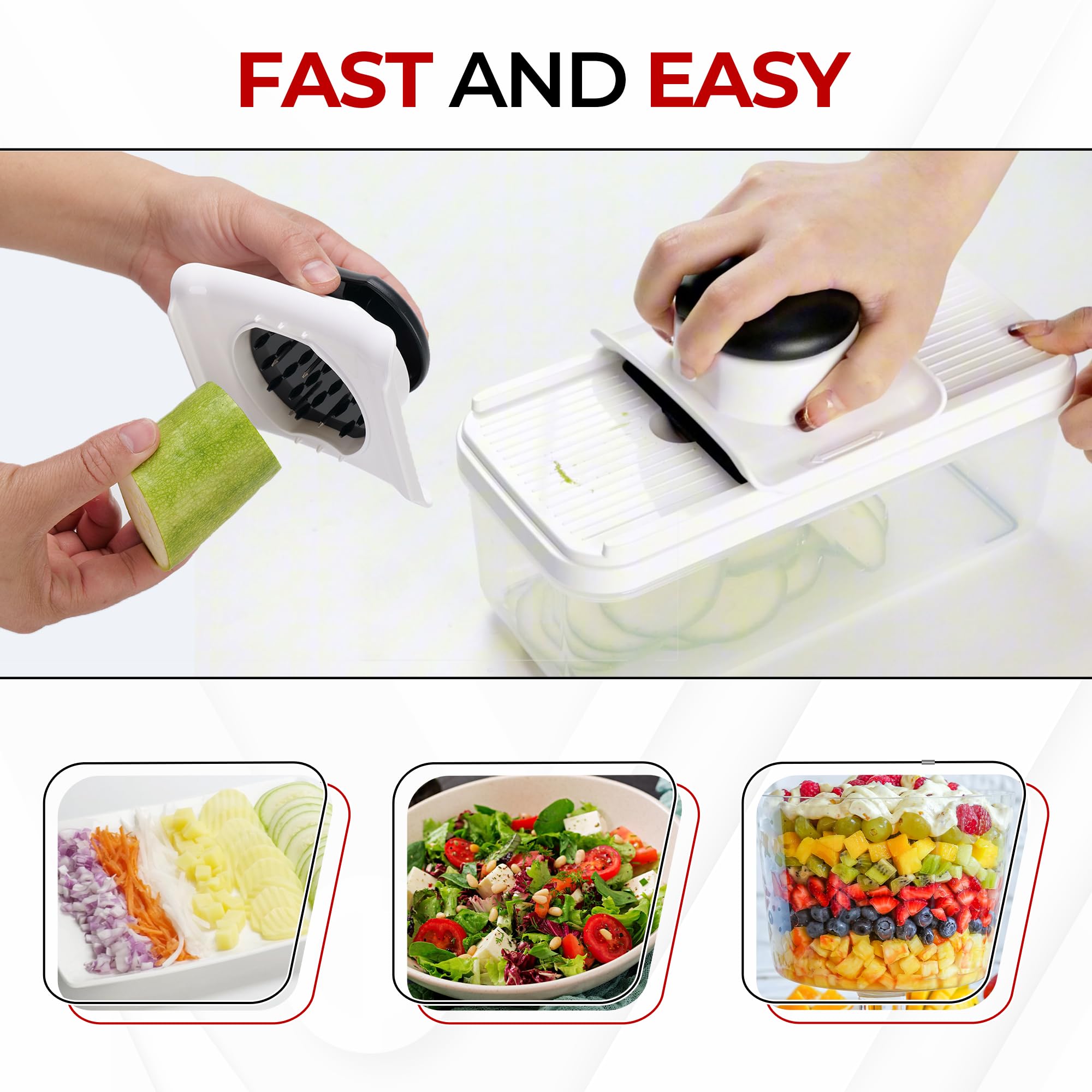
Julienne strips are thin, matchstick-like pieces. They work well in salads, stir-fries, and garnishes. A mandoline slicer with a julienne blade makes this easy.
Start by choosing firm vegetables like carrots or zucchini. Adjust the blade to the julienne setting. Hold the vegetable firmly and slide it across the blade. Use smooth, even strokes for best results.
- Use a safety guard to protect your fingers
- Cut vegetables to fit the slicer length
- Apply steady pressure for uniform strips
- Slice over a cutting board or bowl to catch pieces
Making Waffle Cuts
Waffle cuts create a crisscross pattern on vegetables. This adds texture and helps them cook evenly. A mandoline with a waffle blade or adjustable angle is needed.
Place the vegetable on the mandoline. Slice once in one direction. Then, rotate the vegetable 90 degrees and slice again. Repeat if you want deeper cuts. Always use the hand guard to stay safe.
- Choose firm vegetables like potatoes or cucumbers
- Make sure the blade angle is set for waffle cuts
- Keep a steady hand and consistent speed
- Use waffle cuts for chips, fries, or garnishes
Cleaning And Maintenance Tips
Keeping your mandoline slicer clean helps it work well and last longer. Dirt and food bits can make the blade dull.
Regular cleaning and proper care keep your slicer safe and ready to use anytime.
Removing Blade Safely
The blade is very sharp. Always handle it carefully to avoid cuts. Use gloves if you have them.
Follow these tips to remove the blade safely:
- Unplug or disconnect the slicer if it is electric.
- Hold the slicer firmly on a flat surface.
- Use the tool or button designed to release the blade.
- Lift the blade carefully by the edges only.
- Place the blade on a safe surface away from children.
- Clean the blade right after removing it.
Proper Storage Practices
Store your mandoline slicer in a dry place to stop rust. Keep it out of reach of children.
Follow these storage tips to protect your slicer and blades:
- Dry all parts completely before storing.
- Use the blade cover or case if available.
- Store the slicer in a drawer or cupboard.
- Avoid stacking heavy items on top of it.
- Check the slicer before each use for damage.
Common Mistakes To Avoid
Using a mandoline slicer can save time and make your food look great. Many people make simple mistakes that cause injury or poor results.
Knowing what to avoid helps you use your slicer safely and get perfect slices every time.
Applying Excessive Force
Pushing too hard on the slicer can cause uneven cuts or damage the blade. It also increases the chance of slipping and hurting yourself.
Let the sharp blade do the work. Use gentle, steady pressure to slice smoothly and safely.
- Do not press down hard; use light force.
- Keep the food stable and flat.
- Slice slowly for better control.
Neglecting Safety Measures
Ignoring safety steps can cause serious cuts. The mandoline blade is very sharp and dangerous if not handled properly.
Always use the hand guard and keep your fingers away from the blade. Never slice without protection.
- Use the slicer’s hand guard every time.
- Wear cut-resistant gloves if possible.
- Keep the slicer on a stable surface.
- Clean the blade carefully after use.
Credit: www.amazon.ca
Enhancing Slicing Skills
Using a mandoline slicer can make food prep faster and neater. Improving your slicing skills helps you cut food evenly and safely.
Practicing with different foods and blade types will increase your confidence and control. These tips help you get the best results every time.
Practicing With Different Foods
Try slicing various foods to learn how each feels on the mandoline. Soft, hard, or leafy foods need different handling.
Start with firm vegetables like carrots and potatoes. Then try soft fruits like tomatoes and kiwis. Leafy greens need gentle slicing.
- Firm vegetables hold shape well and slice evenly
- Soft fruits require slow, careful slicing
- Leafy greens need light pressure to avoid tearing
- Practice helps you adjust speed and pressure
Experimenting With Blade Types
Mandoline slicers come with different blades for various cuts. Using each blade type helps you understand their effects on food.
Try the straight blade for thin, even slices. Use the julienne blade for matchstick cuts. The waffle blade creates crisscross patterns.
- Straight blade: smooth, flat slices
- Julienne blade: thin strips for salads or fries
- Waffle blade: textured slices with pattern
- Switch blades to find the best cut for your dish

Credit: www.youtube.com
Frequently Asked Questions
How Do I Safely Use A Mandoline Slicer?
Always use the hand guard or food holder. Keep fingers away from the blade. Slice slowly and steadily for control and safety.
What Foods Work Best With A Mandoline Slicer?
Mandoline slicers work well with firm fruits and vegetables. Try potatoes, cucumbers, carrots, and apples for even, thin slices.
How Do I Clean A Mandoline Slicer Properly?
Disassemble the slicer parts carefully. Wash with warm, soapy water. Use a brush to remove stuck food. Dry thoroughly before storing.
Can I Adjust The Thickness On A Mandoline Slicer?
Yes, most mandolines have adjustable blades. You can set slice thickness from paper-thin to thick cuts. Adjust before slicing for best results.
Conclusion
Using a mandoline slicer saves time and effort in the kitchen. Always handle it with care to avoid cuts and injuries. Keep the blade sharp and clean for best results. Practice different slicing techniques to find what suits you. Regular use makes slicing faster and more precise.
Enjoy preparing meals with evenly cut vegetables and fruits. A mandoline slicer adds ease and style to cooking. Try it today and see the difference it brings. Simple, safe, and effective kitchen tool.