
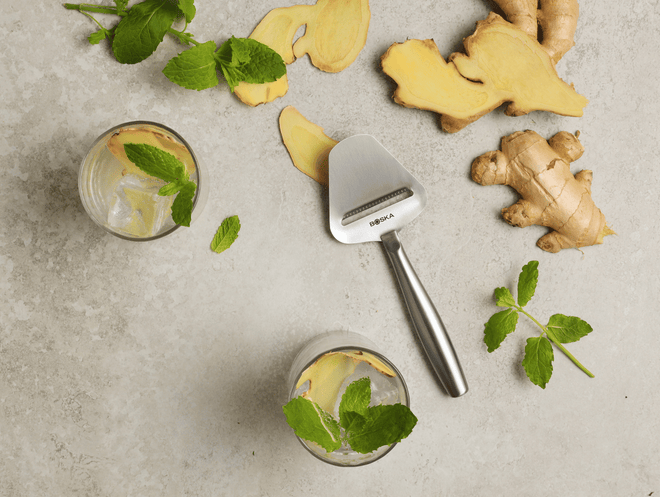
Are you tired of struggling with uneven cheese slices that ruin your perfect sandwich or appetizer? Using a cheese slicer can make your life so much easier, but only if you know the right way to handle it.
Imagine effortlessly cutting smooth, even slices every time—no mess, no frustration. You’ll discover simple steps to master your cheese slicer and impress your friends with perfectly sliced cheese. Keep reading, and you’ll wonder how you ever got along without this handy tool.

Credit: www.vevor.ca
Choosing The Right Cheese Slicer
Choosing the right cheese slicer makes cutting cheese easier and safer. The right slicer fits the type of cheese you like to eat.
There are many types of cheese slicers. Each has different materials and ways to use them. Picking the best one helps you enjoy cheese more.
Types Of Cheese Slicers
Cheese slicers come in several types. Some use wires, others use blades. Each type works best with certain kinds of cheese.
- Wire slicers:Best for soft to medium cheeses. They give smooth slices.
- Blade slicers:Great for hard cheeses. They cut thin or thick slices easily.
- Plane slicers:Look like a flat tool with a slot. Good for thin slices of firm cheese.
Material And Durability
Cheese slicers are made from different materials. The material affects how long the slicer lasts and how easy it is to clean.
- Stainless steel:Strong and rust-resistant. It lasts a long time.
- Plastic:Lightweight and cheap. May not last as long.
- Wood:Nice look but needs careful cleaning to avoid damage.
- Combination:Some slicers mix materials for strength and style.
Ease Of Use And Maintenance
Easy-to-use cheese slicers save time and effort. Maintenance means cleaning and keeping the slicer sharp or intact.
- Look for slicers with comfortable handles.
- Check if the slicer parts are easy to clean.
- Wire slicers may need wire replacement over time.
- Blade slicers should be sharp and safe to use.
Preparing Cheese For Slicing
Using a cheese slicer is easy if you prepare the cheese properly. Good preparation helps you get smooth, even slices every time.
Here are some tips to prepare your cheese before slicing it with a cheese slicer.
Chilling The Cheese
Cold cheese is firmer and easier to slice. Keep the cheese in the fridge for at least an hour before slicing.
If the cheese is too soft, it may stick to the slicer or crumble. Chilling helps prevent this.
Selecting The Right Cheese Type
Not all cheeses work well with a slicer. Hard and semi-hard cheeses are best for slicing.
- Hard cheeses: Parmesan, Asiago
- Semi-hard cheeses: Cheddar, Gouda
- Soft cheeses are harder to slice cleanly
Positioning The Cheese
Place the cheese on a flat, stable surface before slicing. Make sure it does not move while you cut.
Hold the cheese firmly and keep your fingers away from the blade for safety.
Techniques For Perfect Slices
Using a cheese slicer helps create thin, even slices. This makes cheese easier to eat and look nice on plates.
To get the best slices, you need to know how to adjust the slicer and use the right pressure and angle.
Adjusting Thickness
Most cheese slicers let you change the thickness of each slice. Set the slicer to your preferred thickness before you start.
Thinner slices are good for soft cheeses, while thicker slices work well with hard cheeses.
- Check if your slicer has a thickness dial or adjustable wire.
- Test a slice to see if it matches your preference.
- Make small changes to avoid slices that are too thin or thick.
Maintaining Steady Pressure
Press the slicer gently but firmly on the cheese. Too much pressure can break the slice.
Keep your hand steady and move the slicer smoothly from one end to the other.
- Hold the cheese firmly to stop it from moving.
- Apply even pressure across the slicer wire or blade.
- Try to avoid stopping or changing pressure mid-slice.
Angling The Slicer
Hold the slicer at a slight angle to the cheese surface. This helps the wire cut smoothly.
Changing the angle can control how the slice comes off and prevent the cheese from sticking.
- Start with the slicer flat and tilt it slightly forward.
- Adjust the angle if the slicer drags or tears the cheese.
- Practice to find the best angle for different types of cheese.
Troubleshooting Common Issues
Using a cheese slicer can be simple, but some problems may happen. Learning how to fix these issues helps you get perfect slices every time.
Below are tips to handle soft cheese, stop cheese from sticking, and make even slices.
Dealing With Soft Cheese
Soft cheese can be hard to slice neatly. It may squish or tear instead of cutting cleanly.
Chill the cheese before slicing. Cold cheese is firmer and easier to cut. Use a gentle, steady pressure with the slicer.
- Put cheese in the fridge for 30 minutes before slicing
- Hold the slicer steady and pull slowly
- Use a slicer with a sharp wire or blade
Preventing Sticking
Cheese can stick to the slicer wire or blade, making slicing difficult. This happens more with sticky or oily cheeses.
Clean the slicer often to remove cheese bits. You can also lightly oil the wire or blade to stop sticking.
- Wipe the slicer after every few slices
- Use a small amount of cooking oil on the wire or blade
- Try slicing cheese at room temperature if too cold
Avoiding Uneven Slices
Uneven slices look messy and cook unevenly. This can happen if you press too hard or slice too fast.
Keep a steady hand and use smooth, even strokes. Hold the cheese firmly so it does not move while slicing.
- Hold cheese steady on a flat surface
- Use slow, even pressure when slicing
- Check slicer tension to keep wire tight
Care And Maintenance Of Cheese Slicers
Cheese slicers need proper care to last long. Keeping them clean and sharp makes slicing easy.
Good maintenance keeps your slicer safe and working well every time.
Cleaning Tips
Clean your cheese slicer after every use. This stops cheese from hardening and sticking.
Use warm water and mild soap. Avoid harsh chemicals that can damage the slicer.
- Rinse slicer with warm water immediately after use
- Use a soft sponge or cloth to clean the blade and handle
- Dry the slicer completely to prevent rust
- Do not soak slicer for long periods
Storing Properly
Store your cheese slicer in a dry place. This stops moisture from causing rust or damage.
Keep the slicer away from heavy items that could bend or break the blade.
- Use a protective cover or sheath if available
- Place slicer in a drawer or utensil holder upright
- Avoid stacking other tools on top of the slicer
- Check slicer regularly for any signs of wear
Sharpening And Replacement
Keep the blade sharp for clean cheese slices. A dull blade makes slicing hard and unsafe.
Some slicers have replaceable blades. Change them if sharpening does not help.
- Use a sharpening tool designed for thin blades
- Sharpen slowly and carefully to avoid damage
- Replace the blade if it bends or chips
- Follow the manufacturer’s instructions for blade care

Credit: www.boska.com
Creative Uses Beyond Slicing
A cheese slicer is not just for cutting cheese. You can use it to make your cheese look more attractive. It adds style to your cheese dishes.
Try new ways to use your slicer to impress guests. These ideas make cheese a fun part of your meals.
Decorative Cheese Plating
Use a cheese slicer to create thin, even slices. Arrange these slices in patterns on a plate. It makes your cheese board look nice.
You can layer slices in circles or fan shapes. Add herbs or fruits around for color. This simple trick makes cheese more inviting.
- Slice cheese thinly and evenly
- Arrange slices in circles or fans
- Add fresh herbs or berries for color
- Use different cheese types for variety
Creating Cheese Curls
Cheese curls add texture to salads and snacks. Use the slicer at a slight angle and pull gently. This curls the cheese instead of flat slices.
Cheese curls look pretty on plates and give a fresh feel. They work well with hard cheeses like Parmesan or aged Cheddar.
- Hold slicer at an angle
- Pull cheese slowly to form curls
- Use hard cheeses for best curls
- Add curls to salads or soups
Pairing With Other Foods
Slice cheese thinly to pair with fruits, nuts, and crackers. Thin slices mix well with other textures and flavors.
Try cheese slices with apple, pear, or dried fruit. Add nuts like almonds or walnuts for crunch. This makes a tasty and balanced snack.
- Pair thin cheese slices with fresh fruit
- Add nuts for extra crunch
- Use crackers or bread as a base
- Mix mild and strong cheese types

Credit: www.vevor.ca
Frequently Asked Questions
How Do I Use A Cheese Slicer Correctly?
Hold the cheese firmly on a cutting board. Place the slicer’s blade at the cheese’s edge. Apply gentle, even pressure. Slide the blade smoothly to create thin, uniform slices. Repeat until you have the desired amount of cheese slices.
What Types Of Cheese Work Best With A Slicer?
Hard and semi-hard cheeses like cheddar, gouda, and Swiss work best. Softer cheeses may crumble or stick. Use a slicer designed for soft cheeses if needed. Always check the slicer’s instructions for compatibility with different cheese types.
How Do I Clean And Maintain A Cheese Slicer?
Rinse the slicer immediately after use to prevent cheese residue buildup. Use warm soapy water and a soft sponge. Dry thoroughly to avoid rust or damage. Regularly check the blade for sharpness and replace if it becomes dull.
Can A Cheese Slicer Cut Other Foods Besides Cheese?
Yes, cheese slicers can slice foods like butter, cucumbers, and soft fruits. However, they work best on firm textures. Avoid using them on hard vegetables or meats to prevent damage to the blade or uneven cuts.
Conclusion
Using a cheese slicer makes cutting cheese simple and neat. It helps create even slices every time. You save effort and avoid mess with this tool. Practice a little, and you will slice cheese like a pro. Keep your slicer clean and sharp for best results.
Enjoy perfectly sliced cheese on sandwiches, crackers, or salads. This small tool adds ease to your kitchen tasks. Try it today and see the difference yourself.