
Choosing the right chef knife set can change the way you cook every day. You want knives that feel comfortable in your hand, slice smoothly, and last for years.
But with so many options out there, how do you pick the perfect set for your kitchen? This guide will help you understand what matters most when selecting a chef knife set, so you can make a confident choice that matches your style and needs.
Keep reading to discover simple tips that will sharpen your cooking skills instantly.

Credit: www.cnn.com
Understanding Knife Types
Choosing the right chef knife set starts with knowing the different types of knives. Each knife has a special job in the kitchen.
Learning about these knives helps you pick the best set for your cooking needs.
Chef’s Knife
The chef’s knife is the most common knife in the kitchen. It has a broad, sharp blade that is usually 8 to 10 inches long.
This knife is good for chopping, slicing, and dicing many types of food like vegetables, meat, and herbs.
Paring Knife
A paring knife is small with a short blade, usually 3 to 4 inches long. It is easy to hold and control.
Use it for peeling fruits, trimming vegetables, and other small tasks that need precision.
Serrated Knife
The serrated knife has a saw-like edge. It cuts well through foods with hard crusts and soft insides.
It works great for slicing bread, tomatoes, and cakes without squashing them.
Boning Knife
A boning knife has a thin, flexible blade. It helps remove bones from meat, fish, and poultry easily.
The sharp point and narrow blade make it good for detailed work around bones.
Santoku Knife
The Santoku knife is a Japanese-style knife. It usually has a shorter, wider blade with a flat edge.
This knife is great for chopping, dicing, and mincing vegetables and meats. Its design helps with quick cuts.
Blade Material And Construction
Choosing the right chef knife set means looking closely at the blade material and how it is made. These factors affect how sharp, durable, and easy to use the knives are.
Different materials and construction styles offer unique benefits. Understanding these helps you pick knives that fit your cooking style.
Stainless Steel
Stainless steel blades resist rust and stains well. They are easy to care for and keep a good edge for a long time.
These blades are popular for home cooks because they need less maintenance than other steels.
High-carbon Steel
High-carbon steel blades stay sharper longer and cut more precisely. They are harder than stainless steel.
These knives need more care. They can rust or stain if not dried properly after use.
Ceramic Blades
Ceramic blades are very hard and keep their sharp edge for a long time. They do not rust or corrode.
They are light but can chip or break if dropped. Ceramic knives are best for cutting fruits and vegetables.
Forged Vs. Stamped Blades
Forged blades are made by heating and shaping a single piece of steel. They are strong and balanced.
Stamped blades are cut from a steel sheet. They are lighter and less expensive but may be less durable.
- Forged blades usually have a bolster for better grip
- Stamped blades are thinner and easier to sharpen
- Choose forged for heavy use and stamped for light tasks
Handle Design And Comfort
Choosing the right chef knife set means paying attention to handle design. A good handle makes cutting easier and safer.
Comfort helps you use the knife longer without strain or slipping. This guide looks at key handle features.
Ergonomics
Ergonomic handles fit the hand shape well. They reduce hand fatigue during long cooking sessions.
Look for handles that feel natural and smooth. Rounded or slightly curved shapes help grip and control.
Material Choices
Handle materials affect comfort and durability. Common options include wood, plastic, and composite materials.
- Wood feels warm and natural but may need more care.
- Plastic is easy to clean and often slip-resistant.
- Composite handles combine durability with good grip.
Pick a material that feels good in your hand and fits your kitchen style.
Grip And Balance
A secure grip prevents accidents. Test how the handle feels in your hand before buying.
Balance means the knife feels steady when you hold it. The handle should weigh just right.
- Grip should be firm, not slippery.
- Balance helps control cuts and reduces wrist strain.
- Try holding different knives to find the best fit.

Credit: www.cnn.com
Knife Set Components
Choosing the right chef knife set starts with knowing the parts inside. Each set has different knives and tools. Understanding these helps you pick what fits your kitchen needs.
A good knife set has a mix of basic knives, extra blades, and special tools. Each piece has a purpose. This guide breaks down these components to help you decide.
Essential Pieces
Essential pieces are the basic knives every kitchen needs. These knives handle most cutting tasks like chopping, slicing, and dicing.
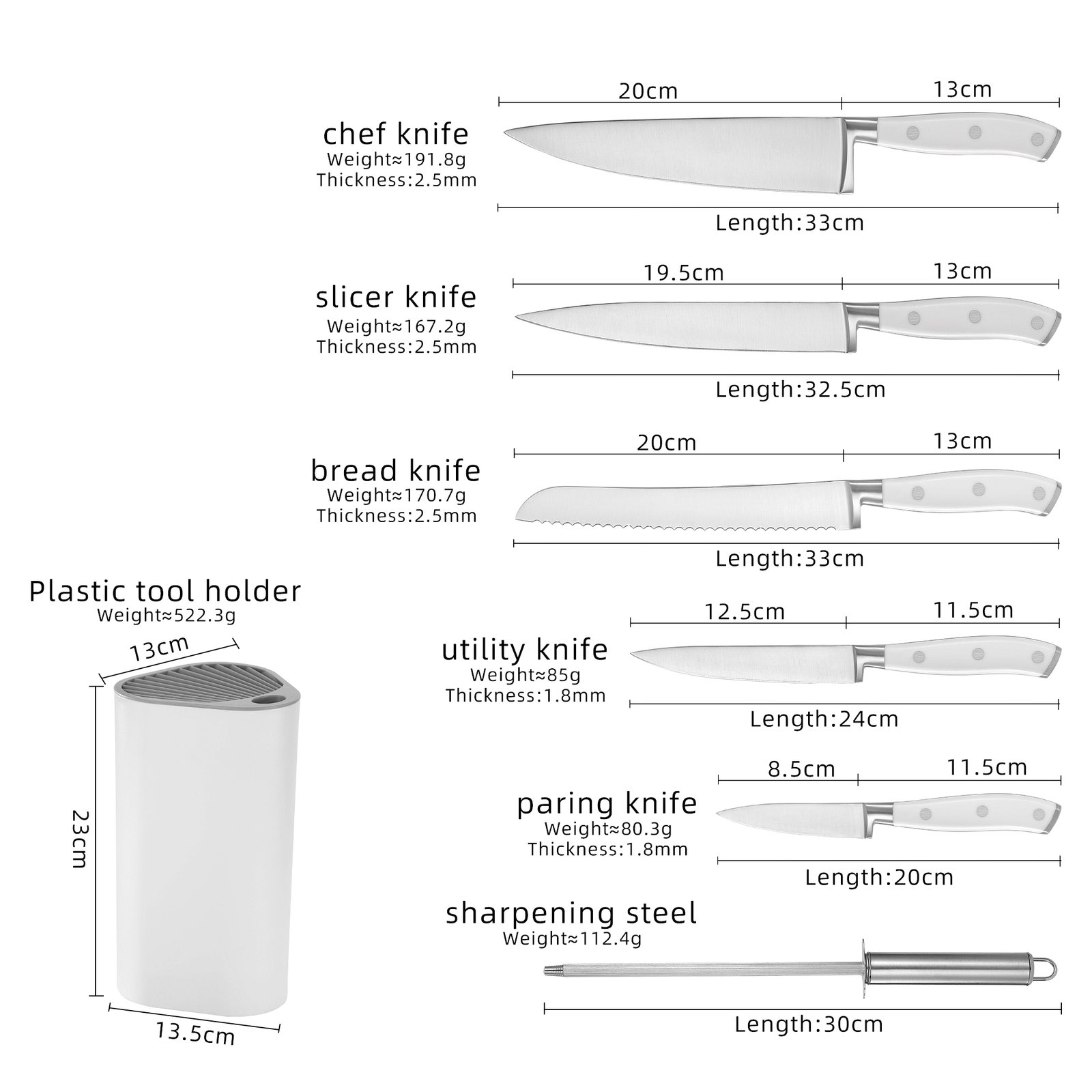
Most sets include a chef’s knife, a paring knife, and a bread knife. These three cover a wide range of cooking needs.
- Chef’s Knife:Used for chopping, slicing, and mincing.
- Paring Knife:Great for peeling and small cutting tasks.
- Bread Knife:Has a serrated edge for cutting bread cleanly.
Additional Knives
Additional knives add flexibility to your set. They help with tasks that essential knives can’t do well. These include slicing meat or trimming fish.
Examples of extra knives are utility knives, boning knives, and carving knives. They give you more control in the kitchen.
- Utility Knife:Smaller than a chef’s knife, good for medium tasks.
- Boning Knife:Thin blade for removing bones from meat or fish.
- Carving Knife:Long blade for slicing cooked meat.
Specialty Tools
Specialty tools include non-knife items that help with food prep and knife care. These tools improve safety and efficiency.
Common specialty tools are sharpening steels, kitchen shears, and knife blocks. They keep your knives sharp and organized.
- Sharpening Steel:Used to hone knife edges and keep them sharp.
- Kitchen Shears:Heavy-duty scissors for cutting herbs, poultry, and packaging.
- Knife Block:Safe storage for knives to protect blades and fingers.
Brand Reputation And Reviews
Choosing the right chef knife set means looking at brand reputation. A well-known brand usually offers better quality knives. Reading reviews helps you see what other buyers think.
Good reviews show how knives perform in real kitchens. They tell you about sharpness, comfort, and durability. Checking reputation and reviews saves you money and time.
Top Knife Brands
Some brands are famous for making strong and sharp chef knives. They use good materials and careful designs. Choose brands with a long history of quality.
- Wüsthof: Known for German steel and precise cutting
- Shun: Japanese brand with sharp and beautiful knives
- Victorinox: Trusted for affordable and reliable knives
- Global: Lightweight knives with modern design
- Zwilling J.A. Henckels: Offers durable and balanced knives
Customer Feedback
Customer reviews give real opinions about knife sets. They tell you what works and what does not. Look for reviews about comfort and blade sharpness.
Pay attention to comments on how long knives stay sharp. Also, read about handle feel and balance. Negative reviews can warn about weak spots.
- Sharpness and edge retention
- Handle comfort and grip
- Knife balance and weight
- Durability over time
- Customer service experiences
Warranty And Service
Good warranty protects your purchase. It shows the brand trusts its knives. Check how long the warranty lasts and what it covers.
Look for brands that offer free sharpening or repairs. Good customer service helps solve problems fast. This adds value to your knife set.
- Length and details of warranty
- Coverage for blade damage or defects
- Availability of sharpening services
- Easy contact with customer support
- Return and replacement policies
Budget Considerations
Choosing the right chef knife set depends a lot on your budget. Knowing how much to spend helps you find the best knives for your needs.
Understanding price ranges and value lets you make smart choices without overspending.
Price Ranges
Chef knife sets come in many price ranges. You can find sets under $50 and others that cost over $500.
Lower prices may mean less durable materials. Higher prices often mean better steel and craftsmanship.
- Budget sets: under $50, good for beginners
- Mid-range sets: $50 to $150, balance quality and price
- High-end sets: above $150, made for serious cooks
Value Vs. Cost
Cost is how much you pay. Value is how much you get for that money.
A cheap knife set might save money but wear out fast. A more expensive set may last many years.
- Look for sharp blades that hold their edge
- Check for comfortable handles
- Consider if the set includes all necessary knives
- Think about warranty and brand reputation
Investment Knives
Investment knives cost more but offer great quality and durability. They often use high-grade steel and careful design.
These knives can improve your cooking experience and last a lifetime if cared for well.
- Made from premium materials
- Sharpen easily and keep their edge longer
- Ergonomic handles for comfort
- Often come with a lifetime warranty
Maintenance And Care
Taking care of your chef knife set keeps it sharp and safe to use. Proper maintenance helps the knives last longer.
Learn simple ways to sharpen, store, and clean your knives for best results.
Sharpening Techniques
Sharpen your knives regularly to keep the edge strong. Use tools like whetstones or sharpening rods carefully.
Sharpening at the right angle keeps the blade effective and safe to use.
- Use a whetstone with coarse and fine sides
- Hold the knife at a 15-20 degree angle
- Slide the blade evenly across the stone
- Repeat on both sides of the blade
- Finish with a honing rod to align the edge
Storage Solutions
Store your knives safely to protect the blades and prevent accidents. Avoid tossing them in a drawer.
Good storage keeps knives dry and stops them from hitting other utensils.
- Use a knife block to hold knives upright
- Magnetic strips keep knives visible and safe
- Knife guards protect blades during storage
- Store knives in a separate drawer with dividers
Cleaning Tips
Clean your knives right after use to stop rust and stains. Hand wash them with warm water and mild soap.
Dry knives well before storing to avoid damage and keep handles strong.
- Do not put knives in the dishwasher
- Use a soft sponge to avoid scratching blades
- Wipe knives dry with a clean cloth immediately
- Oil carbon steel blades occasionally to prevent rust
Selecting The Right Set For You
Choosing a chef knife set is important for cooking comfort and safety. The right set helps you prepare meals faster and with less effort.
Think about how you cook and what you need before buying a knife set. This guide helps you pick the best one for your kitchen.
Cooking Needs
Consider the type of food you cook most. Different knives suit different tasks like chopping, slicing, or peeling.
If you cook many vegetables, a chef’s knife and paring knife are essential. For meat, add a boning or carving knife.
- Basic cooking: Chef’s knife, paring knife
- Meat preparation: Boning knife, carving knife
- Baking: Bread knife
- Special tasks: Utility knife, santoku knife
Skill Level
Your knife skills affect which set fits you best. Beginners need simple, easy-to-use knives.
Advanced cooks may want a full set with specialized knives. They also might prefer knives with certain blade materials.
- Beginner: Basic set with fewer knives
- Intermediate: More knife types and better quality
- Expert: Full sets with high-quality materials
Personal Preferences
Choose knives that feel good in your hand. Weight, handle shape, and balance matter for comfort and control.
Blade style and material also affect your choice. Some prefer stainless steel for easy care; others like carbon steel for sharpness.
- Handle: Wood, plastic, or composite material
- Blade: Stainless steel or carbon steel
- Weight: Light, medium, or heavy
- Blade shape: Traditional, santoku, or others

Credit: www.cnn.com
Frequently Asked Questions
What Factors Should I Consider When Buying A Chef Knife Set?
Consider blade material, handle comfort, knife variety, and balance. High-carbon stainless steel blades offer durability and sharpness. Choose ergonomic handles for better grip. Ensure the set includes essential knives like chef’s, paring, and bread knives.
How Many Knives Are Essential In A Chef Knife Set?
A basic set should have 3 to 5 knives. Essential knives include a chef’s knife, paring knife, bread knife, and utility knife. These cover most kitchen tasks and provide versatility for different cutting needs.
Why Is Blade Material Important In A Chef Knife Set?
Blade material affects sharpness, durability, and maintenance. High-carbon stainless steel resists rust and holds an edge longer. Carbon steel sharpens easily but may require more care to prevent rust.
How To Choose The Right Knife Handle For Comfort?
Choose handles with ergonomic design and non-slip grip. Materials like wood, plastic, or composite offer different feels. Comfort reduces hand fatigue and enhances control during chopping.
Conclusion
Choosing the right chef knife set makes cooking easier and more enjoyable. Think about blade quality, handle comfort, and the number of knives you need. A good set lasts long and feels balanced in your hand. Take your time to compare options and read reviews.
A smart choice helps you prepare meals with confidence and speed. Remember, the best knife set fits your cooking style and budget. Simple steps lead to better kitchen tools and happier cooking moments.