

Are you worried about keeping your raw seafood fresh and safe to eat? Storing raw seafood correctly is key to protecting your health and making sure every bite tastes just right.
If you get it wrong, harmful bacteria can grow quickly, ruining your meal and putting you at risk. But don’t worry—this guide will show you simple, effective ways to store your seafood so it stays fresh longer and safe to enjoy.
Keep reading, and you’ll learn the secrets to handling raw seafood like a pro.
Selecting Fresh Seafood
Choosing fresh seafood is important for safety and taste. Fresh seafood lasts longer and tastes better.
Knowing how to pick fresh seafood helps you avoid food poisoning. Learn what signs to look for.
Signs Of Freshness
Fresh seafood has clear signs that you can see and feel. Use these signs to pick the best fish and shellfish.
- Fish eyes should be clear and bulge slightly.
- Gills must be bright red or pink, not brown.
- Fish skin should be shiny and moist, not dry.
- Seafood should smell like the ocean, not fishy.
- Firm flesh that bounces back when pressed is good.
- Shellfish shells should be tightly closed or close when tapped.
Best Places To Buy
Where you buy seafood affects its freshness and safety. Choose places known for quality and cleanliness.
Local fish markets and trusted grocery stores often sell fresh seafood. Ask about their delivery and storage practices.
- Local fish markets usually get fresh catches daily.
- Reputable grocery stores keep seafood cold and clean.
- Specialty seafood shops focus on quality and freshness.
- Farmers’ markets may offer fresh, local seafood.
Preparing Seafood For Storage
Storing raw seafood properly keeps it fresh and safe to eat. Good preparation helps prevent spoilage.
Clean seafood well and divide it into portions. This makes cooking easier later.
Cleaning Techniques
Rinse seafood under cold water to remove dirt and slime. Use a soft brush if needed.
Remove scales, guts, and shells before storing. This helps keep seafood fresh longer.
- Use cold water, not warm or hot
- Handle seafood gently to avoid damage
- Remove any blood or dark spots
- Pat dry with paper towels before packing
Portioning For Convenience
Cut seafood into meal-sized pieces before storage. This saves time when cooking.
Wrap portions tightly to avoid freezer burn and keep flavor. Label packages with the date.
- Use airtight bags or containers
- Remove excess air before sealing
- Label with type and date of seafood
- Freeze quickly to keep texture
Refrigeration Guidelines
Storing raw seafood safely keeps it fresh and stops germs from growing. You must use the right fridge temperature to keep seafood good.
Follow these simple refrigeration tips to protect your seafood and avoid food sickness.
Ideal Temperature Settings
Keep raw seafood very cold to stop bacteria from growing. The best fridge temperature is just above freezing.
Set your fridge between 32°F and 38°F (0°C to 3°C). Use a fridge thermometer to check the temperature often.
- Store seafood in the coldest part of the fridge
- Keep seafood in sealed containers or tightly wrapped
- Avoid leaving seafood out at room temperature for long
Shelf Life Of Different Seafood
Different seafood types stay fresh for different times in the fridge. Use seafood before it goes bad.
Here is a simple guide for how long to keep raw seafood in the fridge safely.
| Seafood Type | Refrigerator Shelf Life |
|---|---|
| Fish Fillets and Steaks | 1 to 2 days |
| Shellfish (Shrimp, Crab, Lobster) | 1 to 2 days |
| Mollusks (Clams, Oysters, Mussels) | 1 to 2 days |
| Whole Fish | 1 to 2 days |
If seafood smells bad or feels slimy, do not eat it. Always check before cooking.
Freezing Methods
Freezing raw seafood helps keep it fresh for a long time. It slows down bacteria growth and stops spoilage.
To freeze seafood safely, use the right methods. This keeps the seafood tasty and safe to eat later.
Proper Packaging Options
Packaging protects seafood from freezer burn and air exposure. Use materials that seal well and keep moisture out.
Good packaging options include vacuum sealing, freezer bags, and airtight containers. Remove as much air as possible before freezing.
- Use vacuum seal bags to remove air
- Choose thick, freezer-safe plastic bags
- Wrap seafood in plastic wrap before placing in bags
- Use airtight containers for delicate seafood pieces
- Label packages with date and type of seafood
Blanching For Longevity
Blanching seafood before freezing can help keep its texture and color. It stops enzymes that cause spoilage.
To blanch, briefly boil seafood then cool it quickly in ice water. This process makes seafood last longer in the freezer.
- Boil water and prepare ice bath
- Place seafood in boiling water for 30 seconds to 2 minutes
- Immediately transfer seafood to ice water to stop cooking
- Drain and dry seafood before packaging
- Freeze seafood quickly after blanching
Thawing Safely
Storing raw seafood safely starts with proper thawing. Thawing seafood the right way keeps it fresh and safe to eat.
Using safe thawing methods helps avoid bacteria growth. This lowers the chance of food poisoning.
Refrigerator Thawing
Refrigerator thawing is the safest way to thaw raw seafood. It keeps seafood at a cold, safe temperature.
Place seafood in a container to catch drips. Leave it in the fridge until fully thawed. This can take several hours or overnight.
- Keep seafood at or below 40°F (4°C)
- Allow enough time for slow thawing
- Do not refreeze seafood thawed this way without cooking
Cold Water Techniques
Cold water thawing is faster than refrigerator thawing. It is safe if done properly and seafood is sealed tightly.
Submerge seafood in cold tap water. Change the water every 30 minutes to keep it cold. Small packages thaw in an hour or less.
- Use a leak-proof bag to protect seafood
- Keep water temperature below 70°F (21°C)
- Cook seafood immediately after thawing

Credit: www.supermarketperimeter.com
Avoiding Cross-contamination
Storing raw seafood safely is very important to keep food fresh. Cross-contamination happens when harmful bacteria spread from seafood to other foods.
Follow safe steps to stop germs from spreading. This helps keep your kitchen clean and your family safe.
Safe Handling Practices
Always wash your hands before and after touching raw seafood. Use clean tools and surfaces to prepare it.
Never use the same knife or cutting board for raw seafood and other foods without washing them well first.
- Wash hands with soap and water for 20 seconds
- Use separate cutting boards for seafood and other foods
- Clean knives and utensils after each use
- Keep seafood cold before and after handling
Separate Storage Areas
Store raw seafood in a separate place in your fridge. Keep it away from ready-to-eat foods to stop germs from spreading.
Use sealed containers or wrap seafood tightly. This stops juices from dripping onto other foods.
- Place seafood on the bottom shelf of the fridge
- Use containers with tight lids or plastic wrap
- Keep seafood at 32°F to 38°F (0°C to 3°C)
- Do not store raw seafood with fruits or vegetables
Signs Of Spoilage
Raw seafood can spoil quickly if not stored properly. It is important to know the signs of spoilage to keep food safe.
Checking seafood before cooking or eating helps prevent food poisoning and waste.
Visual Indicators
Look at the color and appearance of raw seafood. Fresh fish usually has bright, clear eyes and shiny skin.
Seafood that looks dull, discolored, or has a slimy surface may be spoiled.
- Cloudy or sunken eyes on fish
- Discolored flesh or dull skin
- Sticky or slimy coating
- Black or brown spots on shellfish
Odor And Texture Changes
Fresh seafood has a mild, ocean-like smell. A strong or sour odor means spoilage.
Texture changes also show spoilage. Fresh fish should feel firm and moist, not mushy or dry.
- Unpleasant, fishy, or sour smell
- Soft, mushy, or slimy flesh
- Dry or sticky feel on the surface

Credit: dailydish.co.uk
Sustainable Seafood Choices
Choosing sustainable seafood helps protect ocean life and supports healthy ecosystems. It also ensures seafood remains available for future generations.
Storing raw seafood safely is important. Proper storage keeps seafood fresh and reduces waste.
Eco-friendly Options
Eco-friendly seafood comes from farms or fisheries that use safe methods. These methods avoid harming other sea animals and habitats.
Look for seafood with eco-labels. These labels show the product meets environmental standards.
- Choose wild seafood from well-managed fisheries
- Pick farmed seafood from sustainable farms
- Avoid seafood from overfished or damaged areas
Supporting Local Fisheries
Buying seafood from local fisheries helps small businesses and communities. It also reduces the carbon footprint from transportation.
Local seafood is often fresher. It usually spends less time in storage, which helps keep it safe to eat.
- Visit local fish markets or community-supported fisheries
- Ask where the seafood was caught or farmed
- Choose seasonal seafood to support natural cycles
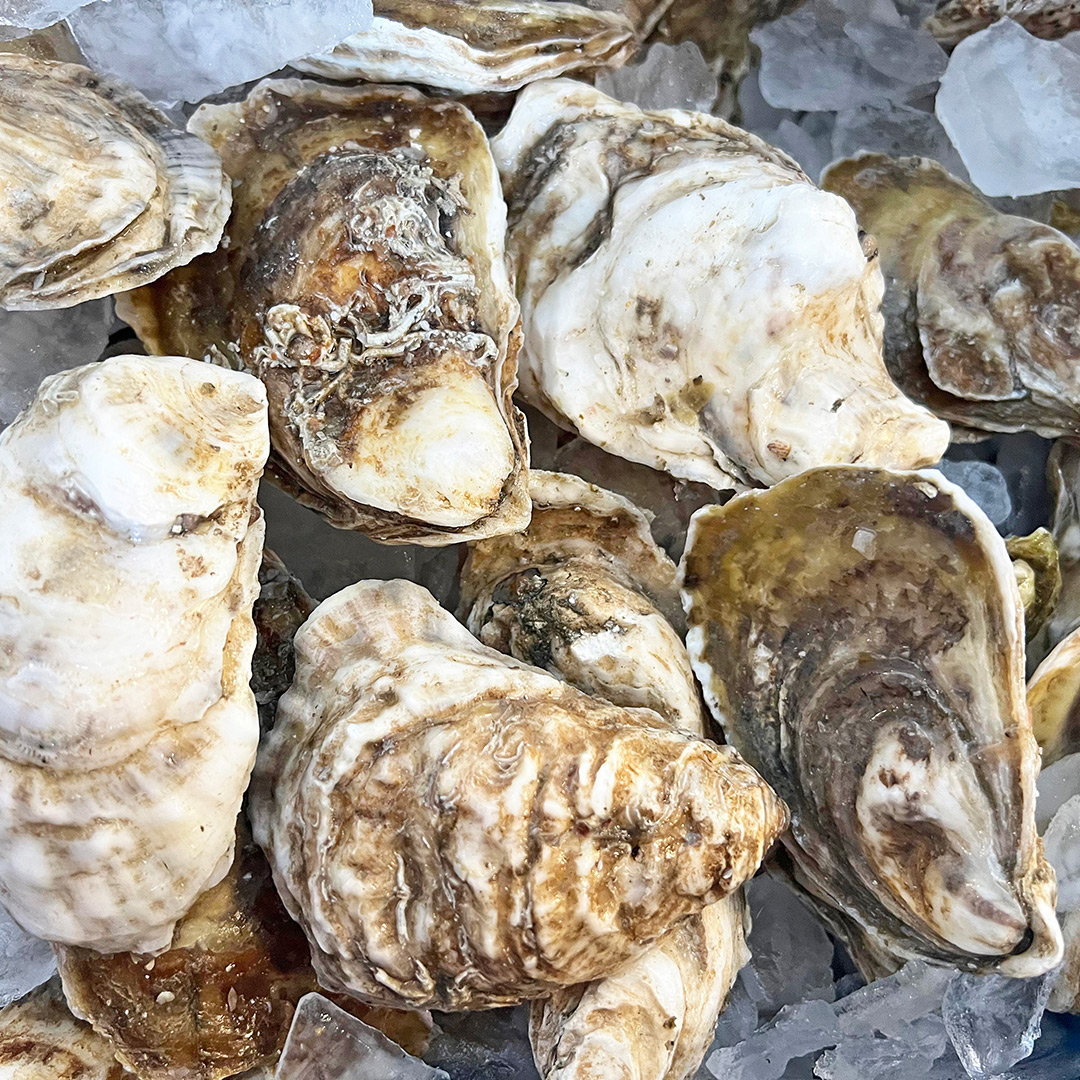
Credit: cfishct.com
Frequently Asked Questions
How Long Can Raw Seafood Be Stored Safely?
Raw seafood should be stored in the coldest part of your fridge. Consume within 1-2 days for best quality. For longer storage, freeze seafood at 0°F (-18°C) immediately. Always check for any off smell or sliminess before use to ensure safety.
What Is The Best Temperature To Store Raw Seafood?
Keep raw seafood at or below 40°F (4°C) in the refrigerator. For freezing, maintain temperature at 0°F (-18°C) or lower. Proper cold storage slows bacterial growth and preserves freshness. Use a thermometer to monitor your fridge and freezer regularly.
Should Raw Seafood Be Stored In Original Packaging?
It’s best to store raw seafood in airtight containers or tightly sealed bags. Original packaging may not be airtight and can cause freezer burn. Repack seafood using plastic wrap or vacuum seal for optimal freshness and to prevent contamination.
Can Raw Seafood Be Stored With Other Foods?
Avoid storing raw seafood with ready-to-eat foods to prevent cross-contamination. Keep seafood on the bottom shelf in a separate container. This practice minimizes drips and bacteria transfer. Always maintain good hygiene when handling raw seafood.
Conclusion
Storing raw seafood safely keeps it fresh and tasty longer. Always keep seafood cold, below 40°F (4°C). Use airtight containers or wrap tightly to avoid air contact. Clean your hands and surfaces well before handling seafood. Check for any bad smell or slimy texture before use.
These simple steps help avoid food poisoning and waste. Safe storage means safer meals for you and your family. Keep it fresh, keep it safe.